










In this guide, we'll explain what bitrate is, how it directly affects your footage, why higher bitrate isn't always the best solution, and how modern technologies like H.265 and dual-stream technology help achieve the perfect balance.
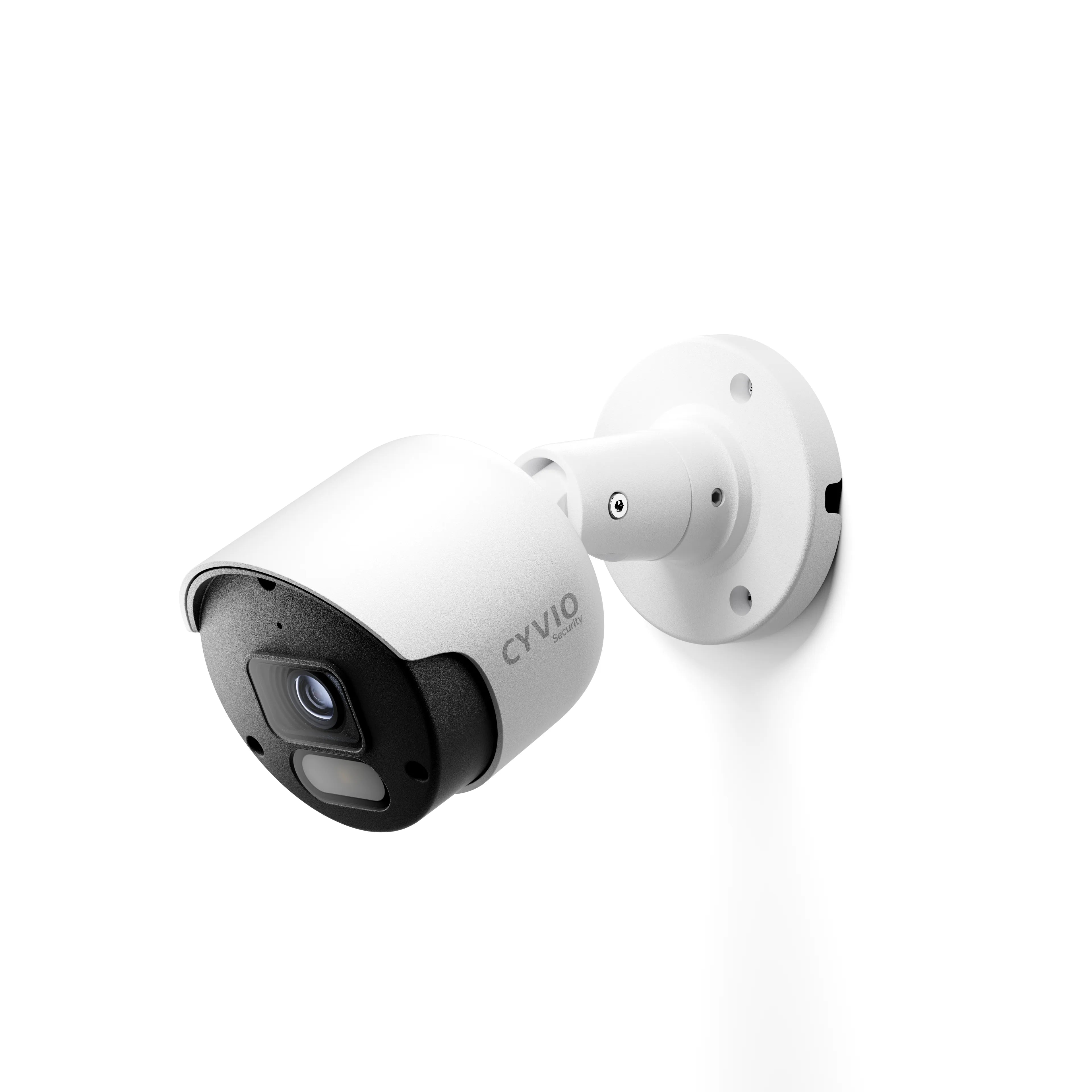
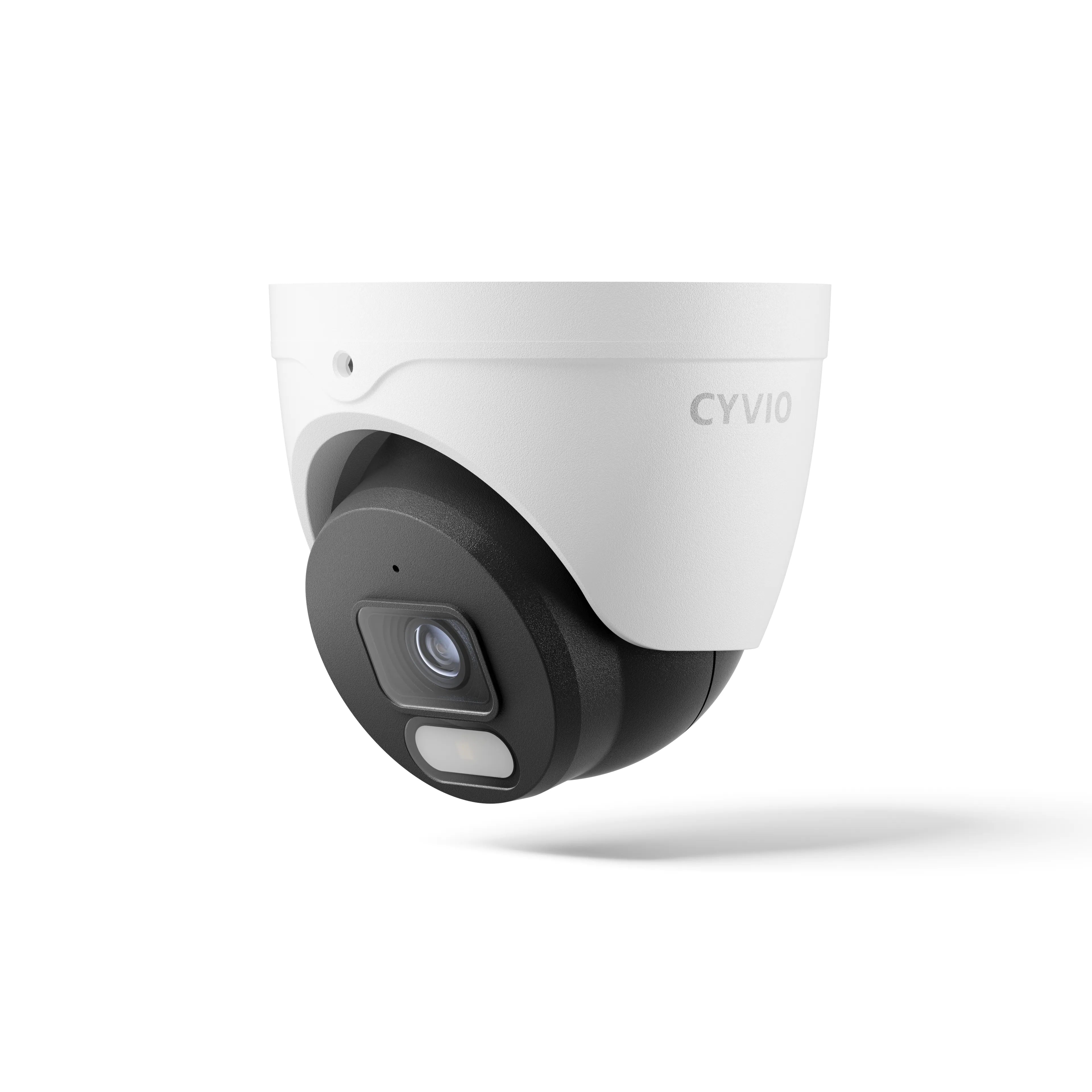
In this article, we’ll explain the key differences between human detection and motion detection, explore how these technologies work, and show how different CYVIO security cameras apply these features in real-world scenarios.
