









How Outdoor Security Cameras Survive Extreme Heat: 50°C High-Temperature Testing Explained

Introduction: When Summer Becomes a Stress Test for Security Cameras
Outdoor security cameras are not only exposed to rain, dust, and wind—they must also endure intense summer heat and direct sunlight. In many regions around the world, surface temperatures can easily reach 50°C (122°F) or even higher, turning everyday environments into extreme testing grounds for electronic devices.
For continuous surveillance systems such as outdoor security cameras, heat is not just an environmental factor—it is a performance challenge. Prolonged exposure to high temperatures can affect image clarity, system stability, power efficiency, and even hardware safety.
This is why high-temperature testing at 50°C has become a critical standard in the development and validation of modern surveillance cameras. It ensures that devices remain stable, reliable, and fully functional even under harsh summer conditions.
Why Extreme Heat Is a Serious Challenge for Outdoor Security Cameras
When exposed to prolonged high temperatures, multiple internal systems of a security camera are affected simultaneously. One of the most visible impacts is on image quality. As the image sensor heats up, it generates additional electronic interference known as thermal noise, which appears as colored dots, grain, or blurred details in video footage. This can significantly reduce the camera’s ability to capture clear evidence.
Power systems are also vulnerable. Lithium batteries, especially in solar-powered or wireless cameras, experience reduced chemical stability under extreme heat. This can lead to swelling, leakage, or reduced battery lifespan, ultimately affecting system reliability and safety.
Internal electronic components are equally sensitive. High temperatures increase resistance in circuits, which can lead to excessive power consumption, system throttling, or automatic shutdown due to overheating protection mechanisms. In real-world scenarios, this may result in temporary surveillance loss at critical moments.
Storage media such as SD cards are also affected. Continuous exposure to heat accelerates material degradation, increasing the risk of corrupted video files, recording errors, or complete storage failure.
Finally, wireless communication performance can degrade under extreme environmental stress. Heat combined with humidity may interfere with signal stability, leading to delayed transmission, video lag, or even temporary disconnection.
Why 50°C High-Temperature Testing Is Essential
To ensure reliability in real-world environments, manufacturers simulate extreme conditions in controlled laboratory environments. One of the most important standards is the 50°C high-temperature endurance test, designed to replicate the harsh conditions found in hot climates, deserts, and tropical regions.
In many parts of the world, outdoor surveillance systems must operate continuously during peak summer months where ambient temperatures frequently exceed safe electronic operating thresholds. Without proper testing, devices may fail unexpectedly, leading to security risks and system downtime.
Therefore, high-temperature testing is not optional—it is a necessary validation step to ensure that a security camera can maintain stable operation, consistent image quality, and long-term durability under continuous thermal stress.
How 50°C Heat Testing Is Conducted
High-temperature testing for outdoor security cameras is a structured and controlled process designed to simulate real environmental stress.
The camera is first placed inside a professional environmental chamber where the temperature is stabilized at 50°C or higher. Humidity levels are carefully controlled to replicate dry, sun-exposed outdoor conditions.
The device then operates continuously for extended periods, often ranging from 72 hours to several days, while actively recording and transmitting video data. During this time, engineers monitor key performance indicators including image clarity, color accuracy, night vision performance, motorized movement (if applicable), and network connectivity stability.
In more advanced testing scenarios, temperature cycling is also introduced. The camera is exposed to alternating extreme temperatures, such as -30°C to 60°C, to simulate day-night variations and seasonal transitions. This helps evaluate the durability of sealing materials, adhesives, housing structures, and internal thermal expansion resistance.
Through this process, manufacturers can identify potential weaknesses before products reach the market, ensuring long-term reliability in real-world deployments.
How CYVIO Solves High-Temperature Challenges for Outdoor Security Cameras
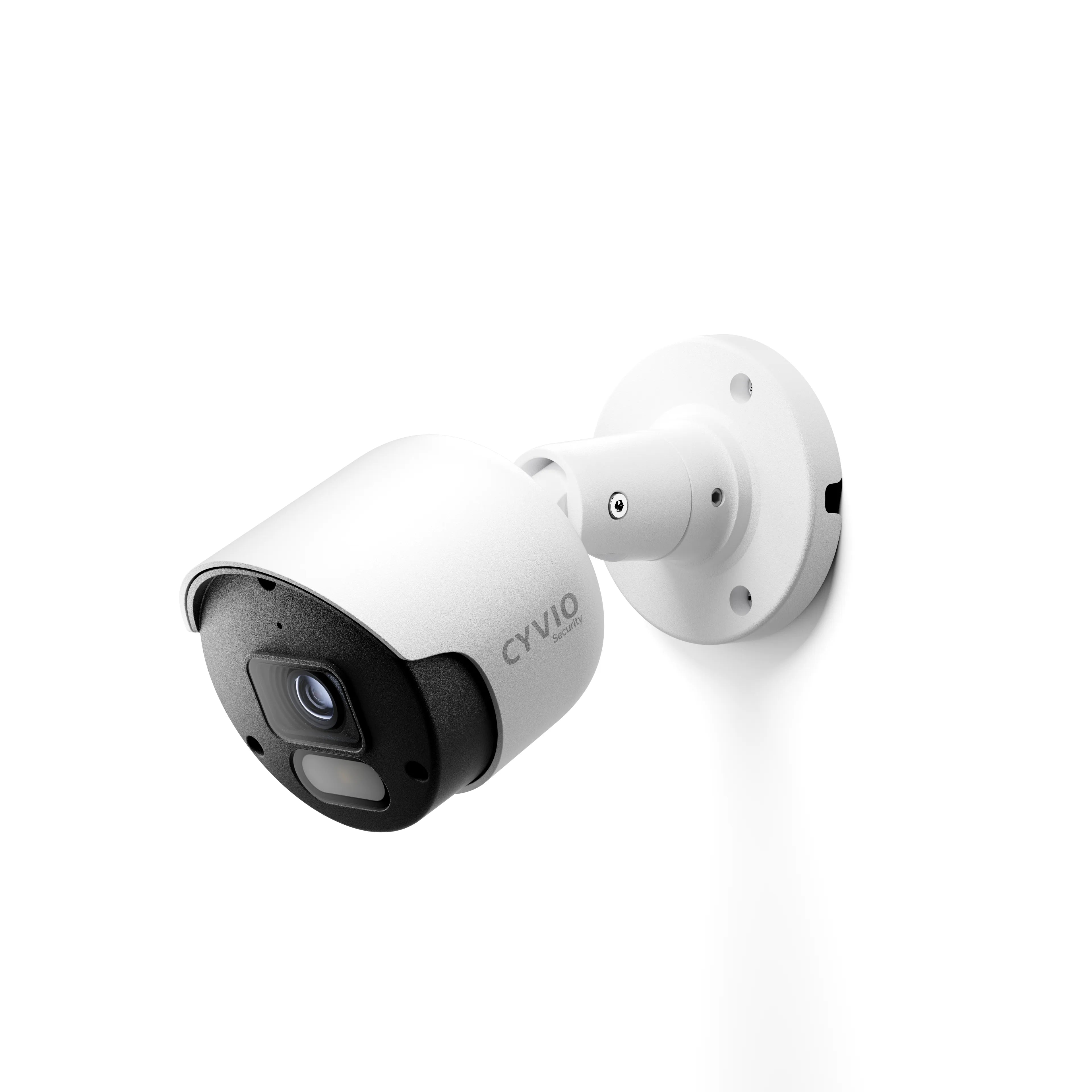
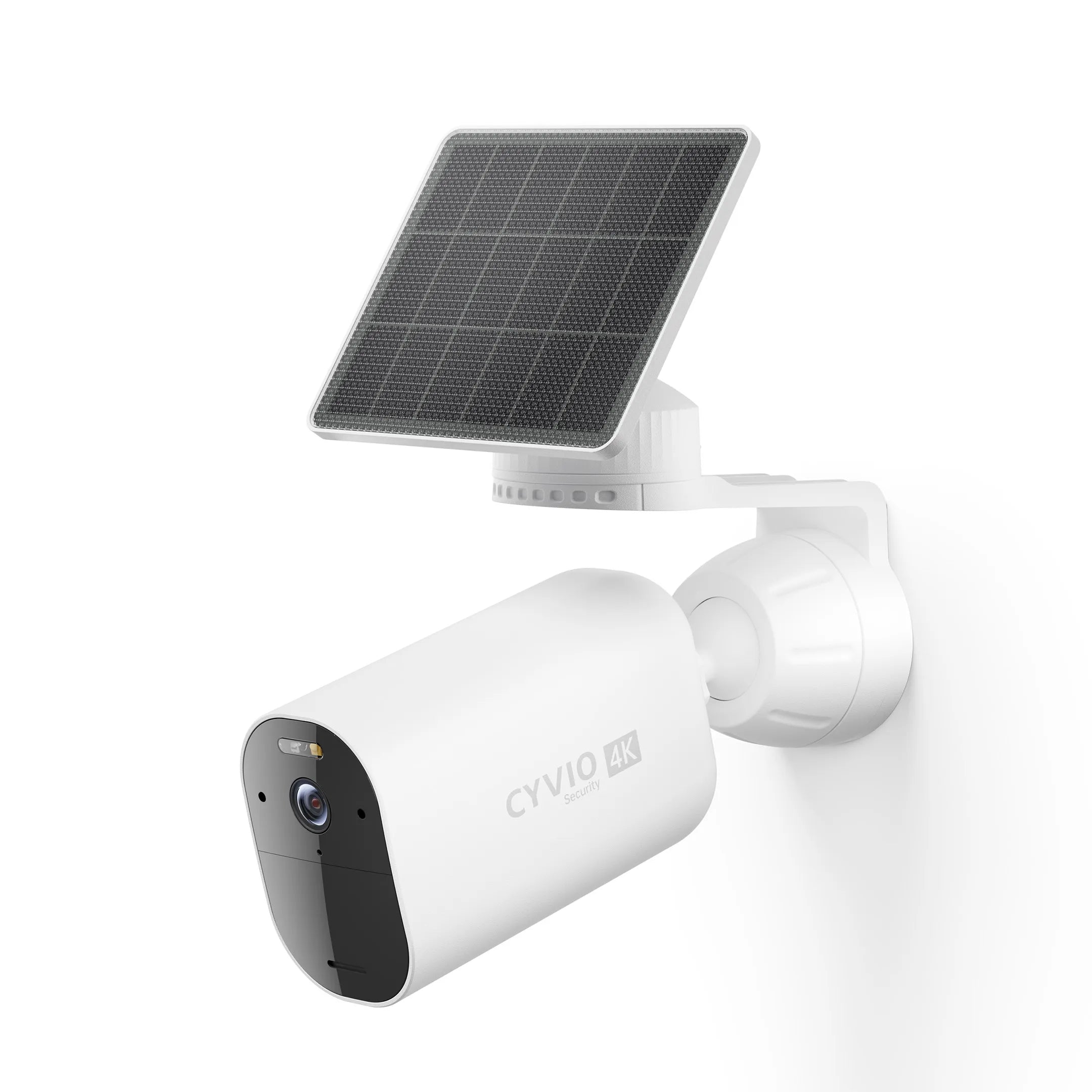
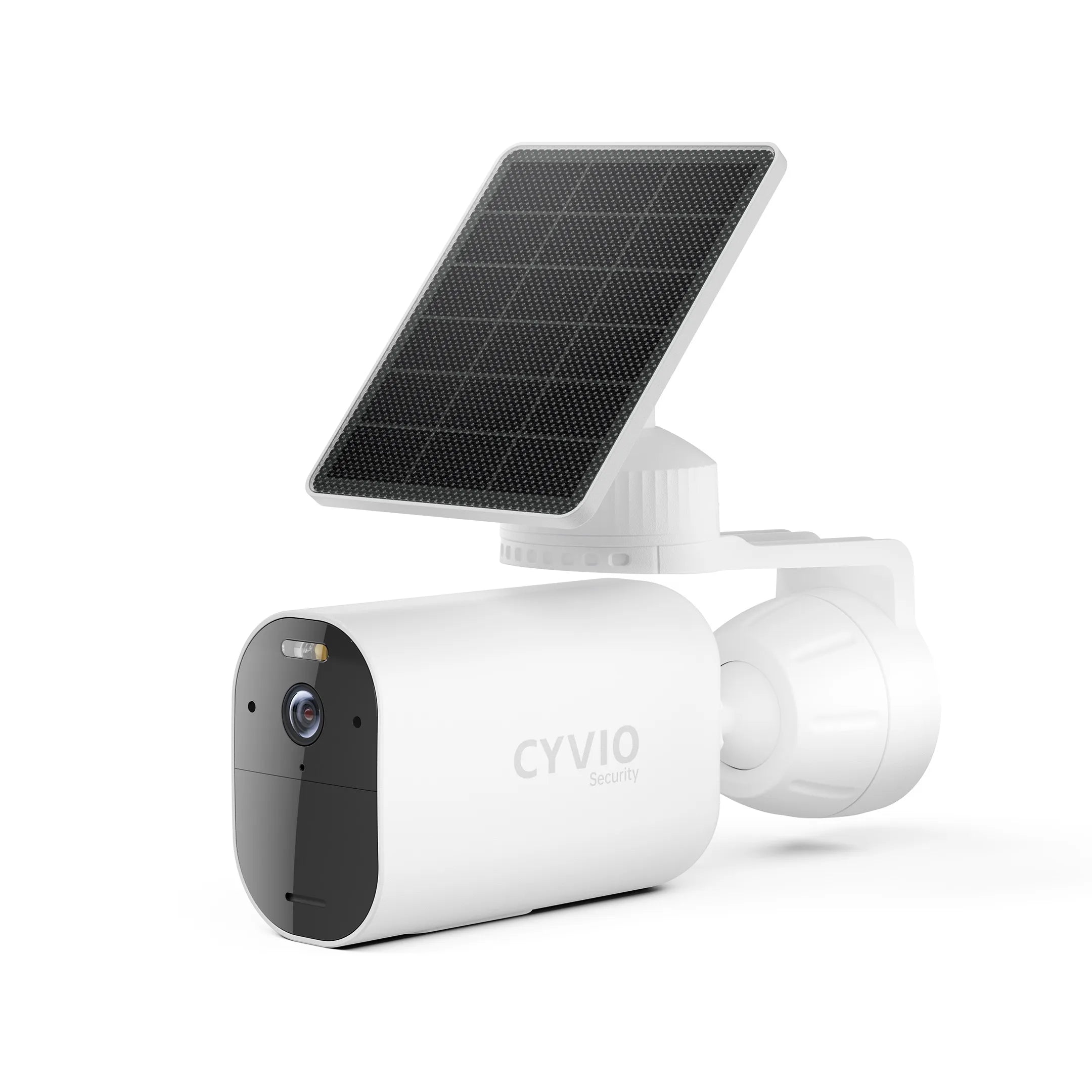
At CYVIO, heat resistance is not treated as an afterthought—it is built into the product design from the beginning. Taking the CYVIO N1812 4K 900MHz WiFi Solar Security Camera as an example, the system is engineered to maintain stable performance even under harsh summer conditions and prolonged sun exposure.
Smarter Thermal Management for Outdoor Durability
One of the biggest causes of overheating in outdoor surveillance devices is direct sunlight absorption. To reduce heat buildup, the CYVIO N1812 features a carefully optimized structural design that improves airflow and heat dissipation.
Its exterior design helps minimize unnecessary heat retention, while the integrated solar panel not only powers the camera but also acts as an additional barrier against direct sunlight exposure. This dual-purpose approach helps lower internal operating temperatures during long summer days.

High-Temperature Resistant Battery for Safer Operation
Battery performance often becomes a weak point in hot weather, especially for solar-powered wireless cameras that remain exposed to sunlight throughout the day.
The CYVIO N1812 is equipped with a large-capacity 11,600mAh rechargeable battery, engineered to remain stable under demanding outdoor temperatures. This helps reduce risks associated with overheating, such as battery swelling, unstable charging, or shortened battery lifespan.

As a result, users benefit from longer-lasting power stability and greater peace of mind in hot environments.
Reliable 4K Image Quality Even in Extreme Heat
Heat can negatively affect image sensors, causing thermal noise, blurry footage, and reduced clarity. This is particularly problematic when security footage is needed for identifying details.
To address this challenge, the CYVIO N1812 combines a 4K ultra-HD imaging system with optimized image processing capabilities designed to suppress heat-related noise. Even under strong sunlight and elevated temperatures, the camera is able to maintain sharp image quality and preserve critical visual details.

For outdoor security, clear footage is not just about convenience—it is essential for effective monitoring.
Stable Long-Range Connection with 900MHz HaLow WiFi
High temperatures and environmental interference can sometimes weaken wireless performance, leading to unstable video streaming or delayed alerts.
Unlike traditional WiFi cameras, the CYVIO N1812 uses 900MHz HaLow WiFi technology, designed for stronger signal penetration and more reliable long-distance transmission. This helps maintain stable connectivity in large outdoor spaces such as farms, yards, garages, warehouses, and remote properties.

Even in challenging weather conditions, users can continue monitoring without frequent signal interruptions.
Built for Year-Round Outdoor Protection
Heat resistance alone is not enough for an outdoor surveillance device. Cameras must also withstand rain, dust, and long-term UV exposure.
That is why the CYVIO N1812 is designed with an IP66 weatherproof rating, providing reliable resistance against water and dust while helping preserve structural durability over time. Materials used in the housing are selected to withstand prolonged outdoor exposure, helping the device remain dependable season after season.

Conclusion: Choosing a Security Camera That Can Handle Real Summer Conditions
Extreme heat is one of the toughest challenges for outdoor surveillance systems. From image degradation and battery risks to unstable connectivity, prolonged exposure to high temperatures can significantly impact camera performance.
This is why 50°C high-temperature testing matters. It helps verify whether a camera can continue delivering stable monitoring, clear footage, and reliable performance under real-world summer conditions.
For users living in hot climates or areas with intense sun exposure, choosing a camera designed for extreme weather is essential. Products such as the CYVIO N1812 4K 900MHz WiFi Solar Security Camera, built with heat-resistant battery systems, advanced imaging technology, long-range connectivity, and weatherproof protection, are designed to provide dependable outdoor security all year round.
Whether facing scorching temperatures, long-distance monitoring needs, or year-round outdoor exposure, CYVIO is committed to delivering security solutions designed to perform when it matters most.
FAQ
Q1: Can outdoor security cameras work in extreme heat like 50°C?
Yes, but only if they are specifically designed and tested for high-temperature environments. Standard security cameras may overheat, experience image distortion, or shut down under prolonged exposure to extreme heat. Professionally engineered outdoor cameras use thermal management systems and heat-resistant components to maintain stable performance.
Q2: What happens to security cameras when they overheat?
When a security camera overheats, several issues may occur, including increased image noise, blurry or unstable footage, reduced processing performance, and in some cases, automatic system shutdown to prevent hardware damage. Continuous overheating can also shorten the device’s lifespan.
Q3: Why does image quality get worse in hot weather?
High temperatures cause the image sensor to generate additional electronic interference, known as thermal noise. This appears as grain, colored dots, or reduced clarity in the video. Strong sunlight combined with overheating can further reduce image sharpness and detail accuracy.
Q4: Is IP66 rating enough for hot weather conditions?
An IP66 rating ensures protection against dust and heavy rain, but it does not guarantee heat resistance. High-temperature performance depends on internal design, thermal management, battery quality, and component selection, not just waterproof certification.
Q5: How do solar-powered security cameras handle high temperatures?
Solar security cameras manage heat through a combination of design and engineering, such as reflective housing materials, optimized airflow structures, heat-resistant batteries, and efficient power management systems that reduce thermal stress during continuous solar charging.
Q6: What is the purpose of 50°C high-temperature testing?
50°C high-temperature testing simulates extreme real-world summer conditions to evaluate whether a security camera can operate reliably under continuous heat exposure. It helps verify image stability, battery safety, connectivity performance, and overall system durability.
Q7: Are heat-resistant security cameras better for outdoor use?
Yes. Heat-resistant security cameras are specifically designed to maintain stable performance in harsh environments. They are more reliable for long-term outdoor installation in areas with intense sunlight, such as rooftops, farms, construction sites, and remote properties.