









Security Camera Frame Rate Guide: 15fps vs 30fps vs 60fps

Do You Really Need 60fps for Security Cameras? Finding the “Just Right” Frame Rate
In the world of video surveillance, one belief has quietly become “common sense”: higher frame rates must mean better security. The idea sounds logical—if 30fps looks smooth and 60fps looks even smoother, then surely 60fps must be the best choice for protecting your home or business.
But in reality, this assumption often leads to unnecessary costs and inefficient systems. Many users invest in high-frame-rate recording, only to discover that most of their footage captures static environments—empty hallways, quiet warehouses, or still walls—while consuming massive storage space.

This article challenges that misconception and brings the focus back to what truly matters in security: capturing essential details while maintaining long-term, cost-effective recording. For most real-world scenarios, 15fps and 20fps are not compromises—they are optimal choices.
Understanding the Difference: Cinematic Smoothness vs Security Functionality
To make the right decision, it’s important to separate two very different use cases: entertainment and surveillance.
In film, gaming, and streaming, higher frame rates such as 30fps or 60fps are designed to create immersive, visually pleasing experiences. Smooth motion enhances enjoyment, especially in fast-moving scenes. Storage and bandwidth are secondary concerns.
Security systems, however, serve a fundamentally different purpose. The goal is not to entertain but to document. A surveillance camera must clearly record events, preserve identifiable details, and store footage reliably over extended periods—often 30, 60, or even 90 days.
Human vision itself provides an important clue here. Studies show that motion can be perceived as continuous at around 10 to 15 frames per second. This means that at 15fps, you can already observe people walking, vehicles moving, and general activity without losing clarity or continuity. Increasing the frame rate beyond this point does not necessarily improve the usefulness of the footage for security purposes—it simply increases data volume.
In other words, chasing cinematic smoothness in surveillance is often unnecessary and, in many cases, counterproductive.

The Hidden Cost of High Frame Rates
Choosing 60fps doesn’t just improve smoothness—it significantly increases system demands. Doubling the frame rate from 30fps to 60fps nearly doubles storage consumption and bandwidth usage. Compared to 15fps, the difference becomes even more dramatic.
This has direct consequences. Higher storage consumption means shorter retention periods unless you invest in larger and more expensive storage solutions. For businesses that must comply with regulations requiring long-term video retention, this can quickly become a serious limitation.
Bandwidth is another concern, especially for remote viewing. High-frame-rate streams require more stable and faster network connections, which may not always be available in real-world deployments.
Ironically, the result of using excessively high frame rates is often worse security outcomes. When storage fills up faster, older footage is overwritten sooner, increasing the risk that critical evidence is lost.
Why 15fps Is the Foundation of Efficient Surveillance
For most environments, 15fps strikes the perfect balance between clarity and efficiency. It provides smooth enough motion to understand events while minimizing storage requirements.
In locations where activity is predictable or relatively slow, such as warehouses, office corridors, parking lots, and residential perimeters, 15fps performs exceptionally well. It captures essential movements, records entry and exit events, and maintains a continuous visual record without unnecessary redundancy.


More importantly, it enables longer recording durations. By reducing data usage, 15fps allows systems to retain footage for extended periods, ensuring that important events remain accessible when needed.
This makes it the ideal baseline for large-scale deployments where efficiency and reliability are more important than visual smoothness.
When 20fps Makes a Meaningful Difference
While 15fps is sufficient for most situations, certain scenarios benefit from a slightly higher frame rate. This is where 20fps becomes the “sweet spot” for dynamic environments.
At 20fps, motion appears noticeably smoother, particularly for faster actions such as people turning quickly, children playing, or pets moving unpredictably. It reduces motion blur and improves the clarity of transitional movements, making it easier to analyze behavior and identify details.
This makes 20fps particularly suitable for areas where interaction and observation are more active, such as living rooms, entrances, or spaces where caregivers monitor children or elderly family members. It also enhances the experience when using cameras with pan-tilt-zoom functionality, where smoother motion contributes to more natural viewing.
Importantly, 20fps achieves this improvement without dramatically increasing storage requirements. It represents a practical upgrade where needed, rather than a system-wide burden.
Building a Smarter Surveillance System— Maximizing Performance with CYVIO
An effective security system is not defined by the highest specifications, but by how well it adapts to real-world scenarios. Solutions designed around efficiency—such as those developed by CYVIO—focus on delivering reliable performance, optimized storage usage, and long-term stability right out of the box.
Instead of forcing users to manually fine-tune complex settings, CYVIO systems are built with practical defaults that align with how surveillance is actually used.
Optimized Camera Deployment for Different Scenarios
In most surveillance environments, fixed cameras form the foundation of the system. These cameras are typically responsible for monitoring relatively stable or low-motion areas such as warehouses, hallways, parking spaces, or perimeters.
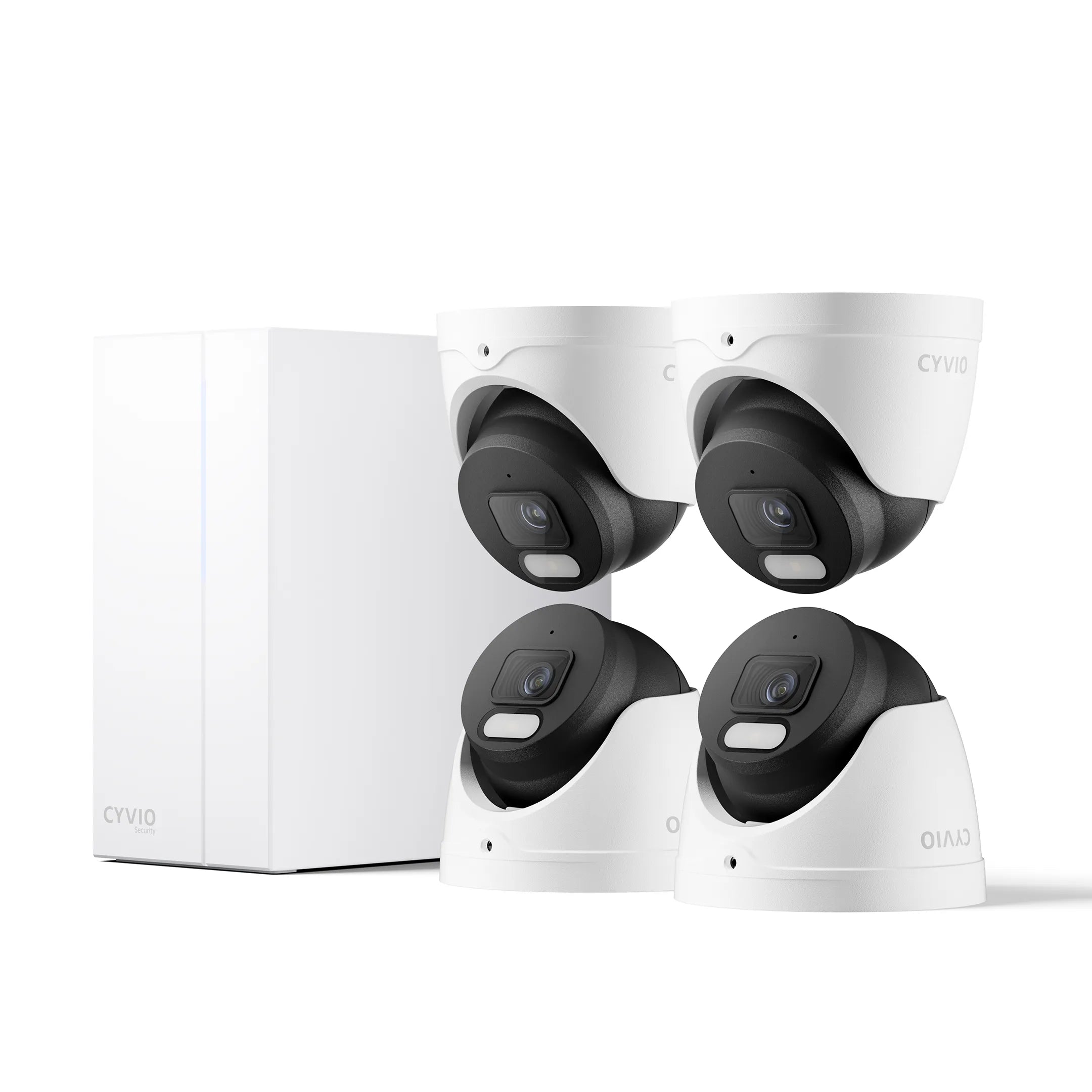
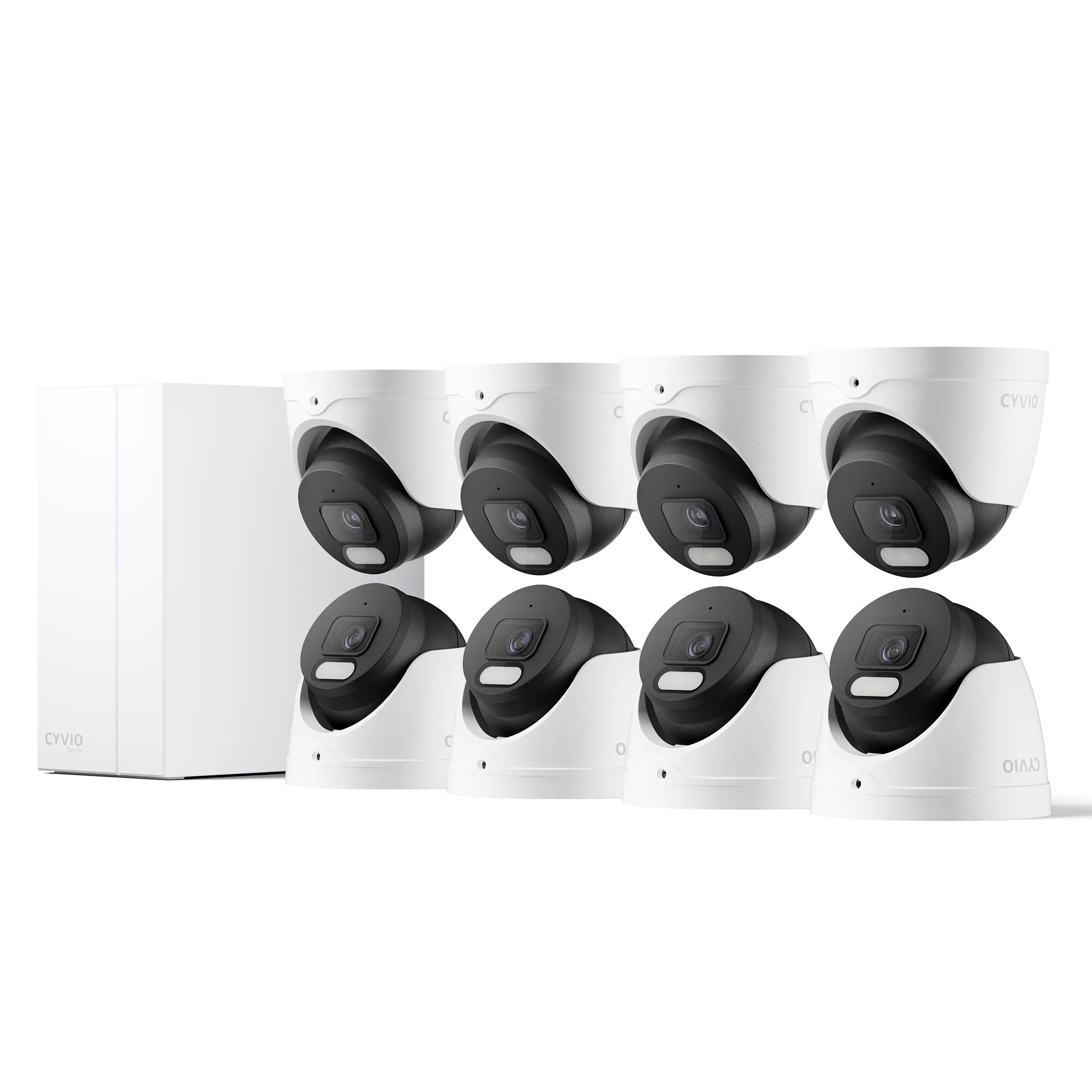
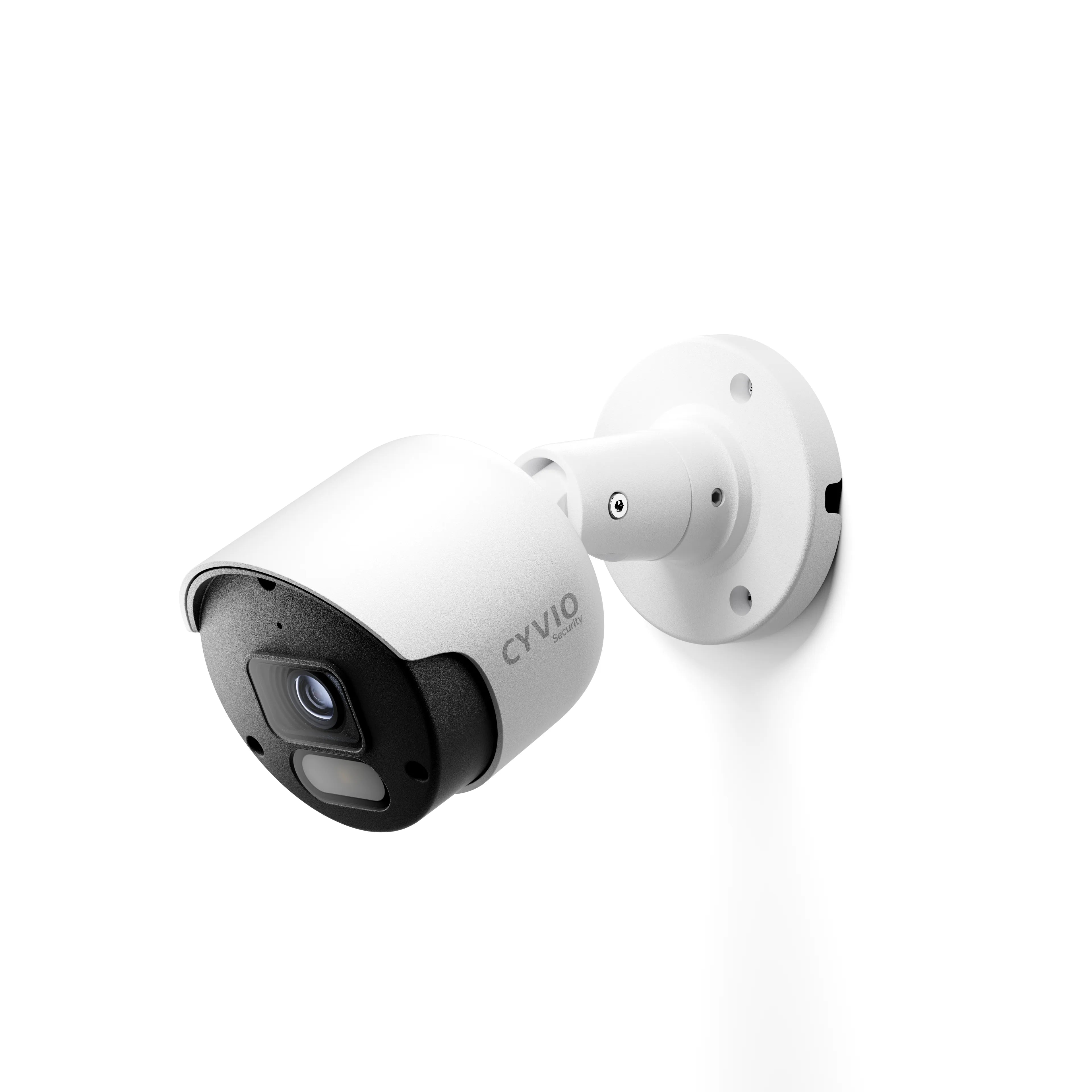
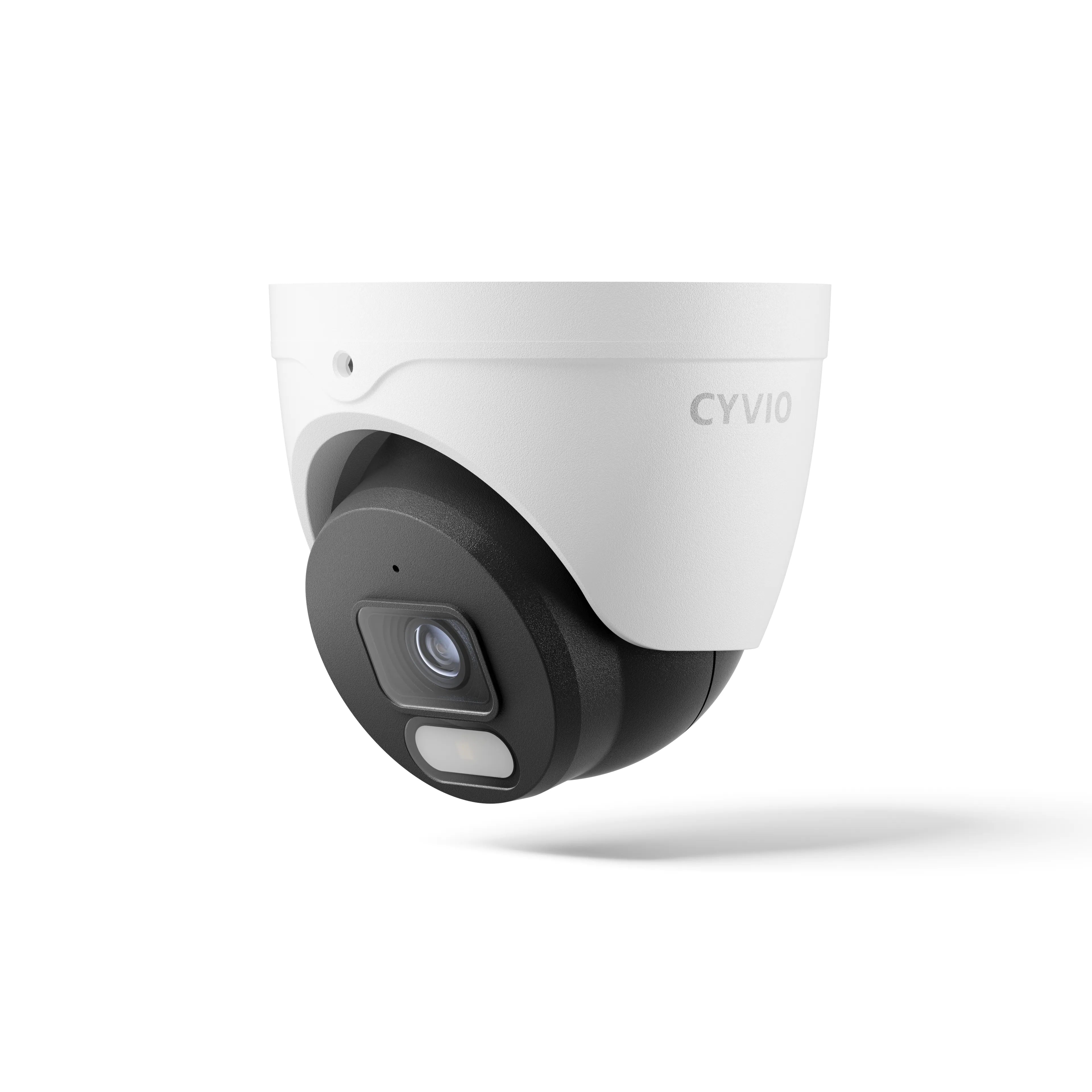
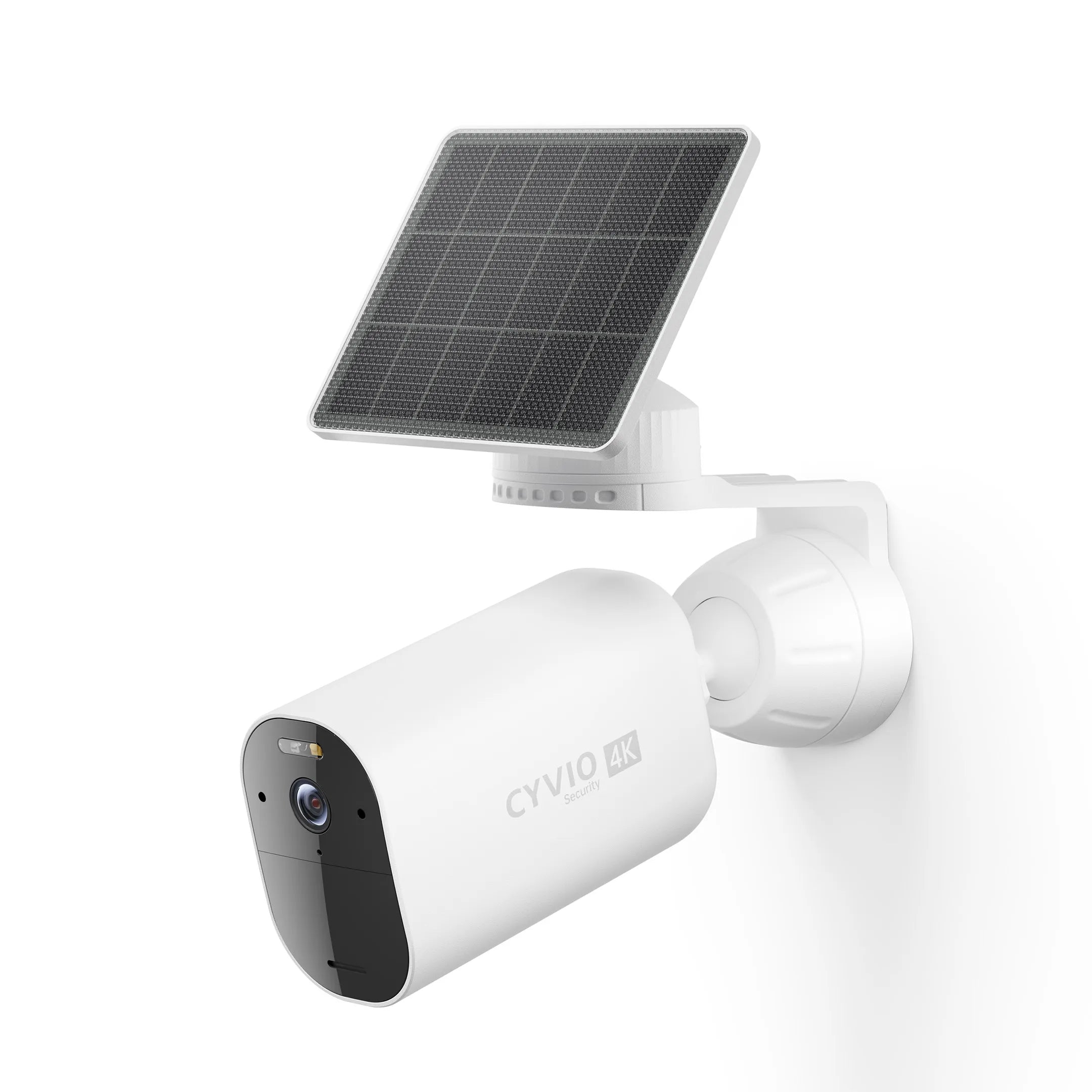
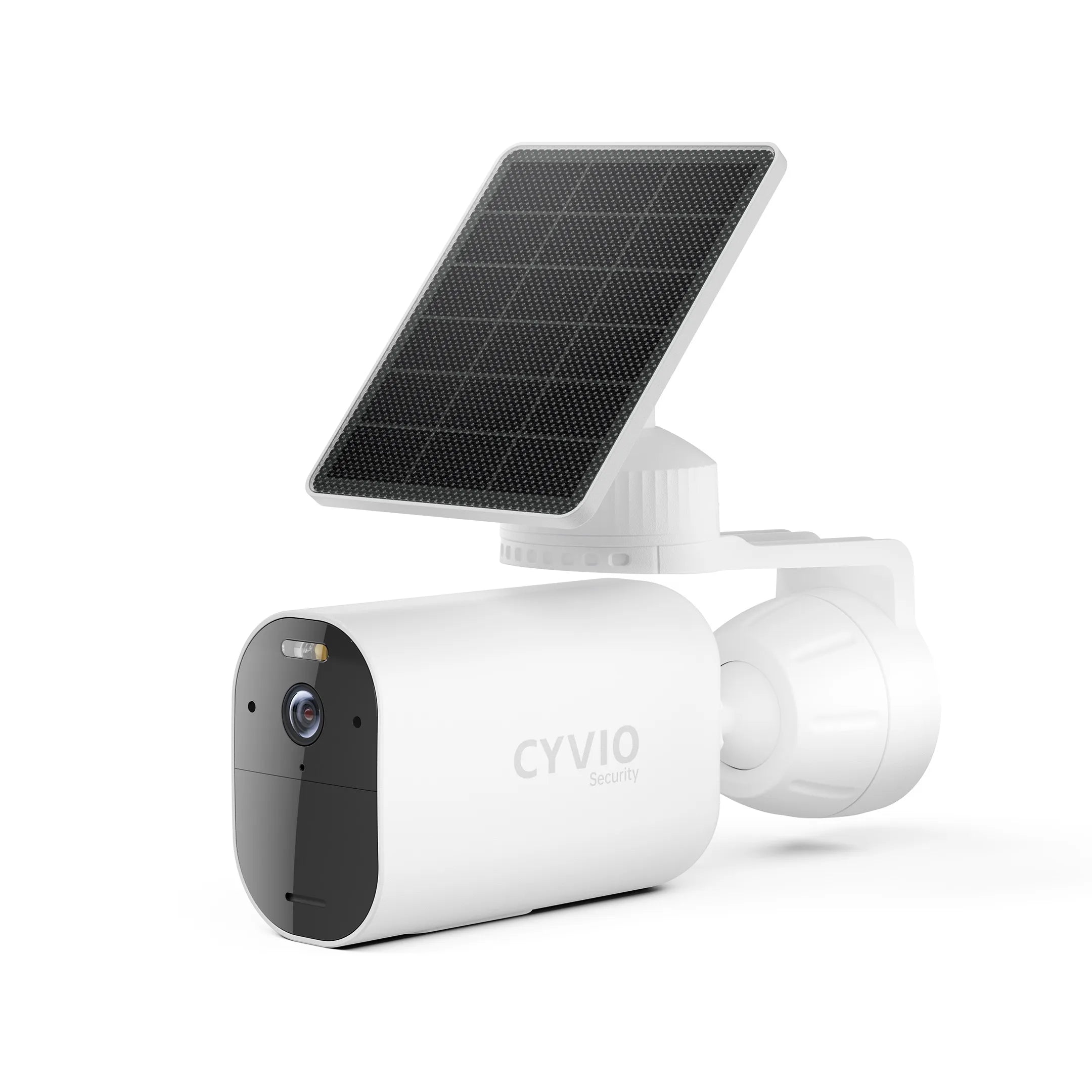
For these use cases, CYVIO N2834 PoE security camera systems are optimized with a default recording frame rate of 15fps. This is not a limitation, but a deliberate design choice. By prioritizing efficiency, users can achieve significantly longer recording durations without sacrificing essential visual information. The result is a system that works continuously and reliably, without requiring constant storage upgrades or manual adjustments.

At the same time, not all areas behave the same way. Certain locations require more dynamic monitoring—spaces where movement is faster, interactions are frequent, or users need to actively observe and respond in real time.
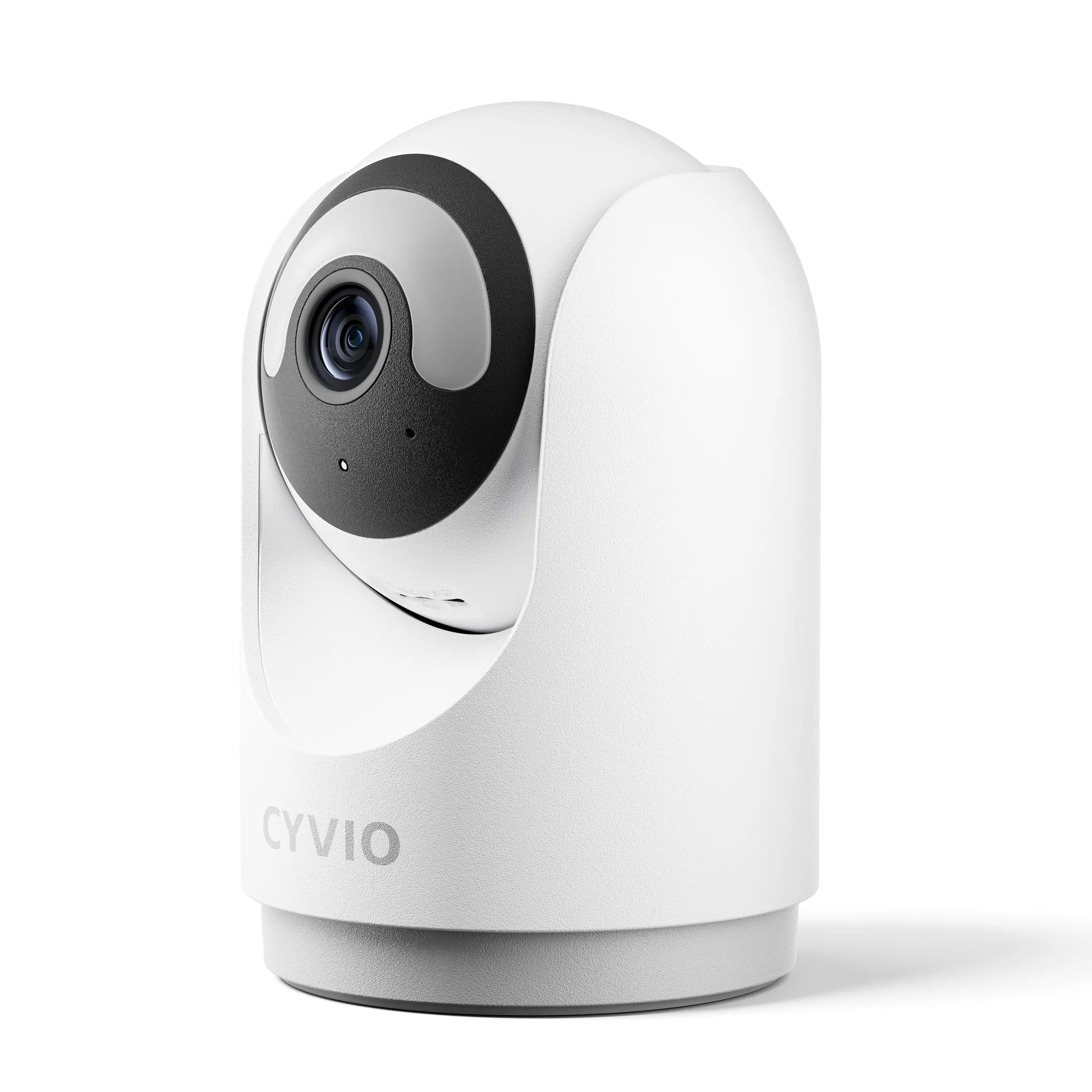
For these scenarios, CYVIO C2 PTZ indoor WiFi cameras provide smoother 20fps video performance. This higher frame rate enhances motion clarity during camera movement, subject tracking, or live interaction, making it especially useful for indoor environments such as living rooms, entry points, or caregiving spaces. When combined with fixed 15fps cameras, this creates a balanced system capable of covering both broad surveillance needs and detail-focused monitoring.

Flexible Stream Configuration for Greater Control
Beyond default optimization, flexibility is equally important. CYVIO devices support dual-stream technology, allowing users to configure main-streams and sub-streams independently.
This means users can adjust frame rates, resolution, and bitrate based on specific needs—whether prioritizing recording quality, remote viewing performance, or bandwidth efficiency. Such flexibility ensures that the system can adapt over time, rather than being locked into a single configuration.
Scenario-Based System Design
A truly efficient surveillance setup is always scenario-driven. In real-world deployments, most environments do not require uniform settings across all cameras.
For example, in a typical factory or residential setup, up to 80–90% of cameras can operate efficiently at 15fps, covering general monitoring areas. Meanwhile, only key locations—such as main entrances, living spaces, or critical access points—benefit from 20fps cameras for improved motion clarity and interaction.
This hybrid approach significantly reduces overall storage consumption while enhancing performance where it matters most. It reflects a practical philosophy: not maximizing specifications, but optimizing outcomes.
Conclusion: Practical Security for Long-Term Peace of Mind
In security, what matters most is not the highest number on a specification sheet, but whether important moments are captured, preserved, and accessible when needed.
Choosing 15fps and 20fps is not about compromise—it is about balance. It ensures smooth monitoring where necessary, while maintaining efficient storage for long-term recording. It allows systems to remain stable, scalable, and aligned with everyday usage.
Solutions built on this philosophy—such as CYVIO security cameras—focus on real-world reliability rather than unnecessary excess. By integrating efficient frame rate strategies with practical design, they provide a smarter way to achieve lasting protection.
True peace of mind does not come from over-specification. It comes from knowing that your system works consistently, quietly, and effectively—so security becomes a natural part of daily life, not a constant concern.
FAQ
1. Is 60fps better than 30fps or 15fps for security cameras?
Not necessarily. While 60fps provides smoother video, it significantly increases storage and bandwidth usage. For most security purposes, 15fps or 20fps already delivers clear and usable footage.
2. What is the best frame rate for home security cameras?
For most homes, 15fps is ideal for general monitoring, while 20fps works well for active areas like living rooms or entrances.
3. Does higher frame rate improve image quality?
Frame rate affects motion smoothness, not resolution. Image quality depends more on resolution, sensor performance, and lighting conditions.
4. Will lower frame rates miss important events?
No. At 15fps, motion remains continuous and recognizable. It is sufficient for capturing typical human and vehicle activity.
5. How can I optimize storage for my security system?
Use lower frame rates like 15fps for most cameras, apply higher frame rates only where needed, and take advantage of features like motion detection and dual-stream recording.
6. When should I consider using 20fps instead of 15fps?
Choose 20fps for areas with faster movement or where smoother motion improves monitoring, such as entrances, family spaces, or PTZ camera usage.