









Security Cameras With Motion Detection: A Smarter Way to Monitor Your Property

Modern security cameras do more than simply record video. With smart features such as motion detection, cameras can identify activity, send notifications, and help users focus on important events instead of reviewing hours of unnecessary footage. Understanding how security cameras with motion detection work can help homeowners choose a system that matches their monitoring needs.
Motion detection technology allows cameras to respond when movement is detected within a selected area. Depending on the camera model, detection may be based on changes in the image, heat patterns, or intelligent analysis of people and vehicles.
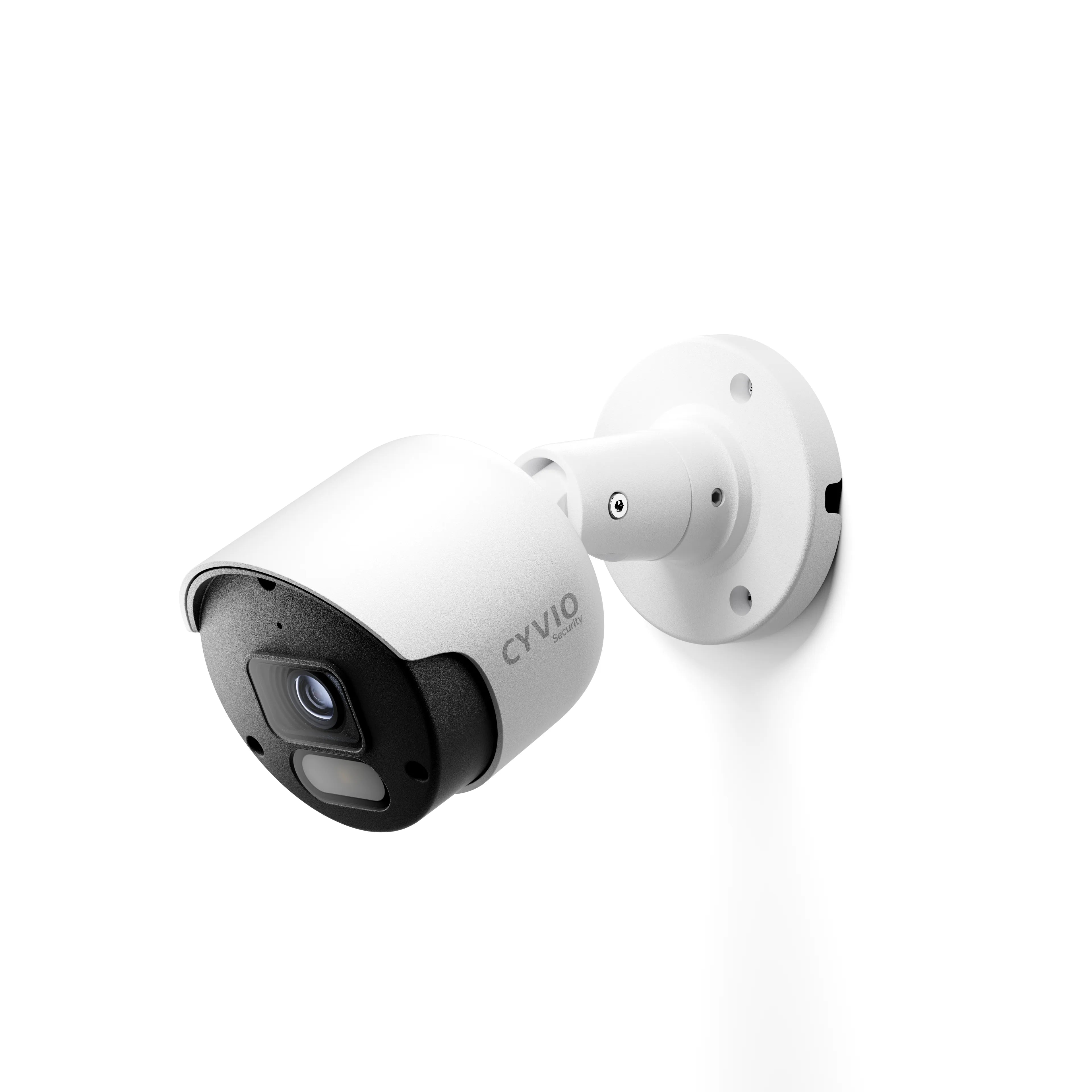
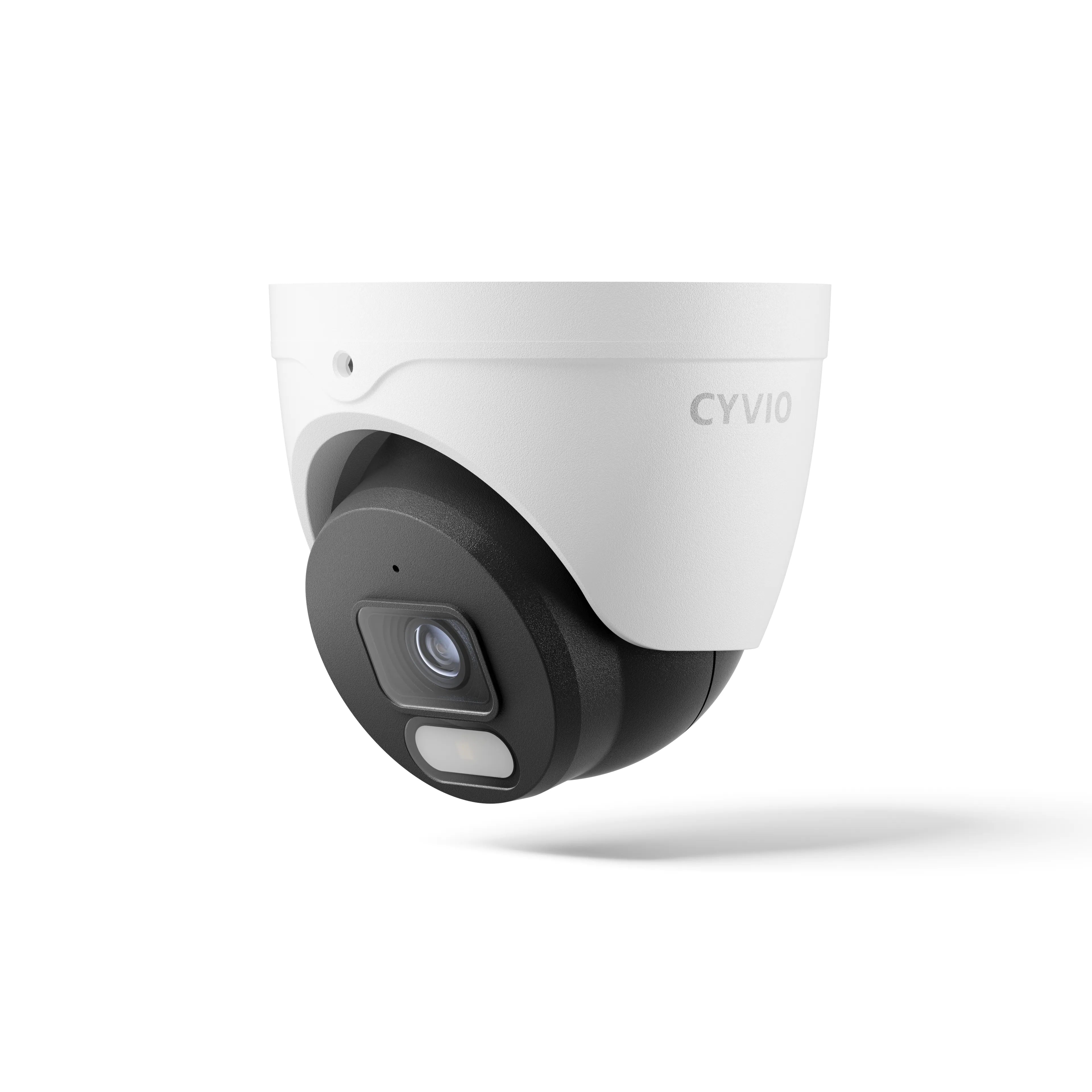
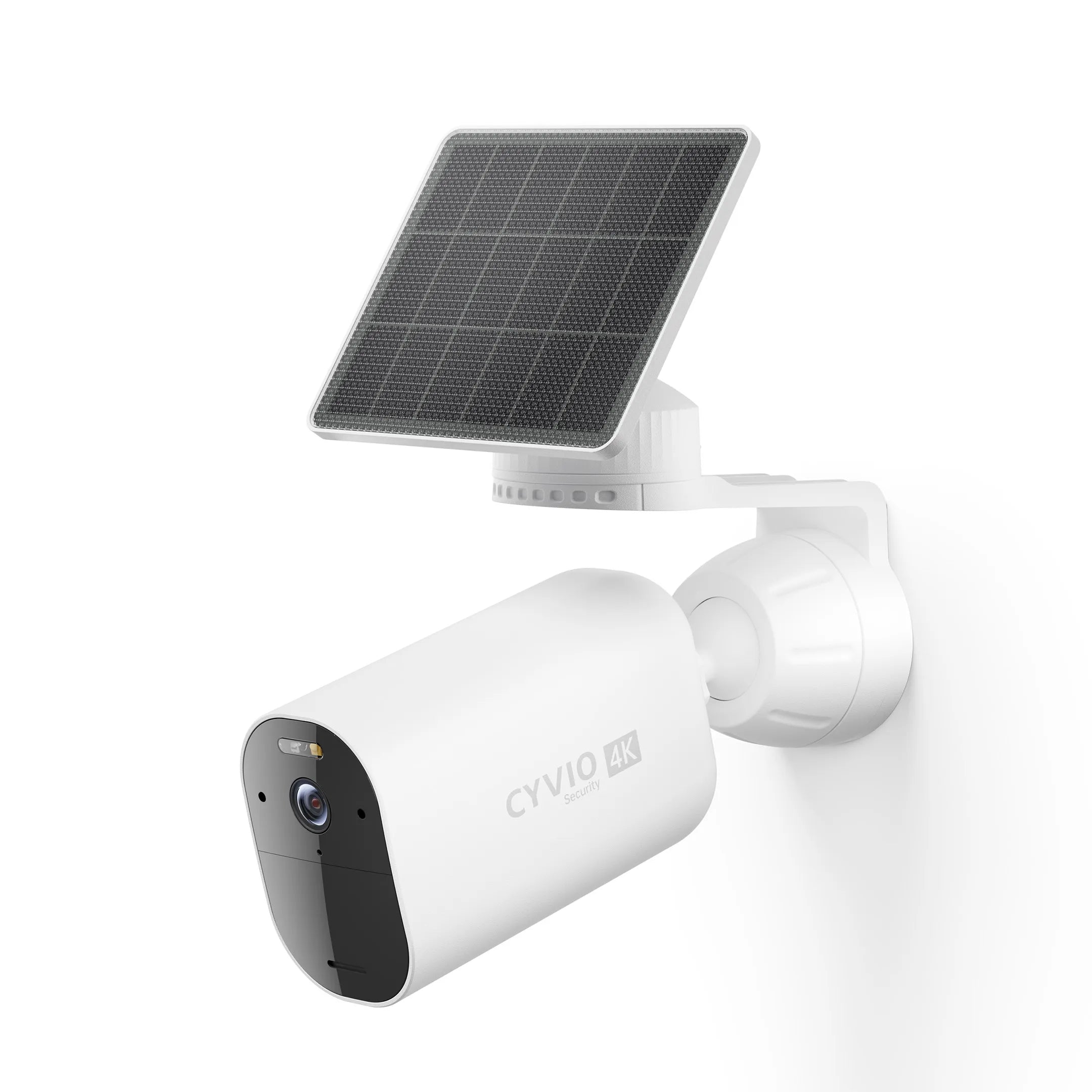
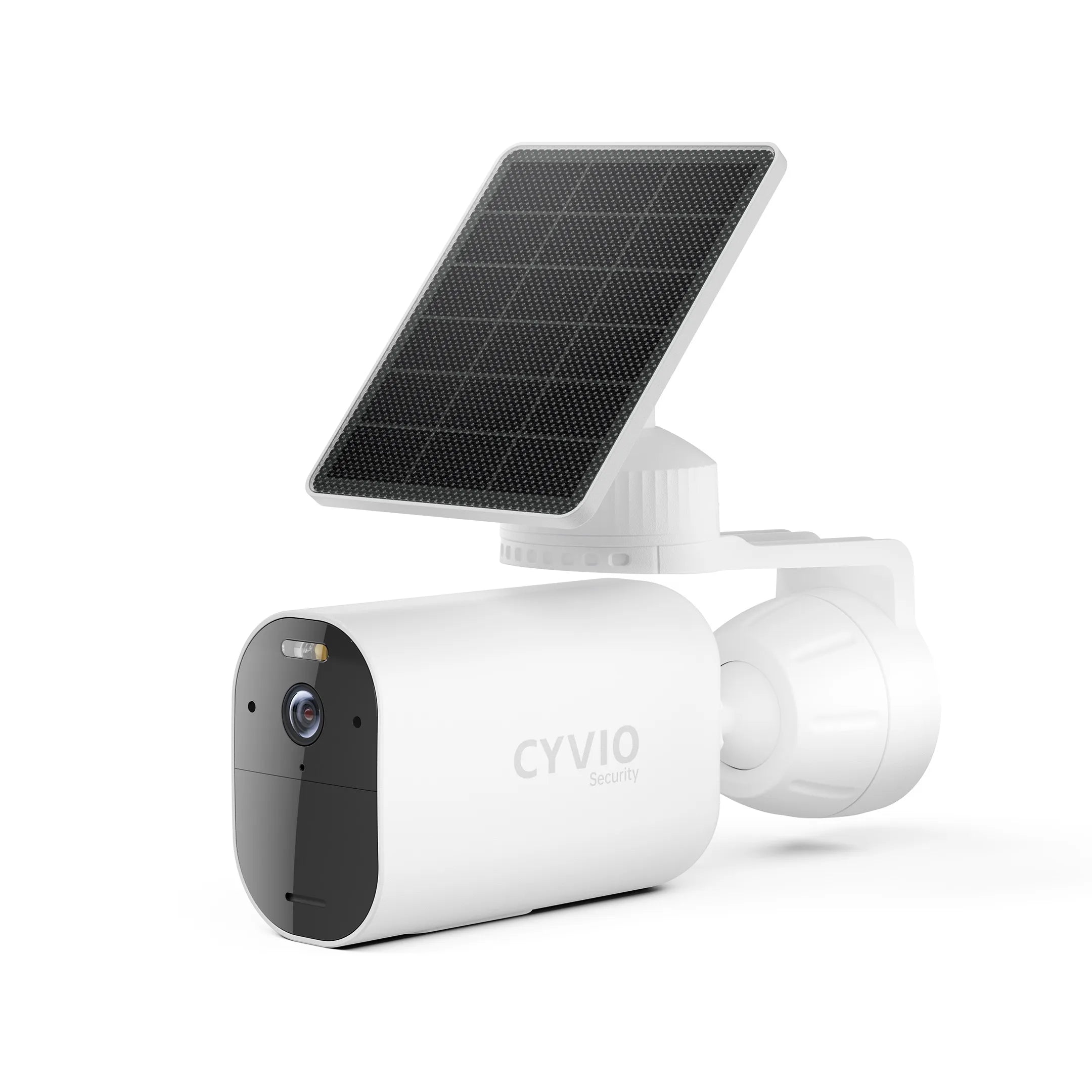
Whether you want to monitor a front entrance, backyard, driveway, office, or indoor space, motion detection can make a security camera system easier to manage. CYVIO offers a range of smart camera solutions, including WiFi, PoE, battery-powered, solar-powered, and video doorbell products with monitoring features designed for different environments.
What Is Motion Detection in Security Cameras?
Motion detection is a feature that allows a security camera to recognize changes within its viewing area and respond based on configured settings.
Instead of recording every second continuously, a camera with motion detection can:
-
Detect movement
-
Trigger recording
-
Send notifications
-
Activate alerts
-
Highlight important events
For example, if a camera is monitoring a driveway, it can begin recording when movement occurs in that area.
A motion detection security camera combines video monitoring with intelligent activity detection, helping users quickly identify events that require attention.
How Do Motion Detection Security Cameras Work?
Security cameras use different methods to identify movement.
1. Video-Based Motion Detection
Many cameras analyze changes between video frames.
The camera compares images over time and detects differences caused by movement.
Examples include:
-
A person walking across the camera view
-
A vehicle entering a driveway
-
An object moving within the scene
2. PIR Motion Detection
Some battery-powered cameras use Passive Infrared (PIR) sensors.
PIR sensors detect changes in infrared energy caused by warm objects moving through the detection area.
This technology is commonly used in battery-powered outdoor cameras because it can help reduce unnecessary recordings and preserve battery power.
3. AI-Based Detection
Some modern cameras use intelligent detection technology to identify specific types of movement.
Depending on the camera model, AI features may help distinguish between:
-
People
-
Vehicles
-
General movement
-
Other activity
This can make notifications more relevant compared with basic motion detection.

Benefits of Security Cameras With Motion Detection
Reduce Unnecessary Recording
Continuous recording can create large amounts of footage, especially when cameras monitor areas with frequent background movement.
Motion-based recording helps focus storage on periods when activity occurs.
This can make reviewing footage faster and more efficient.
Receive Activity Notifications
Many smart cameras can send notifications when movement is detected.
Users may receive alerts through:
-
Mobile applications
-
Connected devices
-
Security platforms
This allows homeowners to check activity without constantly watching live footage.
Save Storage Space
Recording only when movement occurs can reduce the amount of stored video compared with continuous recording.
Storage usage depends on:
-
Camera resolution
-
Recording settings
-
Detection sensitivity
-
Number of events
-
Storage capacity
Monitor Important Areas More Effectively
Motion detection is especially useful in areas where activity happens occasionally.
Common locations include:
-
Front doors
-
Driveways
-
Backyards
-
Garages
-
Side entrances
-
Storage areas
A properly positioned camera can help users focus on specific zones instead of monitoring an entire property manually.
Worried about cold weather affecting your solar camera? Check out: Do Solar Security Cameras Work in Winter?
Outdoor Security Camera Motion Detection: What to Consider
Choosing an outdoor security camera motion detection system requires considering the environment where the camera will be installed.
Outdoor cameras face challenges such as:
-
Changing weather
-
Moving trees
-
Animals
-
Different lighting conditions
-
Larger monitoring areas
Important features to consider include:
Weather Resistance
Outdoor cameras should have suitable protection against rain, dust, and temperature changes.
Detection Range
A driveway camera may require a longer detection range than a small backyard camera.
Night Vision
Outdoor activity can happen at different times, so low-light performance is an important consideration.
Adjustable Detection Zones
Detection zones allow users to focus monitoring on specific areas and reduce unnecessary alerts from irrelevant movement.
Want to know the expected lifespan of a solar camera? Read more on: How Long Do Solar Cameras Last?
Motion Detection Cameras Home Security: Where Should You Install Them?
For motion detection cameras home security applications, placement is one of the most important factors.
A camera should be positioned based on what you want to monitor.
Front Door
Useful for:
-
Visitor monitoring
-
Package viewing
-
Entrance activity
A video doorbell can also be a suitable option for this location because it combines camera monitoring with two-way communication.
Driveway
Driveways are common locations for motion detection cameras because they often involve vehicle and pedestrian movement.
Consider:
-
Camera height
-
Viewing angle
-
Lighting conditions
-
Detection distance
Backyard
Backyards may require wider coverage depending on their size.
A camera should focus on areas such as:
-
Gates
-
Patios
-
Outdoor equipment
-
Walking paths
Indoor Areas
Indoor motion cameras can be useful for:
-
Living rooms
-
Offices
-
Pet areas
-
Common spaces
For indoor monitoring, users should also consider privacy preferences and camera placement.
Wondering whether solar cameras can keep working after dark? Read more on: Do Solar Cameras Work at Night?
Motion Detection vs Continuous Recording
Both recording methods have advantages.
Motion Detection Recording
Advantages:
-
Uses less storage
-
Easier footage review
-
Focuses on activity events
-
Suitable for many home environments
Potential limitations:
-
May miss events outside detection settings
-
Depends on proper sensitivity configuration
Continuous Recording
Advantages:
-
Records everything within the camera view
-
Useful for high-activity locations
-
Provides a complete timeline
Potential limitations:
-
Requires more storage
-
Creates more footage to review
The best choice depends on the location and monitoring purpose.
Not sure how much sunlight your solar camera needs? Read more on: How Much Sunlight Does an Outdoor Solar Security Camera Need?
How to Choose the Best Motion Detection Camera?
Finding the best motion detection camera depends on your environment, features, and installation preferences.
Important factors include:
Detection Accuracy
Look for cameras that allow adjustment of:
-
Sensitivity levels
-
Detection zones
-
Alert settings
Video Quality
Higher resolution helps capture more detail.
Common options include:
-
1080p
-
2K
-
4K
Resolution should match the monitoring distance and area size.
Night Vision Performance
For outdoor monitoring, consider:
-
Infrared night vision
-
Color night vision
-
Low-light sensors
-
Built-in lighting options
Power Source
Different camera types have different installation requirements.
Options include:
- Wired Cameras: Suitable for permanent installations and continuous power.
- Battery Cameras: Useful for locations where running cables is difficult.
- Solar Cameras: Helpful for outdoor locations where solar charging is practical.
Smart Connectivity
Modern cameras may support:
-
Mobile apps
-
Remote viewing
-
Notifications
-
Cloud or local storage
These features make managing a camera system more convenient.
Considering a solar-powered camera for your home? Check out: Are Solar-Powered Security Cameras Worth It?
CYVIO Security Cameras With Motion Detection Solutions
CYVIO provides smart security camera solutions designed for different home and property monitoring needs.
CYVIO camera options include:
-
PoE security camera systems
-
Battery-powered cameras
-
Solar-powered cameras
-
Indoor cameras
-
Video doorbells
Each camera type is designed for different installation scenarios.
CYVIO Battery-Powered Cameras for Flexible Motion Monitoring
Battery-powered cameras can be useful for locations where installing wired power is difficult.
CYVIO battery camera solutions are designed for flexible placement, including areas such as:
-
Gardens
-
Driveways
-
Garages
-
Outdoor entrances
Features may include:
-
Wireless connectivity
-
Motion-triggered recording
-
Mobile access
-
Rechargeable battery operation
These cameras can provide a practical option for users who need flexible outdoor monitoring.
CYVIO PoE Security Cameras for Reliable Monitoring
For users who prefer wired systems, CYVIO PoE security cameras provide a different approach.
PoE cameras use Ethernet cables to transmit power and video data through one connection.
Benefits include:
-
Stable wired connection
-
Centralized recording
-
Support for multi-camera setups
-
Suitable for larger properties
CYVIO PoE systems combine network cameras with NVR recording options, making them suitable for users who want a structured surveillance setup with motion recording features.
How to Adjust Motion Detection Settings
Proper configuration can improve the monitoring experience.
Adjust Sensitivity
Higher sensitivity detects smaller movements but may create more alerts.
Lower sensitivity reduces notifications but may miss smaller activity.
Create Detection Zones
Focus motion detection on important areas.
Examples:
-
Driveway entrance
-
Gate area
-
Front walkway
Avoid unnecessary areas such as:
-
Busy roads
-
Moving trees
-
Public sidewalks
Set Recording Preferences
Depending on your system, you may choose:
-
Motion-triggered recording
-
Scheduled recording
-
Continuous recording
Select settings based on your storage capacity and monitoring goals.
Common Motion Detection Problems and Solutions
Too Many False Alerts
Possible causes:
-
Trees moving
-
Shadows
-
Animals
-
Traffic movement
Solutions:
-
Adjust sensitivity
-
Create activity zones
-
Change camera angle
Camera Does Not Detect Movement
Possible causes:
-
Incorrect sensitivity settings
-
Poor camera placement
-
Object too far away
-
Lighting conditions
Solutions:
-
Adjust settings
-
Move camera position
-
Check detection range
Night Detection Problems
Possible causes:
-
Low lighting
-
Incorrect angle
-
Reflective surfaces
Solutions:
-
Adjust installation position
-
Improve lighting conditions
-
Check night vision settings
Security Camera Maintenance for Motion Detection Systems
Motion detection performance can change over time due to environmental factors.
Regular maintenance includes:
-
Cleaning camera lenses
-
Checking camera position
-
Updating firmware
-
Reviewing detection settings
-
Testing notifications
For outdoor cameras, inspect:
-
Weather protection
-
Mounting hardware
-
Battery levels
-
Solar panels if applicable
CYVIO recommends maintaining camera placement and checking system settings regularly to support consistent monitoring performance.
Frequently Asked Questions About Motion Detection Security Cameras
1. Do all security cameras have motion detection?
Many modern security cameras include motion detection, but available features depend on the camera model.
2. Are motion detection cameras better than regular cameras?
Motion detection adds smart monitoring features, but the right choice depends on your recording needs and environment.
3. Do motion detection cameras record all the time?
Some cameras can record continuously, while others use motion-triggered recording to capture activity events.
4. Can motion detection cameras work at night?
Yes. Cameras with night vision capabilities can detect and record activity in low-light conditions.
5. How far can a motion detection camera detect movement?
Detection range depends on the camera model, lens, sensor type, installation height, and environmental conditions.
6. Can I adjust motion detection sensitivity?
Many modern cameras allow users to adjust sensitivity, detection zones, and notification settings.
Choosing Security Cameras With Motion Detection for Smarter Monitoring
Choosing the right security cameras with motion detection depends on your property layout, monitoring goals, and preferred features. Motion detection can make security systems easier to manage by focusing attention on important activity while reducing unnecessary recordings.
Whether you need outdoor monitoring, indoor coverage, or a complete multi-camera setup, CYVIO provides flexible security solutions including PoE, WiFi, battery-powered, solar-powered, and video doorbell cameras.
By selecting the right camera type, adjusting motion settings properly, and maintaining your system regularly, you can create a practical monitoring solution that fits your home or business needs.