









Security Camera Maintenance: How to Keep Your Surveillance System Working Efficiently

Installing a security camera system is only the first step in creating reliable monitoring. Like any electronic equipment, cameras, recorders, cables, storage devices, and network components require regular care to maintain consistent performance. Proper security camera maintenance helps identify potential issues early, improve image quality, and ensure your system continues to operate according to your monitoring needs.
Over time, cameras can experience problems caused by dust buildup, weather exposure, outdated firmware, storage limitations, loose connections, or network changes. Without regular checks, small issues may affect video quality, recording performance, or remote access.
Whether you have a single home camera or a multi-camera system for a business, creating a simple maintenance routine can help extend the useful life of your equipment. CYVIO provides different security camera solutions, including PoE systems, WiFi cameras, battery-powered cameras, and video doorbells, designed with practical features for modern monitoring environments.
Why Is Security Camera Maintenance Important?
A security camera system includes several connected components, not just the camera itself.
A complete setup may involve:
-
Cameras
-
Network cables
-
Power supplies
-
NVR or DVR recorders
-
Storage drives
-
Mobile applications
-
Routers and network equipment
Each part affects the overall performance of the system.
Regular maintenance helps you:
-
Maintain clearer video quality
-
Identify damaged equipment
-
Check recording availability
-
Improve network reliability
-
Manage storage effectively
-
Keep software updated
-
Reduce unexpected system interruptions
A camera that is physically working does not always mean the entire surveillance system is operating correctly. A camera may still show live footage while having issues with recording, storage, notifications, or remote access.
Want to understand security camera storage time? Check out: How Many Days Can a Security Camera Record?
How Often Should Security Cameras Be Maintained?
The ideal maintenance schedule depends on the camera type, environment, and usage.

A general maintenance routine may include:
Monthly Checks
-
Review camera images
-
Confirm recording is working
-
Check notifications
-
Inspect camera positioning
-
Remove visible dirt or debris
Quarterly Checks
-
Clean camera lenses
-
Check cables and connectors
-
Review storage capacity
-
Test remote access
-
Check firmware availability
Yearly Checks
-
Inspect mounting hardware
-
Review system settings
-
Replace aging components if needed
-
Evaluate whether camera placement still meets your needs
Outdoor cameras exposed to rain, dust, heat, or changing weather conditions may require more frequent inspection compared with indoor cameras.
Want to connect your camera to your phone? Read more on: How to Connect WiFi Camera to Mobile
Cleaning Security Camera Lenses and Housing
One of the simplest but most important maintenance tasks is keeping cameras clean.
Dust, fingerprints, rain marks, insects, and environmental debris can reduce image clarity.
A dirty lens may cause:
-
Blurry images
-
Reduced night vision quality
-
Light reflection issues
-
Poor visibility during important moments
To clean a camera:
-
Turn off the camera if necessary.
-
Use a soft microfiber cloth.
-
Remove dust gently from the lens surface.
-
Avoid harsh chemicals that may damage protective coatings.
-
Check the housing for cracks or damage.
For outdoor cameras, also inspect:
-
Weather seals
-
Mounting brackets
-
Protective covers
-
Cable entry points
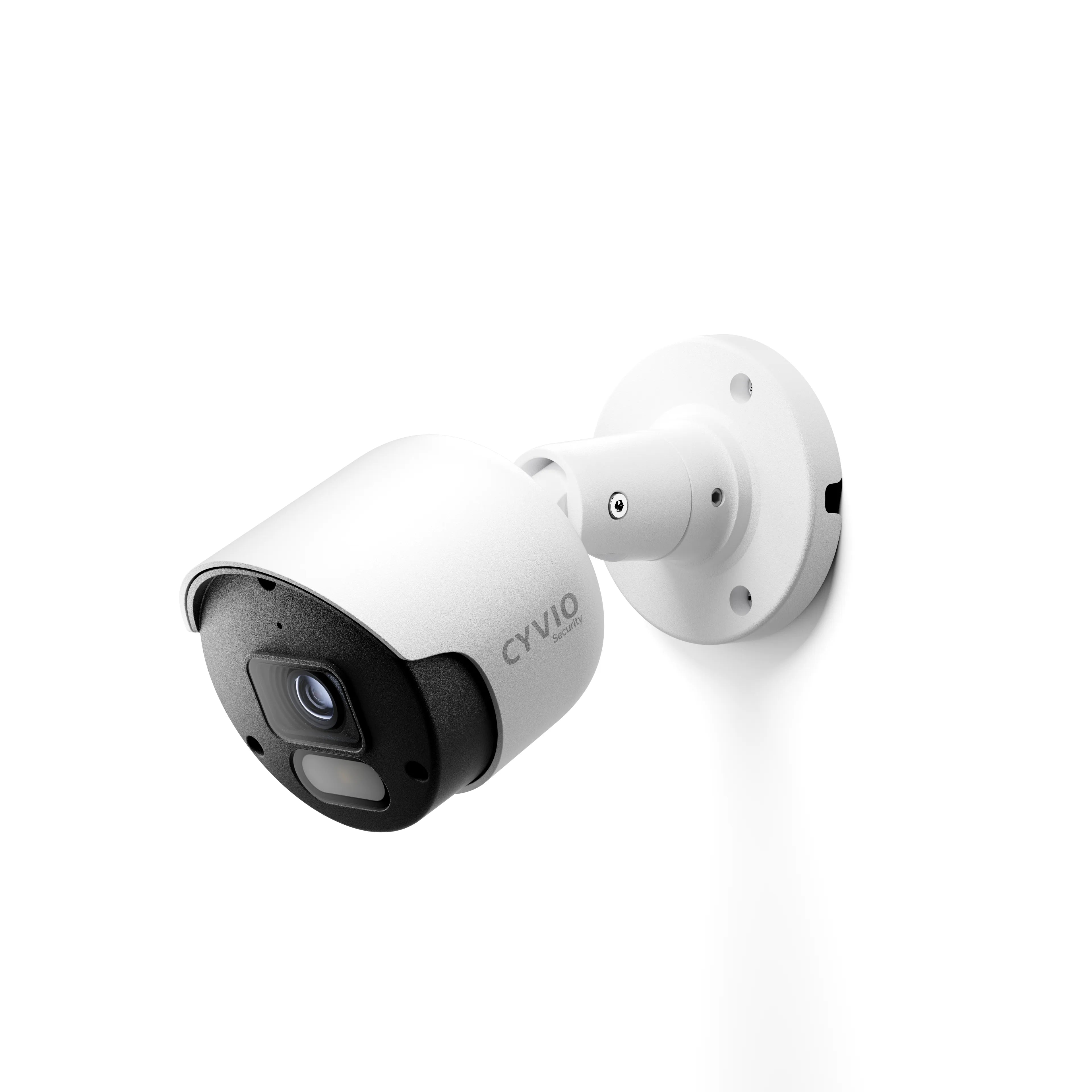
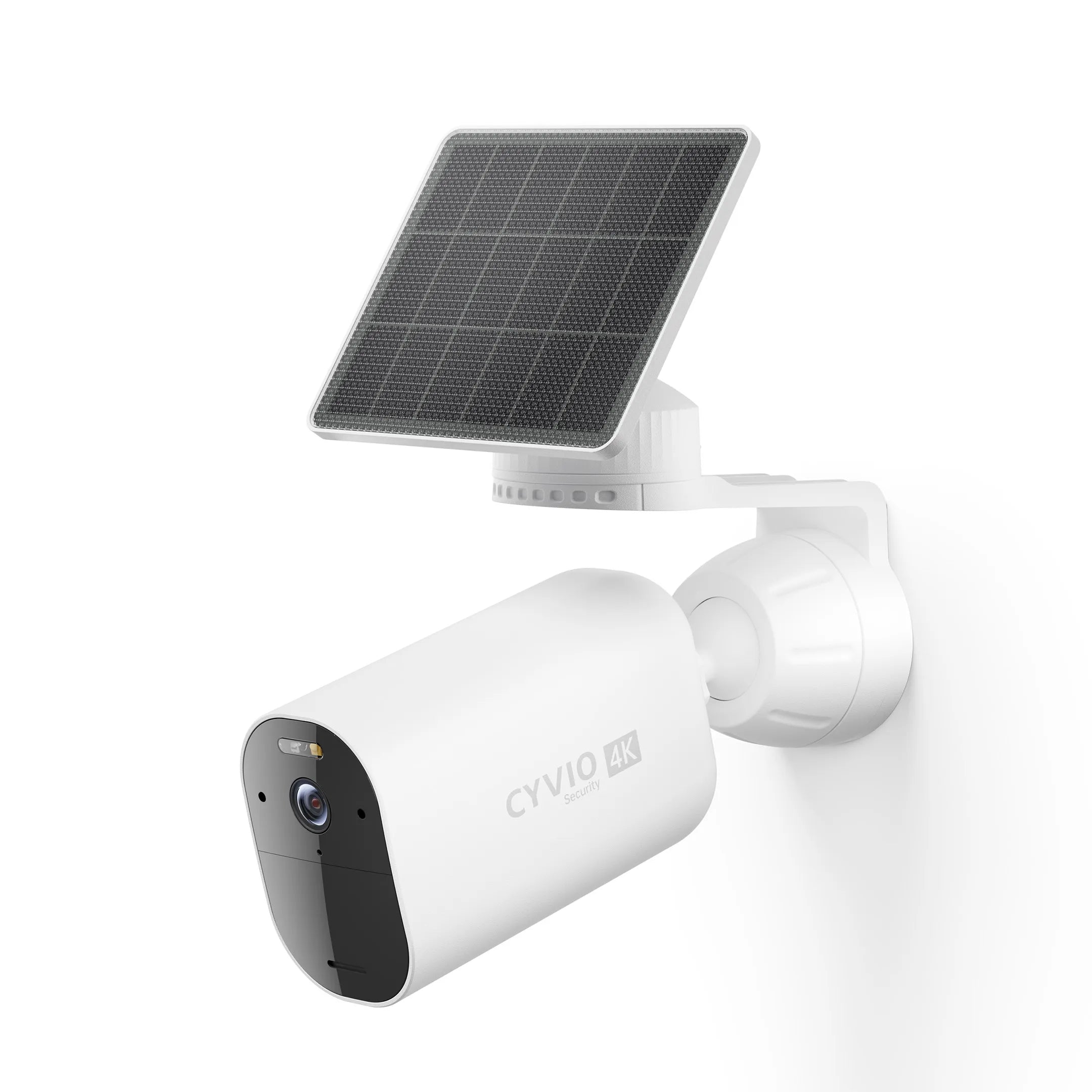
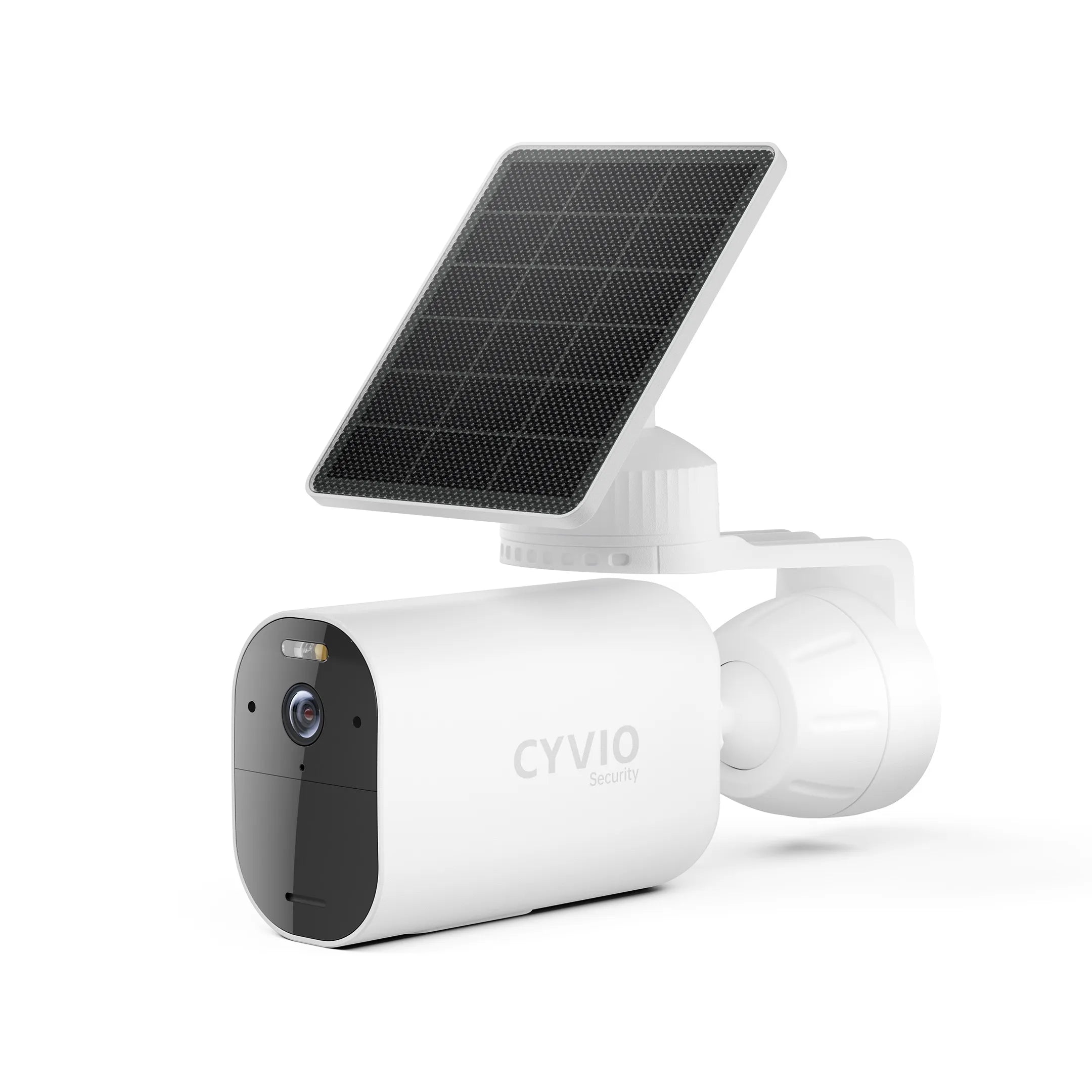
CYVIO outdoor cameras are designed for different installation environments, including battery-powered, solar-powered, and PoE models. Regular cleaning and inspection help maintain their intended performance in outdoor conditions.
Wondering about indoor camera laws? Read more on: Is It Illegal to Have Cameras Inside Your House?
Check Camera Position and Viewing Angle
A camera's effectiveness depends heavily on where it is positioned.
Over time, camera angles may change because of:
-
Loose mounting screws
-
Weather impact
-
Accidental movement
-
Building changes
-
Landscaping growth
During maintenance, check whether cameras still cover important areas such as:
-
Entrances
-
Driveways
-
Walkways
-
Outdoor spaces
-
Indoor monitoring zones
A camera that has shifted slightly may create blind spots or capture an area differently than originally intended.
For CYVIO cameras with adjustable viewing features, such as indoor pan-and-tilt models, users can review camera positioning through the app and adjust the viewing direction when needed.
Want to connect your camera to your phone? Read more on: How to Connect WiFi Camera to Mobile
Inspect Security Camera Cables and Connections
Cable problems are one of the most common causes of camera issues, especially in wired systems.
During maintenance, inspect:
-
Ethernet cables
-
Power cables
-
Connectors
-
Cable covers
-
Connection points
Look for:
-
Loose connections
-
Physical damage
-
Signs of moisture exposure
-
Cable wear
-
Unusual bending or pressure
For PoE security systems, Ethernet cables are especially important because they transmit both power and data.
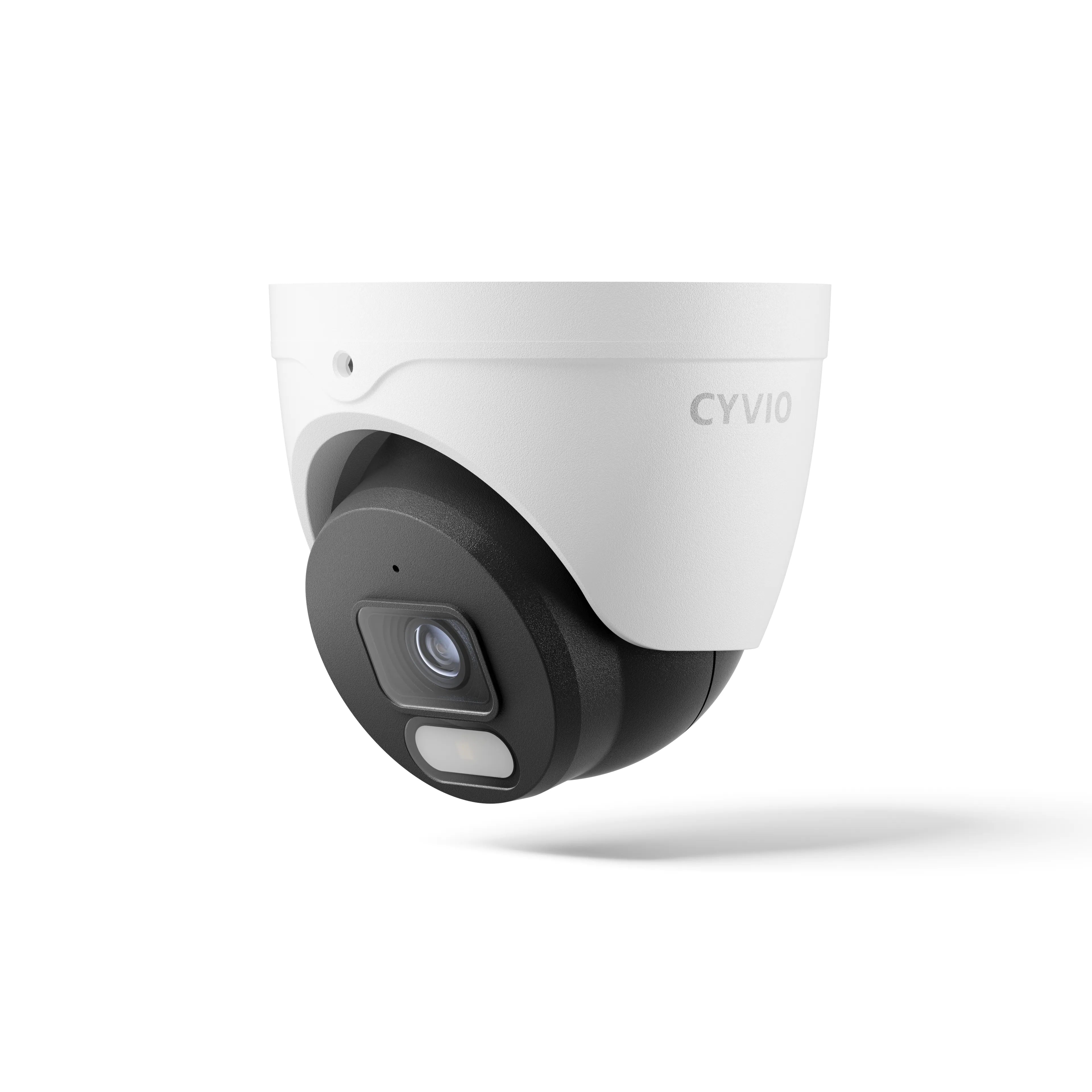
CYVIO PoE systems use Ethernet connections between cameras and recorders, making cable inspection an important part of maintaining stable camera communication.
Check Storage and Recording Settings
A security camera system is only useful if footage is properly recorded and stored.
Regularly check:
-
Available storage space
-
Recording schedules
-
Hard drive status
-
Overwriting settings
-
Playback function
Common storage-related issues include:
-
Full storage capacity
-
Failed hard drives
-
Incorrect recording settings
-
Missing footage due to configuration changes
For example, a system recording continuously will use storage faster than a motion-triggered recording setup.
CYVIO NVR systems support local recording options, allowing users to review storage settings and manage recorded footage based on their monitoring requirements.
Update Camera Firmware and Software
Security cameras rely on firmware and software to control features, compatibility, and system operation.
Regular updates may improve:
-
Device stability
-
App compatibility
-
System functions
-
Performance improvements
Before updating:
-
Confirm the correct camera model
-
Use official manufacturer sources
-
Follow update instructions carefully
-
Avoid interrupting the update process
CYVIO provides firmware and support resources for its camera products, helping users maintain their devices and troubleshoot common system issues.
Worried about cold weather affecting your solar camera? Check out: Do Solar Security Cameras Work in Winter?
Test Remote Viewing and Mobile Apps
Many modern security cameras provide remote access through mobile applications.
During maintenance, check:
-
Mobile app connection
-
Live viewing
-
Notifications
-
Playback access
-
User accounts
Common remote-access problems may come from:
-
Router changes
-
Password updates
-
App updates
-
Network configuration changes
Testing remote access regularly helps identify issues before you need to use the system away from home.
Security Camera Maintenance for Outdoor Systems
Outdoor cameras require additional attention because they are exposed to environmental conditions.
Important outdoor maintenance tasks include:
Inspect Weather Protection
Check:
-
Camera housing
-
Waterproof seals
-
Cable protection
-
Mounting points
Remove Environmental Debris
Clear away:
-
Leaves
-
Spider webs
-
Dust
-
Dirt
-
Insects
Check Temperature Exposure
Extreme heat or cold can affect battery performance, electronics, and storage components.
Battery-powered cameras may require additional attention because battery life depends on usage, temperature, recording settings, and network conditions.
CYVIO offers battery and solar-powered security cameras designed for flexible outdoor placement. Regular checks of battery levels, solar panels, and camera positioning can help maintain reliable operation.
Business Security Camera Maintenance: What Businesses Should Check
Commercial environments often have larger surveillance systems with more cameras, recording devices, and users.
Business security camera maintenance usually requires a more structured approach because systems may include:
-
Multiple camera locations
-
Larger storage requirements
-
More network equipment
-
Several authorized users
-
Continuous recording
Businesses should regularly review:
-
Camera coverage
-
Recording status
-
Storage capacity
-
Network performance
-
User permissions
-
Equipment condition
A maintenance schedule can help organizations identify issues before they affect important monitoring areas.
Common Security Camera Problems and Solutions
Camera Shows a Black Screen
Possible causes:
-
Power issue
-
Loose cable
-
Camera failure
-
Network problem
Solutions:
-
Check power connections
-
Restart equipment
-
Inspect cables
-
Test another connection
Blurry or Poor Image Quality
Possible causes:
-
Dirty lens
-
Incorrect focus
-
Low lighting
-
Camera movement
Solutions:
-
Clean lens
-
Adjust camera position
-
Check lighting conditions
-
Review camera settings
Camera Keeps Disconnecting
Possible causes:
-
Weak network connection
-
Cable problems
-
Router issues
-
Firmware problems
Solutions:
-
Restart network equipment
-
Check cable connections
-
Update firmware
-
Improve network coverage
Missing Recorded Footage
Possible causes:
-
Storage full
-
Recording disabled
-
Hard drive issue
-
Incorrect settings
Solutions:
-
Check recording schedule
-
Review storage capacity
-
Test playback
-
Inspect recorder status
Security Camera Maintenance Checklist
Use this simple checklist for regular inspections:
-
Check live camera views
-
Clean camera lenses
-
Inspect cables and connectors
-
Confirm recording works
-
Review storage capacity
-
Test mobile access
-
Check notifications
-
Update firmware when needed
-
Inspect outdoor housing
-
Review camera angles
-
Remove unnecessary users
-
Confirm system settings
Regular checks help keep your surveillance system organized and easier to manage.
How CYVIO Makes Security Camera Maintenance Easier
CYVIO provides security camera solutions designed with practical monitoring and management features.
CYVIO product categories include:
-
PoE security camera systems
-
WiFi security cameras
-
Battery-powered cameras
-
Solar-powered cameras
-
Indoor cameras
-
Video doorbells
Different camera types require different maintenance approaches.
PoE Systems
PoE systems benefit from regular checks of:
-
Ethernet connections
-
NVR storage
-
Network settingsF
-
Camera status
CYVIO PoE systems combine cameras with NVR recording solutions, providing centralized management for multiple cameras.
Battery-Powered Cameras
Battery cameras require attention to:
-
Battery levels
-
Charging performance
-
Solar panel position
-
Wireless connection
Indoor Cameras
Indoor cameras usually require:
-
Lens cleaning
-
App checks
-
Position review
-
Firmware updates
By following a consistent maintenance routine, users can get better long-term performance from their CYVIO security camera setup.
How to Extend the Lifespan of Your Security Camera System
Besides regular maintenance, several habits can help protect your equipment.
Choose the Right Installation Location
Avoid placing cameras where they face unnecessary:
-
Direct sunlight
-
Heavy water exposure
-
Physical impact risks
-
Obstructions
Protect Network Equipment
Maintain:
-
Router updates
-
Strong passwords
-
Stable network connections
-
Proper device configuration
Monitor System Performance
Pay attention to:
-
Slow playback
-
Delayed notifications
-
Missing recordings
-
Frequent disconnections
Small issues are often easier to address when noticed early.
Frequently Asked Questions About Security Camera Maintenance
1. How often should I clean my security cameras?
Most cameras benefit from cleaning every few months, but outdoor cameras may require more frequent cleaning depending on weather and environmental conditions.
2. Do security cameras need regular maintenance?
Yes. Regular maintenance helps keep cameras, storage systems, and network connections working properly.
3. How do I maintain outdoor security cameras?
Check the housing, clean the lens, inspect cables, review mounting points, and monitor battery or solar performance if applicable.
4. How do I know if my security camera is working properly?
Check live video, recording playback, notifications, storage status, and remote access.
5. Do wireless security cameras need maintenance?
Yes. Wireless cameras still require cleaning, firmware updates, battery checks, and network monitoring.
6. How long do security cameras last?
The lifespan depends on camera quality, environment, usage, installation conditions, and maintenance practices.
Why Security Camera Maintenance Matters
Proper security camera maintenance helps keep your surveillance system reliable, clear, and ready for everyday monitoring needs. From cleaning lenses and checking cables to updating firmware and reviewing storage, regular care can improve camera performance and help identify problems before they become bigger issues.
Whether you use a small home setup or a larger business surveillance system, maintenance should be part of your long-term security plan. CYVIO offers a range of camera solutions, including PoE, WiFi, battery-powered, solar, and video doorbell products, designed for different monitoring environments.
By combining the right camera system with consistent maintenance practices, you can create a more dependable and manageable surveillance solution for your property.