









How Do Security Cameras Work? Complete Guide for Homes

Security cameras protect homes and businesses by recording activities and providing real-time monitoring.
But how do security cameras work? They capture video through a lens, process the footage, and store it on an SD card, DVR/NVR system, or cloud platform.
This guide explains how security cameras work, how different systems operate, and how CYVIO security cameras help protect your property.
How Do Security Cameras Work? Understanding the Basic
At the most basic level, security cameras follow a simple process:
Capture → Process → Transmit → Store → Monitor
Each step plays an important role in creating a complete surveillance system.
1. Capturing Images Through the Camera Lens
The first step in understanding how do security cameras work is knowing how cameras capture images.
Every security camera contains several essential components:
-
Camera lens: Collects light and determines the viewing angle.
-
Image sensor: Converts incoming light into digital signals.
-
Processor: Converts raw image data into usable video.
-
Infrared LEDs: Provide night vision in low-light environments.
-
Microphone: Records audio on supported models.
When an object or person moves within the camera's viewing area, light reflects from the object and enters through the camera lens. The image sensor then converts this light into electronic data.
Most modern security cameras use either:
CMOS Image Sensors
CMOS (Complementary Metal-Oxide Semiconductor) sensors are widely used because they provide:
-
Faster image processing
-
Lower power consumption
-
Better performance for smart cameras
-
Affordable manufacturing costs
The camera processor then analyzes and compresses the video before sending it to storage or a connected device.
The Main Components of a Security Camera System
To fully understand how do security camera systems work, it is important to understand the different parts that work together.
A complete security camera system usually includes:
1. Security Cameras
The camera is the main device responsible for capturing video.
Different cameras are designed for different environments:
Indoor Security Cameras
Indoor cameras are designed for monitoring spaces such as:
-
Living rooms
-
Offices
-
Baby rooms
-
Entry areas
They are usually smaller and focus on features such as:
-
Two-way audio
-
Motion detection
-
Mobile viewing
-
Privacy protection
Outdoor Security Cameras
Many users ask how do outdoor security cameras work because outdoor cameras face more challenges than indoor cameras.
Outdoor security cameras are built to handle:
-
Rain
-
Dust
-
Temperature changes
-
Direct sunlight
-
Darkness
They usually include:
-
Weather-resistant housing
-
Infrared night vision
-
Wide-angle lenses
-
Motion detection
-
Stronger network connections
For example, an outdoor camera installed at a home's entrance can detect movement, record visitors, and send instant notifications to a smartphone.
How Do Video Surveillance Cameras Work?
Many people use the terms security camera and surveillance camera interchangeably, but video surveillance systems usually refer to a larger network of cameras designed for continuous monitoring.
So, how do video surveillance cameras work?
A video surveillance camera system typically includes:
-
Multiple cameras
-
A recording device
-
Network connections
-
Monitoring software
-
Storage solutions
Unlike a single standalone camera, surveillance systems are designed to manage multiple video streams at the same time.
For example, a business may install several cameras:
-
Front entrance camera
-
Parking lot camera
-
Warehouse camera
-
Office camera
All cameras send video feeds to a central recording system, allowing security teams to review footage whenever necessary.
Modern IP surveillance cameras use internet protocols to transfer video data through networks. This allows users to access live footage remotely using computers, tablets, or smartphones.
How Do Home Security Cameras Work?
One of the most common questions homeowners ask is how do home security cameras work?
Home security cameras operate similarly to professional surveillance systems but are designed to be easier to install and use.
A typical home security camera system works through the following steps:
Step 1: The Camera Detects Activity
Home cameras continuously monitor the surrounding area.
When movement occurs, built-in sensors detect changes in the environment.
Examples include:
-
A person walking near the front door
-
Someone entering a room
-
A vehicle approaching the driveway
Many modern cameras use advanced motion detection technology to reduce false alarms caused by:
-
Moving trees
-
Small animals
-
Weather changes
Step 2: The Camera Records Video
Once activity is detected, the camera records video footage.
Depending on the camera type, recording can happen:
Continuous Recording
The camera records 24/7.
Advantages:
-
Captures every event
-
Useful for businesses and high-security locations
Disadvantages:
-
Requires more storage space
Motion-Based Recording
The camera only records when movement is detected.
Advantages:
-
Saves storage space
-
Easier to review important events
-
More efficient for home users
Many smart home security cameras combine motion detection with AI technology to identify important events.
Step 3: Video Is Stored and Accessed
After recording, video footage needs to be stored.
There are several common storage methods:
Local Storage
Many cameras support:
-
MicroSD cards
-
Hard drives
-
DVR systems
-
NVR systems
Local storage provides users with direct control over their footage.
Cloud Storage
Cloud-based cameras upload recordings to online servers.
Benefits include:
-
Remote access
-
Backup protection
-
Easy video sharing
However, cloud storage usually requires a subscription plan.
Wired vs Wireless Security Cameras: How They Work Differently
Another important factor when learning how do security cameras work is understanding the difference between wired and wireless systems.
Wired Security Cameras
Wired cameras transmit video through physical cables.
Common types include:
-
Analog cameras
-
HD coaxial cameras
-
PoE IP cameras
PoE (Power over Ethernet) cameras are popular because one Ethernet cable can provide:
-
Internet connection
-
Video transmission
-
Power supply
Advantages of wired cameras:
-
Stable connection
-
Higher reliability
-
Suitable for large properties
Disadvantages:
-
More complex installation
-
Requires cable management
Wireless Security Cameras
Wireless cameras transmit video through Wi-Fi networks.
They are popular for homes because they are:
-
Easy to install
-
Flexible to position
-
Suitable for renters
-
Accessible through smartphones
However, wireless cameras depend on:
-
Wi-Fi signal strength
-
Battery life (for battery-powered models)
-
Network reliability
Many modern wireless cameras combine Wi-Fi connectivity with rechargeable batteries, allowing installation in locations without nearby power outlets.
=> Maybe you'll be interested in: Security Camera Installation: Complete Guide 2026
DVR vs NVR: How Security Camera Recording Works
After cameras capture video footage, the next important step is storing and managing that information. To understand how do security camera systems work, it is necessary to understand the role of recording devices.
Traditionally, security systems use two main types of recorders: DVR (Digital Video Recorder) and NVR (Network Video Recorder). Both devices allow users to save, review, and manage surveillance footage, but they process video in different ways.
DVR Security Systems
A DVR system is commonly used with traditional analog security cameras.
In a DVR setup:
-
The camera captures analog video.
-
The video signal travels through coaxial cables to the recorder.
-
The DVR converts the analog signal into digital video.
-
The footage is compressed and stored on a hard drive.
DVR systems have been used for many years because they are reliable and affordable. They are often suitable for basic surveillance needs such as small businesses, warehouses, or residential properties.
However, because video processing happens inside the recorder, DVR cameras usually require more cabling and have fewer advanced smart features compared with newer IP camera systems.
NVR Security Systems
NVR systems work differently because they use network-based IP cameras.
With an NVR system:
-
The camera captures digital video directly.
-
The footage is processed inside the camera.
-
Video data is transmitted through an internet network.
-
The NVR stores and manages the recorded footage.
This technology provides several advantages:
-
Higher video resolution
-
Easier remote access
-
Better scalability
-
Support for advanced AI features
Many modern security solutions use NVR technology because it works well with high-resolution cameras, including 2K and 4K security cameras.
For homeowners looking for professional-level protection, an NVR system combined with PoE cameras can provide stable performance and long-term reliability.
How Security Cameras Use Internet Connections
A major reason modern cameras are more convenient than older systems is their ability to connect to the internet.
So, how does a connected camera send footage to your phone?
The process usually works like this:
-
The camera captures video.
-
The camera compresses the footage into a smaller digital file.
-
The video travels through Wi-Fi or Ethernet connections.
-
A mobile application receives the information.
-
Users can view live footage or recorded videos remotely.
This technology allows homeowners to check their property even when they are away.
For example, a homeowner traveling outside the city can receive an alert when someone approaches their front door and immediately open the mobile app to see what is happening.
Smart Features in Modern Security Cameras
Traditional cameras mainly focused on recording video. Today, smart cameras can analyze what they see and provide more useful information.
These intelligent features have changed the way people use surveillance technology.
Motion Detection
Motion detection is one of the most common features in modern cameras.
Instead of recording everything continuously, the camera can identify movement and notify users only when activity occurs.
Benefits include:
-
Reduced unnecessary recordings
-
Faster alerts
-
Less storage usage
Advanced cameras can adjust motion sensitivity to avoid unnecessary notifications from harmless movements.
AI Human Detection
Many newer security cameras use artificial intelligence to recognize different types of movement.

For example, AI technology can distinguish between:
-
A person walking near the property
-
A vehicle entering a driveway
-
An animal passing through the camera view
This helps reduce false alarms and makes security notifications more accurate.
For residential users, this feature is especially useful because it allows cameras to focus on meaningful events rather than every small movement.
Night Vision: How Security Cameras Work in the Dark
One of the biggest challenges for surveillance systems is capturing clear footage at night.
This is why most security cameras include infrared (IR) night vision technology.
During low-light conditions:
-
Infrared LEDs around the camera activate.
-
The LEDs emit invisible infrared light.
-
The camera sensor captures the reflected light.
-
The camera creates a visible black-and-white image.
Modern cameras can also use color night vision technology, which combines advanced sensors and additional lighting to produce clearer nighttime images.
Night vision is especially important for outdoor security because many incidents happen during evening or nighttime hours.
Two-Way Audio and Communication Features
Many modern home security cameras are no longer only recording devices. They also allow communication between users and people near the camera.
Two-way audio systems include:
-
Built-in microphones
-
Speakers
-
Mobile application controls
Users can:
-
Speak with visitors at the door
-
Communicate with family members
-
Warn unwanted visitors
-
Monitor children or pets
For example, a video doorbell camera allows homeowners to answer the door remotely without physically opening it.
How Outdoor Security Cameras Work in Different Environments
Outdoor surveillance requires cameras that can operate reliably under challenging conditions.
When people ask how do outdoor security cameras work, the answer involves more than just video recording.
Outdoor cameras need protection against:
Weather Conditions
Outdoor models are usually designed with weather-resistant materials to protect internal components from:
-
Rain
-
Humidity
-
Dust
-
Extreme temperatures
Many outdoor cameras use IP ratings, such as IP65 or IP66, to indicate resistance against water and dust.
Wide Coverage Areas
Outdoor cameras often use wider lenses compared with indoor models.
Common installation locations include:
-
Front doors
-
Driveways
-
Gardens
-
Garages
-
Building entrances
Wide-angle views help reduce blind spots and allow a single camera to monitor larger areas.
Stable Power Solutions
Outdoor cameras can use different power options:
- Wired Power: Provides continuous operation and is suitable for permanent installations.
- Battery Power: Provides flexible installation without requiring electrical wiring.
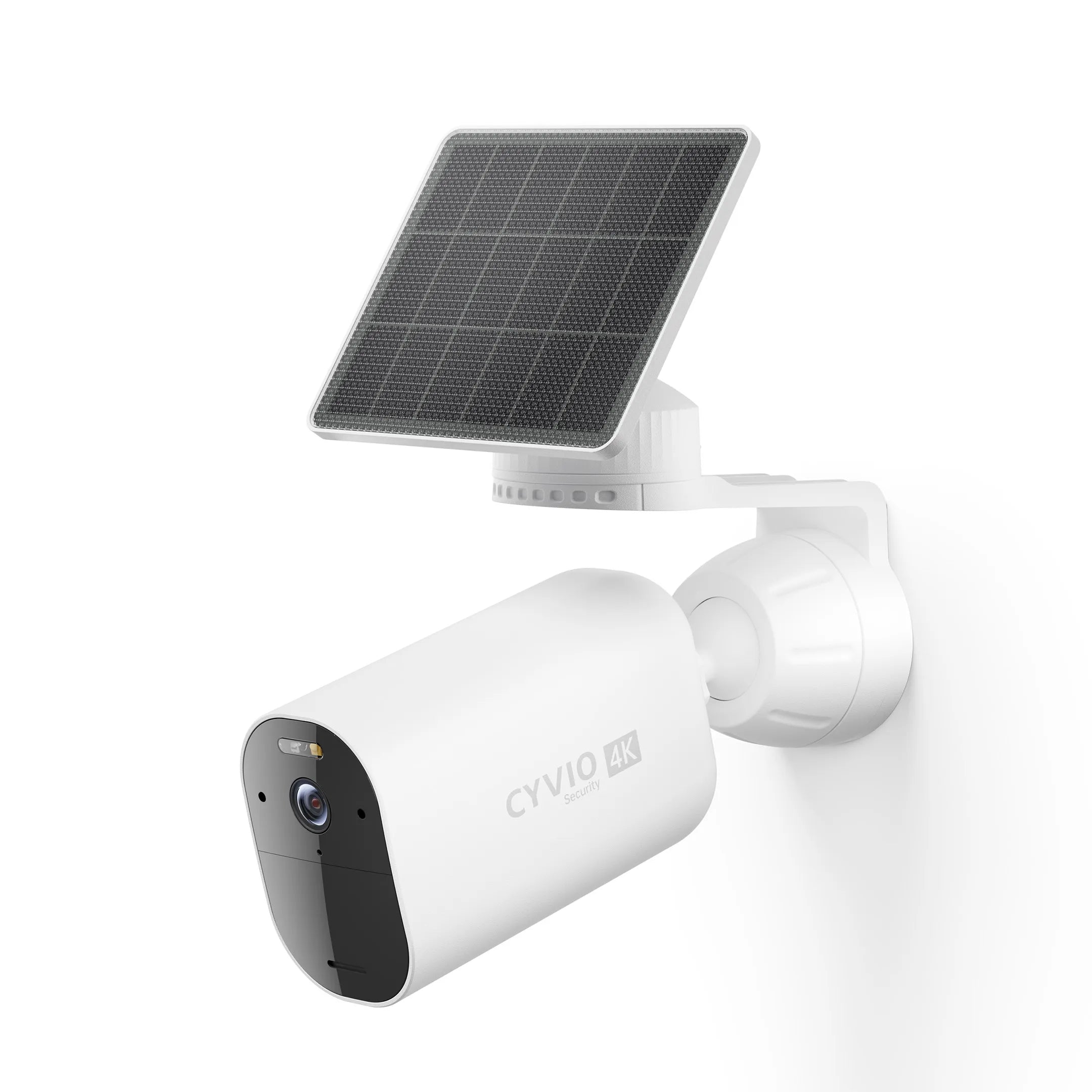
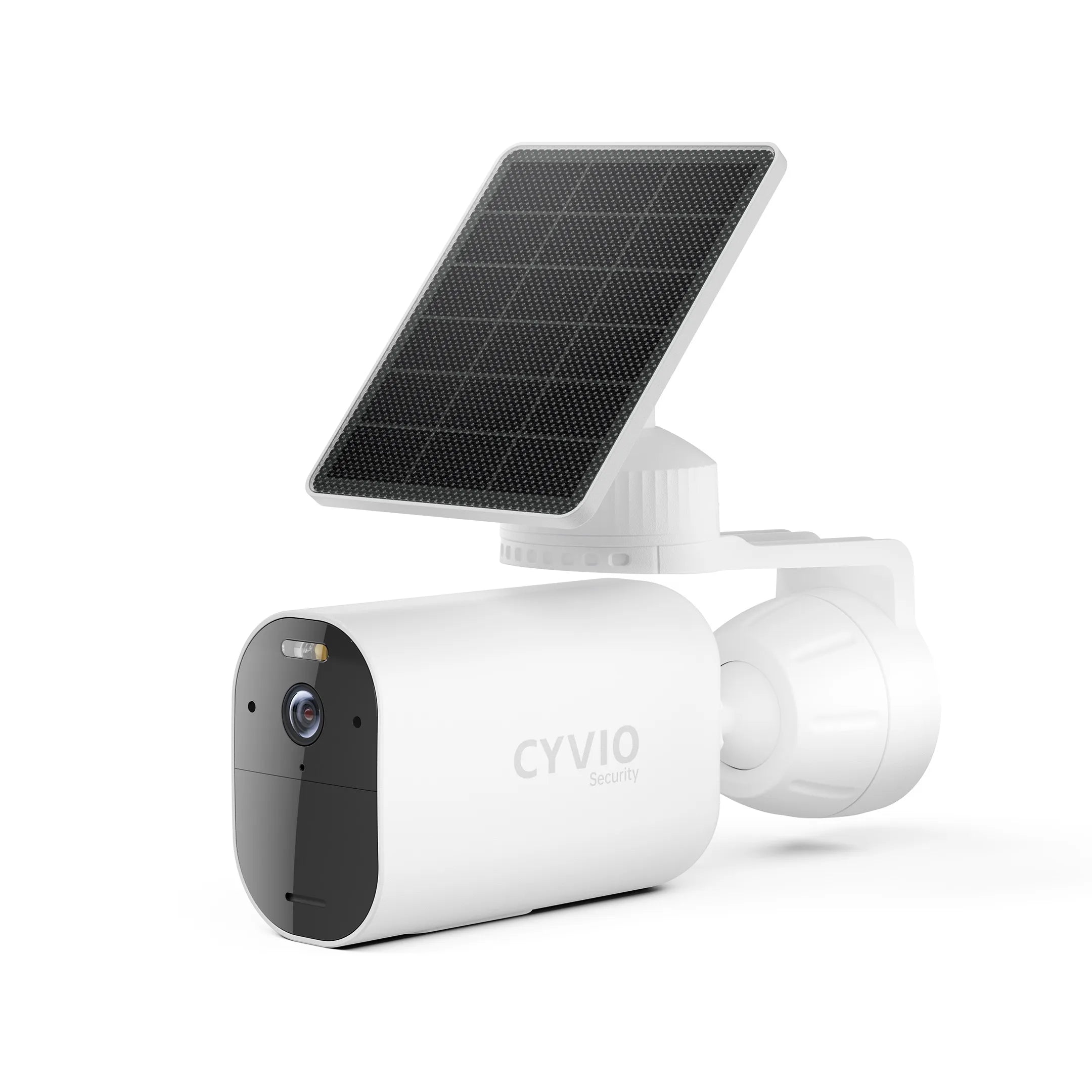
- Solar Power: Some outdoor cameras include solar panels that help maintain battery levels and support long-term operation.
How to Choose the Right Security Camera System
Choosing the right camera depends on your property, security goals, and installation requirements.
Before purchasing a system, consider the following factors:
1. Camera Location
Different locations require different camera types.
Examples:
-
Indoor monitoring → compact Wi-Fi cameras
-
Front door protection → video doorbells
-
Large outdoor areas → weather-resistant cameras
-
Commercial properties → multi-camera systems
2. Video Resolution
Higher resolution provides clearer images.
Common options include:
-
1080p Full HD
-
2K resolution
-
4K Ultra HD
Higher-resolution cameras are especially useful when identifying details such as faces, license plates, or objects.
3. Storage Options
Consider whether you prefer:
-
Local storage
-
Cloud storage
-
NVR recording
-
Hybrid solutions
The right choice depends on how long you want to keep recordings and how frequently you need access.
CYVIO Security Camera Solutions: Reliable Protection for Modern Homes
After understanding how do security cameras work, choosing a reliable security camera brand is the next important step.
CYVIO provides a range of smart security solutions designed for modern homes and properties. The brand focuses on combining reliable hardware, easy installation, and intelligent monitoring features.
CYVIO products are designed for users who want convenient protection without complicated setup.
CYVIO Indoor Security Cameras
CYVIO indoor cameras are designed for monitoring important areas inside homes.
They are suitable for:
-
Living rooms
-
Bedrooms
-
Baby monitoring
-
Pet monitoring
-
Home offices
Key features include:
-
High-quality video recording
-
Motion detection
-
Two-way audio communication
-
Mobile app access
-
Smart monitoring capabilities
These cameras provide an easy way for homeowners to stay connected with their homes anytime.
CYVIO Video Doorbell Camera
A video doorbell provides an additional layer of protection at the entrance of a property.
CYVIO video doorbell solutions allow users to:
-
See visitors before opening the door
-
Receive instant notifications
-
Communicate remotely through two-way audio
-
Monitor package deliveries
This makes video doorbells especially useful for modern households where convenience and security are equally important.
CYVIO Wireless Battery Security Cameras
For locations where wiring is difficult, CYVIO battery-powered cameras offer a flexible solution.
These cameras are suitable for:
-
Outdoor areas
-
Garages
-
Gardens
-
Temporary monitoring locations
Benefits include:
-
Simple installation
-
Wireless operation
-
Flexible placement
-
Remote monitoring through mobile devices
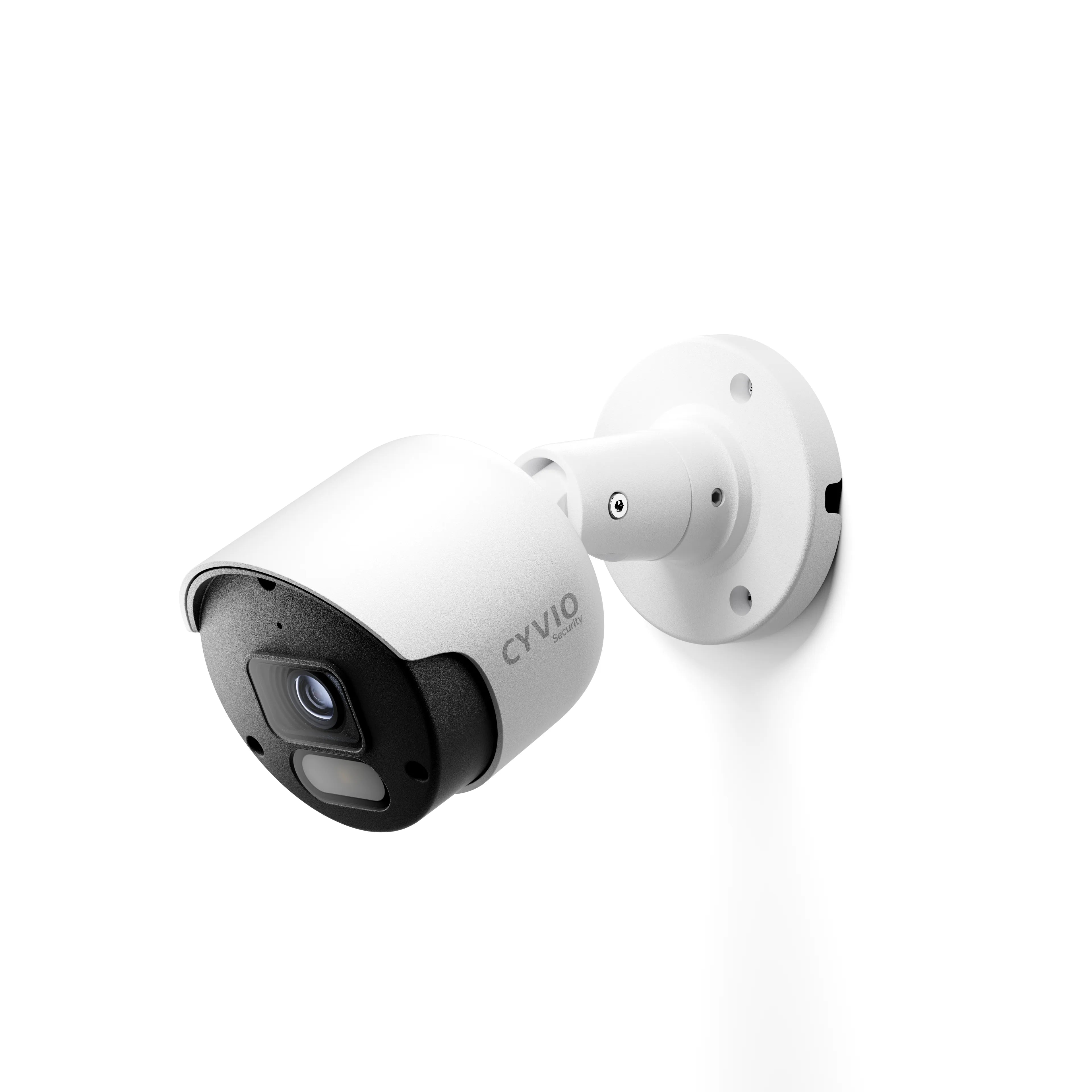
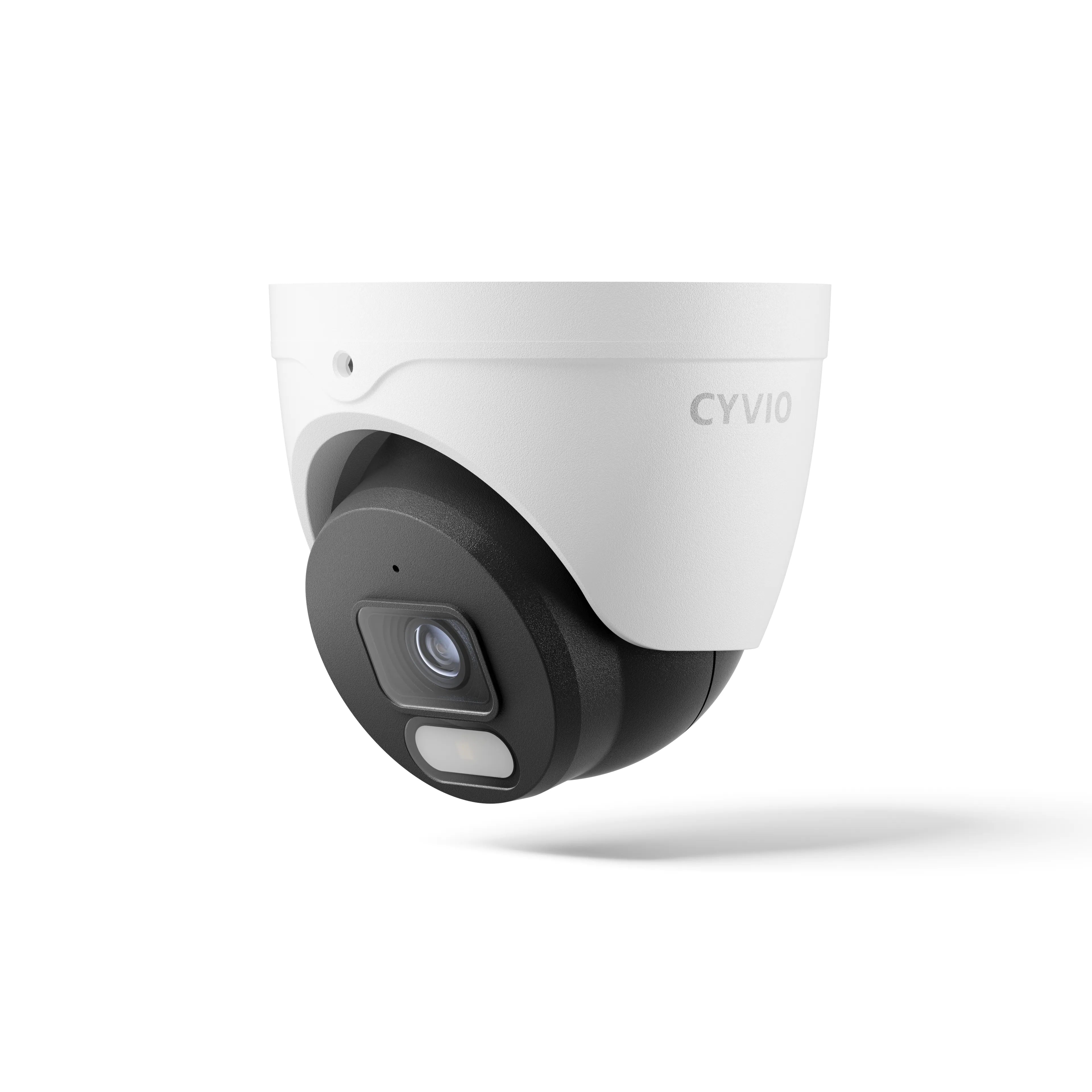
CYVIO PoE Security Camera Systems
For users who need stronger and more stable surveillance, CYVIO PoE security camera systems provide a professional solution.
PoE technology allows cameras to receive power and transmit video through a single Ethernet cable.
Advantages include:
-
Reliable wired connection
-
High-quality video transmission
-
Reduced cable complexity
-
Suitable for larger properties
PoE systems are ideal for homeowners and businesses that require continuous monitoring and dependable performance.
Need Help With Your Order? Track your CYVIO order or contact our support team for assistance with delivery updates and product questions.
Understanding How Security Cameras Work
Understanding how do security cameras work helps homeowners make better decisions when choosing a surveillance solution.
Modern security cameras combine advanced imaging technology, network connectivity, smart detection, and convenient storage options to provide effective protection.
Whether you need indoor monitoring, outdoor security, video doorbells, wireless cameras, or professional PoE systems, choosing the right solution depends on your property's needs.
With reliable products, smart features, and flexible installation options, CYVIO security cameras provide a practical way to improve home security and stay connected wherever you are.
Protect your workplace with reliable CYVIO security solutions. Contact our team to find the right camera system for your business needs.