









Where to Place Security Cameras: Best Locations for Home Protection

Knowing where to place security cameras is the first step to creating a smarter and more effective home protection system. The right camera location helps eliminate blind spots, capture important activity, and improve overall security coverage.
From front doors to driveways and indoor spaces, strategic placement ensures your cameras work when you need them most. With CYVIO smart security cameras, protecting your home becomes easier, more reliable, and convenient.
Why Camera Placement Matters for Home Security?
The effectiveness of a security camera depends heavily on its location. Even a high-quality camera may not provide useful footage if it is installed in the wrong place.
Good placement helps you:
-
Monitor important entry points
-
Reduce blind spots around your property
-
Capture clear images of visitors and activity
-
Protect valuable areas inside and outside the home
-
Improve response time when suspicious activity occurs
When planning where to place home security cameras, homeowners should focus on areas where security risks are highest rather than installing cameras randomly throughout the property.
A well-designed camera layout balances coverage, privacy, lighting conditions, and accessibility.
Best Places to Install Security Cameras Around Your Home
1. Front Door: The Most Important Camera Location
The front entrance is one of the most important areas to monitor because many visitors, deliveries, and unwanted activities happen here.

A front door camera can help you:
-
Identify people approaching your home
-
Monitor package deliveries
-
Record visitors before opening the door
-
Capture suspicious behavior near the entrance
When deciding where to put security cameras, the front door should usually be the first location to consider.
For the best view:
-
Install the camera above eye level
-
Avoid pointing directly toward strong sunlight
-
Make sure the entrance area is fully visible
-
Position the camera to capture faces clearly
A smart camera from CYVIO can help homeowners monitor their entrances remotely while keeping daily security simple and convenient.
2. Driveway and Garage Areas
Driveways and garages are common areas where vehicles, tools, bicycles, and other valuable items are stored. Monitoring these spaces can help prevent theft and provide important footage if something happens.
When considering where to place security cameras on house, outdoor areas such as driveways should be included in your security plan.
Recommended camera positions include:
-
Above the garage door
-
Facing the driveway entrance
-
Near parking areas
-
Covering pathways leading to the garage
A driveway camera allows homeowners to see arriving vehicles, unfamiliar visitors, and activity around the property.
For better coverage, place cameras high enough to prevent tampering while maintaining a clear viewing angle.
3. Backyard and Side Entrances
Backyards and side areas are often overlooked, but they can become hidden access points for unwanted visitors.
Installing cameras in these locations helps monitor:
-
Back doors
-
Side gates
-
Outdoor storage areas
-
Patios
-
Garden spaces
Many homeowners ask where to place outdoor security cameras because outdoor areas usually have more blind spots than indoor spaces.
For outdoor installation, choose locations that:
-
Cover entry paths
-
Avoid obstacles like trees or walls
-
Have protection from extreme weather
-
Provide enough lighting at night
CYVIO outdoor security solutions are designed to support reliable monitoring in different home environments, helping users keep important outdoor areas visible.
4. Garage and Workshop Areas
Garages often contain expensive equipment, vehicles, tools, and personal belongings. A dedicated camera can provide additional protection for these valuable spaces.
Good garage camera locations include:
-
Inside the garage facing storage areas
-
Above the garage entrance
-
Near side doors or windows
If you are deciding where to put cctv cameras, garages should be considered because they are frequently targeted areas and often connected directly to the home.
A properly positioned camera can help homeowners monitor activity and quickly identify unusual movement.
5. Main Hallways and Common Indoor Areas
Indoor cameras are useful for monitoring important living spaces, especially when homeowners want additional visibility while away.
Recommended indoor locations include:
-
Living rooms
-
Main hallways
-
Entry areas
-
Home offices
These locations provide wider coverage and allow homeowners to monitor movement throughout the home.
However, cameras should always respect personal privacy. Avoid placing cameras in private areas such as bathrooms or bedrooms unless there is a specific safety reason.
6. Home Office and Valuable Storage Areas
Many homes now include workspaces containing computers, documents, and expensive equipment.
A camera in a home office can help protect:
-
Electronics
-
Important documents
-
Business equipment
-
Personal valuables
When choosing the best places to install security cameras, focus on areas where valuable items are stored or where unauthorized access would create a security concern.
How to Choose the Best Camera Angle and Height
Camera placement is not only about location. The angle and installation height also affect image quality.
Recommended Camera Height
Most security cameras work best when installed:
-
Around 8–10 feet above ground level
-
High enough to prevent easy damage
-
Low enough to capture useful details
Installing cameras too high may only capture the top of someone's head, while installing them too low makes them easier to damage.
Avoid Common Camera Placement Mistakes
Many security problems happen because cameras are installed incorrectly.
Avoid these mistakes:
Blocking the Camera View
Objects such as:
-
Trees
-
Decorations
-
Walls
-
Outdoor furniture
can create blind spots.
Always check the camera view before final installation.
Pointing Cameras Toward Bright Lights
Direct sunlight, streetlights, or strong indoor lighting can reduce image quality.
Place cameras where they can capture clear images without excessive glare.
Installing Cameras Too Close to the Target Area
A camera facing directly at a door or object may not provide enough surrounding visibility.
A slightly wider angle often creates better overall coverage.
How Many Security Cameras Does a Home Need?
The number of cameras depends on:
-
Property size
-
Number of entrances
-
Outdoor areas
-
Security goals
-
Budget
A basic home setup usually includes:
-
One camera at the front door
-
One camera covering the driveway
-
One camera monitoring the backyard
-
Indoor cameras for important rooms
Larger homes may require additional cameras to eliminate blind spots.
The goal is not to install the maximum number of cameras but to create efficient coverage in the most important areas.
Indoor vs Outdoor Security Camera Placement
Choosing between indoor and outdoor cameras depends on what you want to protect.
Outdoor Camera Placement
Outdoor cameras are designed to monitor:
-
Entrances
-
Driveways
-
Gardens
-
Gates
-
Exterior walls
They usually require weather-resistant designs and wider viewing angles.
Indoor Camera Placement
Indoor cameras are useful for:
-
Monitoring family areas
-
Checking pets
-
Protecting valuables
-
Watching activity while away
A complete security system often combines both indoor and outdoor cameras for better protection.
Choosing the Right Security Camera System for Your Home
After understanding the best places for security cameras, the next step is selecting reliable equipment that matches your needs.
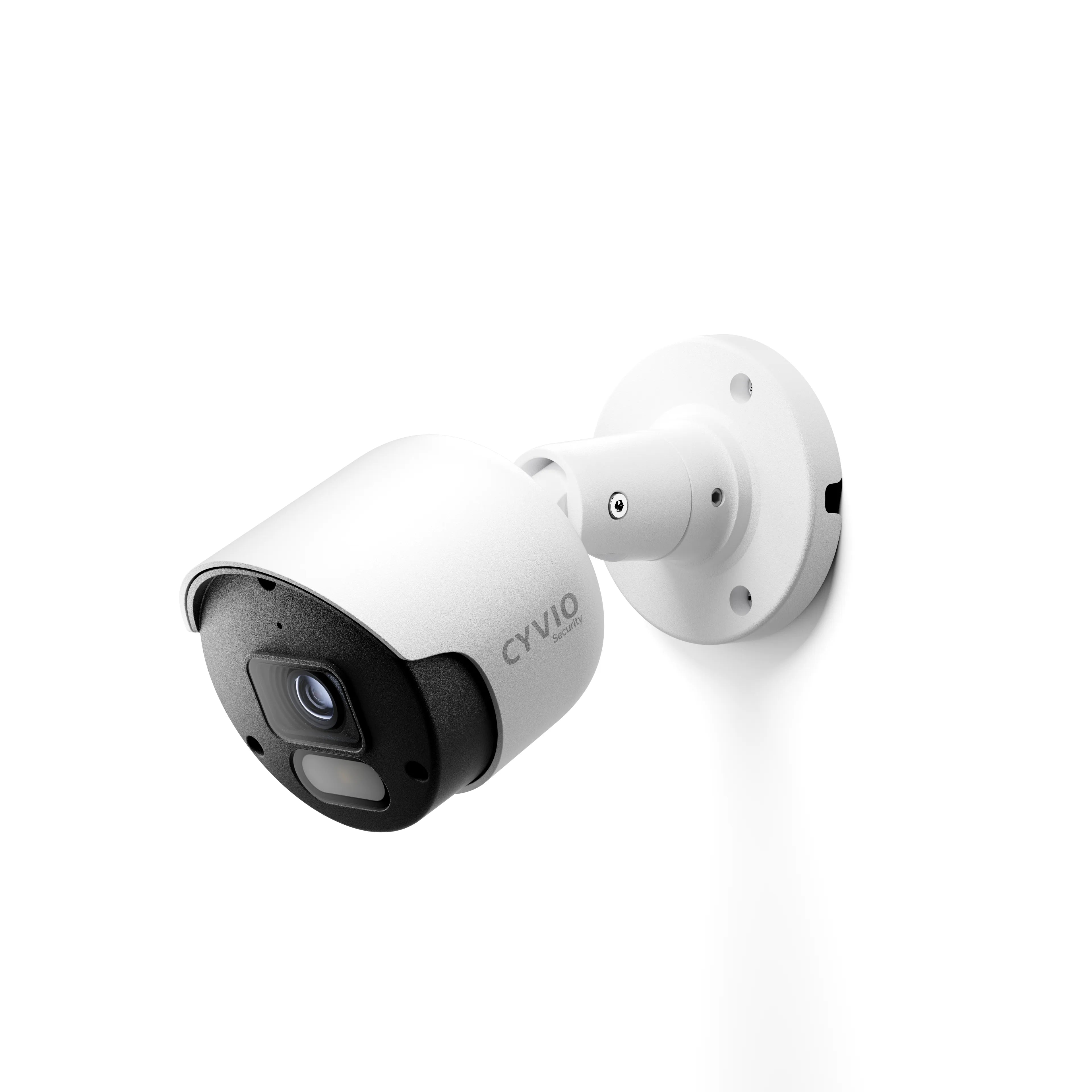
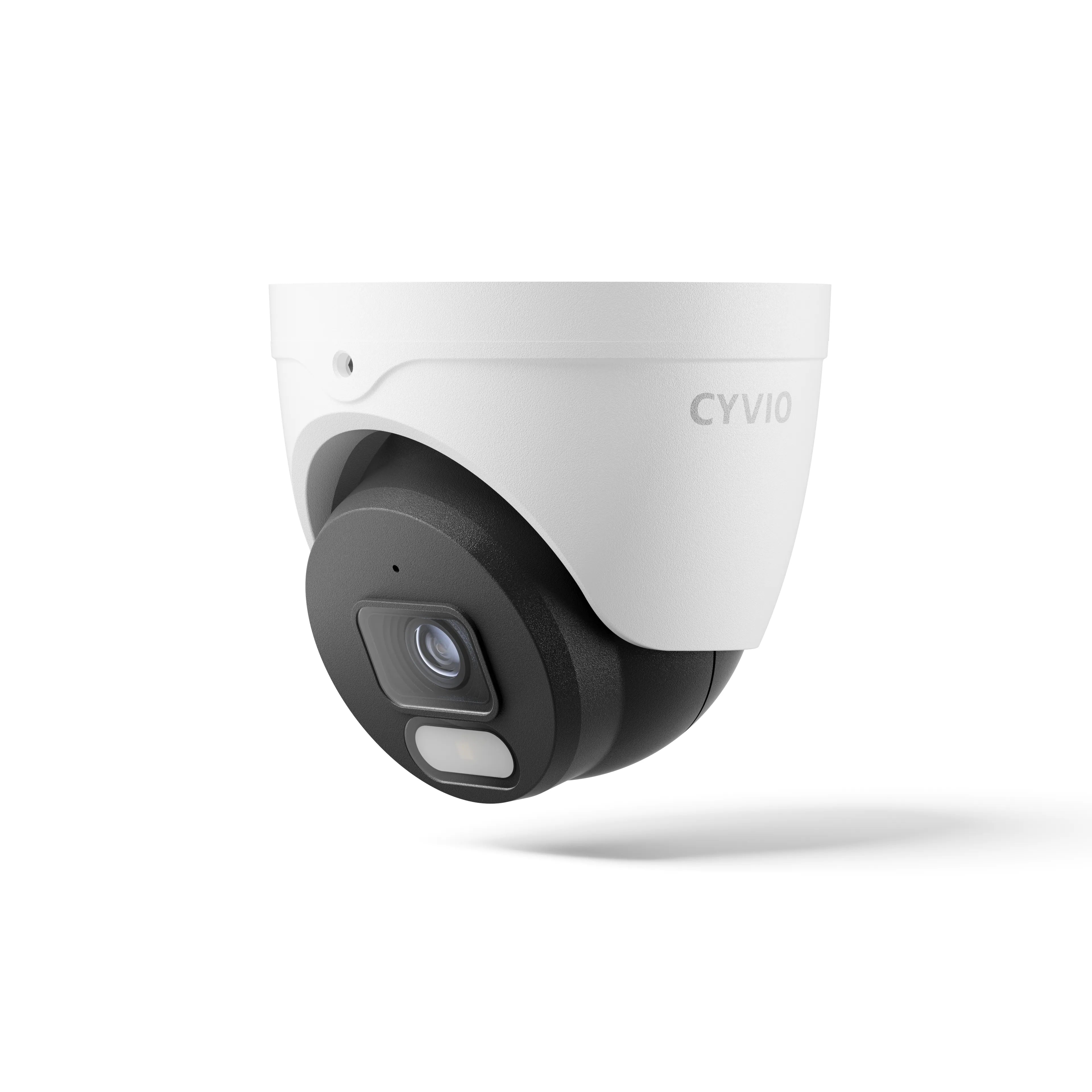
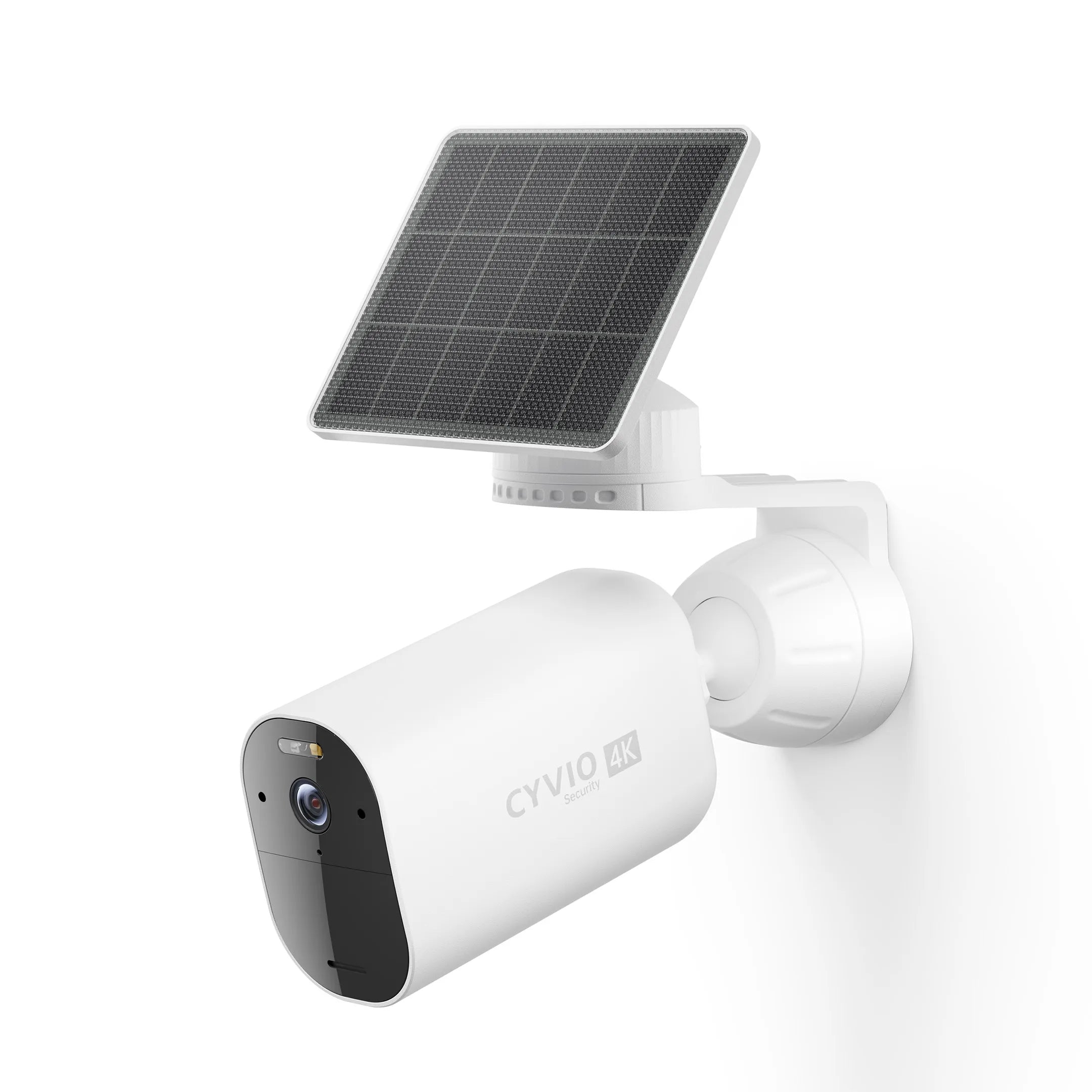
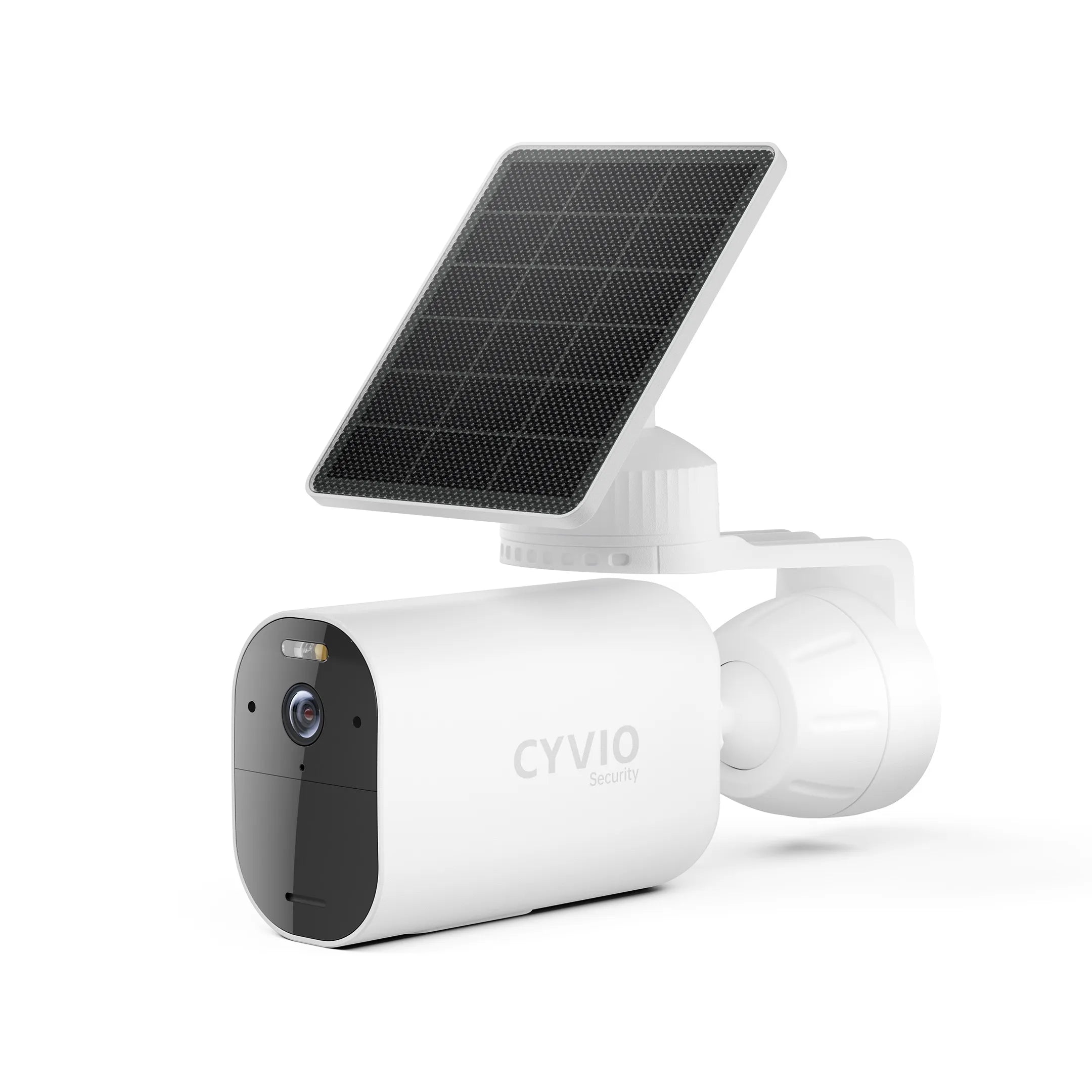
CYVIO provides smart security camera solutions designed for modern homes. Its products focus on making home monitoring simple through:
-
Easy installation
-
Reliable video monitoring
-
Smart security features
-
Convenient home protection
Whether you need a camera for your front entrance, backyard, garage, or indoor spaces, CYVIO helps homeowners create a more connected and secure living environment.
A good security system combines the right camera technology with strategic placement to provide effective protection.
Final Tips for Installing Security Cameras
Before installing your cameras, remember these important tips:
-
Identify your highest-risk areas first
-
Cover all main entrances
-
Reduce blind spots around your property
-
Consider lighting conditions
-
Install cameras at the correct height
-
Choose locations that protect privacy
-
Test camera angles before permanent installation
Planning carefully ensures your cameras provide useful footage when you need it most.
Discover CYVIO refurbished products and enjoy reliable security solutions at a better value.
Need More Help Setting Up Your Security Cameras?
Proper camera placement is only one part of building an effective home security system. Explore the CYVIO Help Blogs for more practical guides, setup tips, and how-to resources to help you get the most from your security cameras.
Conclusion
Knowing where to place security cameras is essential for creating an effective home protection system. The front door, driveway, garage, backyard, side entrances, and important indoor areas are some of the most valuable locations to monitor.
Instead of installing cameras randomly, homeowners should focus on strategic placement that improves visibility and reduces security risks. With reliable solutions from CYVIO, creating a smarter and safer home monitoring system becomes easier.
By choosing the right locations and using quality security equipment, you can build a security setup that provides better protection, convenience, and peace of mind every day.
Join the CYVIO Affiliate Program and earn rewards by sharing smart security solutions with your audience.