









Indoor vs Outdoor Security Cameras: Key Differences and Which One You Need

Choosing the right security camera depends on where you want to monitor and what level of protection your home requires. Understanding indoor vs outdoor security cameras helps homeowners choose the right device for different spaces, environments, and security needs.
Indoor and outdoor cameras are designed with different features, from weather resistance and durability to viewing angles and smart detection capabilities. While indoor cameras focus on monitoring activities inside the home, outdoor cameras are built to handle external conditions and protect entry points.
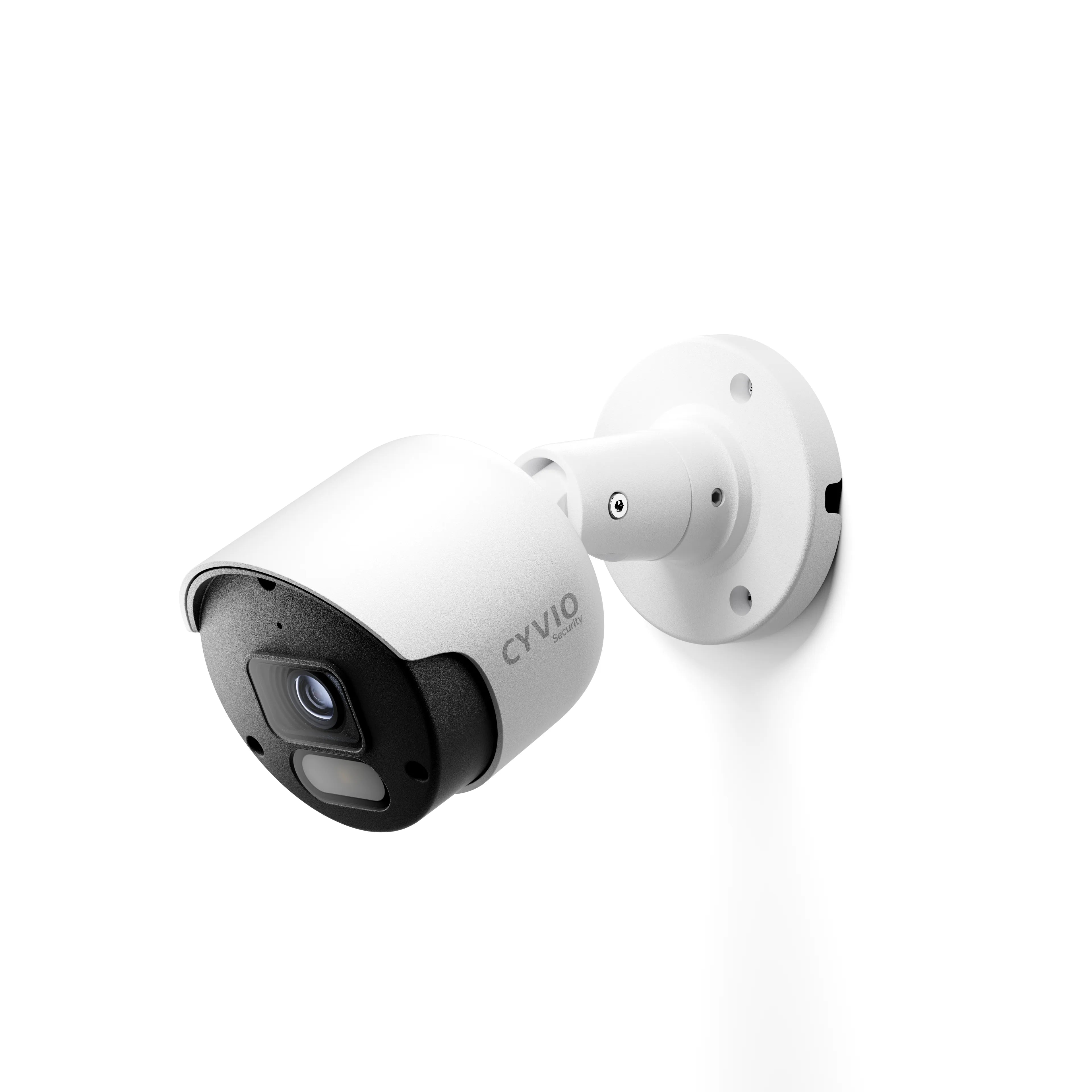
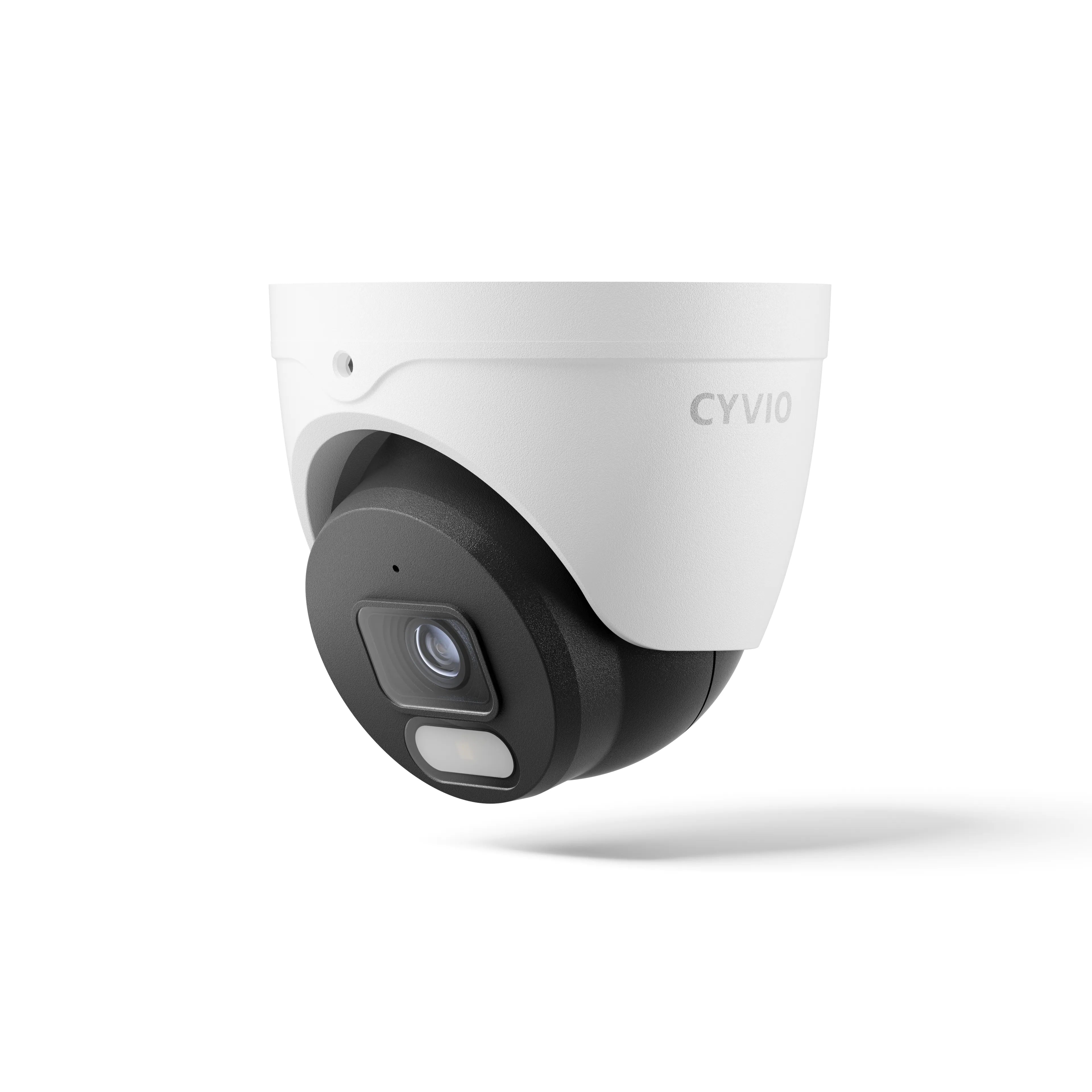
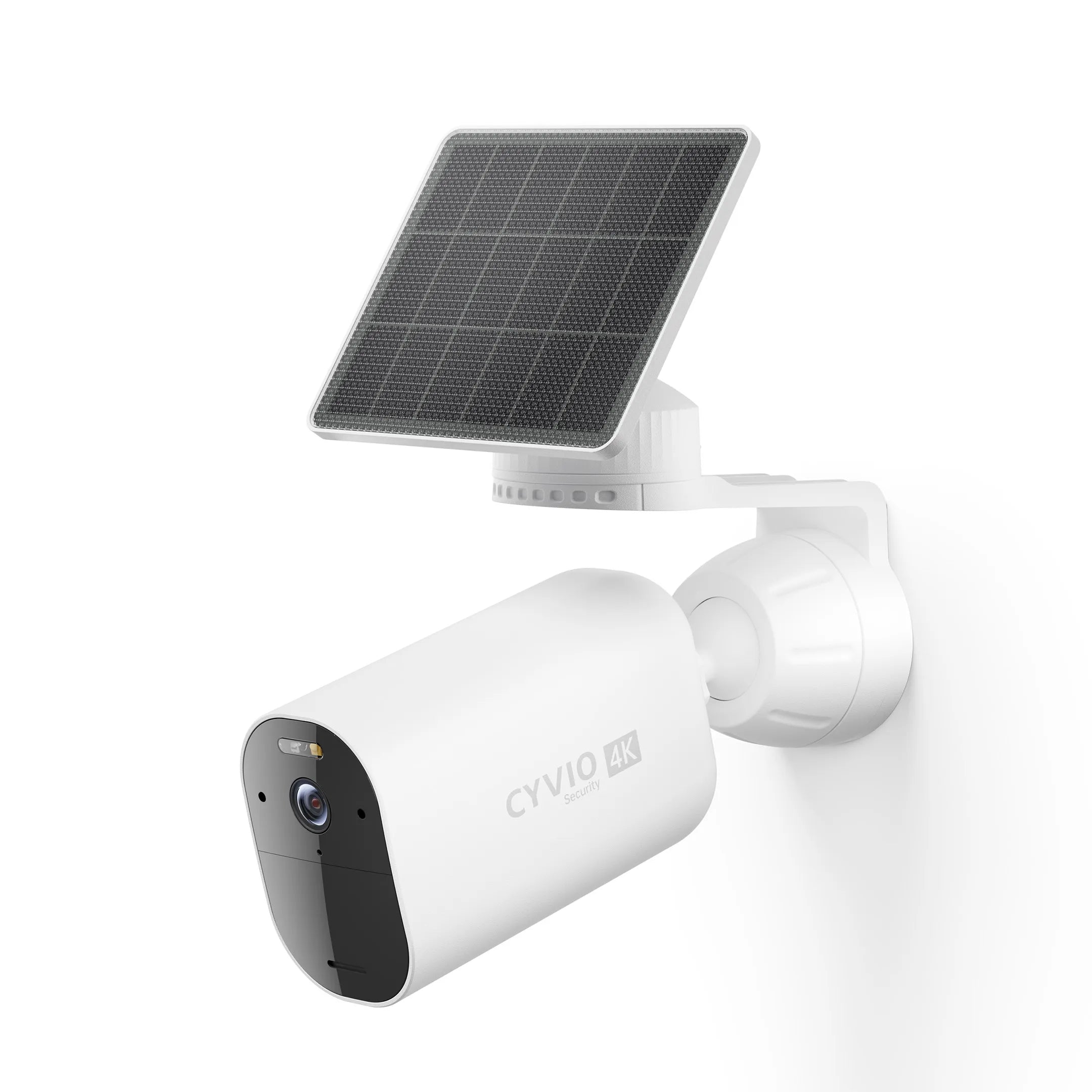
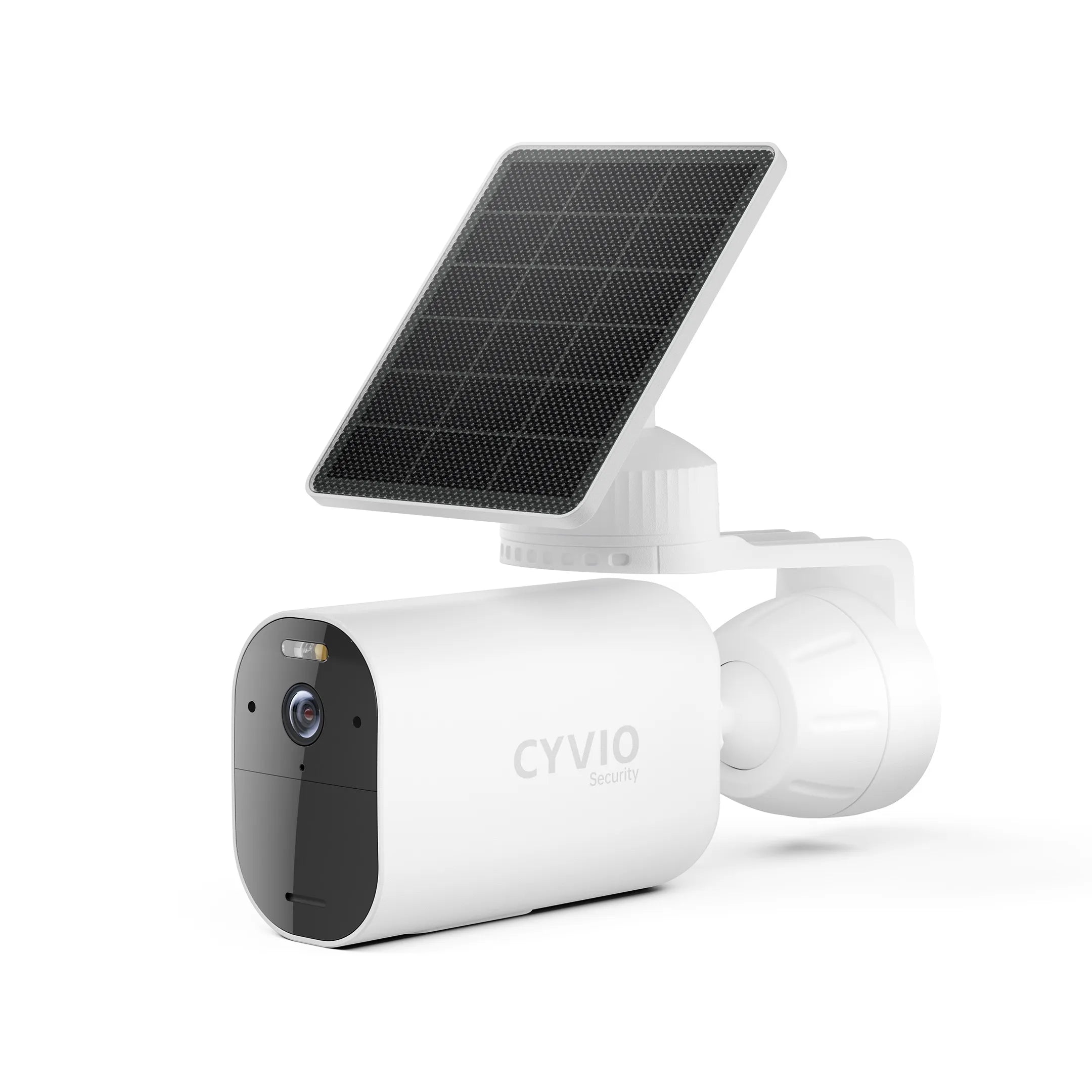
With smart solutions like CYVIO security cameras, homeowners can create a more complete security system by choosing the right camera type for every area of their property.
What Are Indoor Security Cameras?
Indoor security cameras are designed specifically for monitoring areas inside your home or workplace. They are commonly used to keep track of daily activities, family members, pets, and important indoor spaces.
These cameras are usually smaller, easier to install, and optimized for controlled environments where they do not need protection against harsh weather conditions.
Common indoor camera locations include:
-
Living rooms
-
Bedrooms
-
Home offices
-
Hallways
-
Baby rooms
-
Pet areas
Indoor cameras are ideal for homeowners who want additional visibility and control over activities happening inside their property.
What Are Outdoor Security Cameras?
Outdoor security cameras are built to monitor areas outside your home. Unlike indoor models, they are designed to withstand environmental challenges such as rain, dust, temperature changes, and direct sunlight.
Outdoor cameras are commonly installed in:
-
Front doors
-
Driveways
-
Garages
-
Backyards
-
Side entrances
-
Gates
Because outdoor areas are often the first point of access to a property, these cameras play an important role in preventing security risks and monitoring suspicious activity.
Indoor vs Outdoor Security Cameras: Main Differences
Although both camera types provide video monitoring, they are designed for different purposes. The right choice depends on location, environment, and security goals.
Indoor vs Outdoor Security Camera Comparison
|
Feature |
Indoor Security Cameras |
Outdoor Security Cameras |
|
Main Purpose |
Monitor activities inside the home |
Protect exterior areas and entry points |
|
Weather Resistance |
Usually not weatherproof |
Designed to resist rain, dust, and temperature changes |
|
Durability |
Suitable for controlled environments |
Built for outdoor conditions |
|
Installation Areas |
Living rooms, offices, hallways |
Doors, driveways, yards, garages |
|
Night Vision |
Available on many models |
Usually stronger for outdoor monitoring |
|
Viewing Range |
Short to medium distance |
Wider coverage for larger areas |
|
Design |
Smaller and lightweight |
More durable construction |
|
Security Focus |
Indoor activity monitoring |
Intrusion prevention and outdoor protection |
Understanding these differences helps homeowners select cameras that match their specific security requirements.
Weather Resistance and Durability
One of the biggest differences between indoor and outdoor cameras is their ability to handle environmental conditions.
Outdoor security cameras usually include:
-
Weather-resistant housing
-
Protection against dust and moisture
-
Stronger materials
-
Better temperature tolerance
Indoor cameras do not require these features because they operate in a stable environment.

When considering outdoor vs indoor security camera differences, durability is one of the most important factors because outdoor cameras must continue working under changing weather conditions.
Video Quality and Viewing Range
Both indoor and outdoor cameras can provide high-quality video, but their viewing needs are different.
Indoor Camera Video Requirements
Indoor cameras typically focus on:
-
Close-range monitoring
-
Room activity
-
Family and pet observation
A wide-angle lens can help cover larger rooms with fewer devices.
Outdoor Camera Video Requirements
Outdoor cameras often require:
-
Wider viewing angles
-
Longer detection distance
-
Clear footage in different lighting conditions
For areas like driveways and entrances, better coverage helps capture important details such as visitors, vehicles, or unusual movement.
Night Vision and Low-Light Performance
Security concerns can happen at any time, making nighttime performance an important consideration.
Outdoor cameras often require stronger night vision because:
-
Outdoor lighting changes frequently
-
Areas may be completely dark
-
Longer distances need clearer visibility
Indoor cameras may also include night vision for monitoring rooms during nighttime.
A quality camera system should provide reliable footage regardless of the time of day.
Installation Differences Between Indoor and Outdoor Cameras
Installation requirements vary depending on where the camera will be used.
Indoor Camera Installation
Indoor cameras are generally easier to install because:
-
No weather protection is needed
-
Power sources are usually nearby
-
Placement can be adjusted easily
They are suitable for homeowners who want flexible monitoring options.
Outdoor Camera Installation
Outdoor cameras may require more planning, including:
-
Choosing protected locations
-
Checking Wi-Fi coverage
-
Considering power access
-
Adjusting viewing angles
Proper installation ensures the camera captures important areas without unnecessary blind spots.
Smart Features and Connectivity
Modern security cameras include smart features that improve convenience and protection.
Common features include:
-
Motion detection
-
Mobile notifications
-
Remote viewing
-
Two-way audio
-
Smart alerts
Both indoor and outdoor cameras can include these features, but outdoor cameras often rely more heavily on intelligent detection because they monitor larger and more unpredictable areas.
CYVIO smart security cameras combine modern technology with easy operation, allowing homeowners to monitor different spaces from a single security solution.
Which Camera Should You Choose for Your Home?
The best choice depends on your security goals and the areas you want to protect.
Choose Indoor Security Cameras If You Need To:
-
Monitor family activities
-
Check pets while away
-
Protect indoor valuables
-
Watch specific rooms
Indoor cameras are a practical choice for homeowners who want additional visibility inside their property.
Choose Outdoor Security Cameras If You Need To:
-
Protect entrances
-
Monitor driveways
-
Watch outdoor movement
-
Prevent unauthorized access
Outdoor cameras provide stronger protection for areas where security risks usually begin.
Can You Use Outdoor Cameras Indoors?
Technically, outdoor cameras can be used indoors, but they may not always be the best option.
Advantages:
-
More durable design
-
Stronger protection features
Disadvantages:
-
Usually larger
-
May cost more
-
Some features may be unnecessary indoors
For most homeowners, choosing a camera designed specifically for each environment provides better performance and value.
Should You Use Both Indoor and Outdoor Security Cameras?
For complete home protection, combining both camera types is often the best approach.
A balanced security system may include:
Outdoor Cameras:
-
Front door monitoring
-
Driveway protection
-
Backyard surveillance
Indoor Cameras:
-
Living room monitoring
-
Home office protection
-
Pet or family observation
Using both creates multiple layers of security and provides better visibility throughout your property.
Indoor vs Outdoor Security Camera: Which Is Better?
There is no single answer because each camera type serves a different purpose.
Outdoor cameras are better for:
-
Property protection
-
Entry point monitoring
-
Exterior security
Indoor cameras are better for:
-
Room monitoring
-
Family safety
-
Indoor activity tracking
The right solution depends on your home's layout and security priorities.
The indoor vs outdoor security camera comparison shows that these cameras are not competitors but complementary tools that work together to create stronger protection.
Why Choose CYVIO Security Cameras?
Finding the right camera is easier when you choose a solution designed for modern home security.
CYVIO offers smart security cameras that help homeowners monitor important areas with reliable performance and simple setup.
Whether you need indoor monitoring for everyday activities or outdoor protection around your property, CYVIO provides flexible security solutions designed to fit different home environments.
With smart features and user-friendly technology, CYVIO helps make home protection more accessible and convenient.
Conclusion
Understanding indoor vs outdoor security cameras helps homeowners choose the right security solution based on their property's needs. Indoor cameras are ideal for monitoring rooms and daily activities, while outdoor cameras provide stronger protection against external risks.
For complete coverage, many homes benefit from combining both types of cameras. By selecting the right camera for each location, homeowners can improve visibility, reduce security risks, and create a safer living environment.
With CYVIO smart security cameras, protecting your home becomes simpler, smarter, and more reliable.