









End-to-End Encryption vs Traditional Encryption: Why Your Home Security Camera Needs E2EE for Ultimate Privacy

Introduction: Why Traditional “Encrypted” Cameras Might Not Protect Your Privacy
When it comes to home security, most people assume that buying a smart camera labeled as “encrypted” automatically guarantees privacy. The truth is, not all encryption is created equal. Many smart cameras still rely on server-side encryption, which protects data only while it’s stored on the cloud, but leaves significant vulnerabilities during transmission. In other words, your footage might be encrypted while at rest on the server, but the server itself can access and decrypt your video at any time.
This approach means that if hackers, employees, or third-party contractors gain access to the server, your personal videos could be exposed. In some cases, the footage could even be used without your knowledge for algorithm training, advertising, or monitoring activities.
True end-to-end encryption (E2EE) eliminates this risk by ensuring that only the authorized user can access the video footage. Think of it as building a private vault inside your home, rather than just locking the front door while leaving the key under the mat. Understanding the distinction between traditional encryption and E2EE is as crucial as understanding the difference between bulletproof glass and regular glass—both provide protection, but only one truly prevents intrusion.

Traditional Encryption: The “Airport Security” Model
How It Works:
Traditional encryption methods, typically combining TLS/SSL during transmission with server-side encryption, operate in the following way:
- The camera captures video in plaintext (unencrypted form).
- Video is sent to the cloud server.
- The server encrypts the footage for storage.
When the user accesses the footage, the server decrypts the video before sending it back to the device.
Visualizing the Data Flow:
Camera → Plain Video → Cloud Server (Encrypted Storage) → Decrypted → User Device
Key Problem:
Because the server holds the decryption keys:
- Employees or anyone with access to the server can view the footage.
- Data is only protected at rest, leaving it vulnerable during transmission.
- Account compromise or credential theft could allow attackers to access video streams as if they were the legitimate user.
End-to-End Encryption: The “Private Vault” Model
How It Works:
With E2EE, video data is encrypted at the source, using the receiver’s public key. Only the user’s device can decrypt the footage with its private key. This ensures:
- Full-chain encryption: From camera to cloud to device, footage remains encrypted.
- Zero server access: Cloud servers store only ciphertext, never plaintext.
- True privacy: Even employees or contractors cannot view your videos.

Data Flow Example:
7:00 AM – You leave home
7:05 AM – Camera detects delivery
7:05:01 – Camera encrypts footage with your public key
7:05:02 – Encrypted video sent to the cloud
7:05:03 – User receives notification
7:05:04 – Encrypted video delivered to your device
7:05:05 – Device decrypts footage with private key
This process ensures that your private moments remain completely secure, regardless of server vulnerabilities or malicious actors.
Comparing Traditional Encryption and E2EE
|
Feature |
Traditional Encryption |
End-to-End Encryption |
|
Who holds decryption keys? |
Service provider |
End user only |
|
Can servers access plaintext? |
Yes |
No |
|
Protection focus |
Transmission security |
Complete privacy (transmission & storage) |
|
Compliance with privacy regulations |
Basic, some risk |
High compliance, reduced legal risk |
|
Data recovery |
Service provider can reset passwords |
Loss of private key = permanent loss |

Key Insight: E2EE is not just an encryption upgrade—it is a privacy philosophy. Traditional encryption relies on trusting the service provider, while E2EE ensures that technology itself enforces privacy.
CYVIO’s Implementation of E2EE

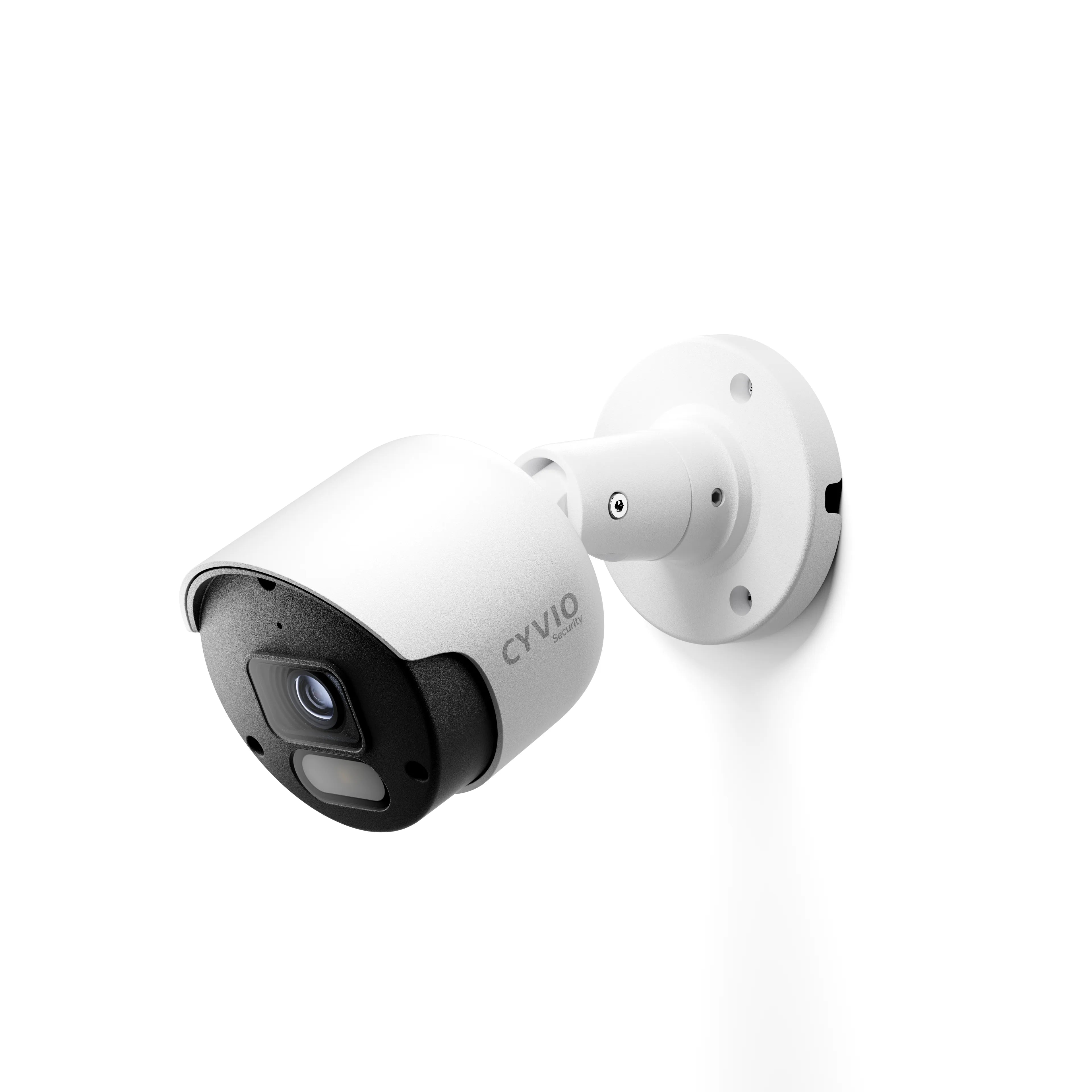
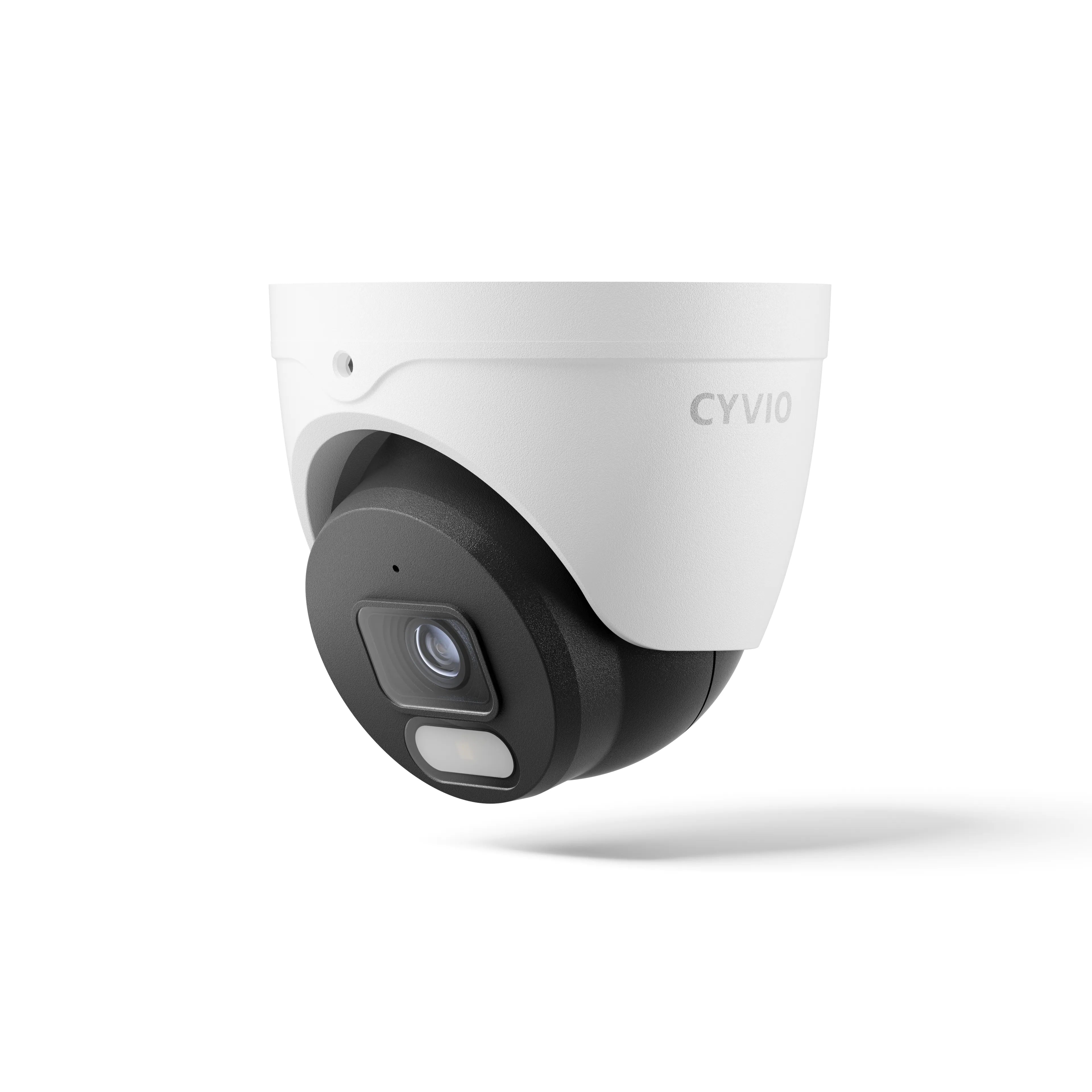
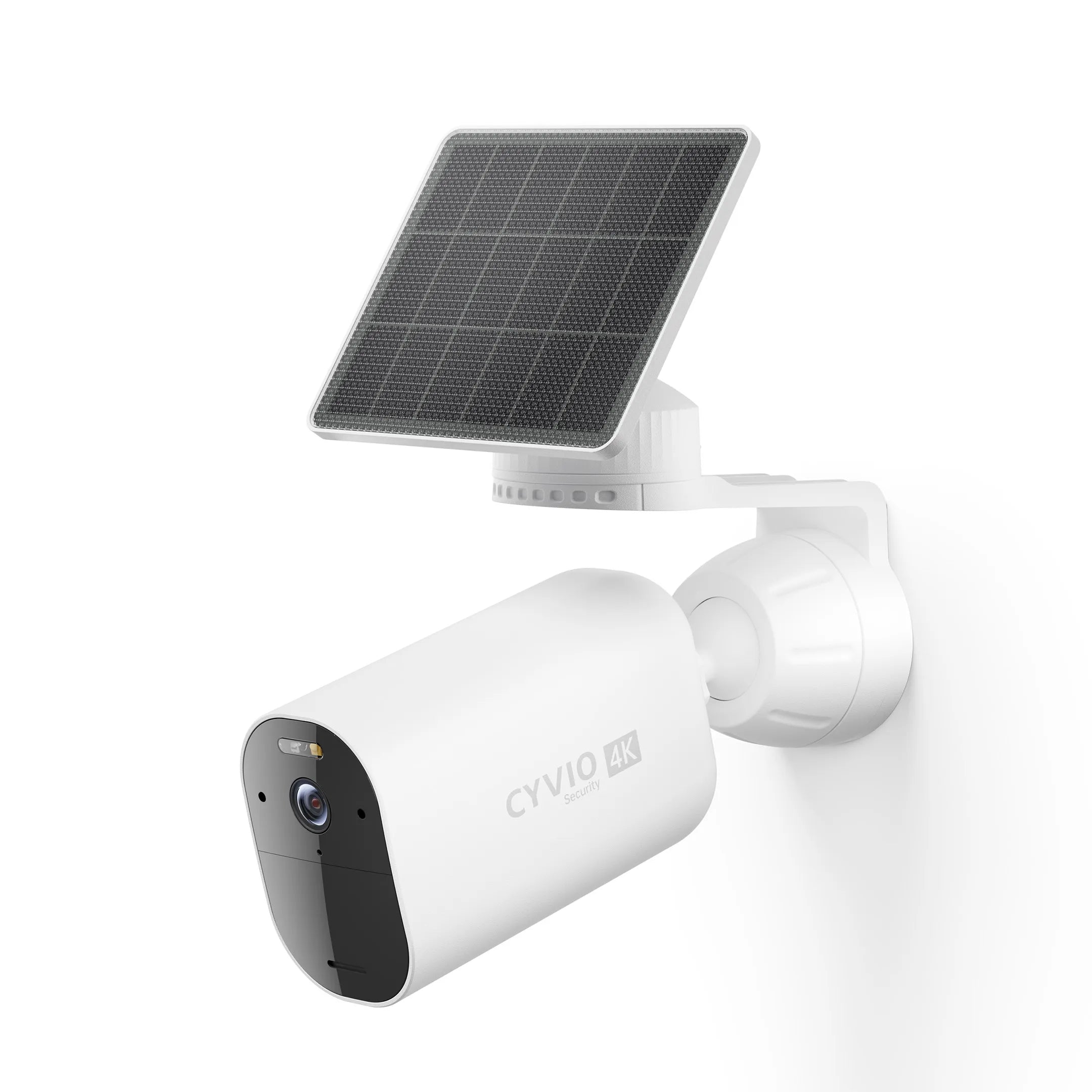
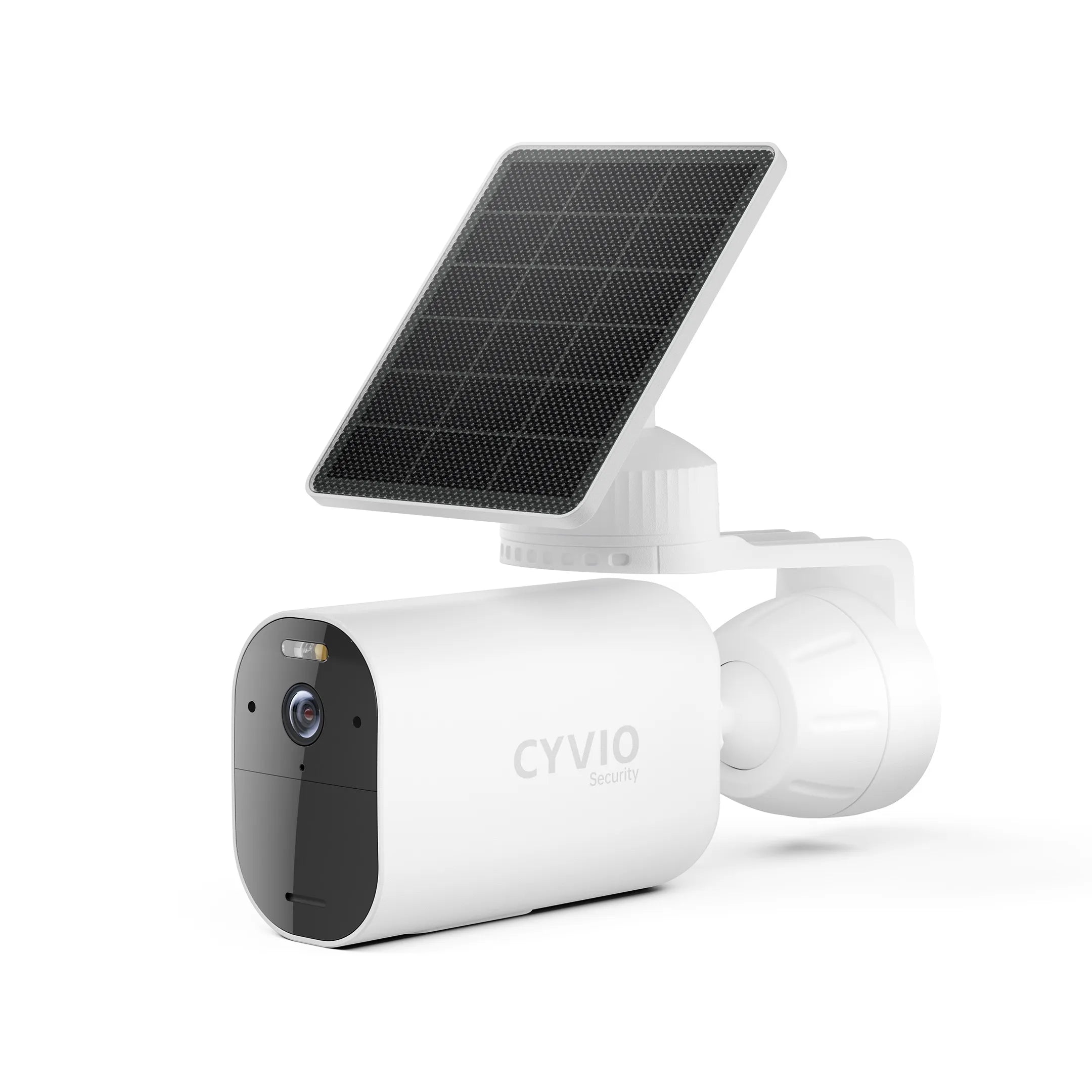
CYVIO’s entire product line supports full-chain end-to-end encryption (E2EE), offering practical solutions such as the CYVIO N2834 Lite PoE Security Camera.
- Local NVR Storage: Video recordings are encrypted on the NVR’s local hard drive using proprietary algorithms.
- Encrypted Playback: The NVR encrypts video segments with session keys during playback, which the app decrypts on the user’s device.
- Server-Level Security: The cloud only stores encrypted video. Not even CYVIO employees can access the content.
- Multi-Factor Authentication (MFA): Secure access using passwords, fingerprint, or facial recognition, plus an additional verification step.

Even if a hacker intercepts the video during transmission, they cannot decrypt it without the private key, ensuring the privacy of your home footage from end to end.
Why E2EE Matters for Home Security
Protection from Unauthorized Access:
Traditional encryption leaves footage vulnerable if the server is breached. E2EE ensures only the intended recipient can view the video.
Compliance with Privacy Regulations:
E2EE significantly reduces the risk of GDPR or CCPA violations because service providers cannot access user data.
Prevention of Insider Threats:
Even trusted employees or contractors cannot see encrypted footage, reducing the risk of internal misuse.
Enhanced Peace of Mind:
Knowing that your home security data is secure from all external and internal threats gives users confidence in smart security systems.
The Future of Security Cameras: Hybrid and Intelligent Encryption

Technology is evolving beyond simple E2EE and traditional encryption. Emerging trends include:
Selective End-to-End Encryption: Sensitive areas (bedrooms, nurseries) use E2EE, while public spaces (garage, backyard) may rely on traditional encryption for speed and efficiency.
Edge Computing with E2EE: AI processing occurs locally on the device, analyzing video without uploading sensitive footage. Only encrypted results are sent to the cloud.
Zero-Knowledge Proofs: The service provider can verify events (like “unknown person detected”) without ever accessing raw video.
Choosing the Right System:
Prioritize brands supporting E2EE for critical areas.
Review the company’s key management policies and access logs.
Consider a hybrid approach, combining local storage with encrypted cloud backup for additional security.
Regaining Control of Your Digital Privacy
In today’s world, data breaches are not exceptional—they are routine. Understanding the difference between traditional encryption and E2EE is critical for home security and small business users.
End-to-end encryption represents a philosophical shift: from relying on service providers to safeguard your data to designing technology that makes unauthorized access impossible
Before purchasing a new home security system, ask yourself: How many eyes do I want viewing my home footage before it reaches me?
If your answer is “zero besides me,” then E2EE is non-negotiable. True digital security is not about trusting others; it is about ensuring privacy through technology.
In conclusion, end-to-end encryption is the digital equivalent of a fortress for your personal life. It protects what matters most, giving homeowners complete control over their data while preventing potential threats from hackers, insiders, or even the service provider itself.
FAQ: CYVIO End-to-End Encryption
Q1: What is end-to-end encryption (E2EE) in CYVIO cameras?
A: CYVIO E2EE encrypts your video from the very source, ensuring that only your authorized device can access it.
Q2: How does CYVIO protect my home videos compared to traditional cameras?
A: Traditional cameras often store videos on a server where they can be accessed by the provider. CYVIO’s E2EE ensures that only your device can view the video, keeping it safe from unauthorized access.
Q3: Will using E2EE slow down live streaming or playback?
A: No. CYVIO cameras are designed to handle encryption efficiently, so you can enjoy smooth streaming and playback without noticeable delays.
Q4: Which CYVIO cameras support E2EE?
A: All CYVIO cameras support full end-to-end encryption (E2EE). You can enjoy complete privacy and security across our entire product range.
Q5: Can I view my CYVIO videos on multiple devices securely?
A: Yes. CYVIO’s E2EE allows you to securely access your footage on authorized devices, ensuring all connections remain encrypted.
Q6: Does E2EE affect app features like notifications and alerts?
A: No. All standard features such as motion alerts, notifications, and live view remain fully functional while keeping your video data encrypted.
Q7: How easy is it to set up CYVIO cameras with E2EE?
A: Very easy. CYVIO’s PoE cameras come with step-by-step instructions and an intuitive CYVIO app, making setup and secure access straightforward for any user.