









NVR vs DVR Security Cameras: Understanding the Differences

Choosing a security camera system involves more than selecting the right camera resolution or design. The recording system behind your cameras plays an important role in video quality, installation flexibility, storage, and future expansion. Understanding nvr vs dvr security cameras can help homeowners and businesses choose a system that matches their monitoring requirements.
NVR (Network Video Recorder) and DVR (Digital Video Recorder) are two common types of video recording systems. While both store and manage security footage, they work differently. DVR systems process video from traditional analog cameras, while NVR systems process digital video from IP cameras through a network connection.
In this guide, we explain how NVR and DVR systems work, compare their differences, and explore how CYVIO security camera solutions use modern recording technology for home and business monitoring.
What Is a DVR Security Camera System?
A DVR (Digital Video Recorder) is a recording system designed for traditional analog security cameras.
In a DVR setup, cameras capture video and send an analog signal through coaxial cables to the recorder. The DVR then converts the analog video into digital format for storage and playback.
A typical DVR system includes:
-
Analog security cameras
-
Coaxial cables
-
Power cables
-
DVR recorder
-
Hard drive storage
-
Monitor or mobile access
DVR systems have been widely used because they work with existing analog camera infrastructure and can be a practical option when upgrading older surveillance systems.
However, DVR systems usually have more limitations compared with modern IP-based systems, especially in terms of resolution, smart features, and installation flexibility.
Considering a solar-powered camera for your home? Check out: Are Solar-Powered Security Cameras Worth It?
What Is an NVR Security Camera System?
An NVR (Network Video Recorder) is a recording system designed for IP security cameras.
Unlike DVR systems, NVR systems receive digital video directly from network-connected cameras. The cameras process the video before sending it to the recorder through Ethernet cables or wireless networks.
A typical NVR system includes:
-
IP security cameras
-
Ethernet cables or network connection
-
NVR recorder
-
Storage drive
-
Network equipment
-
Mobile viewing application
NVR systems are commonly used in modern surveillance installations because they support higher-resolution cameras, remote access, and advanced networking features.
When comparing dvr vs nvr security cameras, NVR systems are often preferred for new installations that require digital video technology and flexible expansion.
Not sure how much sunlight your solar camera needs? Read more on: How Much Sunlight Does an Outdoor Solar Security Camera Need?
How Do DVR and NVR Systems Work?
Understanding how each system processes video is the key difference between them.
How DVR Systems Work
A DVR system follows this process:
-
Analog camera captures video.
-
Video signal travels through coaxial cable.
-
DVR receives the analog signal.
-
DVR converts the signal into digital video.
-
Footage is stored on the hard drive.
The video processing happens inside the DVR recorder.
How NVR Systems Work
An NVR system works differently:
-
IP camera captures video.
-
Camera processes the video into digital data.
-
Data travels through Ethernet or network connection.
-
NVR receives and stores the video.
-
Users access footage through connected devices.
The camera itself handles much of the video processing before sending footage to the recorder.
Want to know the expected lifespan of a solar camera? Read more on: How Long Do Solar Cameras Last?
NVR vs DVR Security Camera System: Key Differences
A comparison of nvr vs dvr security camera system shows several important differences.
|
Feature |
DVR System |
NVR System |
|
Camera Type |
Analog cameras |
IP cameras |
|
Video Processing |
Done by DVR |
Done by camera |
|
Connection |
Coaxial cable |
Ethernet/network cable |
|
Video Quality |
Limited by analog technology |
Supports higher resolutions |
|
Installation |
Uses traditional wiring |
Flexible network installation |
|
Smart Features |
More limited |
More advanced options |
|
Expansion |
Less flexible |
Easier to scale |
The best choice depends on whether you are upgrading an existing system or building a new surveillance setup.
Want to understand security camera storage time? Check out: How Many Days Can a Security Camera Record?
DVR vs NVR Security Cameras: Video Quality Comparison
Video quality is one of the biggest differences between DVR and NVR systems.
DVR Video Quality
DVR systems rely on analog camera signals. While modern analog cameras can support improved resolutions compared with older systems, they generally have more limitations when compared with IP cameras.
Factors affecting DVR image quality include:
-
Camera resolution
-
Cable quality
-
Signal transmission distance
-
DVR processing capability
DVR systems can still be useful for basic monitoring or properties with existing analog installations.
NVR Video Quality
NVR systems work with IP cameras that can support higher resolutions, including:
-
Full HD
-
2K
-
4K
Because video is transmitted digitally, NVR systems can provide clearer images and support more advanced camera features.
When comparing security camera dvr vs nvr, users who prioritize detailed video and modern camera features often choose NVR-based systems.
Installation Differences Between DVR and NVR Systems
DVR Installation
DVR systems typically require:
-
Coaxial cables for video
-
Separate power connections
-
Dedicated DVR recorder
For properties that already have coaxial wiring installed, replacing cameras while keeping existing infrastructure may be convenient.
However, installing new DVR systems may require more cabling because video and power are often handled separately.
NVR Installation
NVR systems commonly use Ethernet cables, especially with PoE cameras.
PoE (Power over Ethernet) allows one Ethernet cable to transmit both power and video data.
Advantages include:
-
Cleaner cable management
-
Easier network integration
-
Support for higher-resolution cameras
-
Flexible camera placement
CYVIO's PoE security camera systems use Ethernet-based connections to simplify camera installation and provide centralized recording through NVR technology.

Security Camera NVR vs DVR: Remote Viewing and Smart Features
Modern users often expect security systems to provide remote access and smart management.
DVR Systems
DVR systems may support remote viewing, but available features depend on the recorder and camera technology.
Older analog systems may have fewer smart capabilities compared with IP-based solutions.
NVR Systems
NVR systems are designed around network connectivity, making them suitable for:
-
Mobile app access
-
Remote viewing
-
Smart notifications
-
IP camera integration
-
Advanced recording options
A security camera nvr vs dvr comparison often highlights NVR systems as more suitable for users who want connected smart monitoring features.
Storage and Scalability Comparison
Storage requirements depend on factors such as:
-
Camera resolution
-
Number of cameras
-
Recording schedule
-
Frame rate
-
Compression technology
Both DVR and NVR systems use hard drives for recording, but NVR systems generally offer more flexibility when expanding.
DVR Expansion
DVR systems usually have a fixed number of camera channels.
Adding cameras may require replacing the recorder or upgrading the system.
NVR Expansion
NVR systems often provide more flexible expansion options.
For example:
-
Adding compatible IP cameras
-
Increasing storage capacity
-
Expanding network infrastructure
This makes NVR systems suitable for users who expect their surveillance needs to grow.
NVR vs DVR: Which Is Better for Home Security?
The answer depends on your property and goals.
DVR Systems May Be Suitable For:
-
Existing analog camera systems
-
Basic monitoring needs
-
Users who want to reuse current wiring
-
Smaller installations
NVR Systems May Be Suitable For:
-
New security installations
-
High-resolution cameras
-
Smart home integration
-
Larger properties
-
Flexible camera expansion
When comparing security camera systems nvr vs dvr, many new installations choose NVR because it supports modern IP camera technology.
CYVIO NVR Security Camera Solutions
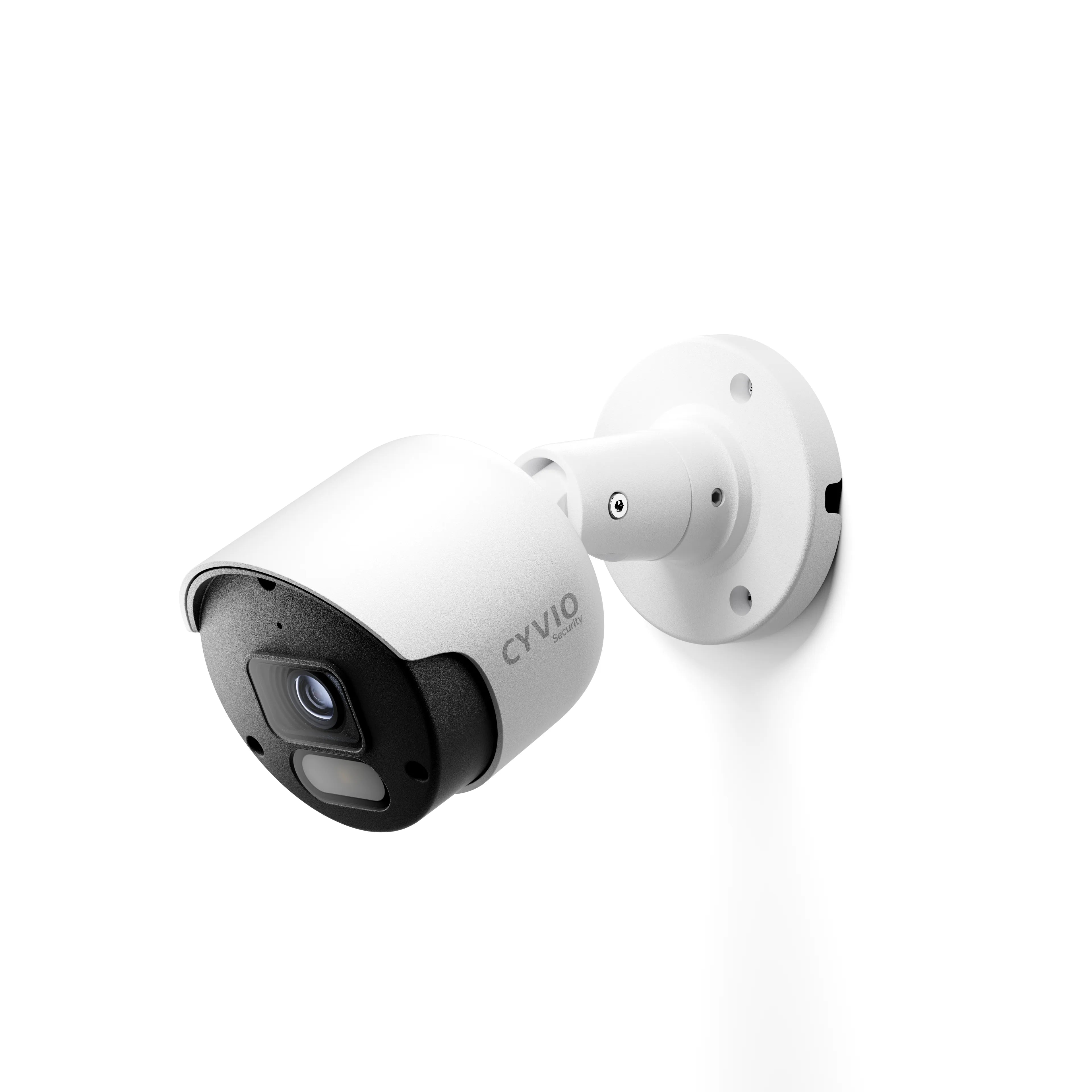
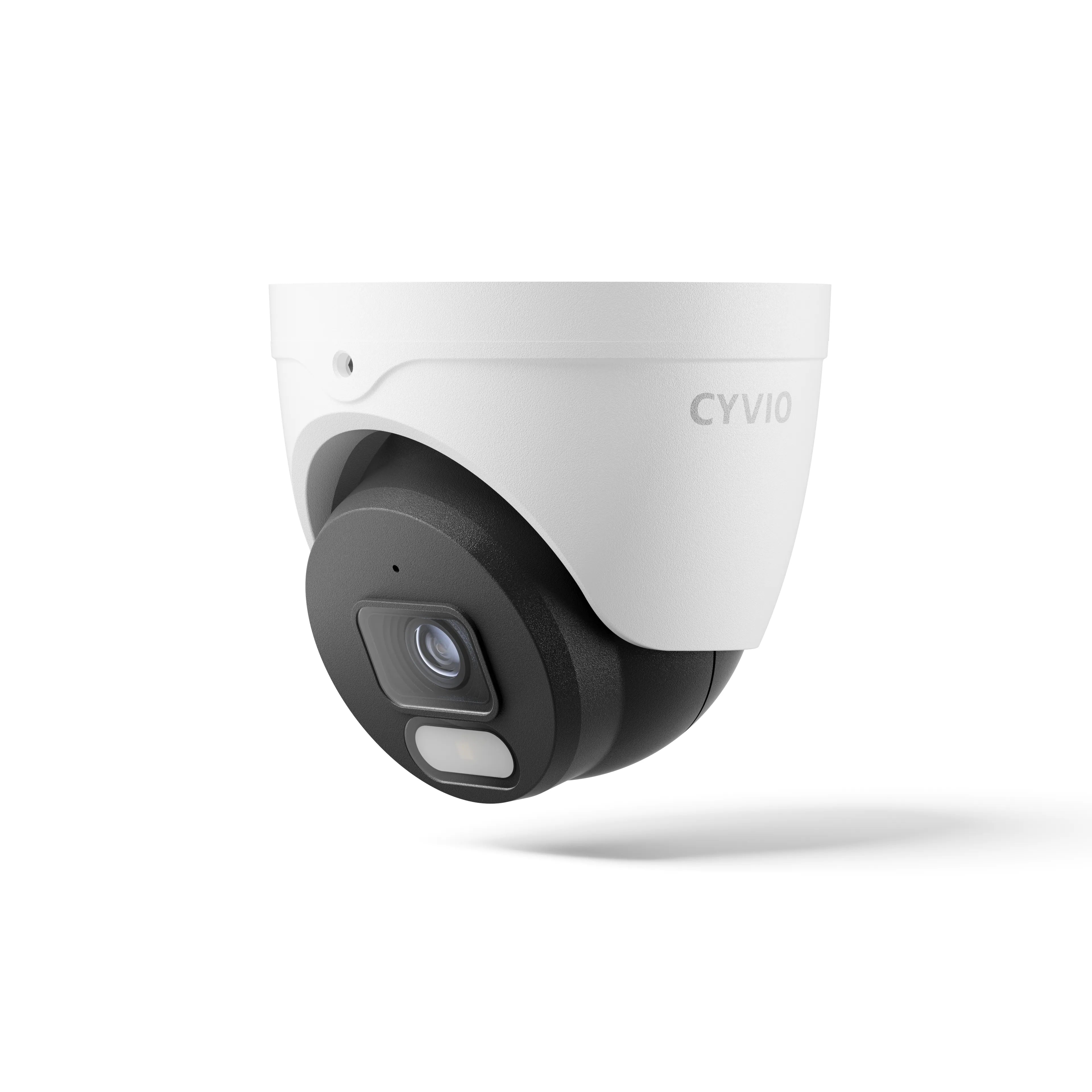
CYVIO focuses on modern security camera systems built around IP and PoE technology.
CYVIO NVR systems are designed for users who need:
-
High-resolution video recording
-
Multiple camera support
-
Wired network connections
-
Local storage options
-
Flexible installation
For example, the CYVIO N2834 Lite is a 4K PoE security system that includes four cameras and an eight-channel NVR, allowing room for future expansion with compatible cameras.
The CYVIO N2838 provides an eight-camera 4K PoE setup with local recording storage, making it suitable for larger properties that require multiple monitoring locations.
CYVIO NVR systems support features such as:
-
4K video recording
-
PoE camera connections
-
Local storage
-
Remote viewing options
-
Multiple camera management
These systems provide a practical solution for homeowners and businesses looking for a modern IP-based surveillance setup.
PoE NVR vs Traditional DVR: Why Many Users Choose NVR Today
PoE technology has changed how security camera systems are installed.
With a PoE NVR system:
-
Cameras connect through Ethernet cables
-
Power and data use one cable
-
Installation can be cleaner
-
Digital video quality is maintained
Traditional DVR systems typically require separate analog video connections and power wiring.
For users building a new security system, combining IP cameras with an NVR can provide more flexibility compared with traditional analog setups.
Can You Replace a DVR System With an NVR?
Yes, but the process depends on your existing equipment.
Replacing a DVR system with an NVR may require:
-
New IP cameras
-
Ethernet cabling
-
Network equipment
-
New recorder configuration
Some users choose to upgrade gradually by replacing cameras over time rather than changing the entire system at once.
Before upgrading, check camera compatibility, wiring requirements, and storage needs.
NVR vs DVR Security Cameras: Which One Should You Choose?
Choose a DVR system if:
-
You already have analog cameras
-
You want to reuse existing coaxial cables
-
Your monitoring needs are simple
-
You do not require advanced IP features
Choose an NVR system if:
-
You want higher-resolution cameras
-
You are building a new system
-
You need flexible installation
-
You want smart camera features
-
You may expand your system later
For most new home and business installations, NVR systems provide more flexibility because they work with modern IP cameras.
Frequently Asked Questions About NVR and DVR Systems
Is NVR better than DVR?
NVR systems offer advantages such as higher-resolution support, IP camera compatibility, and flexible installation. However, DVR systems can still be useful for existing analog camera setups.
Can I use IP cameras with a DVR?
Most DVR systems are designed for analog cameras, although some hybrid recorders support both analog and IP cameras.
Do NVR cameras need internet?
No. An NVR system can record locally without internet access. Internet is mainly needed for remote viewing and cloud-based features.
Can DVR cameras be upgraded to NVR?
Yes, but upgrading usually requires replacing analog cameras with IP cameras and adjusting the network setup.
Which system is easier to install?
NVR systems with PoE cameras can simplify installation because one Ethernet cable can carry both power and video data.
How long do NVR and DVR recordings last?
Recording duration depends on storage capacity, number of cameras, resolution, recording schedule, and compression settings.
Choosing Between NVR vs DVR Security Cameras
Understanding nvr vs dvr security cameras helps you choose a recording system that matches your security needs. DVR systems remain useful for traditional analog camera setups, while NVR systems provide a more modern approach with IP cameras, higher resolution, and flexible network-based installation.
For homeowners and businesses creating a new surveillance system, CYVIO NVR and PoE security camera solutions offer practical options with 4K recording, centralized management, and expandable camera configurations.
Whether you choose DVR or NVR, the right system depends on your property, installation requirements, video quality needs, and plans for future expansion.