





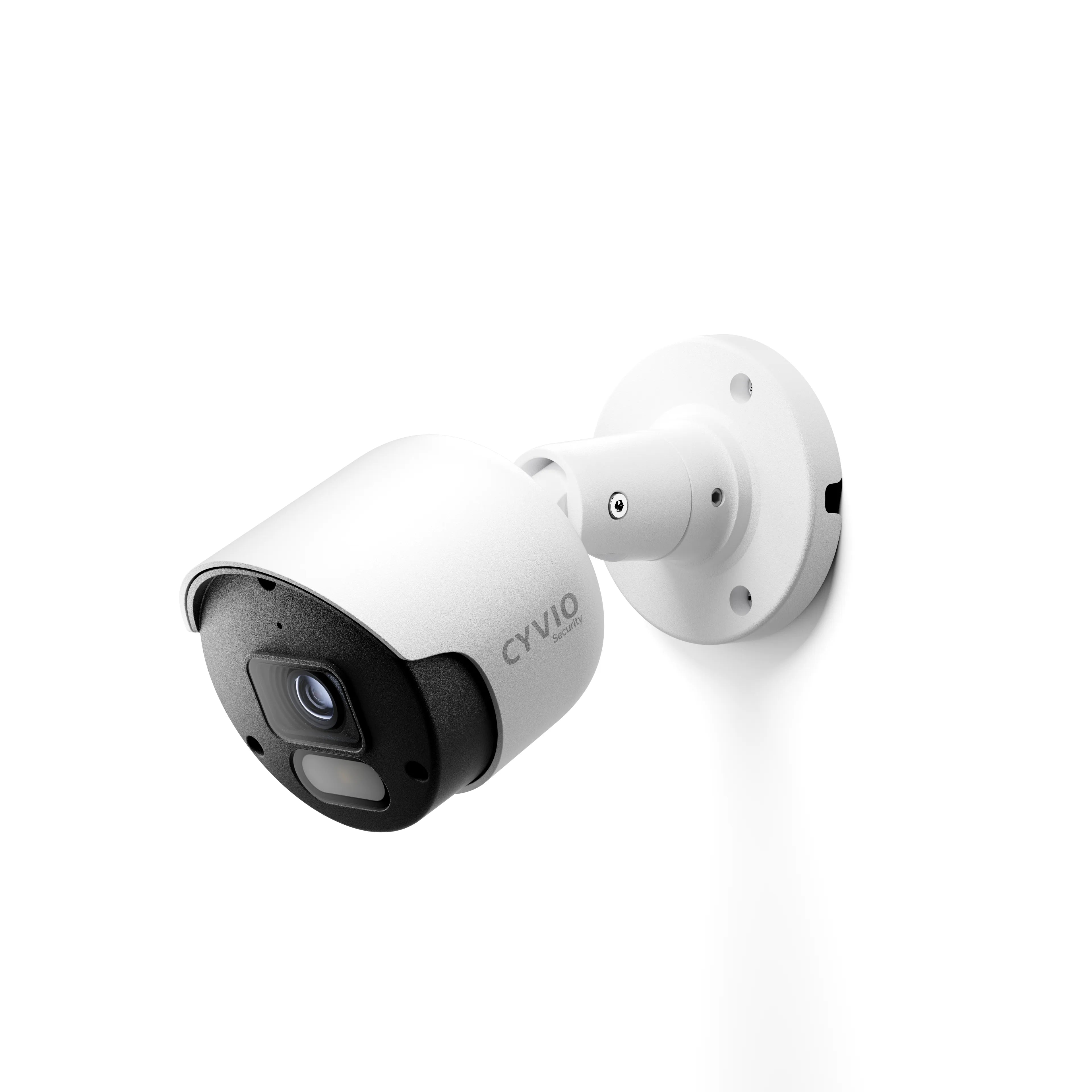
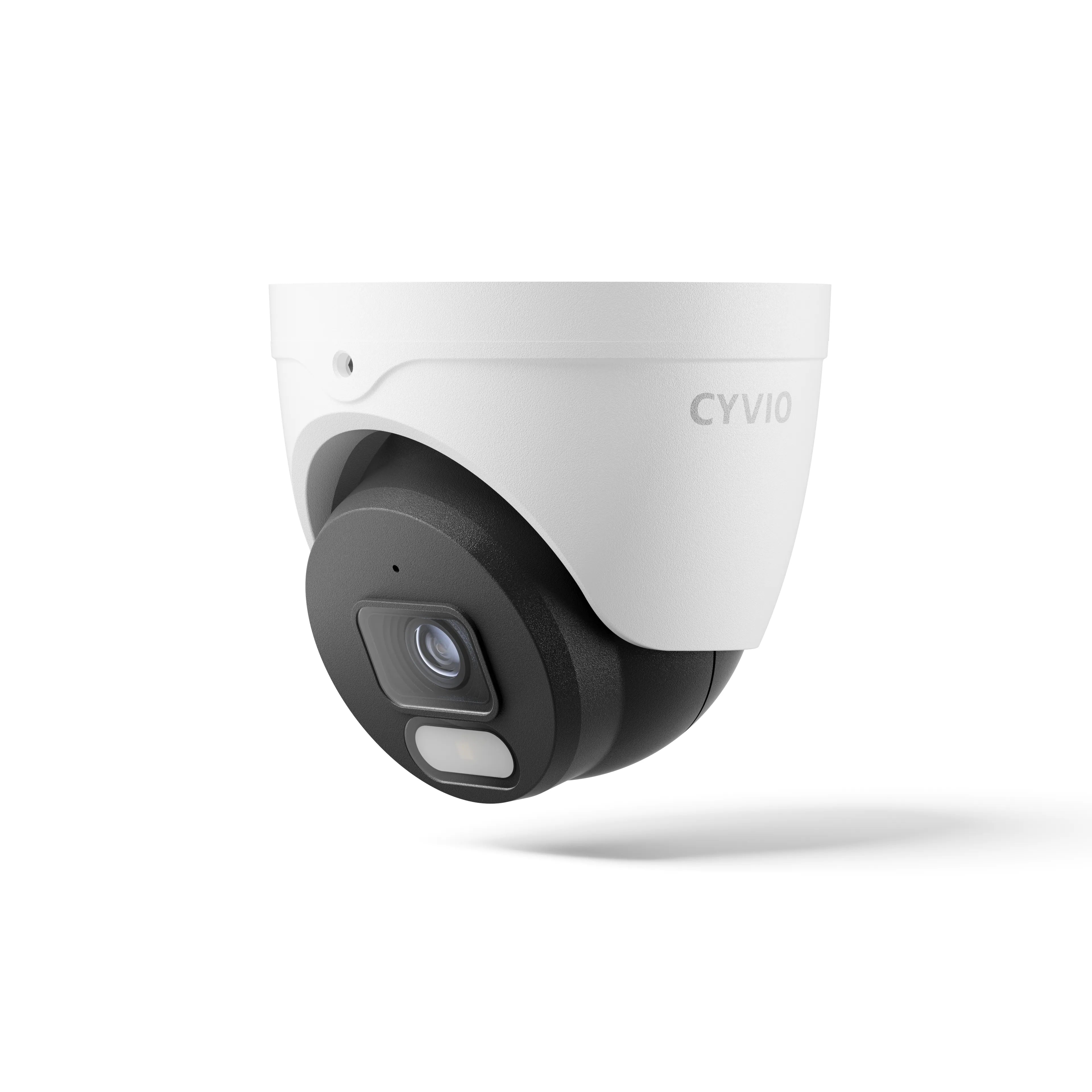


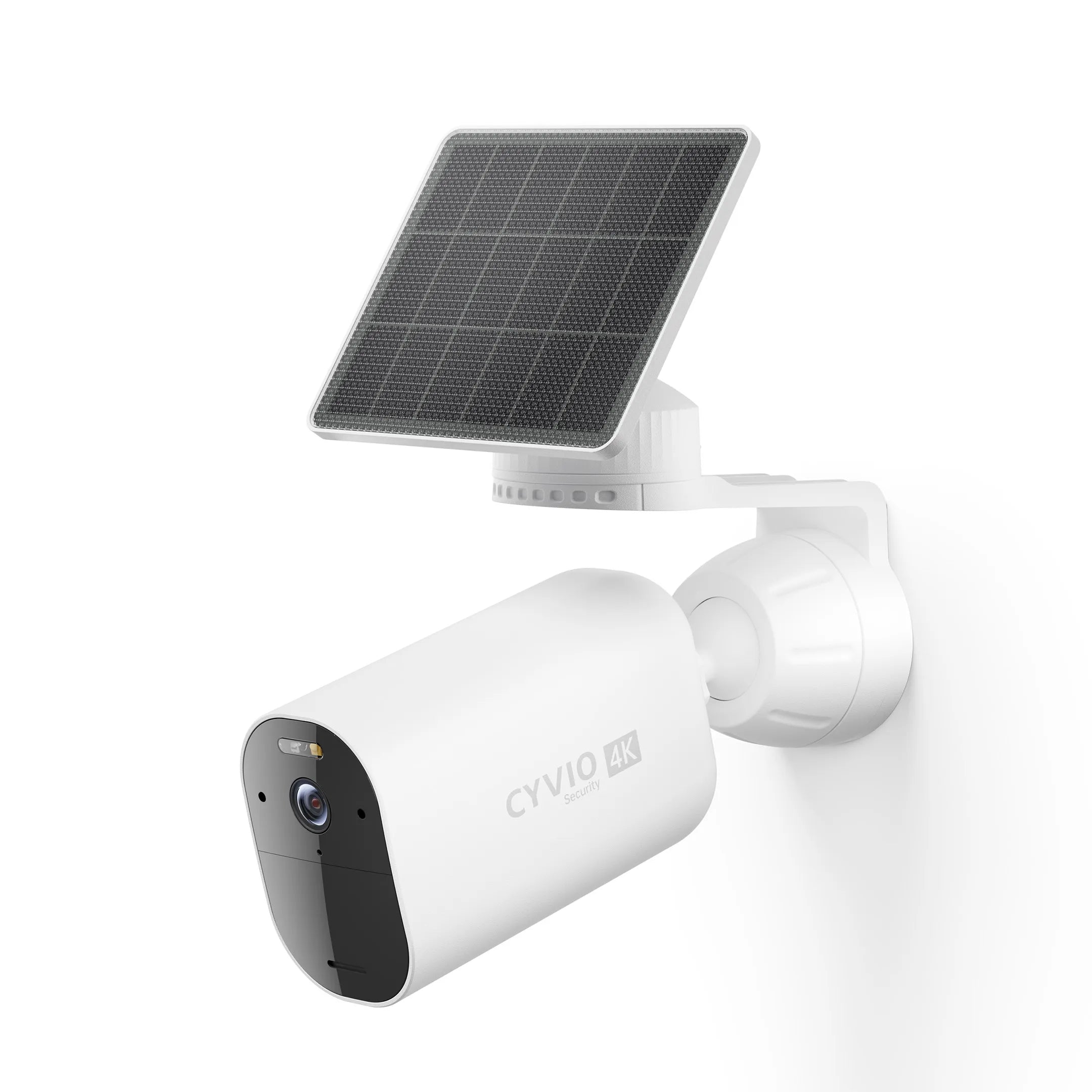
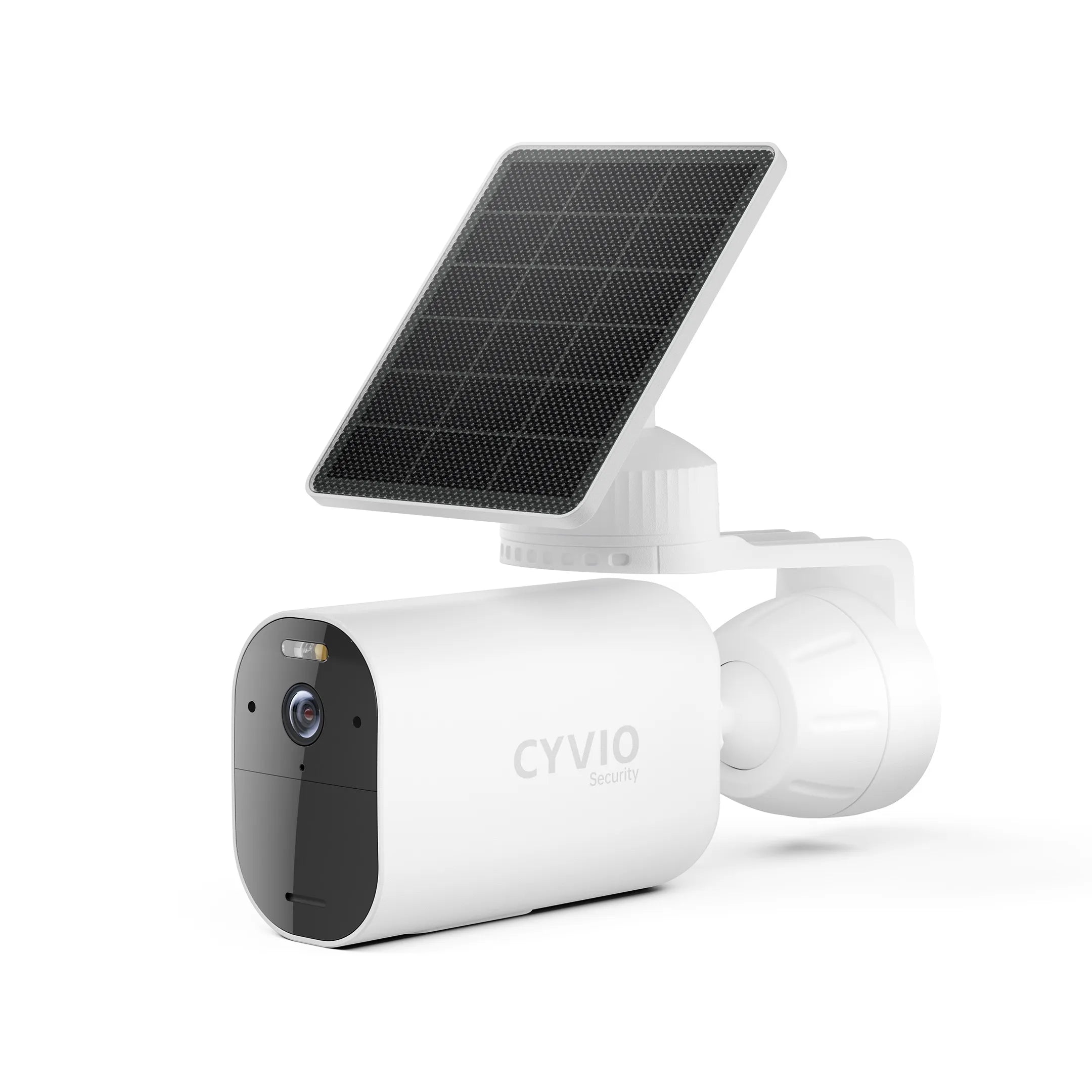


How Many Security Cameras Do I Need? A Practical Guide for Every Home

If you're planning a home security system, one of the first questions is usually: how many security cameras do I need? The answer is not simply “the more, the better.” Too few cameras can leave important areas outside the field of view, while installing more cameras than necessary can increase equipment, storage, wiring, and maintenance requirements.
The right number depends on your home's size, layout, entry points, outdoor spaces, camera field of view, and the specific areas you want to monitor. A smaller property may only need a few carefully positioned cameras, while a larger home with multiple entrances, a detached garage, and a wide backyard may benefit from a larger multi-camera system.
As a general reference, eufy suggests that many homes may use around two to four outdoor cameras and one or two indoor cameras, but the actual requirement should be based on the individual property rather than a fixed number.
This guide will help you calculate your needs step by step and choose a practical CYVIO camera setup without adding unnecessary equipment.
How Many CCTV Cameras Do I Need?
When asking how many cctv cameras do i need, start by counting the areas you actually want to see rather than calculating solely from square footage.
For most homes, priority areas often include:
-
Front door
-
Back door
-
Driveway
-
Garage
-
Side entrances
-
Backyard
-
Ground-floor windows
-
Indoor common areas
A useful starting point is one camera for each important monitoring zone. However, one wide-angle camera may cover several nearby areas if it is positioned correctly.
CCTV Security Pros uses one camera per approximately 500 square feet as a baseline in its planning calculator, but it also notes that wide-angle cameras can reduce the required camera count and that each property needs an individual layout assessment.
So, square footage can provide an estimate, but entrances, blind spots, camera angles, and property shape usually matter more.
Want to connect your camera to your phone? Read more on: How to Connect WiFi Camera to Mobile
How Many Cameras Do You Need for Home Security?
For homeowners asking how many cameras do you need for home security, a practical starting range is often around 3 to 6 cameras for a typical house, depending on its layout.
For example, a basic four-camera setup might cover:
-
Front entrance
-
Driveway or garage
-
Backyard
-
Side entrance or important indoor area
A larger property may require six to eight cameras if there are several outdoor zones, side passages, detached buildings, or multiple entrances.
This is not a fixed rule. A compact townhouse may need only two or three strategically positioned cameras, while a large detached property can require significantly more.
Planning a PoE camera setup? Check out this guide: Installing PoE Security Cameras
Start With Your Property's Entry Points
Entrances are usually the first areas to consider when planning camera placement.
Walk around your property and count:
-
Front doors
-
Back doors
-
Side doors
-
Garage doors
-
Gates
-
Basement entrances
-
Other regularly used access points
You do not necessarily need one camera for every door if a single camera can clearly monitor multiple nearby entrances.
However, positioning matters. A camera that can technically see a door from far away may not provide the same useful detail as a properly positioned entrance camera.
ADT also recommends evaluating the home's priorities, size, outdoor areas, and outbuildings when deciding how many cameras are appropriate.
Prioritize the Front Door
For many homes, the front entrance is one of the most useful locations for a camera because it receives frequent activity.
A front-door camera can help you monitor:
-
Visitors
-
Deliveries
-
People approaching the entrance
-
Activity near the porch
-
Vehicles or pedestrians near the front of the property
You can use either a dedicated outdoor camera or a video doorbell depending on your preferences.
If visitor communication matters, a video doorbell can be particularly useful because it combines entrance video with two-way audio.
CYVIO currently offers video doorbell products alongside its broader security camera range, allowing users to combine entrance-focused monitoring with additional outdoor or indoor cameras.
Want to understand security camera storage time? Check out: How Many Days Can a Security Camera Record?
Don't Forget the Back Door
Back and side entrances can be easy to overlook when cameras are concentrated around the front of the property.
A separate rear camera may be useful if the backyard includes:
-
A back entrance
-
Patio doors
-
A garden gate
-
A detached garage
-
A storage shed
-
A pathway around the side of the house
If one camera has a sufficiently wide field of view, it may be able to monitor both the back door and part of the yard.
Otherwise, separate cameras may provide more useful angles.
How Many Cameras Needed for Home Security Outdoors?
For the keyword how many cameras needed for home security, outdoor monitoring usually accounts for most of the camera count.
A common layout may look like this:
Small Home or Townhouse: 2–3 Outdoor Cameras
Possible placement:
-
1 front entrance camera
-
1 rear camera
-
1 driveway or side camera
Medium Detached Home: 3–5 Outdoor Cameras
Possible placement:
-
1 front entrance camera
-
1 driveway camera
-
1 backyard camera
-
1 side entrance camera
-
1 garage or opposite-side camera
Large Property: 5–8+ Outdoor Cameras
Possible placement:
-
Front entrance
-
Driveway
-
Garage
-
Backyard
-
Left side
-
Right side
-
Gate
-
Detached building or remote area
The goal should be useful coverage rather than simply reaching a target number.
Worried about cold weather affecting your solar camera? Check out: Do Solar Security Cameras Work in Winter?
How Many Indoor Security Cameras Do You Need?
Indoor cameras are more dependent on personal preference than outdoor cameras.
You may want indoor monitoring for:
-
Entryways
-
Living rooms
-
Common areas
-
Pet areas
-
Baby rooms
-
Home offices
-
Garages
For many homes, one or two indoor cameras can cover the most important common spaces. eufy's general guidance similarly suggests one or two indoor cameras alongside several exterior cameras for many residential setups.
Avoid placing cameras in spaces where household members or guests reasonably expect a high degree of privacy.
Camera Field of View Can Reduce the Number You Need
Camera count is closely connected to field of view.
A camera with a wider viewing angle can monitor more of the scene, which may allow one device to replace two cameras in certain layouts.
For example, if one wide-angle camera positioned at the corner of your house clearly captures both the driveway and front walkway, installing a separate camera for each area may be unnecessary.
CCTV Security Pros specifically notes that wide-angle cameras can cover larger spaces and therefore reduce the number of cameras required in some installations.
However, wider is not automatically better. When more of the scene fits into the image, individual subjects may occupy fewer pixels. Placement and resolution should therefore be considered together.
Considering a solar-powered camera for your home? Check out: Are Solar-Powered Security Cameras Worth It?
Camera Resolution Also Affects Coverage
Resolution does not directly change a camera's field of view, but higher-resolution cameras can preserve more detail across wider scenes.

Common options include:
-
1080p
-
2K
-
3K/5MP
-
4K/8MP
If one camera monitors a large driveway or yard, a higher-resolution model may give you more flexibility when reviewing smaller areas of the recorded image.
CYVIO's current PoE systems include 4K models with wide viewing angles, which can be useful when planning multi-camera coverage around larger properties.
Still, resolution should not be used as an excuse to place a camera too far from the area you need to monitor.
Watch for Blind Spots
One of the biggest mistakes when calculating camera quantity is counting locations without checking what each camera can actually see.
Common blind spots include:
-
Corners of the house
-
Areas behind garages
-
Side pathways
-
Spaces behind fences
-
Covered porches
-
Areas blocked by trees or landscaping
-
Sections beneath balconies or rooflines
Walk around the property and imagine what each proposed camera would see.
If two important areas are separated by a wall or structure, one camera may not be enough even if they are physically close together.
Camera Height and Angle Matter
Adding more cameras cannot compensate for poor installation.
A camera mounted too high may capture a wide overview but provide less useful detail near the entrance. A camera aimed too low may miss activity farther away.
Good placement should balance:
-
Viewing distance
-
Camera height
-
Field of view
-
Lighting
-
Possible obstructions
-
Night vision range
You may discover that improving the position of three or four cameras gives you more useful coverage than installing six poorly positioned cameras.
How Many Cameras Do I Need for Home Security Based on Property Type?
The answer to how many cameras do i need for home security becomes easier when you start with the property type.
Apartment: Around 1–3 Cameras
Possible setup:
-
Video doorbell or entrance camera
-
Living-area camera
-
Balcony or secondary entrance camera if needed
Apartments generally require fewer cameras because they have fewer exterior access points.
Townhouse: Around 2–4 Cameras
Possible setup:
-
Front entrance
-
Rear entrance
-
Indoor common area
-
Garage or parking area
Because townhouses often have limited side access, fewer exterior cameras may provide sufficient coverage.
Standard Detached House: Around 4–6 Cameras
Possible setup:
-
Front door
-
Driveway
-
Backyard
-
Side entrance
-
Garage
-
Optional indoor camera
This is often a practical starting point for homes with multiple exterior areas.
Large House: Around 6–10 Cameras
Larger homes may include:
-
Several entrances
-
Multiple exterior walls
-
Large yards
-
Detached garages
-
Gates
-
Long driveways
These properties may benefit from a larger multi-camera system.
Farm or Large Rural Property: 8+ Cameras May Be Needed
Large properties create a different challenge because important areas may be far apart.
Possible camera locations include:
-
Main residence
-
Gate
-
Long driveway
-
Garage
-
Barn
-
Workshop
-
Equipment area
-
Other detached structures
In these situations, wireless range and power availability can matter as much as camera count.
CYVIO's N1814, for example, is a four-camera 4K solar-powered long-range wireless system that supports expansion up to eight cameras, making this type of setup relevant to larger properties where running Ethernet to every location may be difficult.
2-Camera vs 4-Camera vs 8-Camera Security Systems
When buying a complete camera kit, systems often come in common configurations.
2-Camera System
A two-camera setup can work for:
-
Apartments
-
Small homes
-
Front and back entrances
-
One entrance plus driveway
CYVIO currently offers the N1812 as a two-camera 4K long-range WiFi solar system.
4-Camera System
Four cameras provide more flexibility for typical houses.
For example:
-
Camera 1: Front door
-
Camera 2: Driveway
-
Camera 3: Backyard
-
Camera 4: Side entrance
CYVIO currently offers several four-camera configurations, including 4K PoE kits and long-range wireless systems.
The CYVIO N2834 Lite, for example, is a four-camera 4K PoE system using an eight-channel NVR, meaning users can begin with four cameras and retain room for compatible expansion within the recorder's channel capacity.
8-Camera System
Eight-camera systems can be useful for:
-
Larger houses
-
Multi-story properties
-
Large outdoor areas
-
Commercial buildings
-
Multiple detached structures
CYVIO currently offers the N2838 and N2838D as eight-camera, eight-channel 4K PoE systems with 2TB local storage.
An eight-camera configuration allows individual cameras to focus on specific zones rather than forcing one camera to cover several areas from a difficult angle.
Should You Buy More Cameras Than You Need Right Now?
You do not necessarily need to install every possible camera immediately.
A useful approach is to choose a system with room for expansion.
For example, if your current layout requires four cameras but you think you may later add coverage for a garage or backyard structure, an eight-channel recorder gives you additional flexibility.
CYVIO's N2834 Lite illustrates this approach: it currently includes four cameras but uses an eight-channel NVR.
This can be more practical than replacing an entire recorder later simply because you need one or two additional cameras.
PoE vs Wireless: Does Camera Type Change How Many You Need?
Not necessarily. Camera count should primarily be based on coverage.
However, connection type can affect where cameras are practical to install.
PoE Cameras
PoE cameras receive power and data through Ethernet cables.
They can be useful for:
-
Fixed installations
-
Multiple-camera systems
-
Continuous recording
-
Homes where cable runs are practical
CYVIO's PoE lineup includes both four-camera and eight-camera 4K systems.
Battery and Solar Cameras
Battery cameras provide more flexible placement because they do not need a permanent wired power connection.
CYVIO currently offers both 5MP and 4K battery/solar camera options.
They can be particularly useful for adding one extra camera to a garage, yard, gate, or other area where installing Ethernet is inconvenient.
WiFi Cameras
WiFi cameras can work well indoors and around smaller properties with suitable network coverage.
CYVIO's C2 indoor camera, for example, provides 3K/5MP video and pan-and-tilt functionality, which can help one indoor camera cover different portions of a room.
Fixed vs Pan-and-Tilt Cameras
Another factor that influences camera quantity is whether the camera has a fixed view or can move.
Fixed Cameras
Fixed cameras monitor one predetermined area continuously.
They are useful when:
-
The location is important all the time
-
You want predictable coverage
-
Several cameras monitor different zones simultaneously
Pan-and-Tilt Cameras
Pan-and-tilt cameras can adjust their viewing direction remotely or automatically depending on the model.
They can help cover a larger general area, particularly indoors.
However, a movable camera can only look in one direction at a time. If two important areas must be monitored simultaneously, two fixed cameras may still be more appropriate.
How Storage Changes as You Add More Cameras
Each additional camera generates additional video.
If you expand from four cameras to eight, your storage requirements can increase significantly, particularly with:
-
4K resolution
-
High frame rates
-
Continuous recording
-
Higher bitrates
Before expanding the system, consider:
-
Storage capacity
-
Recording duration
-
Resolution
-
Compression
-
Motion-only vs continuous recording
For example, CYVIO's N2838 currently includes a 2TB hard drive and supports local NVR recording for its eight-camera setup.
Planning storage together with camera count can help avoid discovering later that the recorder retains less footage than expected.
Simple Camera Planning Example
Consider a medium-sized detached home with:
-
One front door
-
One driveway
-
One garage
-
One backyard
-
Two narrow side passages
You might initially think six cameras are required—one for each area.
However, after reviewing angles, the homeowner may find that:
-
Camera 1 covers the front door and front walkway
-
Camera 2 covers the driveway and garage
-
Camera 3 covers the backyard
-
Camera 4 covers one side passage
-
Camera 5 covers the opposite side
In this example, five cameras could provide the desired coverage.
If a wide-angle driveway camera also captures one side path clearly, four might be sufficient.
This is why camera count should be calculated from actual fields of view rather than simply counting physical areas.
A Simple Checklist to Calculate How Many Cameras You Need
Walk around your property and make a list of every important zone.
Step 1: Count Entrances
Include:
-
Front door
-
Rear door
-
Side doors
-
Garage
-
Gates
Step 2: Identify Outdoor Areas
Consider:
-
Driveway
-
Backyard
-
Side paths
-
Patio
-
Detached buildings
Step 3: Decide on Indoor Monitoring
Identify any indoor common areas you actually want to monitor.
Step 4: Check Whether One Camera Can Cover Multiple Zones
Look at field of view and possible installation positions.
Step 5: Look for Blind Spots
Make sure walls, fences, trees, and structures do not block important areas.
Step 6: Add Future Expansion
Consider whether you might add:
-
A gate camera
-
Garage camera
-
Additional backyard coverage
-
Indoor camera
Then choose a recorder or system that provides enough capacity.
Common Mistakes When Choosing Camera Quantity
Installing Too Many Cameras in One Area
Several cameras showing nearly identical footage add cost without providing much additional information.
Overlap can be useful around important locations, but each camera should ideally have a clear purpose.
Ignoring Side Entrances
Front and rear cameras are important, but side passages can create blind areas.
Using One Camera for an Area That Is Too Large
A very wide scene may technically fit inside one image while important subjects appear too small.
Ignoring Nighttime Conditions
A location that looks clear during daylight may become difficult to monitor after dark because of shadows, reflections, or insufficient illumination.
Buying a Recorder With No Expansion Capacity
If you expect your system to grow, choosing an NVR with unused channels can make future expansion easier.
How CYVIO Fits Different Camera Counts
CYVIO currently offers camera systems suited to several common installation sizes.
Smaller or Flexible Setup
For users who need only one or two additional areas, individual battery, solar, WiFi, or doorbell cameras can provide targeted coverage.
Four-Camera Setup
CYVIO offers four-camera PoE systems such as the N2834 and N2834 Lite, as well as four-camera long-range wireless options such as the N1814.
A four-camera setup can be a useful starting configuration for covering a front entrance, driveway, backyard, and another key area.
Eight-Camera Setup
For larger properties, CYVIO offers systems such as the N2838 and N2838D with eight 4K cameras and local NVR storage.
This gives users the ability to dedicate cameras to separate entrances and property zones without relying on a single camera to cover too much space.
Frequently Asked Questions
1. Is 4 security cameras enough for a house?
Four cameras can be sufficient for many homes if they are positioned strategically. A common arrangement covers the front entrance, driveway, backyard, and side or secondary entrance. Larger or unusually shaped properties may require additional cameras.
2. Is 2 security cameras enough?
Two cameras may be enough for an apartment, townhouse, or small property where only the front and rear areas need monitoring. Larger homes usually have more zones to consider.
3. How many outdoor cameras should a house have?
Many homes may use approximately two to four outdoor cameras as a starting point, although the final number depends on property size and layout. eufy provides a similar general range for residential outdoor coverage.
4. Do I need a camera at every entrance?
Not necessarily. If one camera clearly covers two nearby entrances, an additional camera may not provide much value. However, separate cameras can be useful if walls, corners, or viewing distance limit visibility.
5. Do I need cameras inside my house?
Indoor cameras are optional and depend on what you want to monitor. Common locations include living rooms, entryways, pet areas, nurseries, and home offices.
6. Can one camera cover an entire backyard?
It depends on the yard size, field of view, mounting position, and level of detail required. A wide-angle camera may provide a useful overview of a small or medium yard, while a large yard may require several cameras.
7. Is an 8-camera system too much for a home?
Not necessarily. A large house with several entrances, side areas, a garage, driveway, and backyard can make use of eight cameras. For a smaller home, fewer strategically positioned cameras may be more practical.
How Many Security Cameras Do I Need?
So, how many security cameras do i need? There is no universal number, but many homes can start with roughly 3 to 6 strategically placed cameras, while smaller properties may need fewer and larger properties may require eight or more.
The most important step is to map your property before buying. Start with front and rear entrances, then evaluate driveways, garages, side paths, yards, detached buildings, and any indoor areas you want to monitor. Camera field of view can reduce the total number needed, while blind spots and larger properties may increase it. General industry guidance likewise emphasizes property layout and monitoring priorities rather than relying only on a fixed camera count.
CYVIO provides flexible options for different layouts, from individual WiFi, battery, solar, and doorbell cameras to four- and eight-camera 4K PoE systems.
Instead of asking how many cameras you can install, focus on a more useful question: How many cameras are needed to give each important area a clear, purposeful view? Once you map those zones, choosing the right system becomes much easier.