









AI Vehicle Detection for Smarter Community Security: How Intelligent Cameras Protect Communities

Intelligent vehicle detection allows security cameras to automatically detect vehicles in real time. Powered by computer vision and artificial intelligence, modern security systems can distinguish cars from people, animals, shadows, or environmental movement with remarkable accuracy. Instead of simply recording footage, AI-powered cameras actively understand what is happening in the scene and send alerts when unusual activity occurs.
As smart community security becomes increasingly important, vehicle detection is now one of the most valuable features in modern surveillance systems.
What Is AI Vehicle Detection?
AI vehicle detection is a smart video analytics technology that enables security cameras to identify vehicles automatically within live video footage. Using deep learning and computer vision algorithms, the system learns the visual characteristics of vehicles and recognizes them across different environments and conditions.
In simple terms, the camera “sees” vehicles much like the human eye does—but faster, continuously, and without fatigue.

The system analyzes video frames in real time, locating vehicles based on their shapes, movement patterns, structure, and other visual features. Whether it is a sedan entering a parking lot, an SUV blocking a fire lane, or a truck moving through a logistics area, the AI system can quickly identify and classify the object.
Unlike traditional motion detection that reacts to any movement, AI vehicle detection focuses specifically on vehicles. This dramatically reduces false alarms caused by tree shadows, animals, rain, or pedestrians.
Today, AI vehicle detection is widely used in residential communities, schools, parking lots, warehouses, commercial properties, and smart city projects.
How AI Vehicle Detection Works
The core principle behind intelligent vehicle detection combines machine learning, image processing, and real-time analysis. Although the technology is highly advanced, the overall process can be understood in two main stages.
Deep Learning and Vehicle Training
Before the camera system is deployed, developers train the AI model using millions of vehicle images collected from different environments.
The system studies vehicles from multiple angles, including front views, side views, top-down perspectives, and partially obstructed scenes. It also learns different vehicle types such as sedans, SUVs, buses, delivery vans, trucks, and emergency vehicles.
To improve accuracy, the AI is trained using footage captured in various weather and lighting conditions, including daytime, nighttime, rain, fog, snow, and strong backlight environments.
During training, the AI learns important vehicle characteristics, including:
- Vehicle outlines and body shapes
- Wheels and window structures
- Headlights and grille patterns
- Vehicle size proportions
- Typical movement behavior on roads and parking areas
At first, the system may only achieve moderate detection accuracy. However, after continuous optimization and large-scale learning, modern AI vehicle detection systems can reach detection rates exceeding 95%, with high-end systems achieving even higher accuracy levels.
Real-Time Vehicle Detection
Once installed, the smart camera continuously analyzes live video footage frame by frame.
The system first scans the scene and filters out irrelevant areas such as buildings, sky, vegetation, or static backgrounds. It then focuses on moving or vehicle-like objects and compares them against its trained vehicle detection database.
When the similarity score exceeds a certain threshold, the object is identified as a vehicle.
This entire process happens within milliseconds, allowing the system to deliver instant alerts and real-time monitoring.
Unlike basic motion detection systems, AI-powered cameras can distinguish between vehicles and non-vehicle objects, significantly improving reliability and reducing unnecessary notifications.
Why AI Vehicle Detection Is More Accurate Than Traditional Motion Detection
Traditional surveillance systems rely mainly on motion detection. Any movement—whether caused by a person, rain, shadows, insects, or headlights—can trigger recording or alerts.
This creates several problems:
- Frequent false alarms
- Notification fatigue
- Wasted storage space
- Increased monitoring workload
AI vehicle detection solves these issues using intelligent object detection.
Modern systems use deep learning neural networks, particularly convolutional neural networks (CNNs), to analyze the visual characteristics of objects. Instead of detecting motion alone, the system determines whether the moving object is actually a vehicle.
As a result, property managers and homeowners receive more meaningful alerts and spend less time reviewing unnecessary footage.
Advanced Technologies That Improve Vehicle Detection Accuracy
Accurate vehicle detection depends on several advanced technologies working together.
Multi-Scale Detection
Vehicles appear differently depending on their distance from the camera. A nearby vehicle may fill the entire frame, while a distant vehicle may occupy only a few pixels.
Multi-scale detection technology allows the system to identify vehicles at different distances simultaneously.
Nearby vehicles are analyzed using detailed visual features such as headlights, license plate areas, and body structure. Distant vehicles are recognized using shape patterns and movement behavior.
This ensures stable detection performance across wide surveillance areas.
Night Vision and Low-Light Enhancement
Vehicle detection must remain reliable at night when visibility is limited.
Modern AI cameras use infrared illumination, low-light sensors, and image enhancement algorithms to maintain accurate detection even in dark environments.
Advanced systems can continue identifying vehicles with high accuracy under challenging nighttime conditions.
Wide Dynamic Range (WDR)
Strong sunlight and backlighting can make vehicle detection difficult. Wide Dynamic Range technology balances bright and dark areas within the image, helping cameras capture clear details even when headlights or sunlight create harsh contrast.
This is particularly important for entrances, parking lots, and road-facing installations.
Weather Adaptation
Rain, fog, and snow can reduce image clarity significantly.
AI-powered image enhancement and de-fogging technologies help maintain stable vehicle detection performance during adverse weather conditions.
By combining environmental adaptation algorithms with intelligent object detection, modern systems continue operating effectively year-round.
Real-World Applications of Vehicle Detection Technology
AI vehicle detection is becoming essential in modern community and commercial security systems because it addresses real operational problems.
Protecting Fire Lanes and Emergency Access
Blocked fire lanes are a serious safety risk in residential communities and commercial buildings.
With vehicle detection enabled, security cameras can monitor restricted fire access zones continuously. The moment a vehicle enters or parks within the protected area, the system sends an instant alert to management or security personnel.
This helps maintain clear emergency access routes and improves public safety compliance.
Improving School Zone Safety
During school pickup and drop-off hours, illegal parking and traffic congestion can create dangerous conditions for students.
AI vehicle detection can monitor designated no-parking zones around schools and identify vehicles that stop illegally or remain parked for extended periods.
Automated alerts allow staff or security personnel to respond quickly, reducing traffic risks and improving overall campus safety.
Community Security and Suspicious Vehicle Monitoring
Unknown vehicles entering residential communities late at night may raise security concerns.
AI systems can track vehicle movement patterns and detect unusual behavior such as repeated circling, extended parking duration, or unauthorized entry into restricted areas.
Security teams can receive early warnings and investigate before incidents escalate.
Parking Lot Management
Vehicle detection technology also improves parking efficiency by monitoring occupancy and unauthorized parking.
Property managers can better manage available parking spaces while reducing disputes and operational inefficiencies.
Why 4K AI Cameras Matter for Vehicle Detection
Image quality plays a major role in intelligent vehicle detection.
Higher-resolution cameras provide more visual detail, allowing AI algorithms to identify vehicles more accurately at longer distances. Fine details such as vehicle shape, headlights, and movement characteristics become easier to analyze.
4K security cameras are especially valuable for:
- Large residential communities
- Commercial parking lots
- Warehouse entrances
- School campuses
- Wide roadway monitoring areas
Clearer footage also improves evidence collection when incidents occur.
Smart Community Security With CYVIO AI Cameras
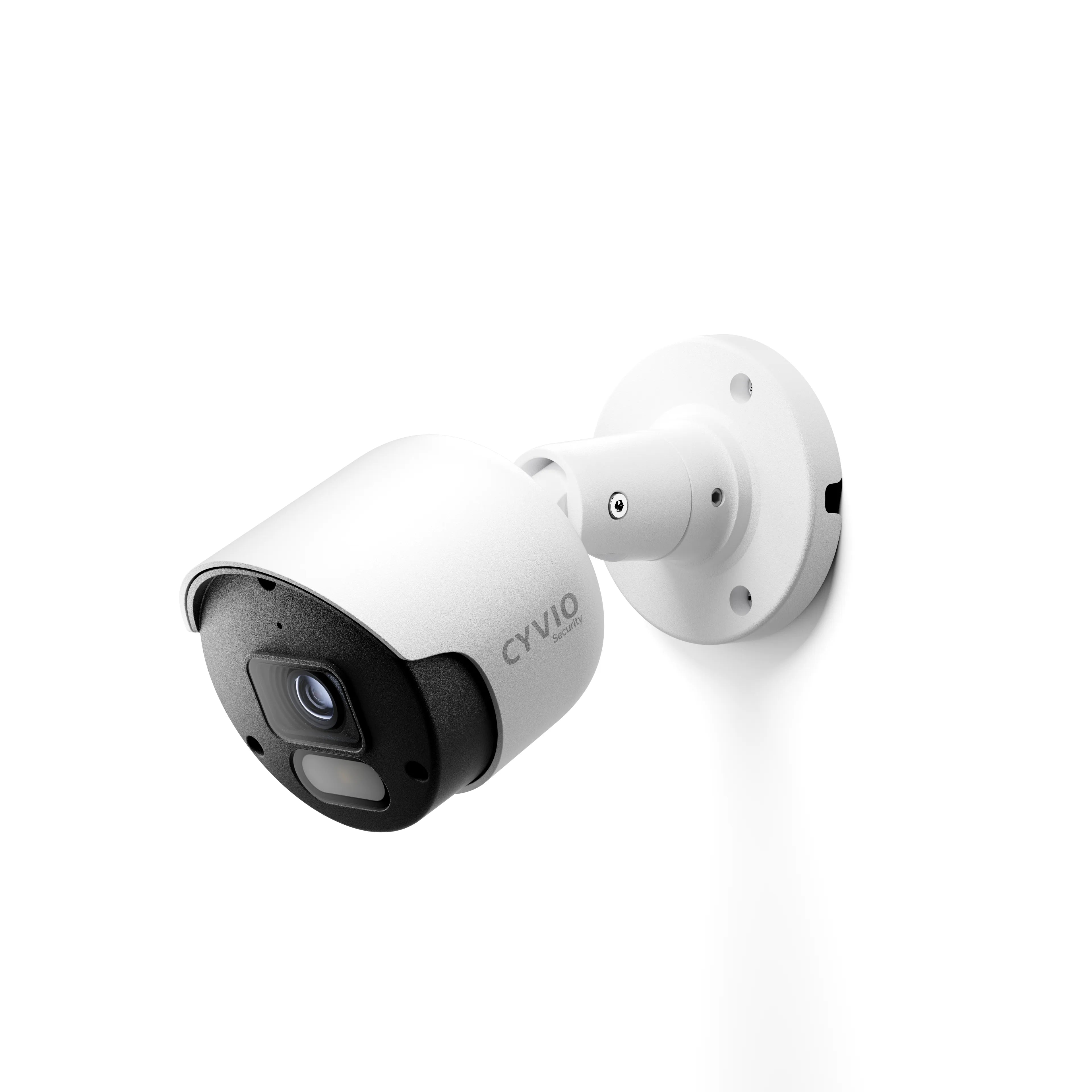
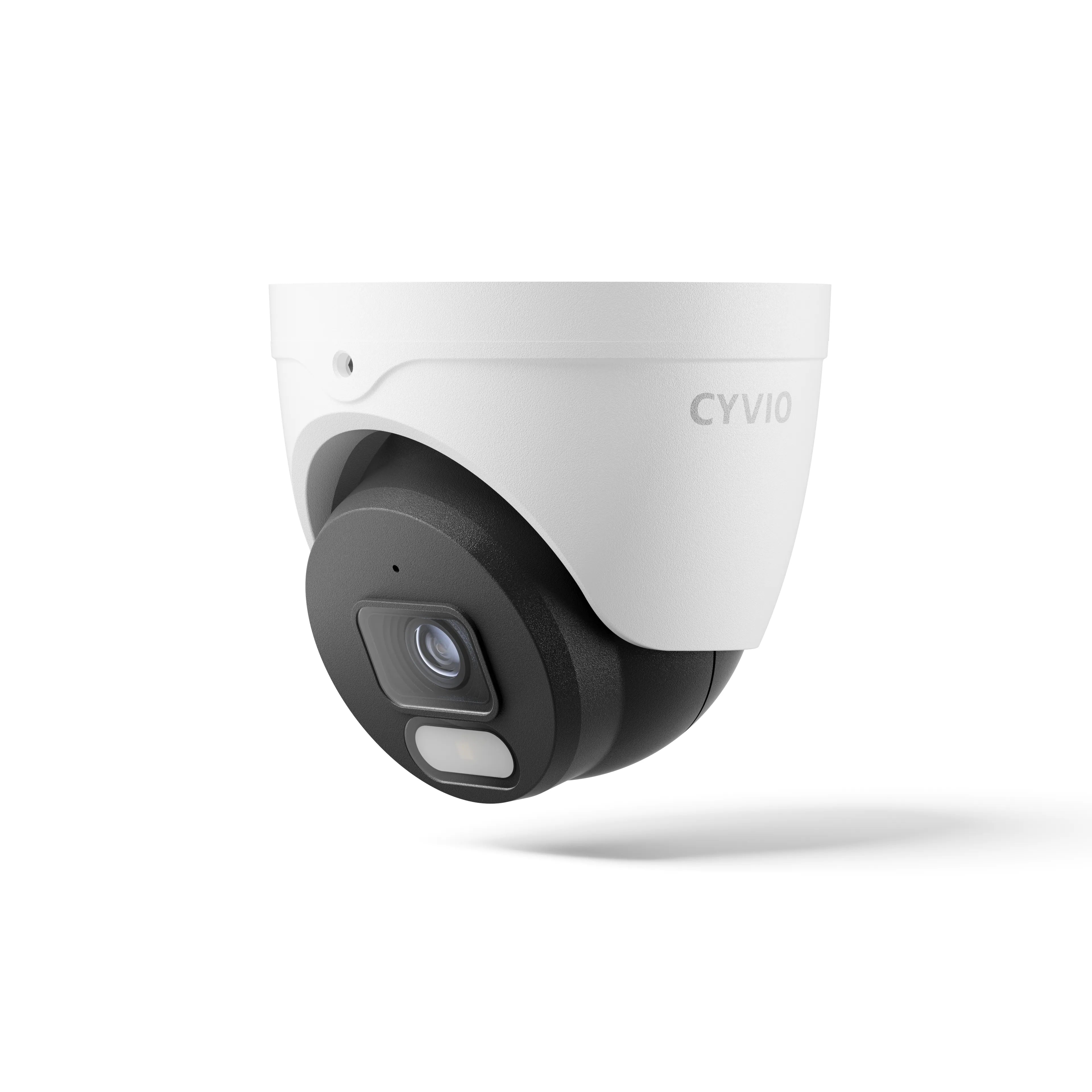
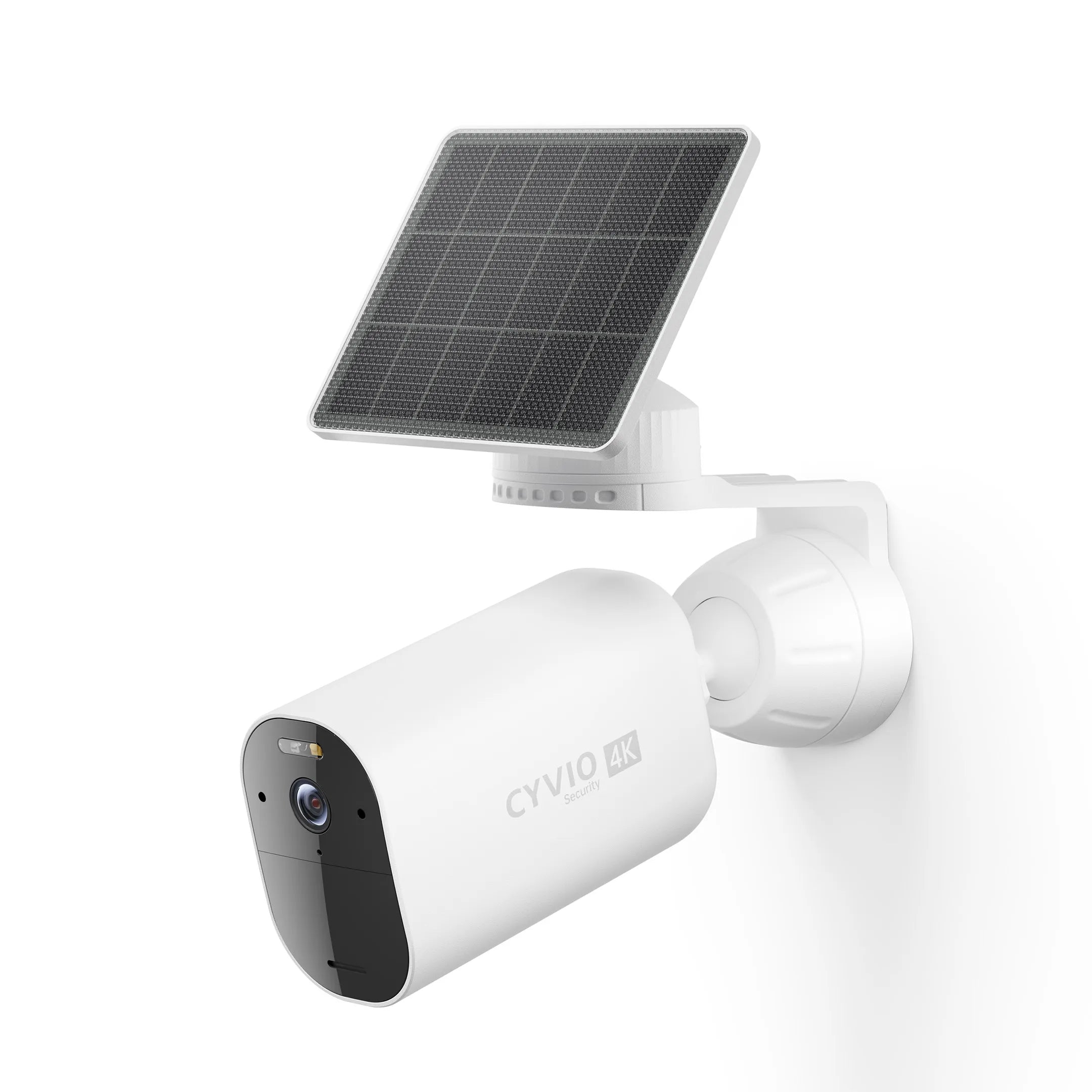
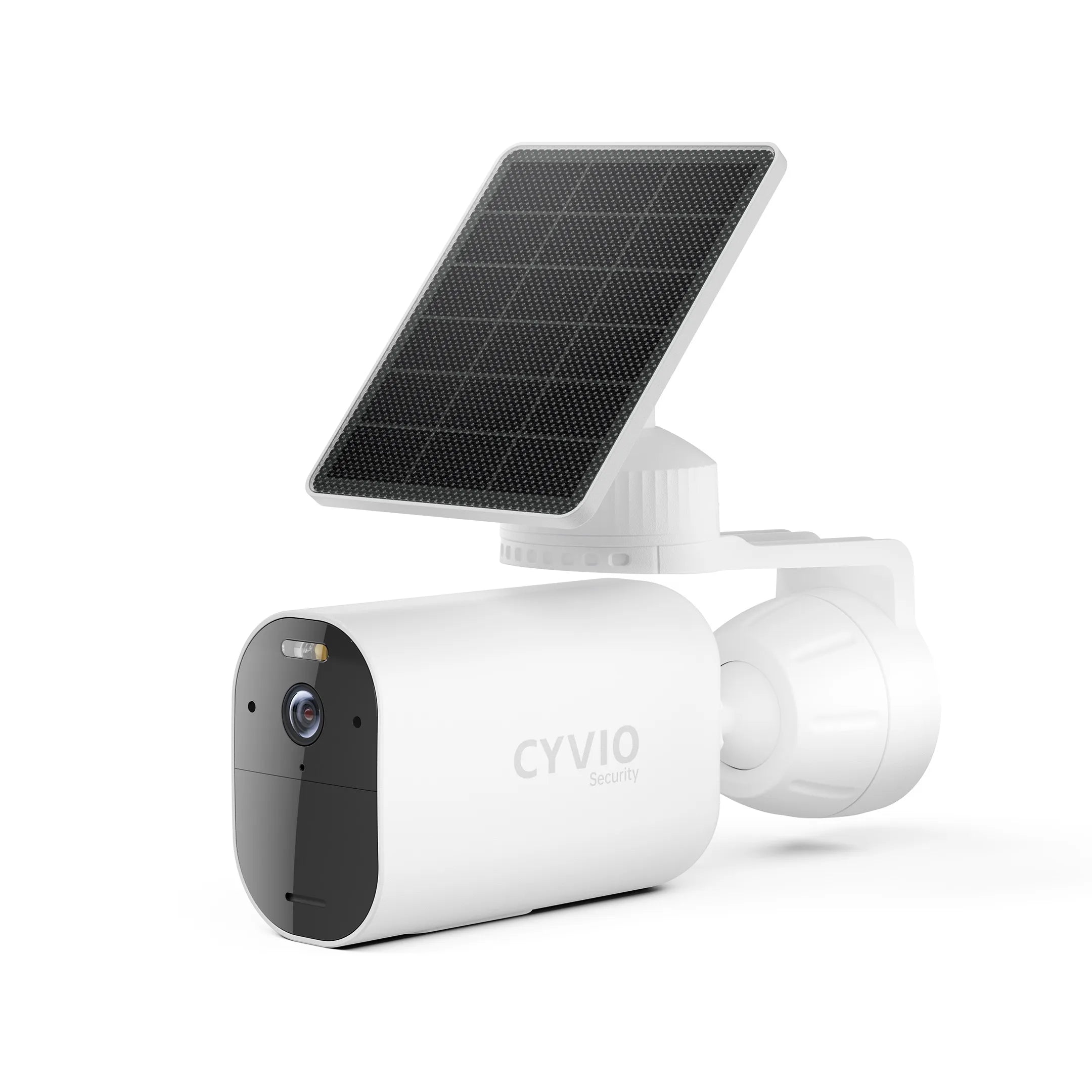
For communities and businesses looking for reliable vehicle detection solutions, CYVIO N2838D PoE smart security cameras combine advanced AI analytics with high-definition surveillance technology.

CYVIO N2834D PoE cameras are designed to deliver intelligent vehicle monitoring while maintaining stable performance in real-world outdoor environments.
Key advantages include:
1.4K Ultra HD Video Quality
CYVIO cameras capture highly detailed footage that helps improve long-range vehicle detection and overall monitoring accuracy.

2.Intelligent AI Vehicle Detection
The built-in smart analytics system accurately identifies different vehicle types while reducing false alarms caused by non-vehicle motion.
3.Light Color Night Vision
The supplemental lighting system helps maintain clear and color nighttime visibility while optimizing energy efficiency and image quality.
4.Low False Alarm Design
Advanced filtering algorithms reduce unnecessary alerts triggered by environmental interference such as moving branches, shadows, or animals.
By combining AI analytics, 4K image clarity, and intelligent night vision technologies, CYVIO provides a practical and professional vehicle detection solution for modern communities.

Conclusion
As communities become smarter and security needs continue to grow, AI vehicle detection is transforming the way residential areas, schools, parking lots, and commercial properties manage safety. Instead of relying only on traditional surveillance recording, intelligent security cameras can now actively recognize vehicles, reduce false alarms, monitor suspicious activity, and improve emergency response efficiency in real time.
From protecting fire lanes and school zones to enhancing community security and parking management, vehicle detection technology helps create safer and more organized environments for both residents and property managers. With advancements in AI, deep learning, and 4K imaging, smart surveillance systems are becoming more accurate, reliable, and practical than ever before.
At the forefront of this innovation, CYVIO is committed to delivering intelligent security solutions that combine advanced AI analytics, ultra-clear 4K video quality, and reliable day-and-night performance. Focused on privacy-first and user-friendly security technology, CYVIO provides smart camera systems designed to make modern security simpler, smarter, and more efficient for homes and communities alike.
FAQ
1.What is AI vehicle detection in security cameras?
AI vehicle detection is a smart surveillance feature that uses artificial intelligence and computer vision to automatically detect and monitor vehicles in video footage.
2.How does vehicle detection reduce false alarms?
Unlike traditional motion detection, AI vehicle detection identifies actual vehicles instead of reacting to all movement. This helps filter out alerts caused by animals, shadows, rain, or trees.
3.Can AI vehicle detection work at night?
Yes. Modern systems use infrared and color night vision, low-light enhancement, and AI image processing to maintain accurate vehicle detection during nighttime conditions.
4.What types of vehicles can AI cameras detect?
Most advanced systems can detect sedans, SUVs, trucks, buses, vans, and emergency vehicles.
5.Why is 4K resolution important for vehicle detection?
4K cameras provide clearer images and more detail, improving long-distance detection accuracy and helping AI systems analyze vehicles more effectively.
6.Where is vehicle detection commonly used?
Vehicle detection is widely used in residential communities, schools, parking lots, warehouses, commercial buildings, logistics centers, and smart city security systems.
7.Are AI vehicle detection cameras suitable for residential communities?
Yes. AI vehicle detection is especially useful for monitoring parking areas, protecting fire lanes, and improving overall neighborhood security.