









What Is an NVR? Network Video Recorder Guide, DVR vs NVR

What Is an NVR? A Complete Beginner-Friendly Guide
If you're exploring home or business security systems, you've likely come across the term NVR (Network Video Recorder). But what exactly does it do, and why has it become the standard in modern surveillance?
An NVR is a digital video recording and management system designed to receive, store, and organize video footage from IP (internet protocol) cameras. Unlike older systems, it operates entirely over a network, meaning video data is transmitted digitally from the camera to the recorder. This allows for higher image quality, easier scalability, and smarter features.
For everyday users, you can think of an NVR as the “brain” of your security system. It manages your cameras, stores recordings, and enables remote viewing through apps or web browsers. As surveillance technology evolves, NVR systems are becoming more intelligent, more connected, and easier to use than ever before.
From Analog to Intelligent: The Evolution of Surveillance Systems
To truly understand NVR technology, it helps to look at how video surveillance has evolved over time. The journey from analog systems to today’s smart security solutions reflects broader advancements in digital and network technologies.
The Analog Era: VCR-Based Surveillance Systems
Early surveillance systems relied on analog cameras connected to VHS recorders and monitoring screens. These setups used coaxial cables to transmit video signals and stored footage on magnetic tapes.
While groundbreaking at the time, these systems had significant limitations. Video quality was low, storage capacity was extremely limited, and finding specific footage required manually fast-forwarding or rewinding tapes. There was no remote access, and managing large systems required complex and expensive switching equipment.

The Digital Shift: DVR (Digital Video Recorder)
The introduction of DVR systems marked the first major transformation in surveillance technology. DVRs converted analog signals into digital formats using video compression technologies such as H.264 and H.265, storing the footage on hard drives instead of tapes.
This change brought major improvements. Users could now search recordings by time or camera, enjoy longer storage periods, and even access footage remotely over a network. However, DVR systems still relied on analog cameras and coaxial cables, which limited image quality and made installation more complex.


The Breakthrough: NVR and Fully Networked Surveillance
The next leap came with the development of NVR systems and IP cameras. Unlike DVR systems, where video is digitized at the recorder, NVR systems rely on cameras that already capture and encode video digitally.
This shift fundamentally changed how surveillance systems are designed. IP cameras send compressed digital video streams over standard Ethernet cables using network protocols like TCP/IP. Many systems also support Power over Ethernet (PoE), allowing both power and data to travel through a single cable, simplifying installation.
Because the video is processed at the camera level, NVR systems can support much higher resolutions, including Full HD and 4K. They also enable distributed intelligence, where features like motion detection, human and vehicle detection, and alerts are handled directly by the cameras.
In this setup, the NVR acts as a centralized management and storage hub, making it more efficient and scalable than ever before.


The Present and Future: Smart, Local-First Security
Today, NVR systems are evolving beyond simple recording devices into intelligent security platforms. Rather than relying heavily on cloud services, many modern systems are designed with a local-first approach, prioritizing data privacy, reliability, and long-term cost savings.
With local storage, all video footage is recorded and managed directly on the NVR. This allows users to access recordings without depending on external servers, avoiding monthly subscription fees while maintaining full control over their data.
At the same time, remote access is still possible through secure network connections and mobile apps. Users can view live footage, receive real-time alerts, and manage their system anytime, without needing cloud storage.
Edge computing is also playing a key role in this evolution. Cameras are becoming smarter, capable of analyzing video in real time and detecting events such as human, vehicles and pets. This reduces the need for centralized processing and improves system efficiency.
Artificial intelligence is further enhancing these capabilities. Instead of simply recording events, modern NVR systems can interpret them—helping reduce false alarms and making security monitoring more accurate and actionable.
This shift is transforming security systems from passive recording tools into proactive, intelligent solutions—while keeping data secure, private, and fully under the user’s control.
A Practical Example: Modern NVR Systems in Action
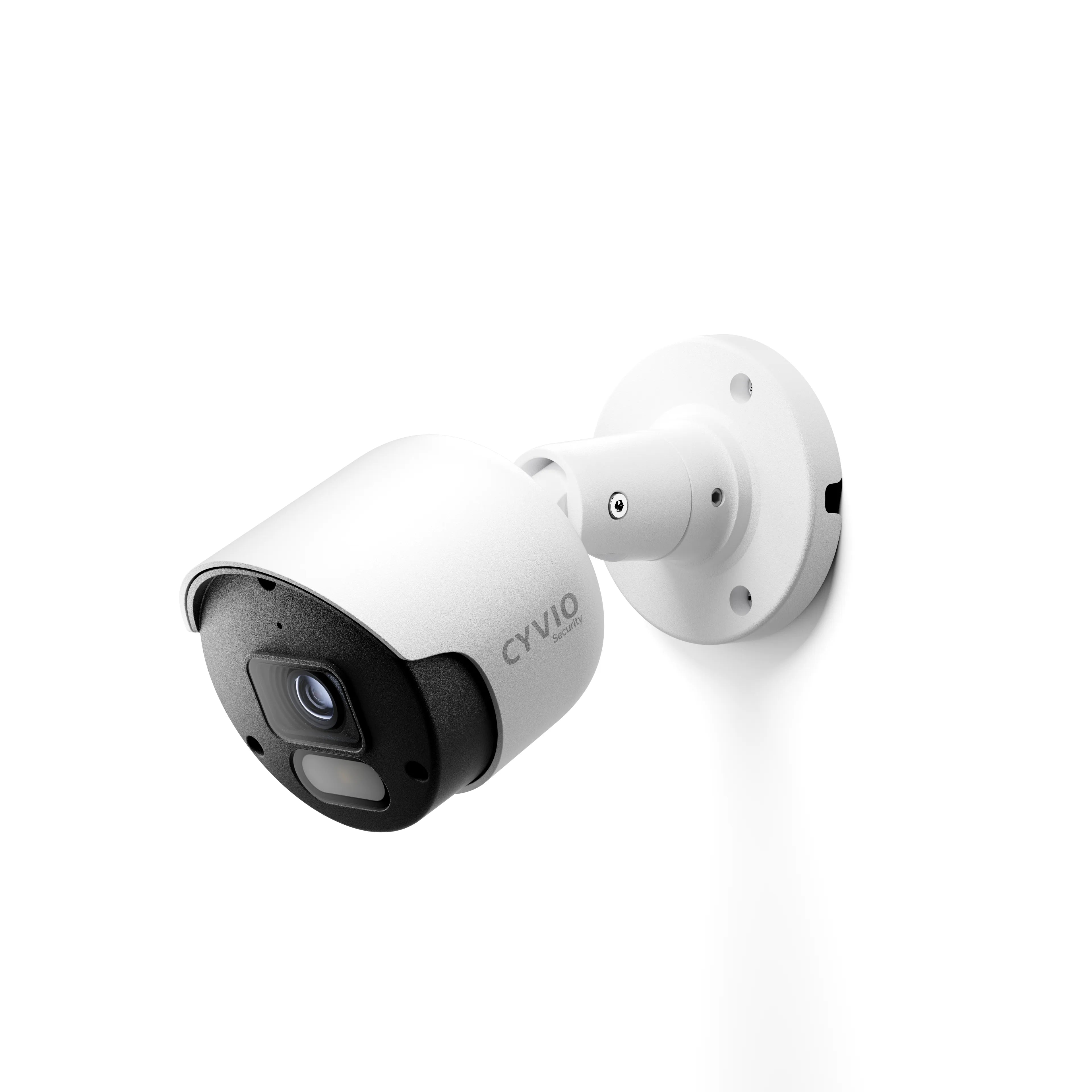
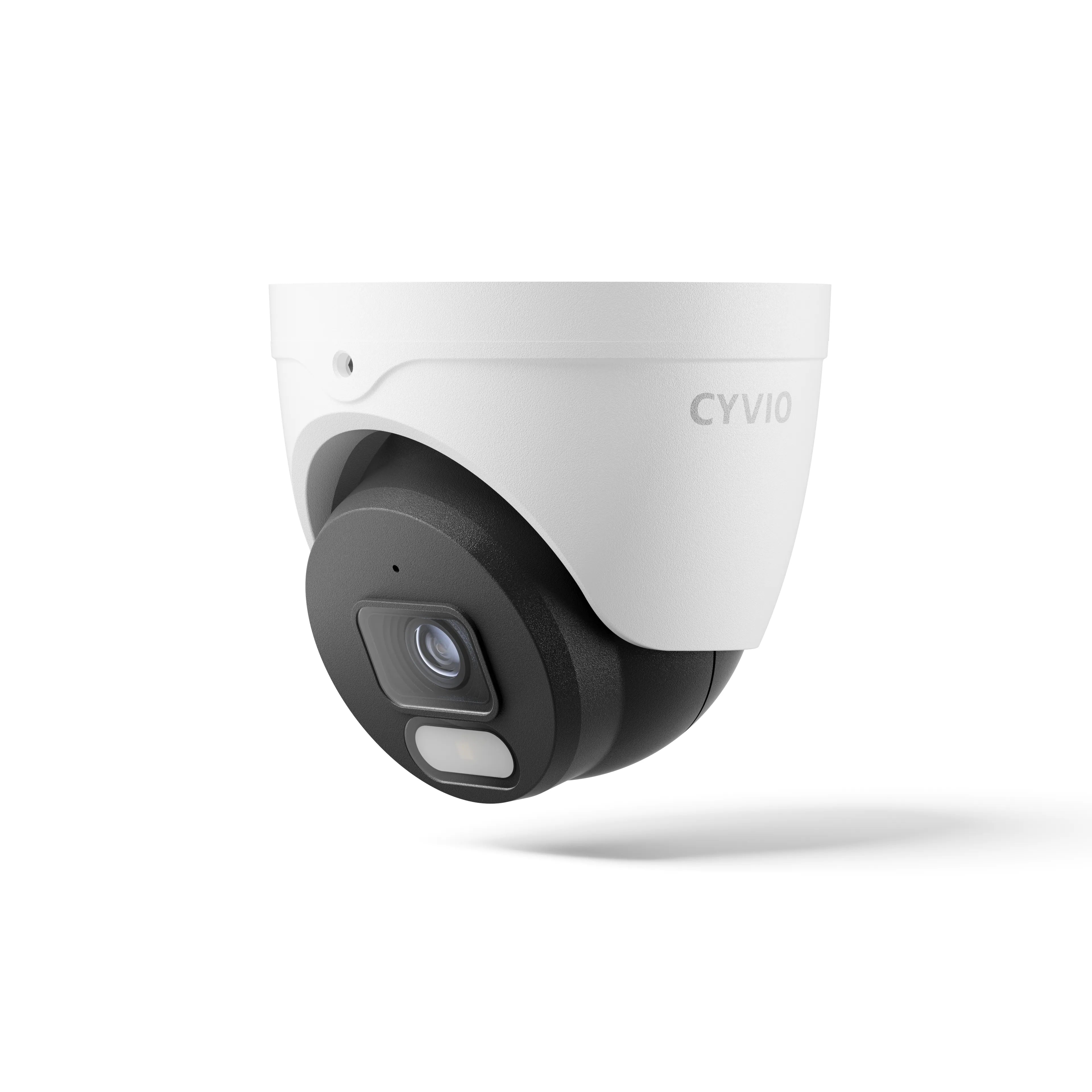
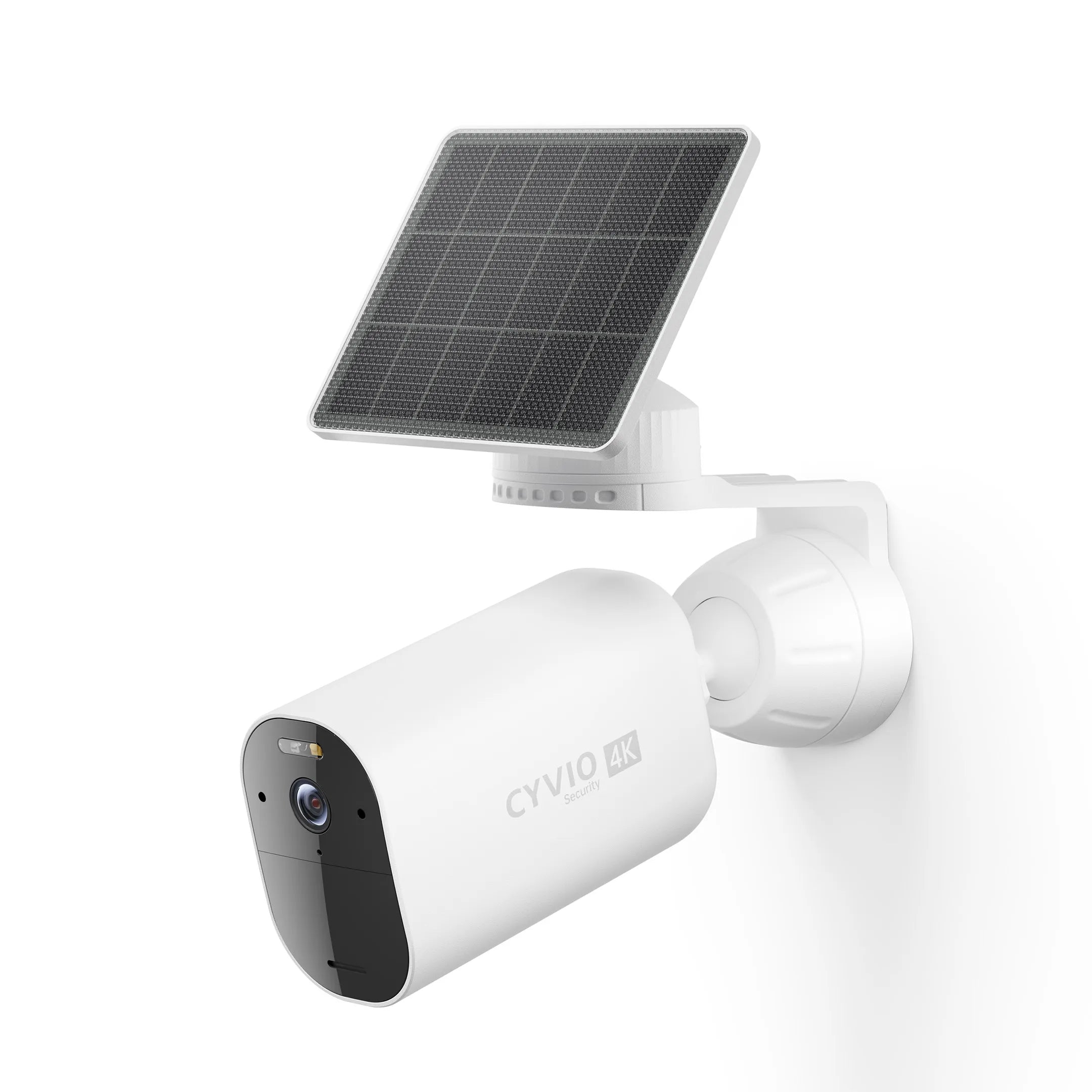
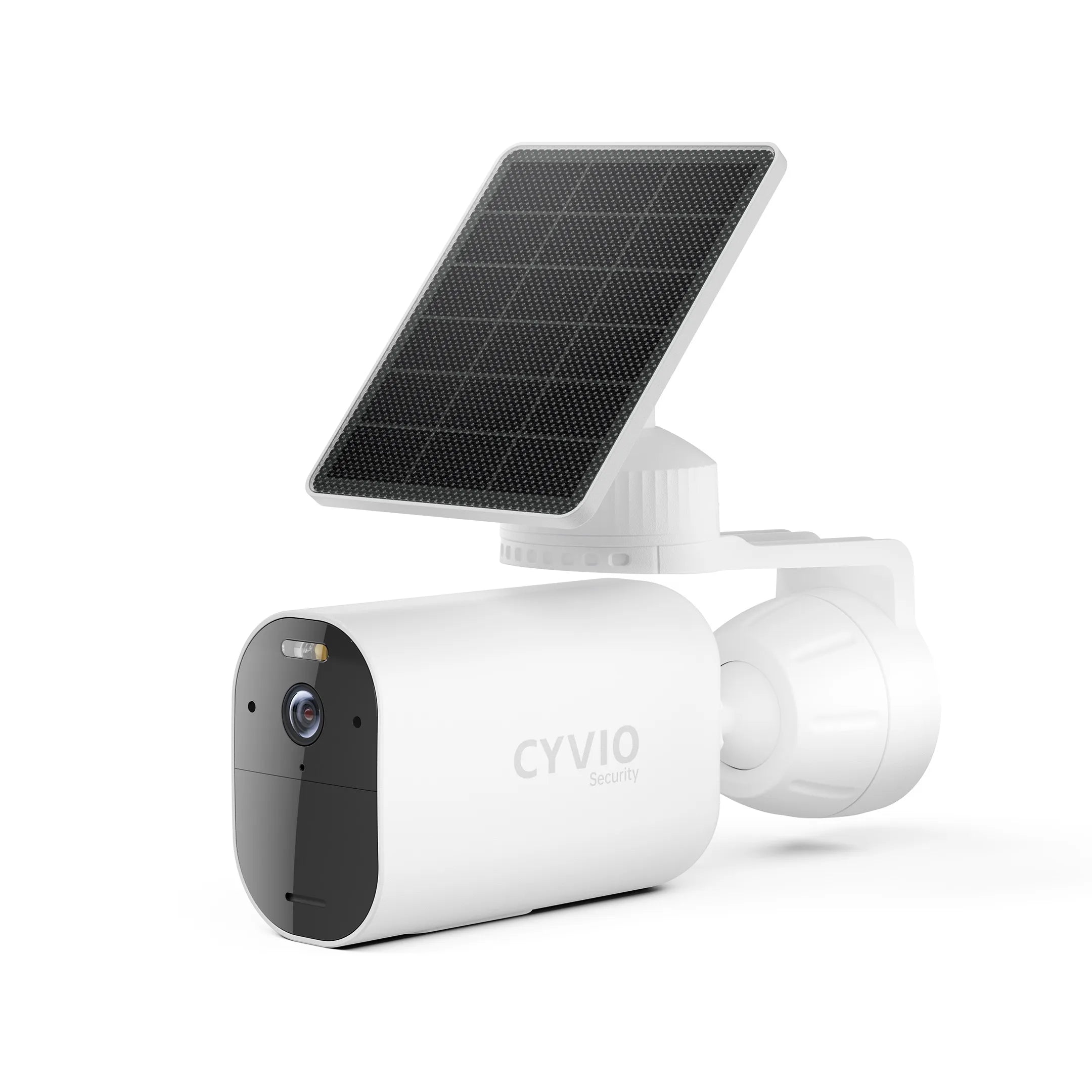
A great example of how far this technology has come is the CYVIO N1812 HaLow WiFi camera system. Unlike traditional wired-only setups, it combines the reliability of an NVR with advanced wireless technology.
Using HaLow WiFi, this system delivers long-range connectivity (up to approximately 700 meters in open areas) along with superior signal penetration compared to standard WiFi. This makes it an ideal solution for larger homes, farms, and small businesses where stable, extended coverage is essential. It still retains the core advantages of an NVR system—centralized storage, stable performance, and high-quality video—while simplifying installation.
For users who want a balance between performance and convenience, this type of hybrid solution represents the next step in smart security.

How to Choose the Right NVR for Your Needs
Selecting the right NVR system depends on your specific use case, but there are several key factors to consider.
First, think about how many cameras you need. A typical home setup might require two to four cameras, while a small business may need eight or more. It’s often wise to choose an NVR with extra channels to allow for future expansion.
Storage capacity is another important consideration. Systems with larger hard drive support can store more footage and retain it for longer periods. If you plan to record continuously or use high-resolution cameras, you’ll need more storage. For example, the CYVIO N1812 4K HaLow WiFi solar wireless security camera system comes with a built-in 32GB microSD card for immediate use, while also supporting HDD expansion up to 16TB (2.5’’ drive). This flexible storage design makes it suitable for both short-term recording and long-term video retention, depending on your needs.
Resolution compatibility is also critical. Make sure the NVR supports the resolution of your cameras, whether that’s 1080p, 2K, or 4K. Higher resolution means clearer footage but also requires more storage and bandwidth.
Smart features are becoming increasingly important. Look for capabilities like motion detection, human and vehicle detection, and customizable alerts zoom. These features can significantly improve the effectiveness of your system.
Ease of use should not be overlooked. A well-designed mobile app and simple setup process can make a big difference, especially for first-time users. Reliable customer support and a good warranty are also worth considering.
The Future of NVR Technology
Looking ahead, NVR systems will continue to evolve alongside advancements in artificial intelligence and the Internet of Things.
We can expect more accurate analytics, enabling systems to go beyond basic motion detection to better detect different types of activity, such as people and vehicles. This helps reduce false alerts and improves overall monitoring efficiency.
At the same time, security systems will continue to become more user-friendly and reliable, with improved remote access, real-time notifications, and smoother app-based control—making it easier for users to stay connected and in control at all times.
Automation will also improve. Future systems may configure themselves, optimize storage, and adjust settings based on user habits, making security more intuitive and user-friendly.
Brands like CYVIO are already moving in this direction by focusing on smarter, more efficient security solutions that combine advanced AI features with reliable local storage. By eliminating unnecessary subscriptions and keeping data fully under user control, systems such as the CYVIO N1812 demonstrate how modern NVR technology can be both powerful and practical.
Ultimately, the goal is to make security more proactive, intelligent, and accessible—without compromising privacy or simplicity.
FAQ:
1. What is the difference between NVR and DVR?
NVR works with IP cameras that process video digitally at the source, while DVR works with analog cameras and converts the signal at the recorder. NVR systems generally offer better image quality and flexibility.
2. Do I need internet for an NVR system?
No, an NVR can function without internet for local recording. However, internet access is required for remote viewing.
3. How much storage do I need for an NVR?
It depends on the number of cameras, recording resolution, and how long you want to store footage. For example, a 4-camera 4K system may require around 1–2TB of storage for one to several weeks, depending on factors such as compression (H.265), bitrate, and whether recording is continuous or motion-triggered.
4. Can I add more cameras later?
Yes, as long as your NVR has available channels. Choosing a system with extra capacity is recommended.
5. Are wireless NVR systems reliable?
Modern wireless systems, especially those using advanced technologies like HaLow WiFi, can be very stable and reliable when properly set up.
6. Is an NVR system suitable for home use?
Absolutely. Many NVR systems are designed specifically for homeowners, offering easy setup, mobile access, and smart features.