









CMOS vs CCD in Security Cameras: Image Quality, Night Vision, and Power Efficiency Explained

Understanding CMOS vs CCD Image Sensors
When shopping for a home security camera, smart video doorbell, or even a dash cam, you’re often presented with a long list of specifications—resolution, night vision, field of view, AI detection, frame rate, and more. While these specs may seem overwhelming, the true foundation of image quality lies in one critical component: the image sensor.
In the world of security cameras and smart home devices, CMOS and CCD are the two primary image sensor technologies. They determine how clearly your camera captures details, how well it performs at night, how much power it consumes, and how intelligently it responds to motion.
In this article, we’ll explain CMOS vs CCD sensors in simple, practical terms—focusing on real-world security applications—so you can make informed decisions without getting lost in technical jargon.
1. Image Sensors: The “Eyes” of Smart Security Devices
An image sensor is the electronic component that converts light into digital signals. In security cameras, video doorbells, baby monitors, and pet cameras, the image sensor directly affects:
- Image clarity and sharpness
- Night vision performance
- Motion detection accuracy
- Power consumption and battery life
Without a capable image sensor, even a high-resolution camera will struggle to deliver reliable footage.
2. CMOS and CCD: Two Different Approaches to Capturing Light

CMOS Sensors: The Modern Standard
CMOS (Complementary Metal-Oxide Semiconductor) sensors are the dominant technology in today’s consumer security cameras. Each pixel on a CMOS sensor can independently capture light and convert it into an electrical signal. This design allows:
- Faster image processing
- Lower power consumption
- Lower manufacturing costs
- Easier integration with AI and smart features
Because of these advantages, CMOS sensors are used in nearly all modern smart security devices, from indoor cameras to wireless outdoor systems.
CCD Sensors: A Legacy of Image Consistency
CCD (Charge-Coupled Device) sensors were once the gold standard in professional surveillance and imaging. Instead of processing data at each pixel, CCD sensors transfer all pixel charges across the chip to a single output node.
This results in highly uniform images with excellent signal consistency. However, it also leads to:
- Higher power consumption
- Slower processing speed
- Higher production costs
In the past, CCD sensors were commonly used in banks, traffic monitoring systems, and scientific imaging applications.
3. Why This Difference Matters for Home Security Users
Understanding CMOS vs CCD sensors helps consumers:
- Avoid misleading marketing claims
- Understand why some cameras perform better at night
- Choose between wired and wireless systems
- Balance image quality, battery life, and smart features
For most households and small business, sensor choice directly affects everyday usability rather than just technical specs.
4. Night Vision Performance: From Weakness to Strength
Early CMOS vs CCD in Low-Light Conditions
Traditionally, CCD sensors were superior in low-light environments. Early CMOS sensors struggled with image noise and loss of detail when lighting was poor.
However, modern CMOS technology has closed—and even surpassed—this gap. Backside-illuminated and stacked architectures now allow CMOS sensors to achieve significantly enhanced light sensitivity.
The transition from Front-Side Illuminated (FSI) CMOS to Back-Side Illuminated (BSI) CMOS

Key CMOS Advancements
- Backside-Illuminated (BSI) CMOS: Improves light sensitivity by placing wiring behind the photodiode
- Stacked CMOS Architecture: Separates image capture and processing layers for better performance
- Advanced Noise Reduction Algorithms
Low-Light Performance Comparison
- Traditional CCD: usable images at ~0.1 lux
- Early CMOS: required ~0.5 lux
- Modern high-end CMOS: clear color images at 0.01 lux or lower
This is why many modern security cameras now advertise starlight night vision—a capability made possible by advanced CMOS sensors.
5. Power Consumption and Battery Life: CMOS Dominates
For wireless security cameras and battery-powered video doorbells, power efficiency is critical.
Real-World Comparison
CMOS-based wireless cameras
- Standby power: ~0.5W
- Active power: 1–2W
- Battery life: several months
CCD-based cameras
- Power consumption: 3–5W
- Requires wired power or frequent battery replacement
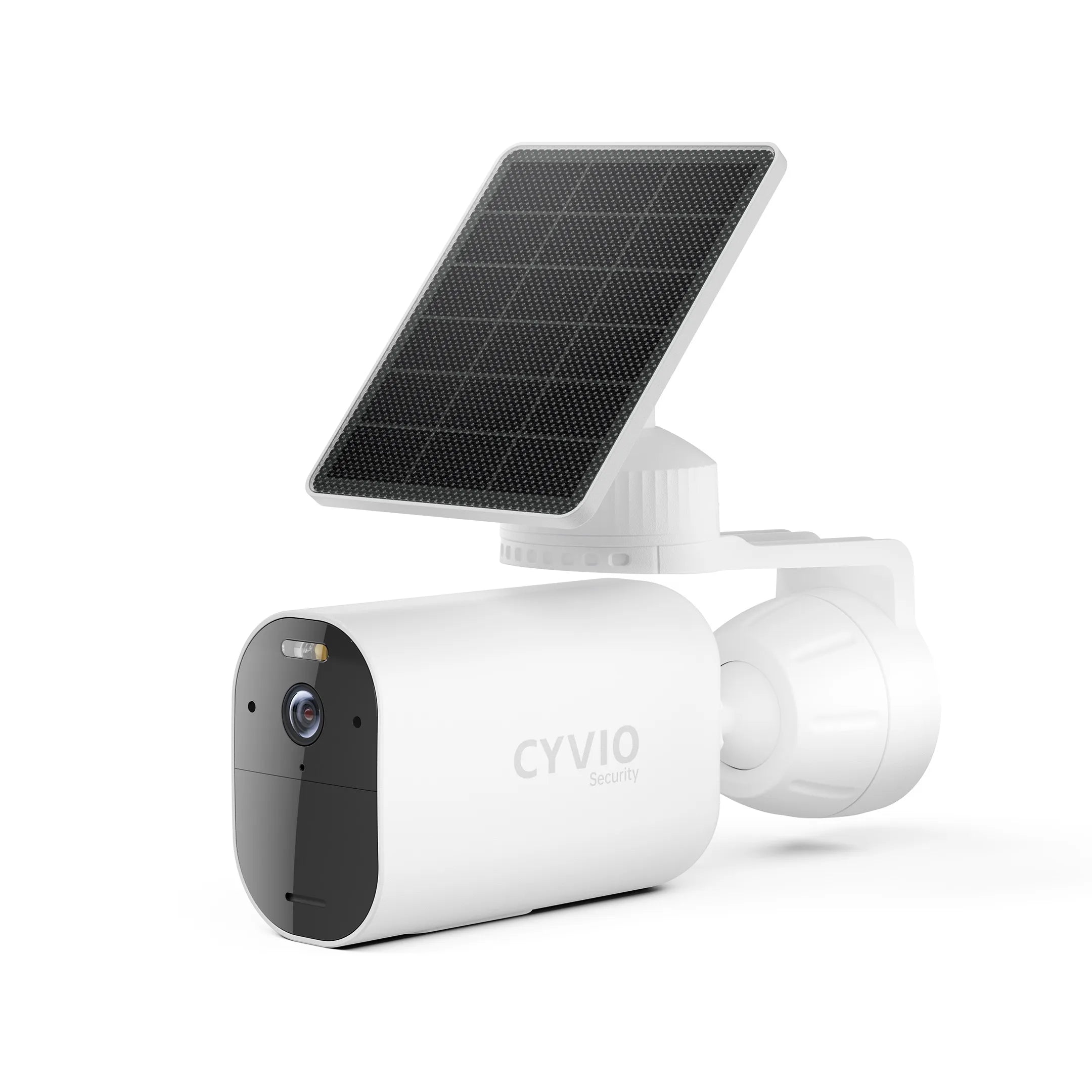
This is why solar-powered security cameras and long-battery-life devices almost exclusively use CMOS sensors.
6. Smart Features and AI Detection
Modern security cameras are no longer passive recording devices. Users expect cameras to:
- Detect humans accurately
- Reduce false alerts
- Distinguish between people, pets, and vehicles
CMOS Advantage in AI Integration
CMOS sensors can integrate processing circuits directly onto the sensor chip, enabling:
- Faster motion analysis
- On-device AI detection
- Lower latency and power usage
CCD sensors typically require external processing chips, increasing cost and response time.
According to industry data, over 99% of consumer security devices with AI detection use CMOS sensors.
7. Cost and Market Adoption
Cost is a major factor in consumer electronics adoption.
Market Trends
- 2010: CCD held ~40% of consumer surveillance market
- 2015: CMOS exceeded 80% market share
- 2023: CMOS accounts for over 99% of consumer-grade security cameras
CCD sensors now remain mainly in niche industrial, scientific, or specialized imaging fields.
8. Practical Comparison: CMOS vs CCD
|
Feature |
CMOS Sensor |
CCD Sensor |
|
Image Quality |
Excellent (modern models) |
Very consistent |
|
Night Vision |
Strong with starlight tech |
Traditionally strong |
|
Power Efficiency |
Extremely low |
High consumption |
|
AI Integration |
Built-in support |
External processing |
|
Cost |
Affordable |
Expensive |
|
Installation |
Wireless-friendly |
Usually wired |
|
Use Cases |
Home security, doorbells |
Industrial & research |
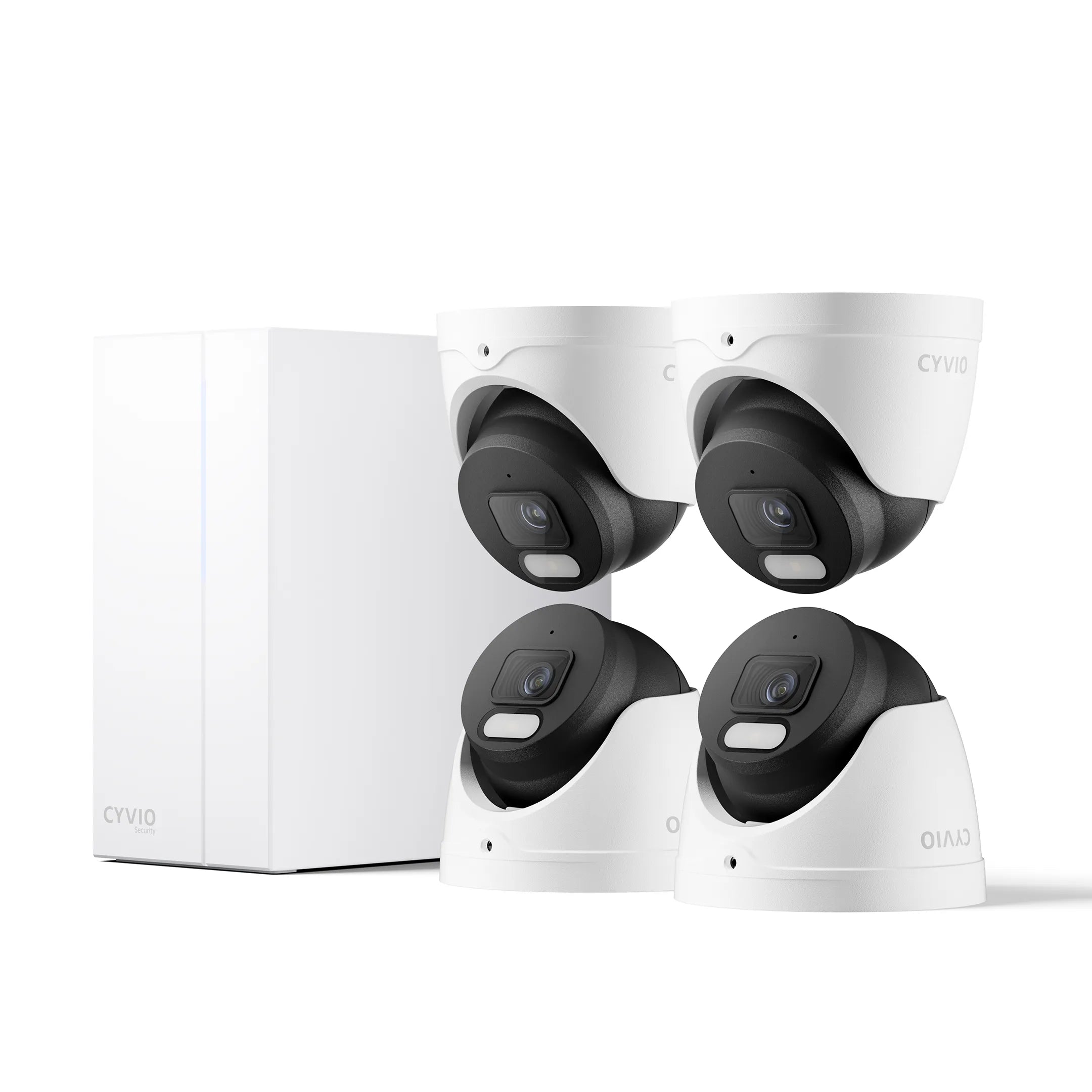
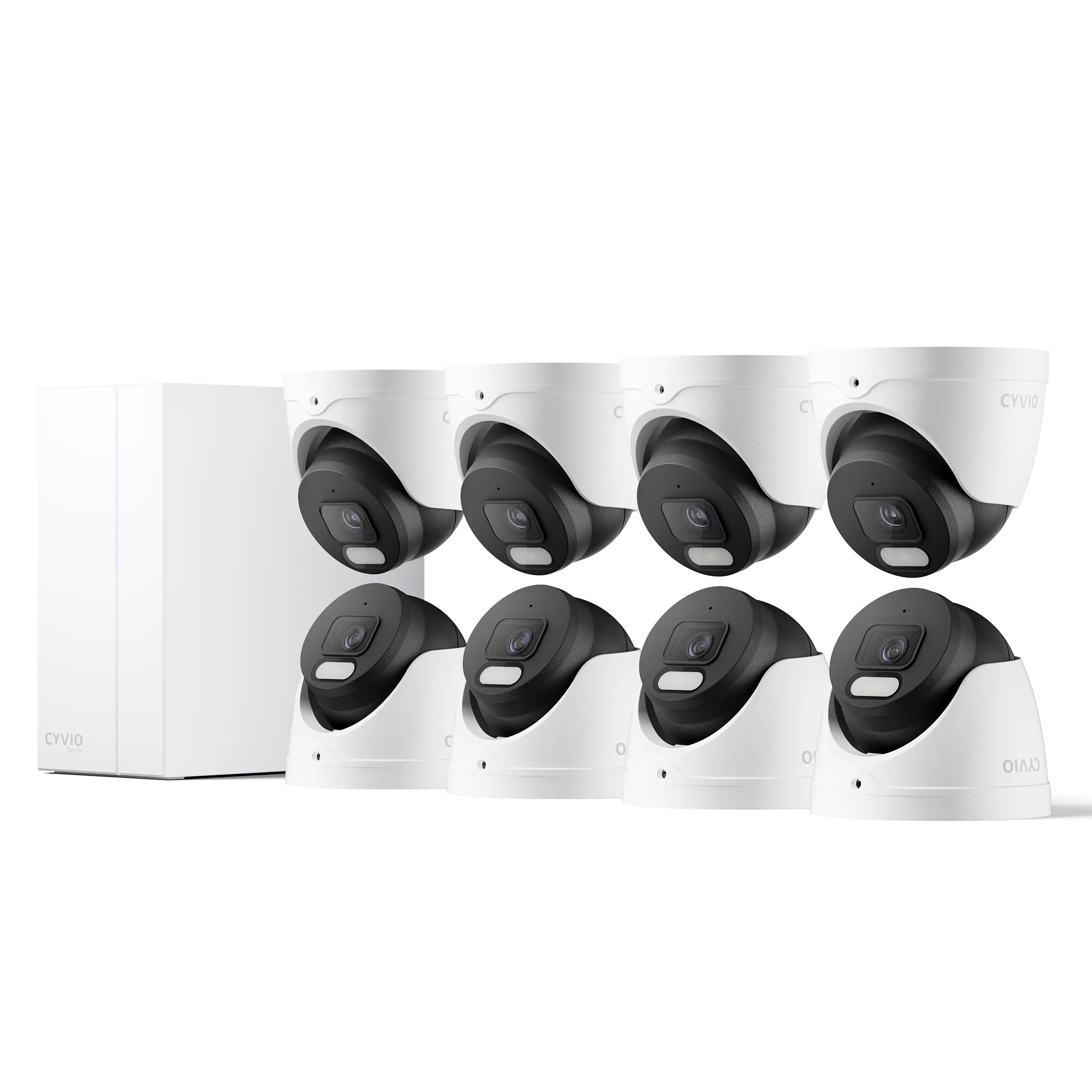
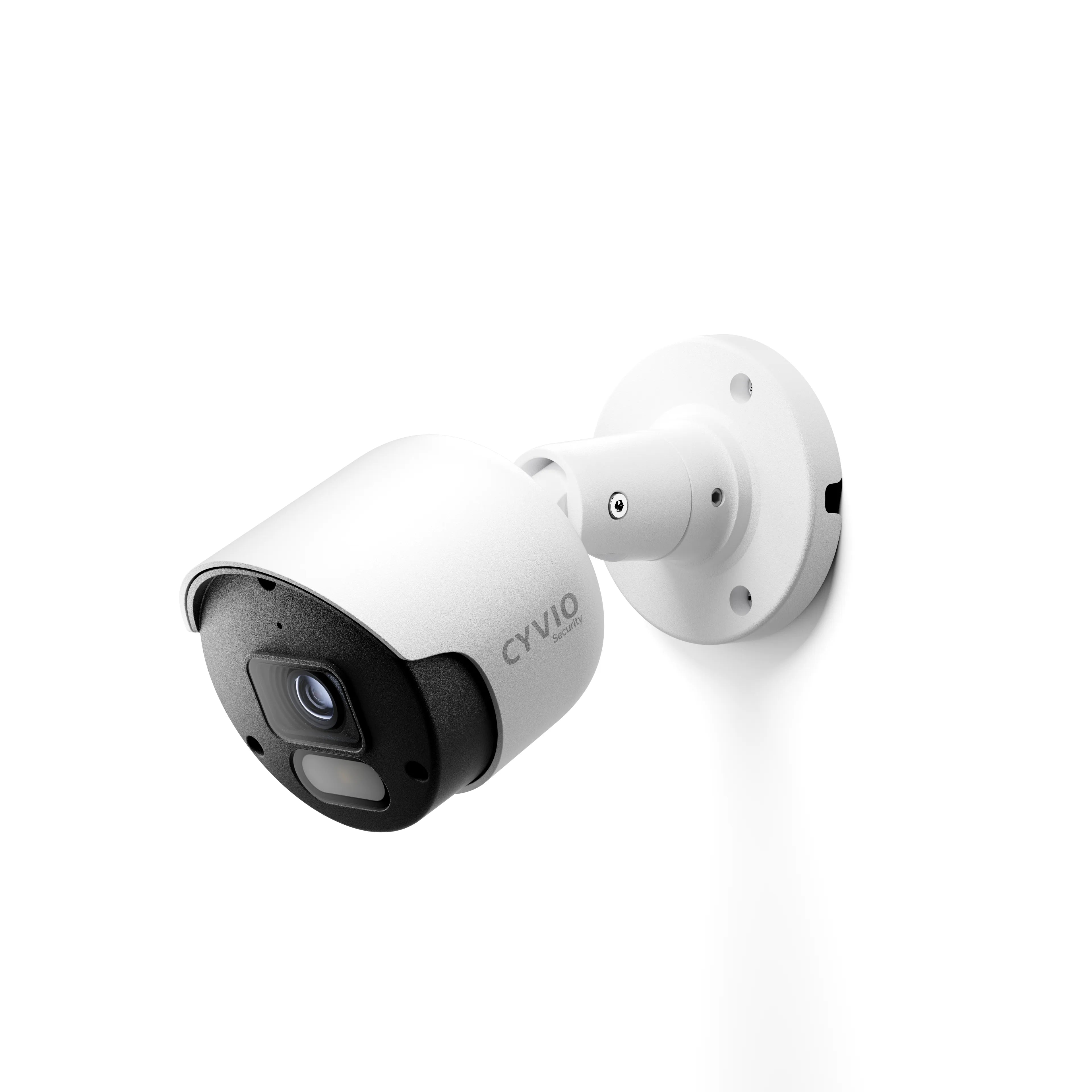
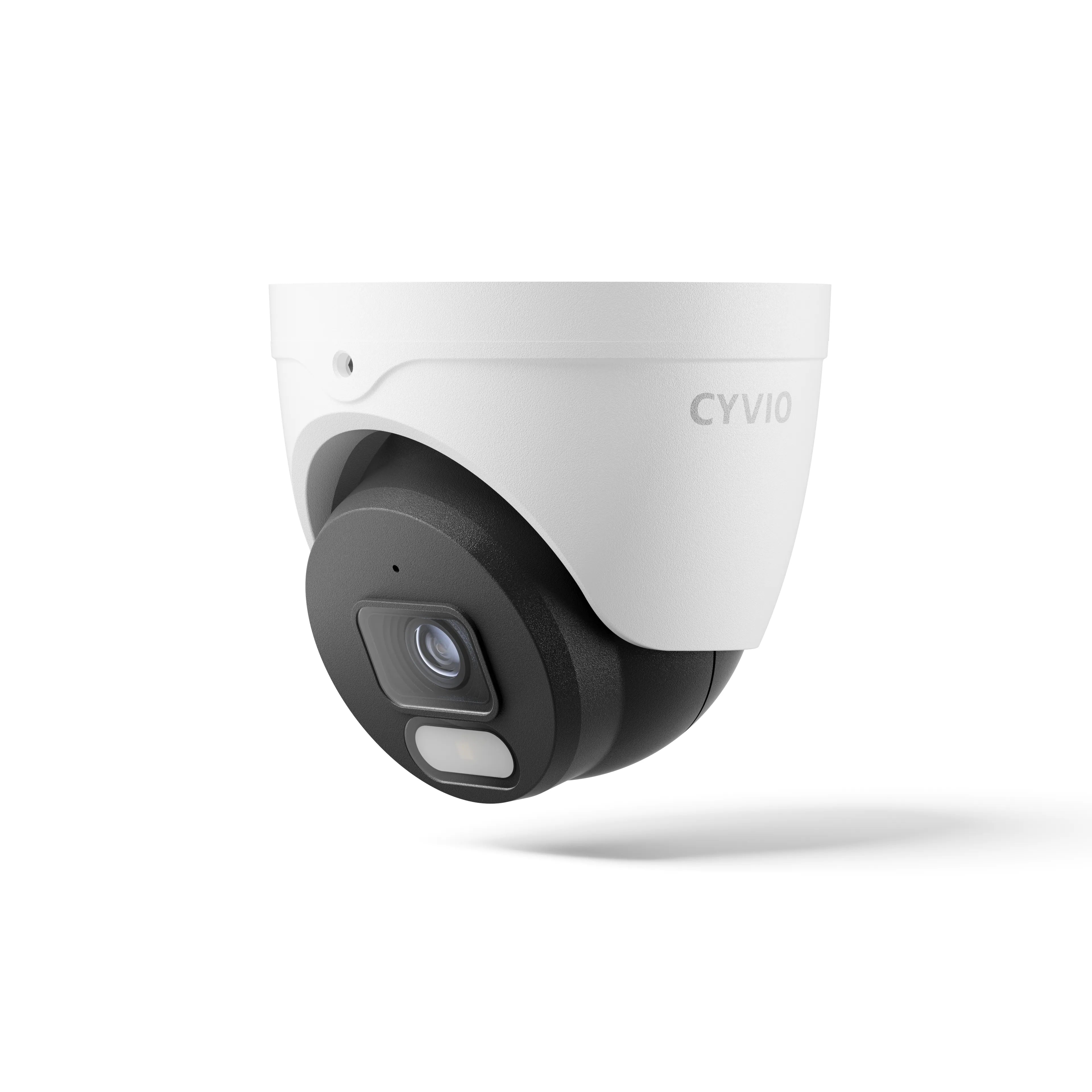
9. Real-World Application: CYVIO Smart Security Cameras
Modern CMOS technology shines when paired with optimized software and system design. CYVIO smart IP cameras demonstrate how CMOS sensors enhance real-world home security.
Starlight Night Vision
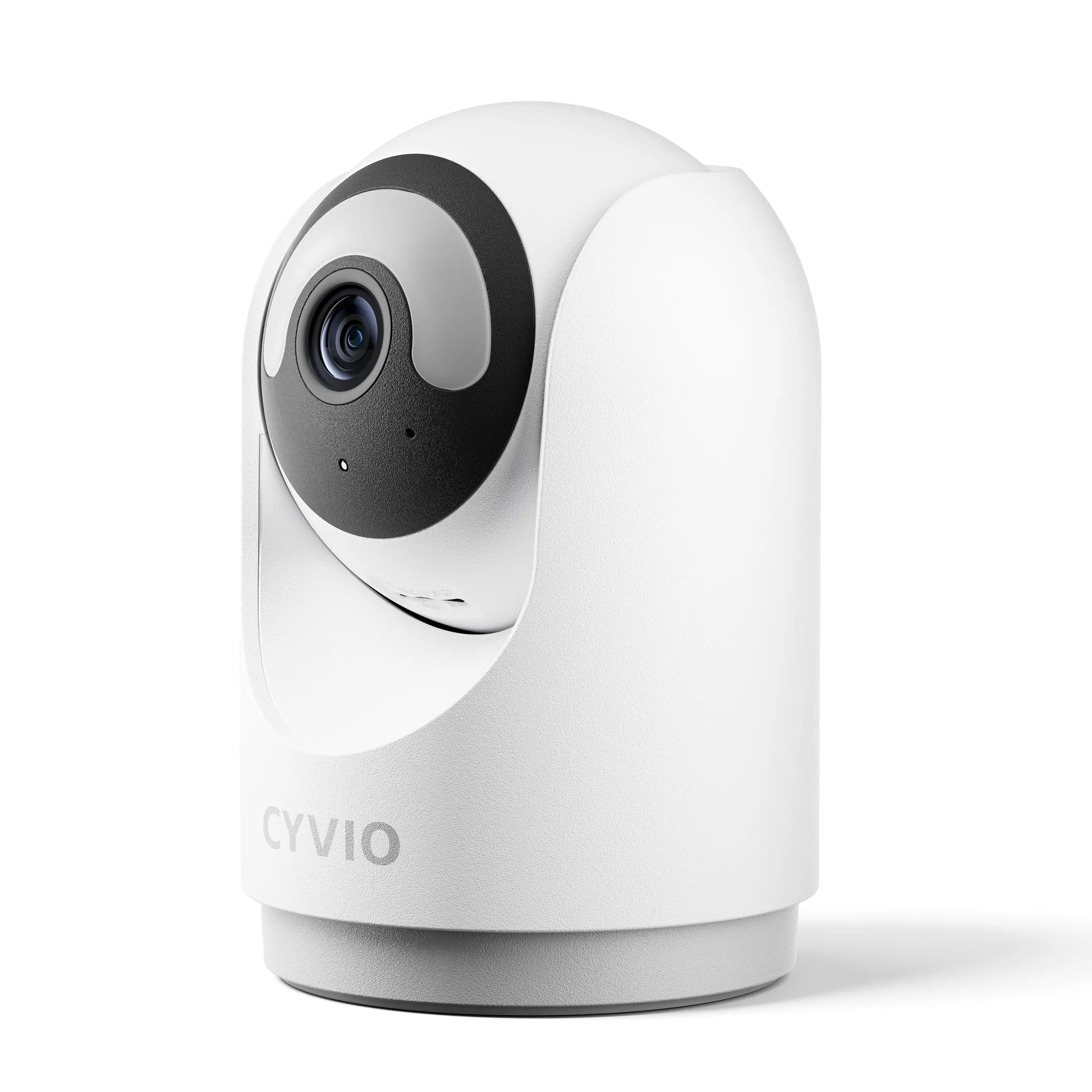
CYVIO WiFi Pan Tilt cameras C2 use starlight-grade CMOS sensors to capture clear color images in extremely low-light conditions (as low as 0.005 lux), ensuring visibility even when the human eye struggles.

AI Human Detection
By combining CMOS sensors with onboard AI chips, CYVIO cameras accurately distinguish humans from pets or environmental motion, reducing false alerts by over 95%.

Ultra-Low Power Consumption
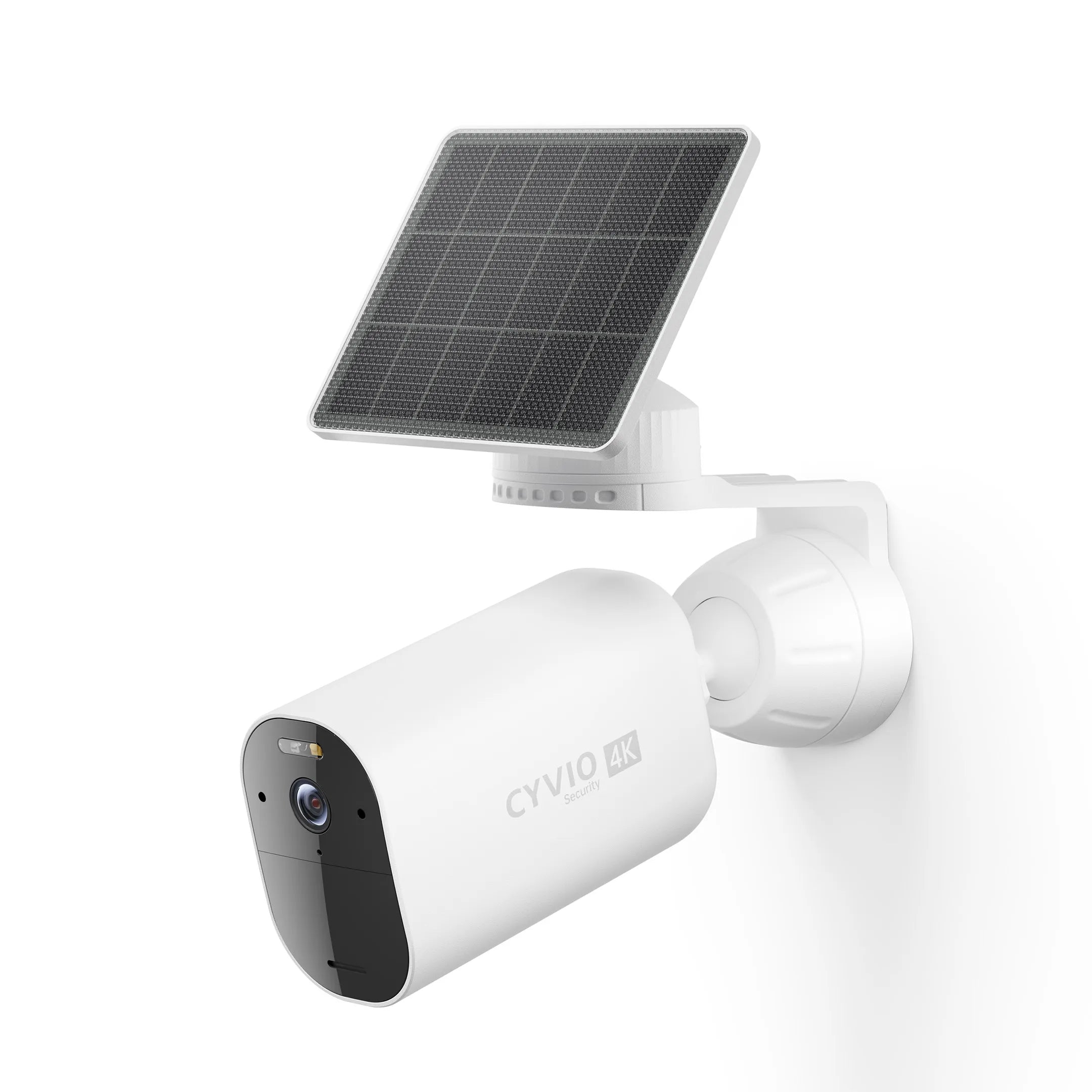
Thanks to CMOS efficiency, CYVIO wireless video doorbell cameras R112 deliver up to 6 months of battery life on a single charge under standard usage.
Wide Dynamic Range (WDR)
With 120dB WDR, CYVIO cameras handle challenging lighting scenarios, preserving detail in both bright and dark areas.

“CMOS gives us the flexibility to optimize image quality, intelligence, and power efficiency—all while keeping installation simple and pricing accessible.” — CYVIO Product Manager
Conclusion
In today’s consumer security market, CMOS sensors have become the clear winner. They offer the best balance of image quality, smart detection, power efficiency, and affordability.
For most users, choosing a modern CMOS-based security camera means reliable performance day and night, fewer false alerts, longer battery life, and easier installation.
Rather than focusing solely on megapixels or marketing claims, understanding the image sensor behind your camera helps you make a smarter, more confident choice.
FAQ: CMOS vs CCD Sensors & CYVIO Security Cameras
1. What image sensor technology does CYVIO security cameras use?
CYVIO security cameras use advanced CMOS image sensors, which are optimized for home and small business security. CMOS technology allows CYVIO cameras to deliver clear images, low power consumption, and fast response times—making them ideal for both wired and wireless installations.
2. Why does CYVIO choose CMOS instead of CCD sensors?
CYVIO chooses CMOS sensors because they offer the best balance of image quality, night vision performance, AI integration, and energy efficiency. Compared to CCD sensors, CMOS enables longer battery life, smarter detection, and easier installation—key requirements for modern smart security systems.
3. How does CMOS technology improve night vision in CYVIO cameras?
CYVIO cameras use starlight-grade CMOS sensors combined with optimized image processing algorithms. This allows them to capture clear color images even in extremely low-light environments (down to 0.005 lux), providing better visibility and more detail than traditional infrared-only night vision.
4. Do CYVIO cameras support AI human detection?
Yes. Thanks to the high level of integration possible with CMOS sensors, CYVIO cameras support AI-based human detection. The system accurately distinguishes people from pets, vehicles, or environmental motion, reducing false alerts by more than 95%.
5. Are CYVIO CMOS video doorbell cameras suitable for wireless and battery-powered setups?
Absolutely. The low power consumption of CMOS sensors allows CYVIO wireless doorbell cameras to achieve up to 6 months of battery life on a single charge under standard usage conditions. This makes them ideal for locations where wiring is inconvenient or impossible.
6. How does CMOS technology affect video quality in challenging lighting conditions?
CYVIO cameras equipped with CMOS sensors support Wide Dynamic Range (WDR) technology. With up to 120dB WDR, they can clearly capture details in both bright and dark areas of the same scene, such as doorways facing strong sunlight.
7. Are CCD sensors better for security cameras than CMOS?
In the past, CCD sensors were favored for their image consistency. However, modern CMOS sensors—like those used in CYVIO cameras—now surpass CCD in most consumer security scenarios, offering better night vision, lower power usage, faster processing, and smarter features.
8. Are CYVIO cameras suitable for both indoor and outdoor security?
Yes. CYVIO CMOS-based cameras are designed for a wide range of applications, including indoor monitoring, outdoor security, entryways, garages, and small business environments, while maintaining stable performance across varying lighting conditions.
9. Does a higher megapixel count matter more than the sensor type?
Not necessarily. While resolution is important, sensor quality, pixel sensitivity, image processing, and lens design play equally critical roles. CYVIO focuses on optimizing the entire imaging system rather than relying solely on high megapixel numbers.
10. What makes CYVIO CMOS cameras a good choice for home security?
CYVIO cameras combine modern CMOS sensors, intelligent AI detection, low power consumption, and user-friendly installation. This results in a security solution that is clear, smart, reliable, and practical for everyday home use.