









Wired vs Wireless Security Cameras: A Complete Guide to Choosing the Right System

Choosing between wired and wireless security cameras can be confusing, especially with many options available for modern homes and businesses. Understanding the differences between wired vs wireless security cameras helps you select a system that matches your installation needs, monitoring goals, and property environment.
Wired cameras are known for stable connections and reliable performance, while wireless cameras offer flexible installation and easier setup. Each option has different advantages depending on factors such as location, maintenance, video quality, and long-term use.
In this guide, we compare wired and wireless security cameras, explain how each system works, and explore how CYVIO security solutions can help you create a practical monitoring setup for your property.
What Are Wired Security Cameras?
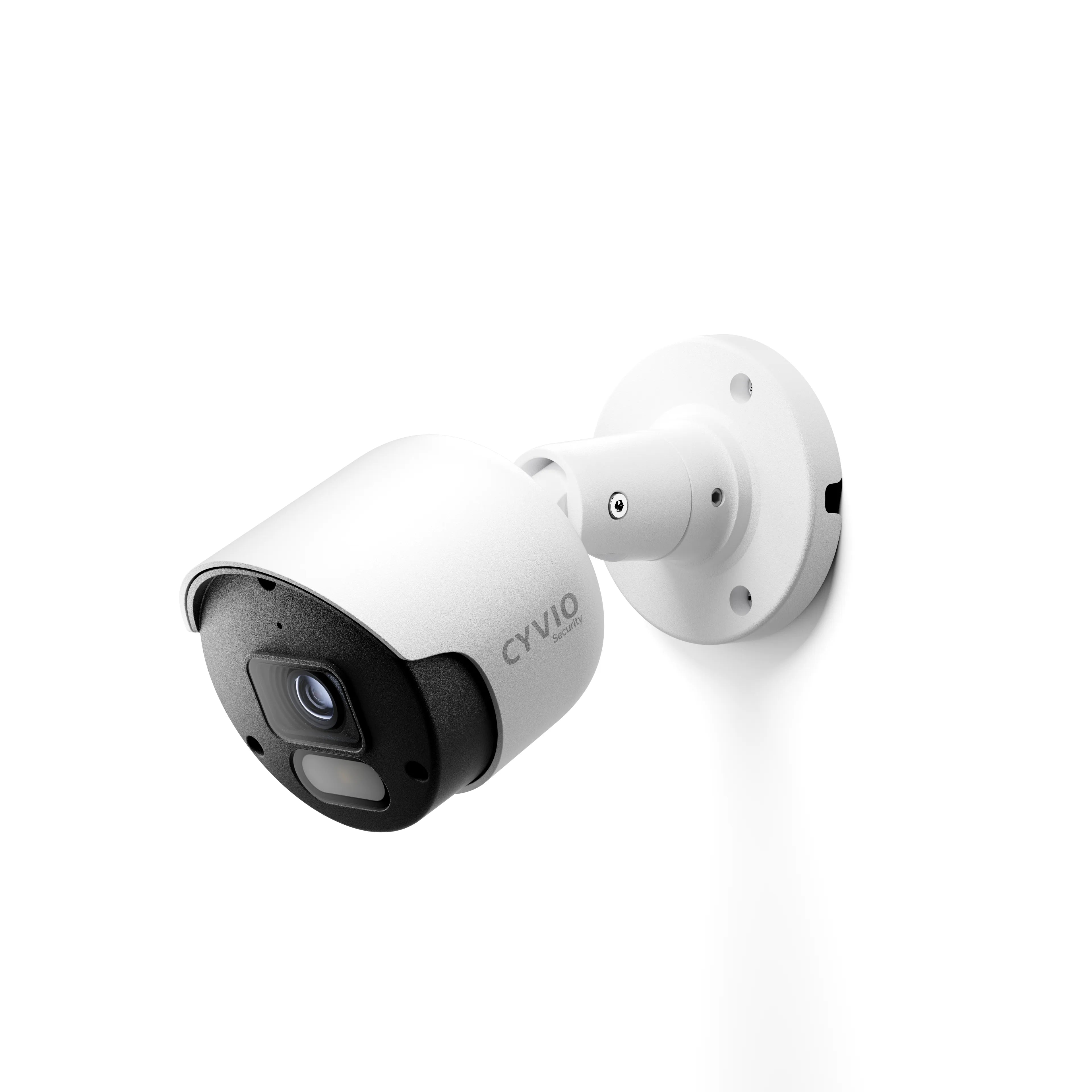
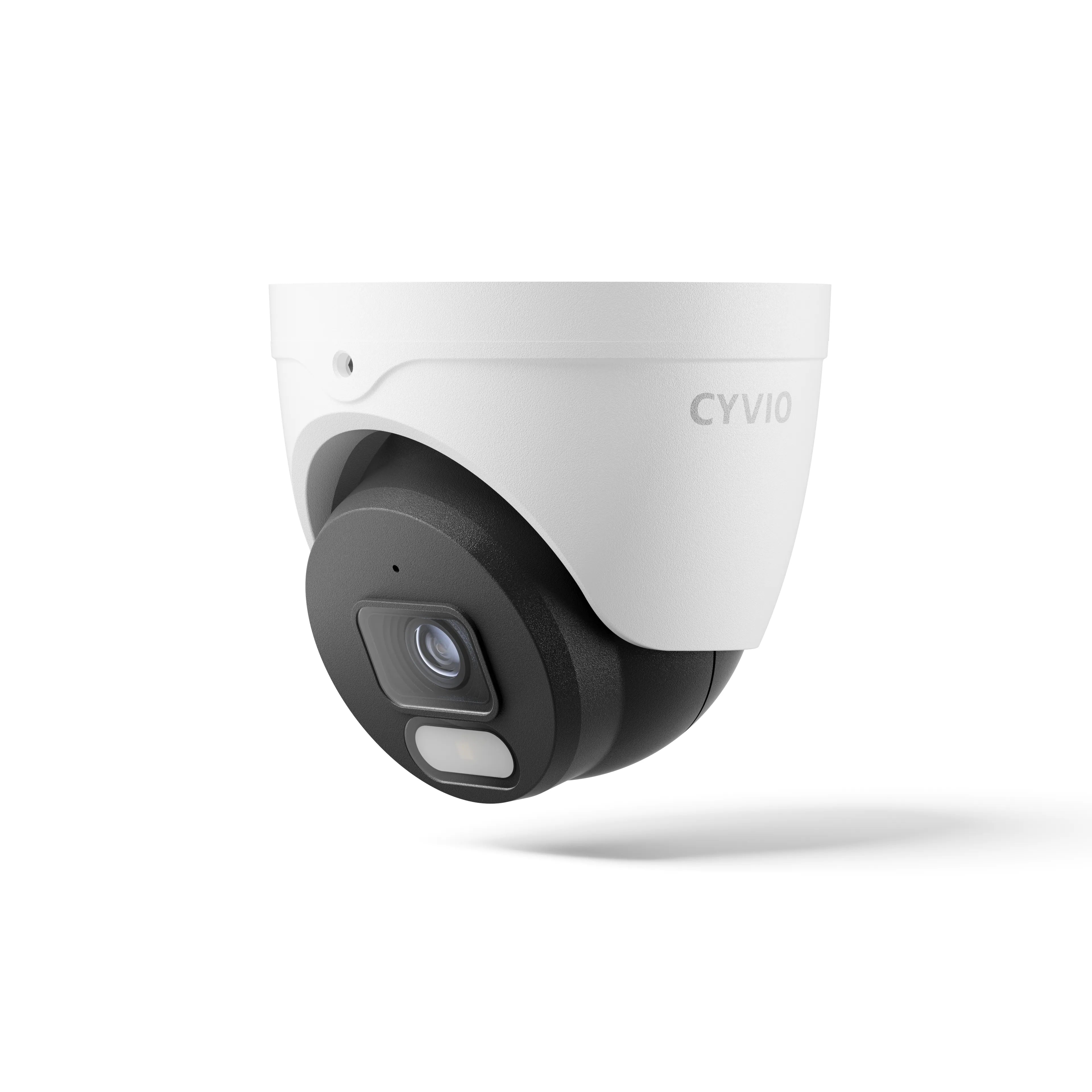
Wired security cameras are surveillance devices that connect to a recording system or network through physical cables. These cables usually provide power and transmit video data between the camera and the recording device.
A typical wired security system includes:
-
Security cameras
-
Ethernet cables or coaxial cables
-
Network video recorder (NVR) or digital video recorder (DVR)
-
Power supply
-
Monitoring device or mobile application
Because wired cameras use direct connections, they are commonly used in homes, offices, warehouses, and commercial properties that require a more permanent installation.
A wired vs wireless security camera system comparison often highlights wired cameras as a strong option for users who prioritize stable connections and consistent performance.
Worried about cold weather affecting your solar camera? Check out: Do Solar Security Cameras Work in Winter?
What Are Wireless Security Cameras?
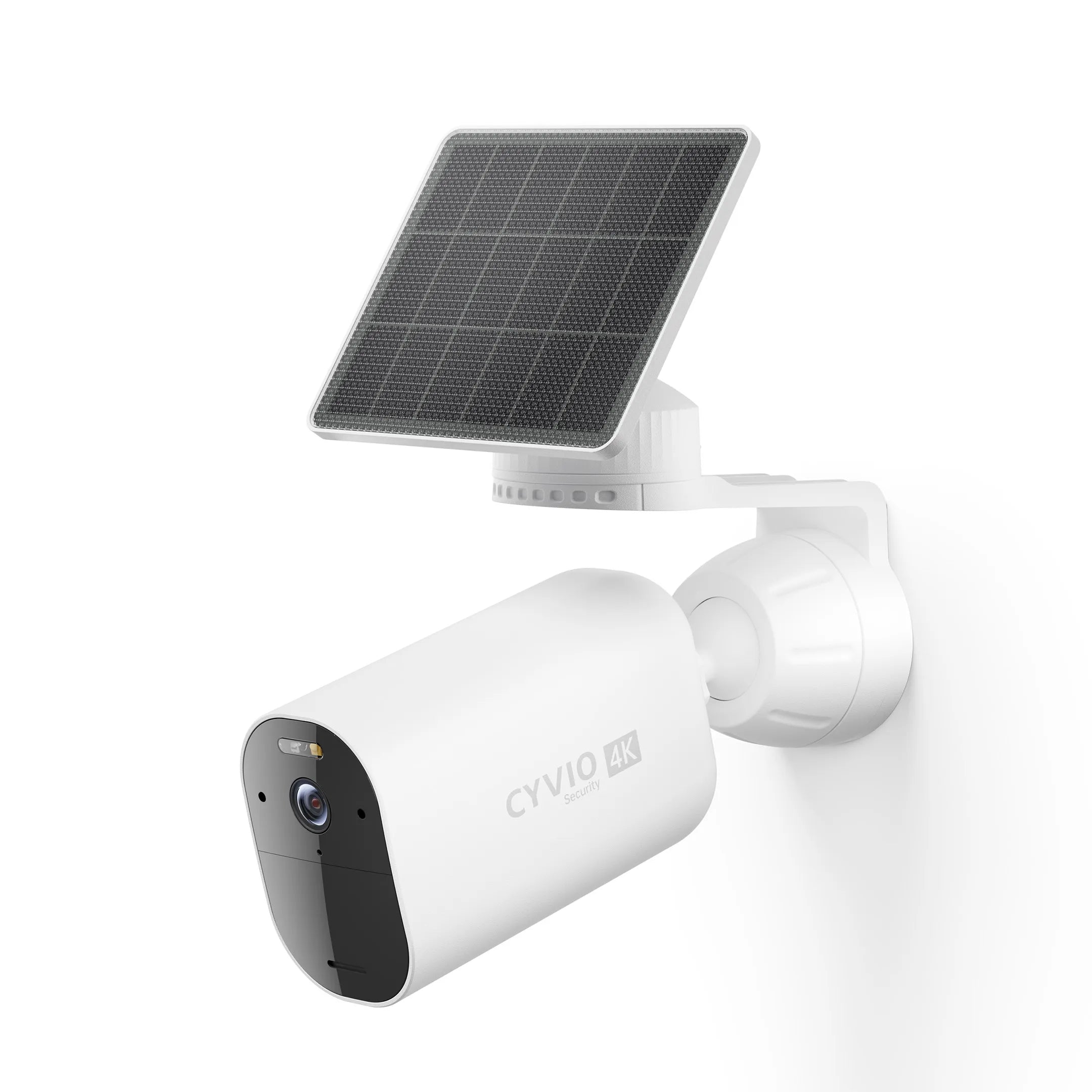
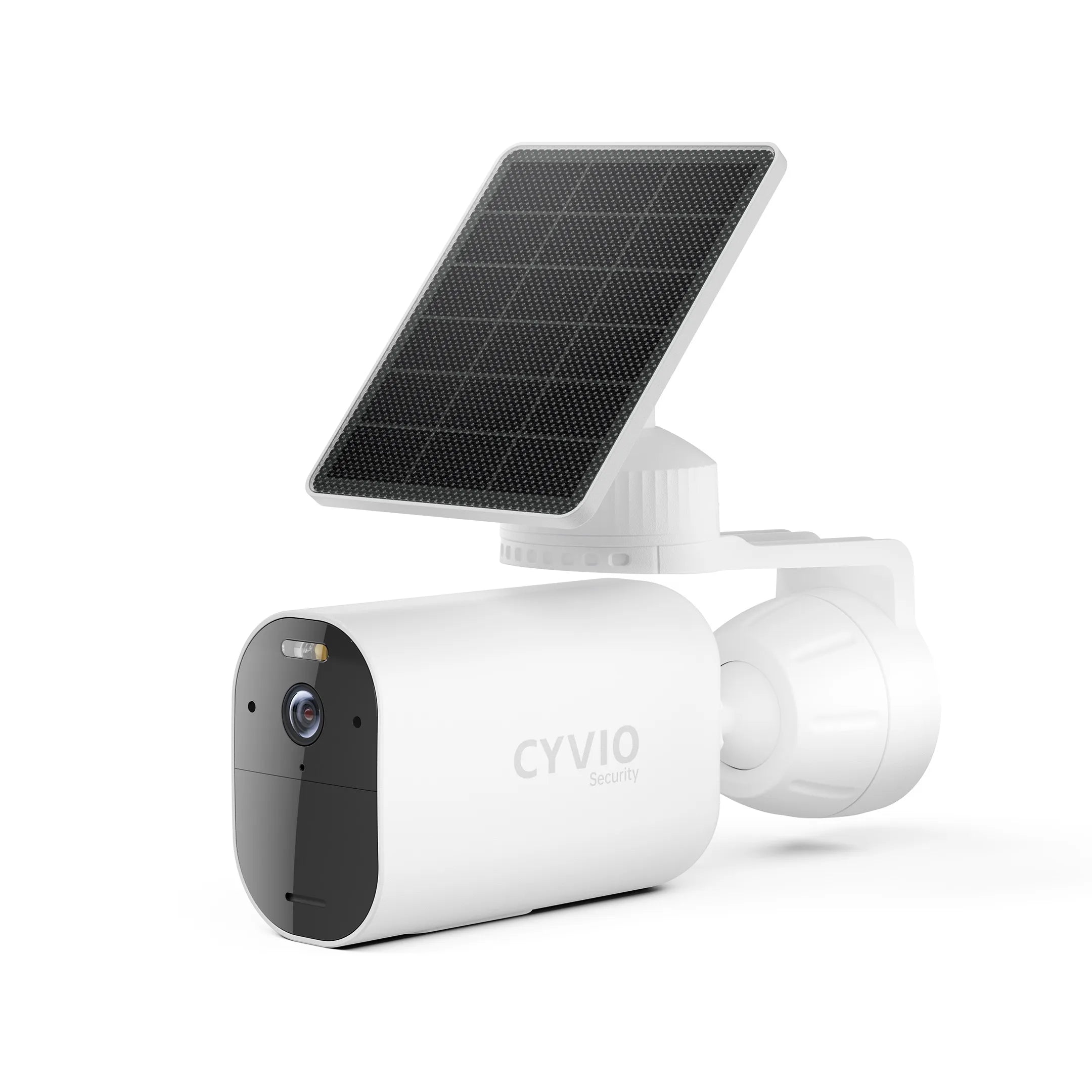
Wireless security cameras use WiFi or other wireless technologies to transmit video data without requiring traditional video cables. Most wireless cameras still need a power source unless they use rechargeable batteries.
A wireless security setup typically includes:
-
Wireless camera
-
WiFi network connection
-
Mobile application
-
Cloud or local storage options
The main advantage of wireless cameras is installation flexibility. They can be placed in more locations without running long cables throughout the property.
For users deciding between wired or wireless security cameras, wireless models are often preferred when easier installation and flexible placement are important.
=> Check out our wifi security camera collection!
Wired vs Wireless Security Cameras: Key Differences
Understanding the main differences between wired and wireless systems can make the decision process easier.
|
Feature |
Wired Security Cameras |
Wireless Security Cameras |
|
Connection |
Ethernet or cable connection |
WiFi connection |
|
Installation |
Requires cable setup |
Easier installation |
|
Reliability |
Stable wired connection |
Depends on wireless signal |
|
Placement |
More fixed locations |
Flexible placement |
|
Power Supply |
Direct power connection |
Battery or power adapter |
|
Maintenance |
Less frequent adjustments |
Battery charging may be needed |
|
Best For |
Permanent monitoring systems |
Flexible home monitoring |
Both systems can provide effective monitoring, but the better choice depends on your property layout and security requirements.
=> Check out our battery powered security camera collection
Wired vs Wireless Cameras: Installation Comparison
Wired Camera Installation
Wired cameras require cables to connect cameras with power sources and recording devices.
Advantages include:
-
Stable connection
-
Organized long-term setup
-
Suitable for multiple cameras
-
Reliable video transmission
However, installation may require more planning, especially for properties where cables need to run through walls or ceilings.
Want to connect your camera to your phone? Read more on: How to Connect WiFi Camera to Mobile
Wireless Camera Installation
Wireless cameras are generally easier to install because they rely on WiFi connections instead of video cables.
Benefits include:
-
Faster setup
-
Flexible placement
-
Easier repositioning
-
Suitable for apartments and smaller properties
A comparison of wired vs wireless cameras shows that wireless systems are often more convenient for users who want a simpler installation process.
Reliability and Connection Stability
Connection reliability is one of the biggest differences between wired and wireless systems.
Wired cameras use direct cable connections, reducing dependence on wireless network conditions. This makes them suitable for locations where consistent video transmission is important.
Wireless cameras rely on WiFi signals, meaning performance can be affected by network strength, distance from the router, and possible interference.
When comparing wireless security cameras vs wired security cameras, users should consider their property size and network environment before making a decision.
Learn how surveillance can improve security. Read more on: Benefits of Video Surveillance
Video Quality and Recording Performance
Both wired and wireless cameras can support high-quality video recording, including HD, 2K, and 4K resolutions.
The video quality depends on:
-
Camera resolution
-
Lens quality
-
Lighting conditions
-
Network performance
-
Storage system
Wired systems may provide more consistent video transmission because they use direct connections, while wireless systems depend more on network conditions.
For homeowners looking for modern solutions, CYVIO offers smart security cameras designed to provide clear monitoring with practical features for everyday use.
Security Camera Systems Wireless vs Wired: Which Is Better for Different Locations?
The best camera system depends on where you plan to install it.
Homes and Apartments
Wireless cameras are often suitable for homes because they offer easier installation and flexible placement.
Common uses include:
-
Living rooms
-
Front entrances
-
Baby monitoring
-
Pet monitoring
Large Properties and Businesses
Wired systems may be more suitable for larger properties that require multiple cameras and permanent installation.
Common locations include:
-
Offices
-
Warehouses
-
Retail spaces
-
Parking areas
A security camera systems wireless vs wired comparison shows that both options have different strengths depending on the environment.
Wireless Camera Remote vs Wired Remote Advantages
Remote access is an important feature in modern security systems.
Wireless camera remote advantages include:
-
Easy mobile access
-
Flexible installation
-
Simple setup
-
Convenient repositioning
Wired camera systems can also provide remote access when connected to an NVR and network system.
When comparing wireless camera remote vs wired remote advantages, the main difference is usually installation flexibility rather than remote viewing capability.
Considering a solar-powered camera for your home? Check out: Are Solar-Powered Security Cameras Worth It?
Are Wired or Wireless Security Cameras Better for Home Use?
Many homeowners ask whether they should choose wired or wireless cameras for their property.
Wireless cameras are often suitable for users who want:
-
Quick installation
-
Flexible placement
-
Simple monitoring
Wired cameras may be preferred by users who need:
-
Permanent installation
-
Multiple camera coverage
-
Stable connections
The best option depends on your home layout, monitoring goals, and future expansion plans.
Want to connect your camera to your phone? Read more on: How to Connect WiFi Camera to Mobile
CYVIO Security Camera Solutions for Modern Homes
CYVIO provides smart security camera solutions designed to support different monitoring needs.
Whether you prefer wired reliability or wireless flexibility, CYVIO offers products that help users create a practical home monitoring system.
CYVIO solutions include:
Flexible Installation Options
CYVIO cameras are designed to fit different environments, from indoor spaces to outdoor areas.
Smart Monitoring Features
Users can benefit from features such as:
-
Remote viewing
-
Motion detection
-
High-quality video
-
Mobile access
Solutions for Different Security Needs
CYVIO products support various applications, including:
-
Home monitoring
-
Outdoor surveillance
-
Door monitoring
-
Smart home setups
Explore CYVIO security camera solutions to find the right option for your property.
Ready to Find the Right Security Camera? Whether you prefer the reliability of a wired system or the flexibility of a wireless camera, CYVIO offers security solutions for different homes and monitoring needs.
How to Choose Between Wired and Wireless Security Cameras?
Before choosing a system, consider these factors:
1. Installation Location
Think about where cameras will be installed and whether running cables is practical.
2. Property Size
Large properties may benefit from wired systems, while smaller homes may prefer wireless flexibility.
3. Maintenance Preferences
Consider whether you prefer:
-
A fixed installation with less adjustment
-
Flexible placement with occasional battery maintenance
4. Future Expansion
Choose a system that can support additional cameras if your monitoring needs grow.
Frequently Asked Questions
1. Are wired security cameras better than wireless cameras?
Wired cameras offer stable connections, while wireless cameras provide easier installation. The better choice depends on your specific needs.
2. Can wireless cameras work without WiFi?
Most wireless cameras require WiFi for remote access and smart features. Some models may support local recording options.
3. Do wired cameras require internet?
Wired cameras can record locally without internet, but internet access is usually needed for remote viewing.
4. Which is easier to install: wired or wireless cameras?
Wireless cameras are generally easier to install because they require fewer cables.
5. Can I mix wired and wireless security cameras?
Some systems support a combination of wired and wireless cameras, depending on compatibility and recording equipment.
Worried about cold weather affecting your solar camera? Check out: Do Solar Security Cameras Work in Winter?
Choose the Right Option After Understanding Wired vs Wireless Security Cameras
Understanding wired vs wireless security cameras helps you choose a surveillance system that matches your home, business, and monitoring preferences. Wired cameras provide stable connections and are suitable for permanent installations, while wireless cameras offer flexibility and easier setup.
CYVIO provides smart security camera solutions designed for modern users who need reliable monitoring, convenient features, and flexible options. Whether you choose wired or wireless technology, selecting the right camera system can help you create a more practical and connected security setup for your property.