









Analog vs IP Security Cameras: Complete Guide to Choosing the Right System

Choosing the right security camera system requires understanding how different technologies work and what advantages they provide. Comparing analog vs ip security cameras helps homeowners and businesses evaluate important factors such as video quality, installation, scalability, and overall system performance.
Analog cameras and IP cameras are two common types of surveillance solutions. Analog cameras use traditional video signals transmitted through coaxial cables, while IP cameras use digital network connections to send video data.
Each system has different strengths depending on your property size, monitoring requirements, and future expansion plans. In this guide, we explain the differences between analog and IP security cameras and how CYVIO solutions support modern security needs.
What Are Analog Security Cameras?
Analog security cameras are traditional surveillance devices that capture video and transmit signals through coaxial cables to a digital video recorder (DVR).
The basic setup includes:
-
Analog cameras
-
Coaxial cables
-
Power cables
-
DVR recorder
-
Display or monitoring device
Analog systems have been widely used for many years because they are familiar, simple, and compatible with many existing installations.
However, because analog cameras transmit traditional video signals, their image quality and smart features may be more limited compared with modern digital camera systems.
What Are IP Security Cameras?
IP security cameras are digital cameras that transmit video through network connections. Instead of sending analog signals, they convert video into digital data that can be transferred through Ethernet cables or wireless networks.
An IP camera system typically includes:
-
IP cameras
-
Network cables or WiFi connection
-
Network video recorder (NVR)
-
Network equipment
-
Monitoring application
IP cameras support advanced features such as higher resolution, remote access, smart detection, and easier system expansion.
When comparing ip vs analog security cameras, IP systems are often considered a more modern option because they use digital technology and network-based communication.
Wondering whether solar cameras can keep working after dark? Read more on: Do Solar Cameras Work at Night?
Analog vs IP Security Cameras: Main Differences
|
Feature |
Analog Security Cameras |
IP Security Cameras |
|
Technology |
Traditional video signal |
Digital network signal |
|
Connection |
Coaxial cable |
Ethernet cable or WiFi |
|
Video Quality |
Standard to HD options |
Higher resolution options |
|
Installation |
Simple for existing systems |
Flexible network installation |
|
Remote Access |
Requires additional setup |
Built-in network access |
|
Smart Features |
Limited |
More advanced features |
|
Expansion |
More limited |
Easier to scale |
The right choice depends on your monitoring goals, existing equipment, and desired features.
Video Quality Comparison
Analog Camera Image Quality
Traditional analog cameras can provide reliable video monitoring, especially for basic surveillance needs.
However, video quality may be affected by:
-
Signal transmission distance
-
Cable quality
-
Camera resolution limitations
Analog systems are often suitable for users who need simple monitoring without advanced features.
IP Camera Image Quality
IP cameras transmit digital video data, allowing support for higher resolutions such as:
-
Full HD
-
2K
-
4K
Higher resolution provides clearer details, which can be useful for monitoring entrances, outdoor areas, offices, and larger properties.
A comparison of analog security camera vs ip systems often highlights IP cameras as a stronger option for users who need detailed video quality.
Installation Differences Between Analog and IP Cameras
Analog Camera Installation
Analog systems typically require:
-
Coaxial cables for video
-
Separate power cables
-
DVR equipment
For properties that already have analog infrastructure, upgrading existing equipment may be simpler.
IP Camera Installation
IP cameras use network technology and can often simplify installation through Ethernet connections.
Advantages include:
-
Digital data transmission
-
Easier network integration
-
Support for Power over Ethernet (POE)
-
Flexible placement options
For users comparing security cameras ip vs analog, installation requirements are an important factor when planning a new surveillance system.
Smart Features and Remote Access
One major difference between analog and IP systems is the availability of smart features.
Analog Camera Features
Traditional analog systems usually focus on basic video recording.
Some systems may support additional features through upgraded DVR equipment.
IP Camera Features
IP cameras commonly support advanced functions such as:
-
Remote viewing through mobile apps
-
Motion detection
-
Smart notifications
-
Cloud integration
-
Higher-resolution recording
These features make IP cameras suitable for users who want a more connected monitoring experience.
Scalability and System Expansion
When planning a security system, future expansion is an important consideration.
Analog systems may require additional DVR channels and more complex cable installation when adding cameras.
IP systems are often easier to expand because cameras connect through network infrastructure.
A ip security camera vs analog comparison shows that IP systems generally provide more flexibility for users who expect their monitoring needs to grow over time.
Analog vs IP Security Cameras: Which One Is Better?
There is no single solution that works best for every situation. The right choice depends on your requirements.
Analog Cameras May Be Suitable For:
-
Existing analog systems
-
Basic monitoring needs
-
Smaller installations
-
Users who want familiar technology
IP Cameras May Be Suitable For:
-
New security installations
-
Higher-resolution monitoring
-
Smart camera features
-
Larger properties
-
Remote access requirements
Before choosing a system, consider your property size, budget, installation conditions, and desired features.
Want to understand security camera storage time? Check out: How Many Days Can a Security Camera Record?
CYVIO Security Camera Solutions for Modern Monitoring
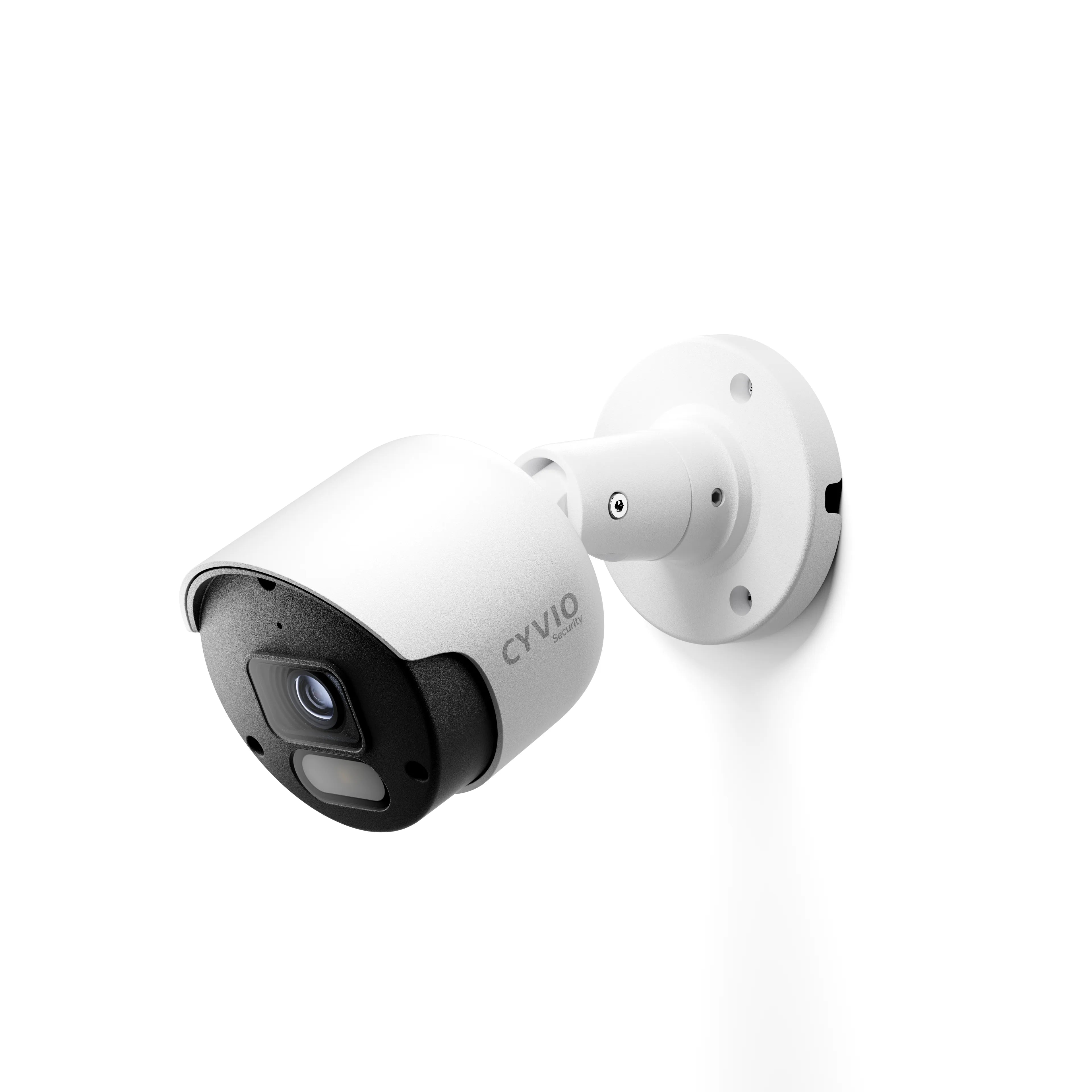
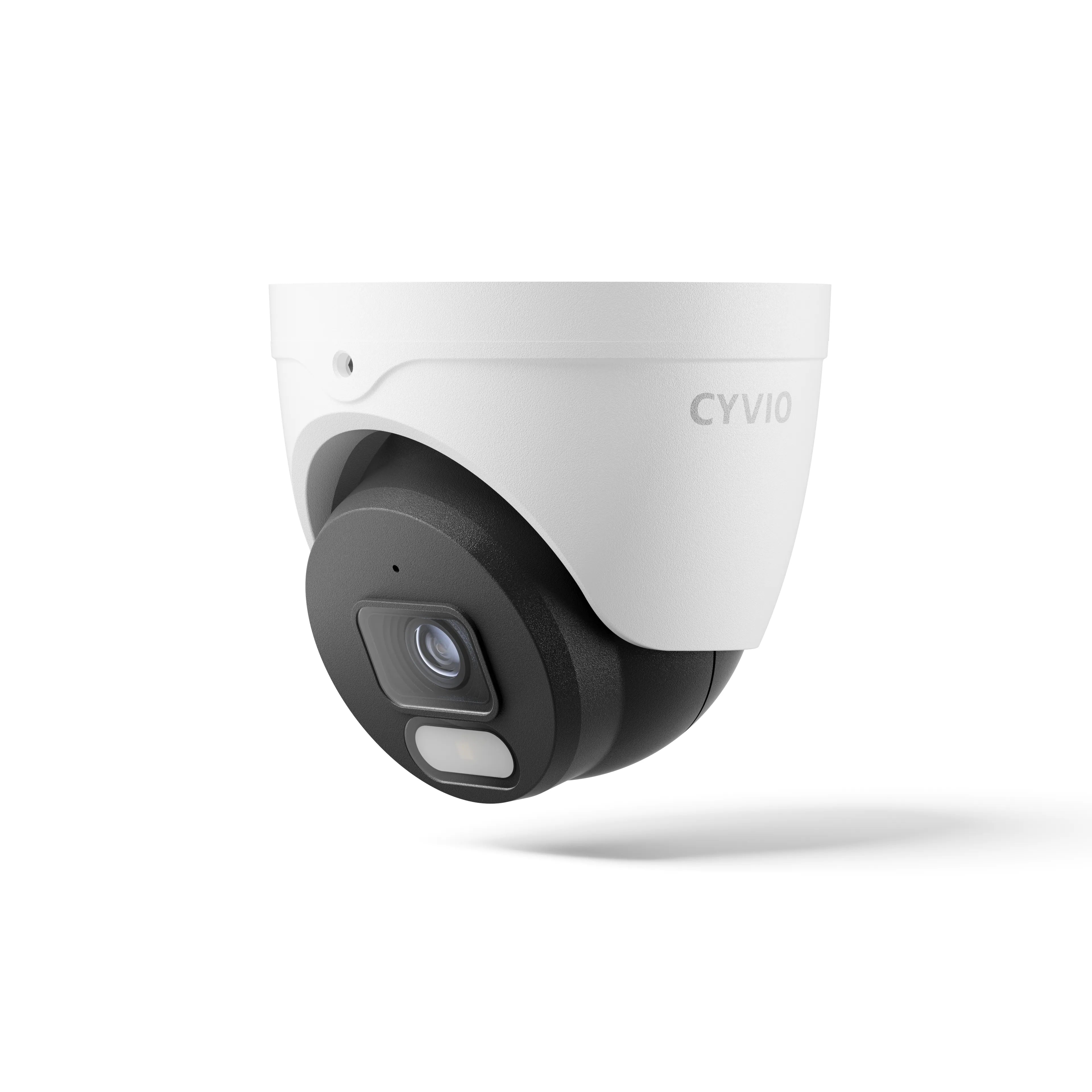
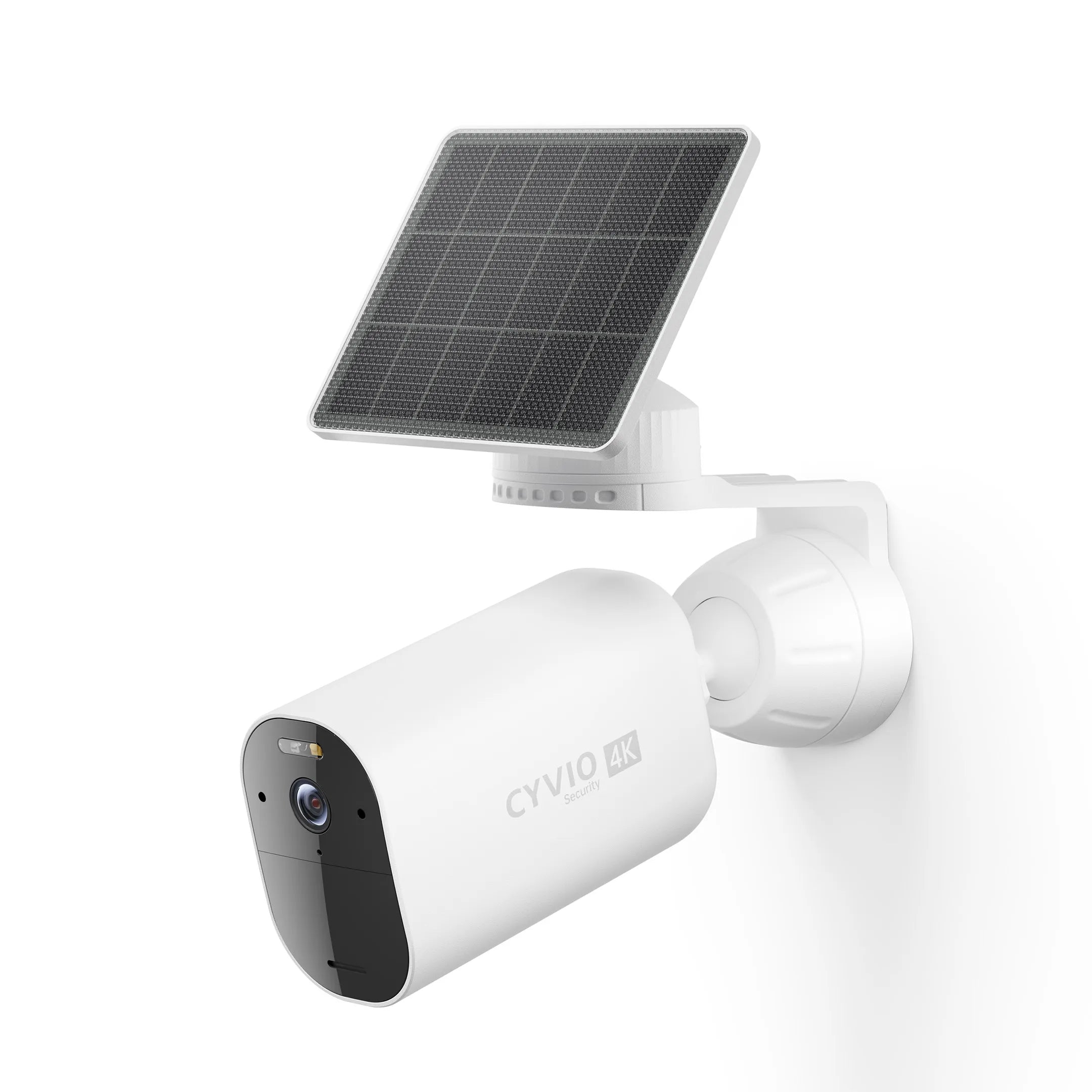
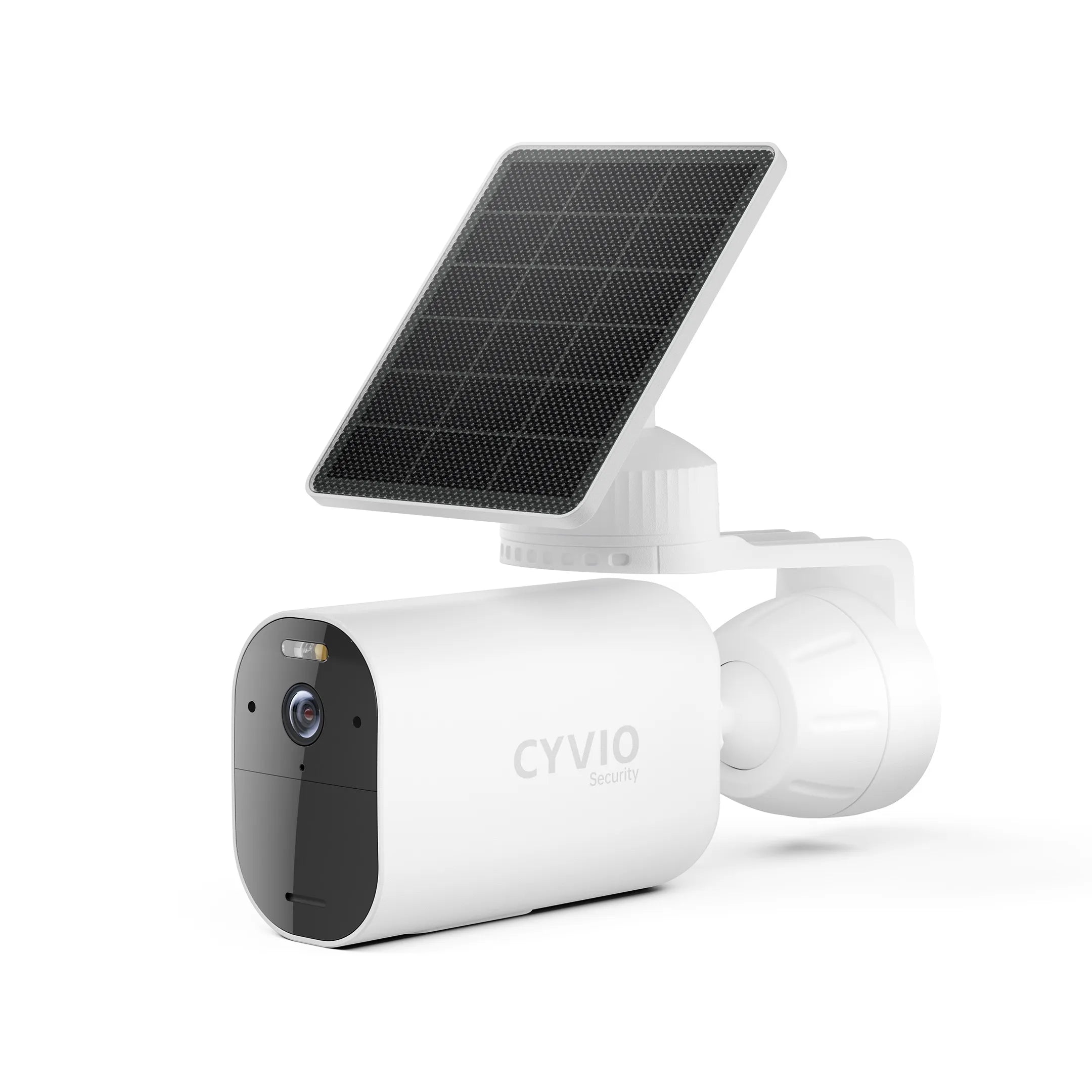
CYVIO provides smart security camera solutions designed to support modern monitoring requirements for homes and businesses.
With advanced camera technology and flexible installation options, CYVIO helps users create practical surveillance systems based on their specific needs.
CYVIO solutions offer:
High-Quality Video Monitoring
CYVIO cameras are designed to provide clear video quality for monitoring important areas around your property.
Flexible Security Options
Whether you need indoor monitoring, outdoor surveillance, or smart home integration, CYVIO provides solutions for different environments.
Modern Features
CYVIO security products support convenient features such as:
-
Remote viewing
-
Smart connectivity
-
Easy management
-
Flexible installation
Explore CYVIO security camera solutions to find a system that matches your monitoring requirements.
Want to connect your camera to your phone? Read more on: How to Connect WiFi Camera to Mobile
How to Choose Between Analog and IP Security Cameras?
Before selecting a camera system, consider these factors:
1. Image Quality Requirements
If you need detailed video, higher-resolution IP cameras may be more suitable.
2. Existing Equipment
If your property already has analog cameras and cabling, upgrading may be easier.
3. Smart Features
Consider whether you need:
-
Mobile access
-
Motion alerts
-
Network integration
-
Advanced monitoring functions
4. Future Expansion
Choose a system that can support additional cameras if your monitoring needs increase.
Frequently Asked Questions
1. Are IP cameras better than analog cameras?
IP cameras offer advantages such as higher resolution and advanced features, while analog cameras may be suitable for simpler monitoring needs.
2. Can I replace analog cameras with IP cameras?
Yes. However, upgrading may require changes to cabling, recording equipment, and network setup.
3. Do IP cameras need internet?
IP cameras can work on a local network without internet. Internet access is usually needed for remote viewing.
4. Are analog cameras still used today?
Yes. Analog cameras are still used in many existing surveillance systems and some applications with basic monitoring needs.
5. Which camera system is easier to expand?
IP camera systems are generally more flexible for expansion because they use network-based connections.
Planning a PoE camera setup? Check out this guide: Installing PoE Security Cameras
Choose the Right Solution After Understanding Analog vs IP Security Cameras
Understanding analog vs ip security cameras helps homeowners and businesses choose a surveillance system that matches their needs. Analog cameras provide a traditional and familiar solution, while IP cameras offer digital technology, higher resolution, and more advanced features.
CYVIO provides modern security camera solutions designed for flexible monitoring, clear video quality, and convenient management. Whether you are upgrading an existing system or creating a new setup, choosing the right camera technology can help build a more effective and connected security solution.