









Extreme Cold Weather Security Cameras: How CYVIO Cameras Stay Reliable at -30°C

In many parts of the world, security cameras are expected to operate far beyond comfortable indoor conditions. From snowy suburbs to remote industrial zones and border areas, surveillance systems must continue working even when temperatures plunge well below freezing. Extreme cold is not just an inconvenience—it is one of the most demanding environments for electronic devices. For security cameras that are expected to run 24/7, failure is not an option.
This is where extreme cold testing becomes critical. It ensures that a camera is not only functional in theory but truly reliable in real-world winter conditions.
What Is Extreme Cold Testing for Security Cameras?
Extreme cold testing refers to a controlled validation process in which electronic devices are exposed to very low temperatures—often as low as -30°C (-22°F) or even lower—to evaluate their performance and durability.

In simple terms, cameras are placed either in laboratory-grade environmental chambers or real outdoor cold environments. Engineers then assess whether the device can start up properly, maintain stable operation, and deliver consistent image quality under prolonged exposure to freezing conditions.
This type of testing goes far beyond a quick functionality check. It simulates real-life scenarios such as overnight freezing, sudden temperature drops, and continuous operation during snowstorms. For outdoor security cameras, passing these tests is essential to ensure reliability when it matters most.
Key Challenges of Extreme Cold for Security Cameras
Low temperatures affect almost every aspect of a surveillance system. The challenges are not limited to a single component but impact electronics, materials, optics, and overall system stability.
One of the most immediate issues is the decline in electronic component performance. At extremely low temperatures, capacitors, processors, and other critical components may struggle to function correctly. This can lead to startup failures or unstable operation. Image sensors, in particular, can produce increased noise and reduced color accuracy, resulting in degraded video quality.
Another major concern is material brittleness and sealing failure. Standard plastic housings can become fragile below -20°C, making them prone to cracking even under minor physical stress. Cable insulation may harden and split, while sealing materials around connectors lose elasticity. Once the sealing integrity is compromised, moisture can enter the device, leading to further damage or complete system failure.
Optical performance is also heavily affected. Rapid temperature changes often cause condensation or frost to form on the lens. In snowy environments, ice buildup or snow accumulation can completely block the camera’s view. Without proper design considerations, this can render the camera effectively blind.
For surveillance systems that are expected to operate continuously, these challenges can create serious blind spots. In critical applications such as transportation monitoring, perimeter security, or public safety, even a short period of downtime can have significant consequences.
Why Extreme Cold Testing Matters
Extreme cold testing plays a crucial role in bridging the gap between product design and real-world performance. It ensures that a camera is not only technically capable but also practically reliable in harsh environments.
From a reliability standpoint, testing helps engineers identify weaknesses early in the development process. By exposing devices to extreme conditions, potential design flaws can be corrected before the product reaches the market. This leads to more robust and dependable security solutions.
In terms of safety, reliable operation in cold weather is essential for critical infrastructure. Cameras used in highways, remote facilities, or border security must continue functioning during snowstorms and freezing temperatures. Extreme cold testing ensures that these systems remain operational when they are needed most.
There is also a significant cost advantage. Devices that are not designed for low temperatures are more likely to fail, resulting in frequent repairs or replacements. Cameras that pass rigorous cold testing tend to have longer lifespans and lower maintenance costs, making them a more economical choice in the long run.
Finally, extreme cold testing drives technological innovation. It encourages the development of new materials, improved thermal designs, and more resilient electronic components. This continuous advancement benefits the entire security camera industry.
How CYVIO Cameras Withstand Extreme Cold
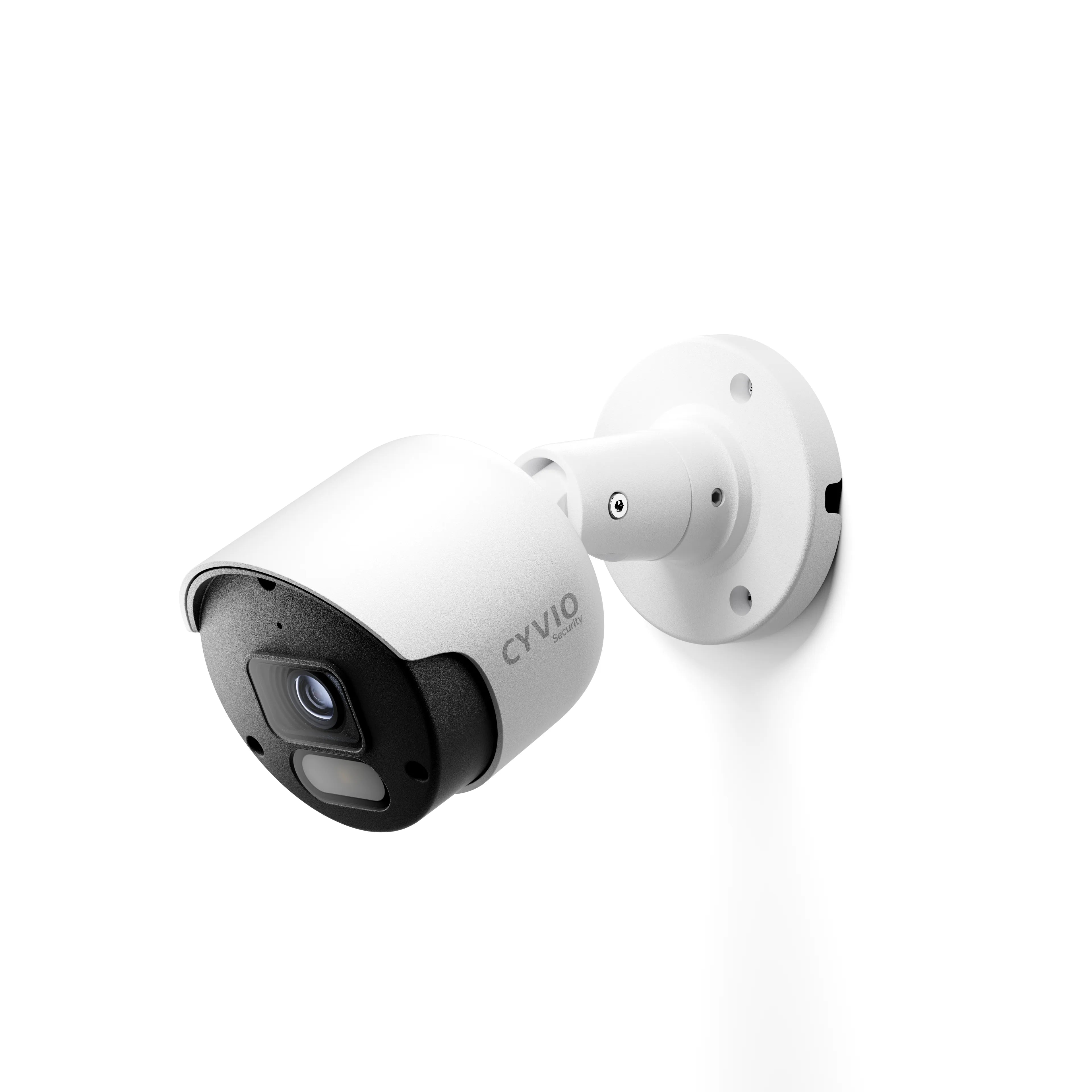
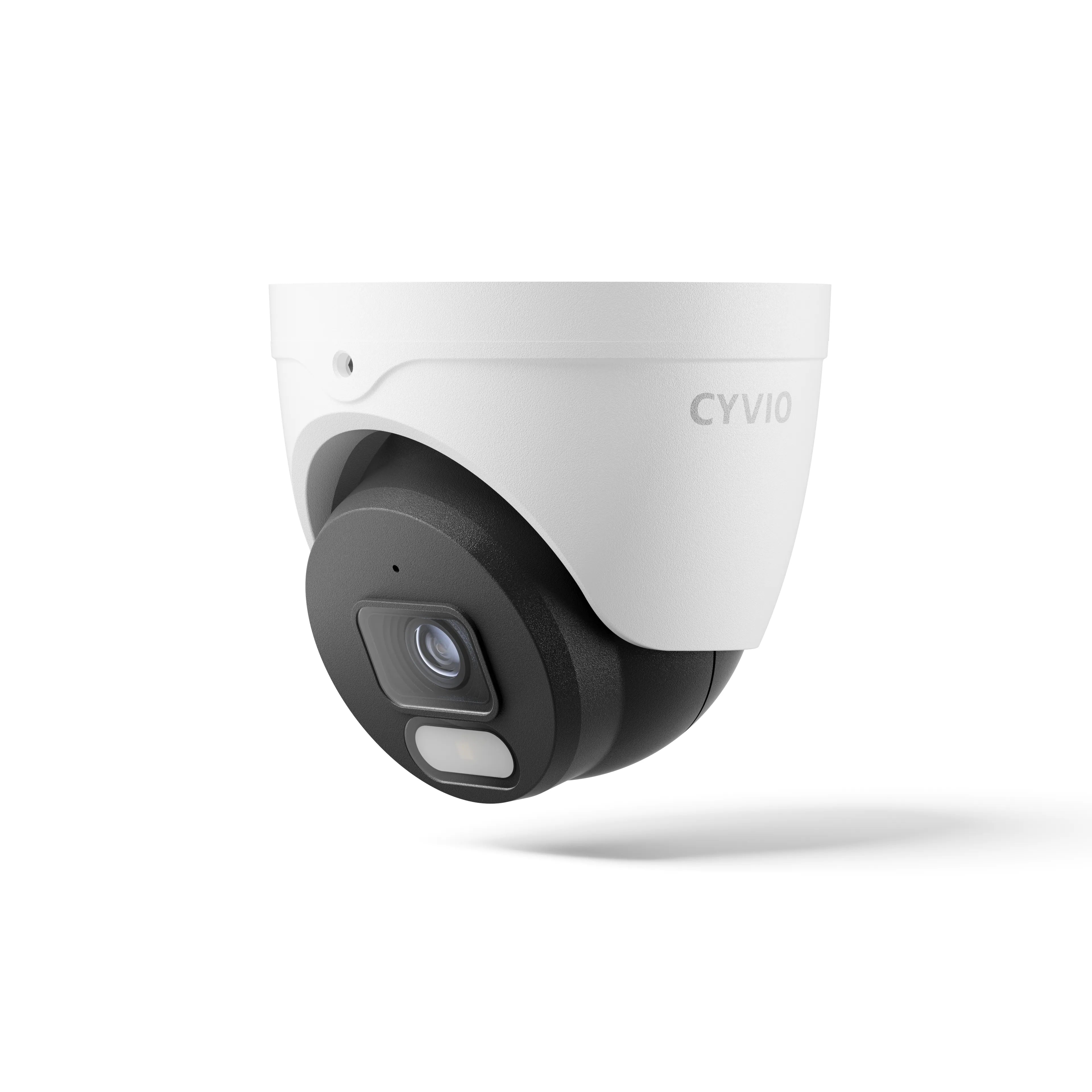
To address these challenges, CYVIO has developed a series of technologies specifically designed for cold-weather performance. Taking the CYVIO N2838 PoE security camera system as an example, the system is engineered to operate reliably even at temperatures as low as -30°C.

A key factor is the use of cold-resistant electronic components. Specialized capacitors and chips are selected for their ability to maintain conductivity and stability in low temperatures. These components undergo strict laboratory validation to ensure fast startup and consistent performance, even after prolonged exposure to freezing conditions.
Material selection is equally important. The CYVIO PoE camera housing and cables are made from low-temperature-resistant materials that remain flexible and durable in extreme cold. Unlike conventional plastics, these materials do not become brittle, reducing the risk of cracks or structural failure. The cable insulation is also designed to stay flexible, preventing breakage and maintaining electrical integrity.
Another critical innovation lies in thermal structure design. The internal layout of the camera is optimized to distribute heat generated by key components throughout the device. This helps maintain a more stable internal temperature, reducing the impact of external cold and minimizing thermal stress caused by temperature differences.
In addition to these design features, CYVIO implements a rigorous testing process during product development. Cameras are subjected to multiple types of extreme cold tests to ensure reliability. These include low-temperature startup tests, where the device must power on successfully after being left in -30°C conditions for extended periods. Continuous operation tests verify that the camera can run 24/7 in freezing environments without interruptions or loss of image quality. Temperature cycling tests simulate rapid transitions between -30°C and +60°C to evaluate how the device handles thermal expansion and contraction over time.
Together, these technologies and testing procedures ensure that CYVIO cameras deliver consistent performance, even in the harshest winter conditions.
Built for Reliability in Any Climate
Extreme cold environments are one of the toughest challenges for any security camera system. Without proper design and testing, low temperatures can lead to performance degradation, physical damage, and complete system failure.
By investing in advanced materials, optimized thermal design, and rigorous testing, CYVIO ensures that its cameras are not only capable of surviving extreme cold but also performing reliably under continuous operation. This commitment to quality translates into better security, lower maintenance costs, and greater peace of mind for users.
In the end, extreme cold testing is more than just a technical requirement—it is a guarantee that your security system will continue to protect what matters most, no matter how harsh the environment becomes.
FAQ
1. What temperature can outdoor security cameras typically handle?
Most standard outdoor cameras operate down to around -10°C to -20°C. High-performance models, like CYVIO PoE cameras designed for extreme environments, can function reliably at -30°C or lower.
2. Why do security cameras fail in cold weather?
Failures are usually caused by reduced electronic performance, brittle materials, battery inefficiency, and condensation or ice forming on the lens.
3. How can I prevent my camera from freezing?
Choose cameras specifically designed for cold climates, ensure proper installation, and consider models with built-in thermal management and weatherproof housing.
4. Does cold weather affect video quality?
Yes. Low temperatures can increase image noise and reduce color accuracy if the camera is not designed for such conditions.
5. Are wireless cameras suitable for extreme cold?
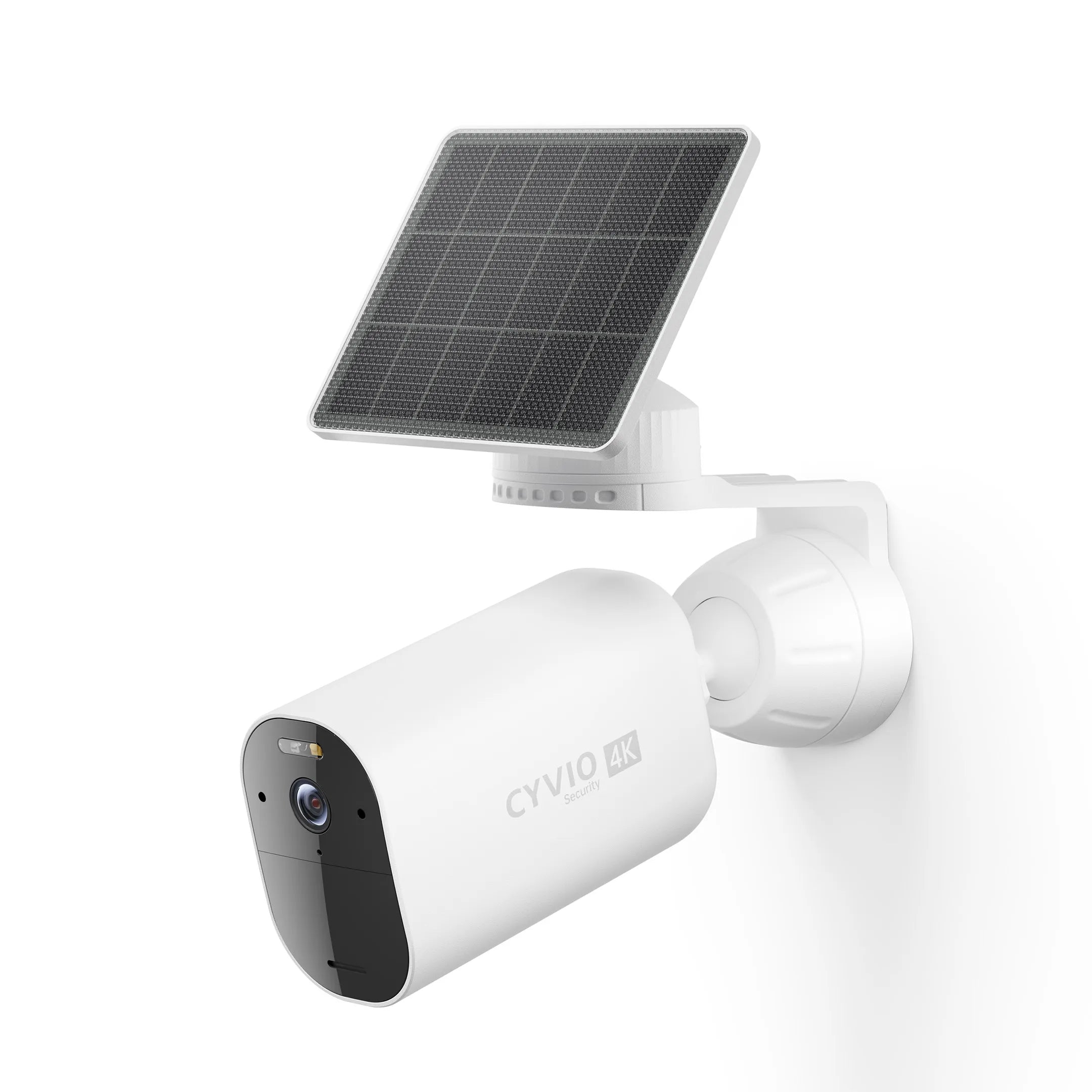
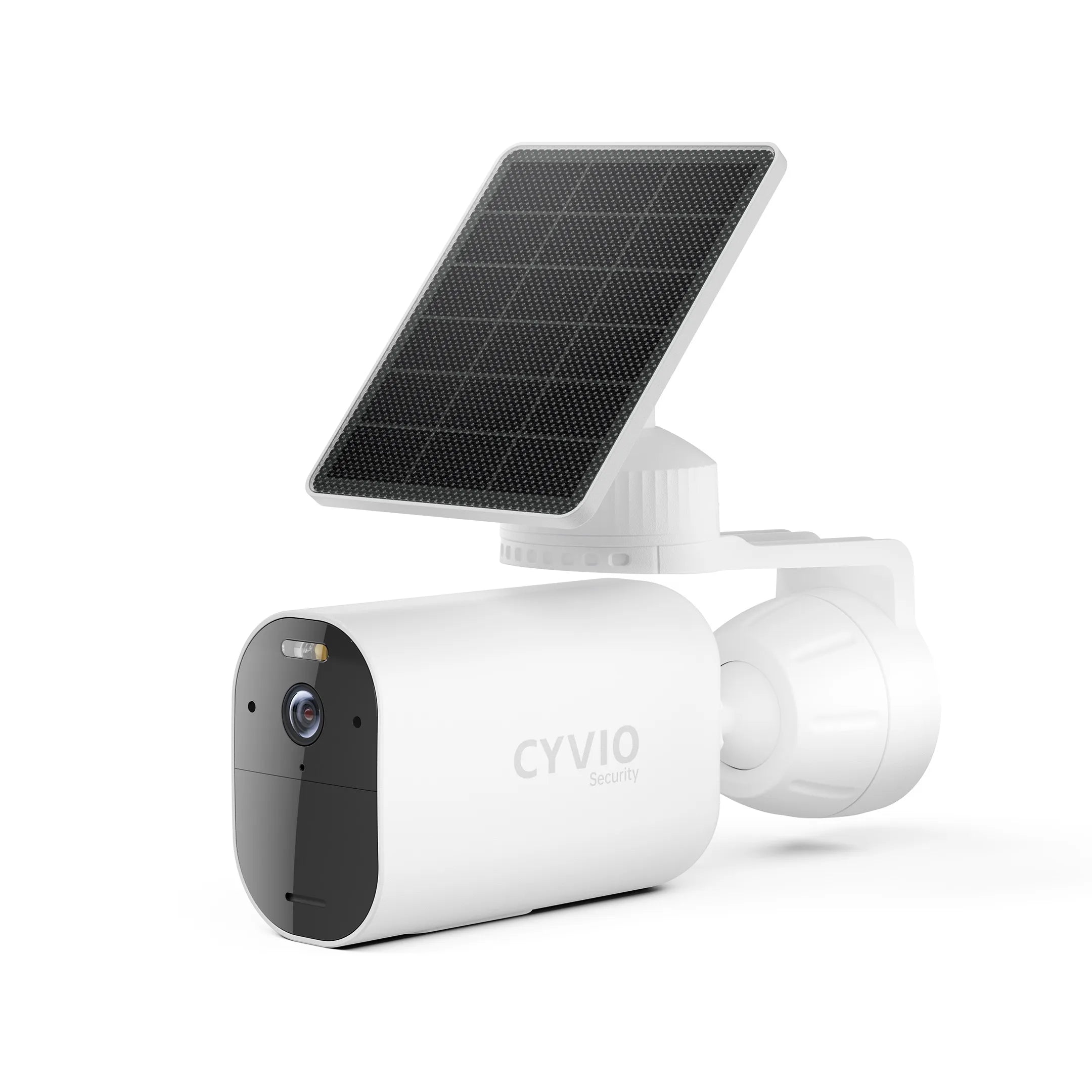
They can be, but battery-powered models may experience reduced battery life. Selecting devices with low-temperature optimization is essential.
6. What makes CYVIO cameras suitable for cold environments?
CYVIO cameras use cold-resistant components, durable materials, thermal optimization design, and undergo strict extreme cold testing to ensure stable performance at -30°C.
7. Is extreme cold testing really necessary?
Absolutely. It ensures long-term reliability, reduces maintenance costs, and guarantees that the camera will function when it is most needed.