









SD Card Speed Explained: Read vs Write Speed and Formatting Guide

SD cards have become an essential part of modern digital life. Whether you're using a smartphone, digital camera, security camera, dash cam, drone, or gaming console, chances are an SD card is quietly storing your photos, videos, and important files behind the scenes.
However, many users experience problems such as slow file transfers, recording failures, corrupted files, or devices that suddenly stop recognizing the card. In many cases, these issues aren't caused by the device itself—they're related to the SD card's speed, compatibility, or formatting.
Understanding how SD cards work doesn't require technical expertise. Once you know the basics of read speed, write speed, speed ratings, and proper formatting, choosing the right SD card and maintaining it becomes much easier.
In this guide, we'll explain everything you need to know about SD cards, including why formatting matters, how speed ratings affect performance, and how to choose the best SD card for your specific device.
What Is an SD Card?
An SD card (Secure Digital card) is a portable flash memory storage device designed to store digital data. Developed jointly by Panasonic, Toshiba, and SanDisk, SD cards have become one of the most widely used storage solutions thanks to their compact size, large capacity, affordability, and broad compatibility.
Today, SD cards are found in countless electronic devices. Digital cameras rely on them to capture high-resolution photos and 4K videos. Smartphones and tablets use them to expand storage capacity. Dash cams continuously record driving footage, while handheld gaming consoles save games and downloadable content. Security cameras also depend on SD cards for local video recording, allowing users to store footage without paying monthly cloud storage fees.
Depending on the device, SD cards come in several physical formats:
- Standard SD Card – Commonly used in DSLR and mirrorless cameras.
- Micro SD Card (TF Card) – The smallest format, widely used in smartphones, action cameras, drones, security cameras, and video doorbells.
- Mini SD Card – An older format that is rarely used today.
Storage capacity standards have also evolved over time:
- SD – Up to 2GB
- SDHC – 4GB to 32GB
- SDXC – 64GB to 2TB
- SDUC – Up to 128TB (currently uncommon)
Most modern smart devices, including wireless security cameras, support Micro SDHC or Micro SDXC cards.
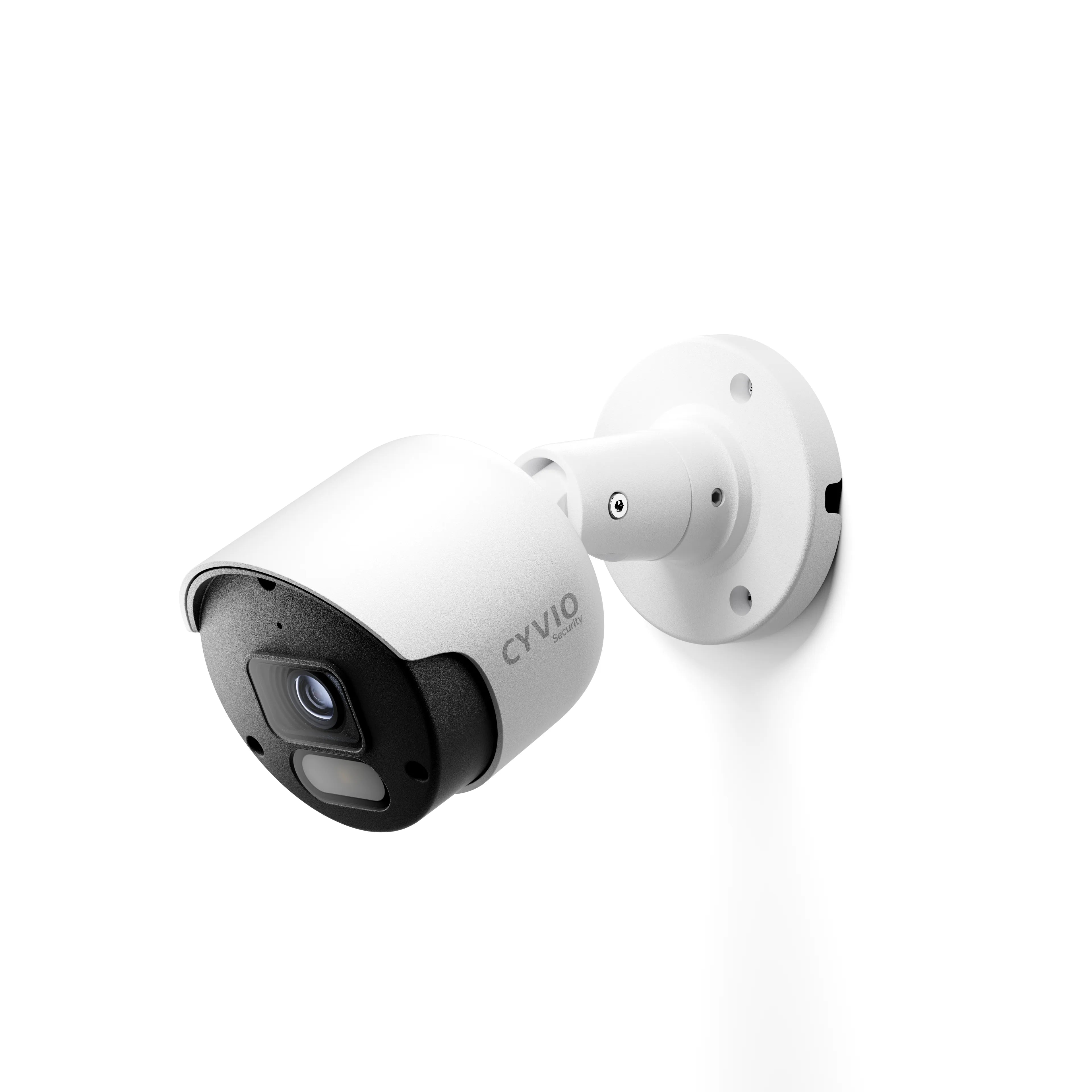
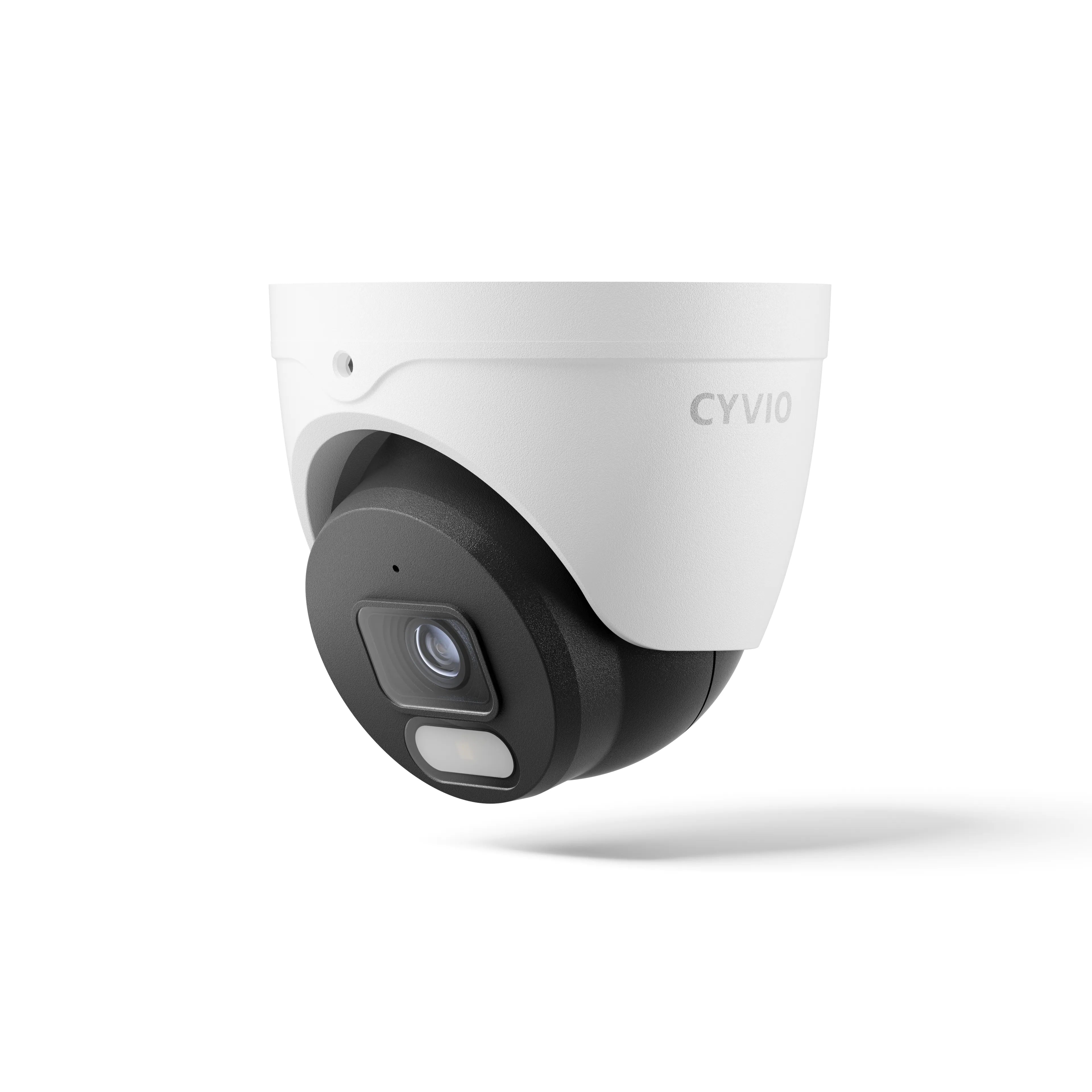
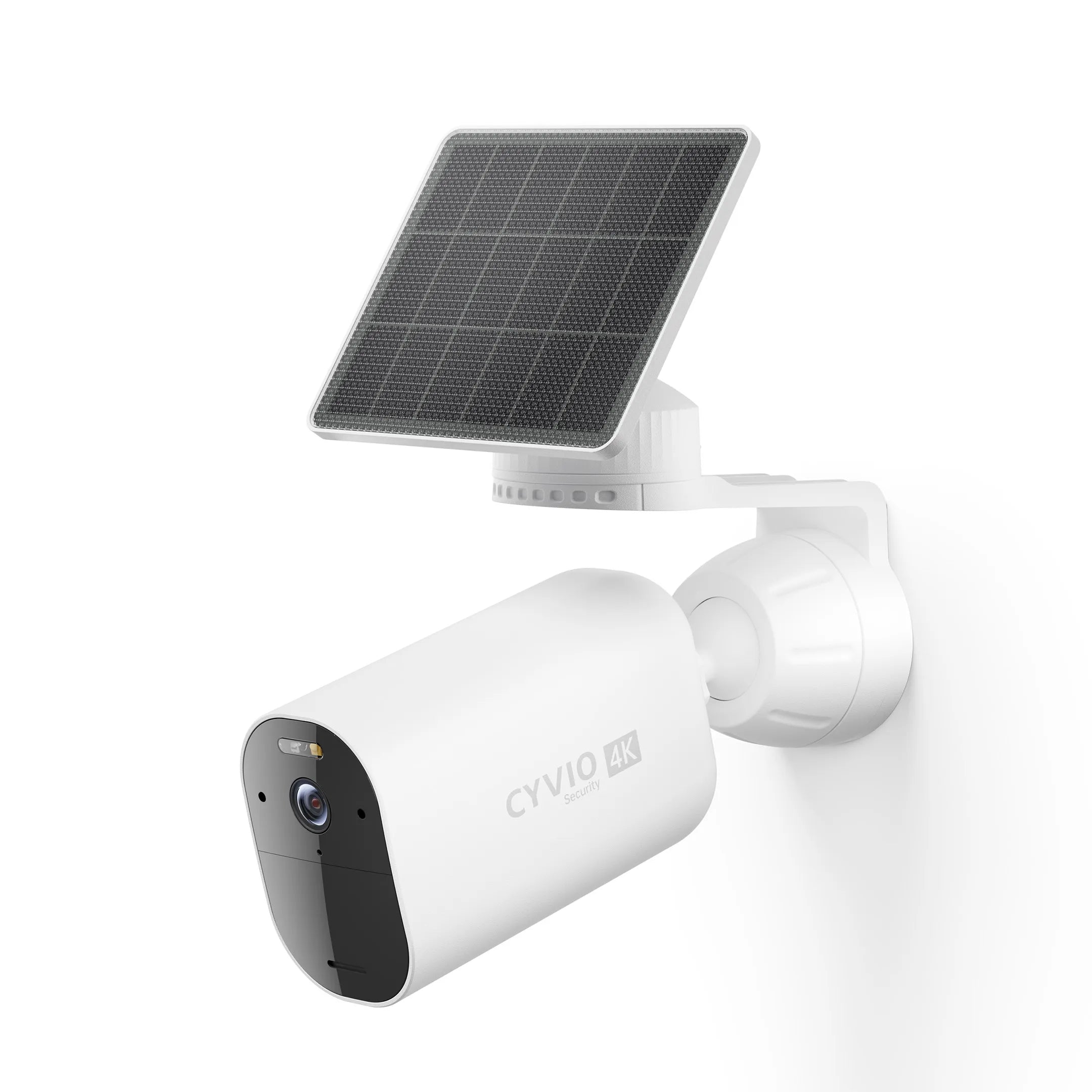
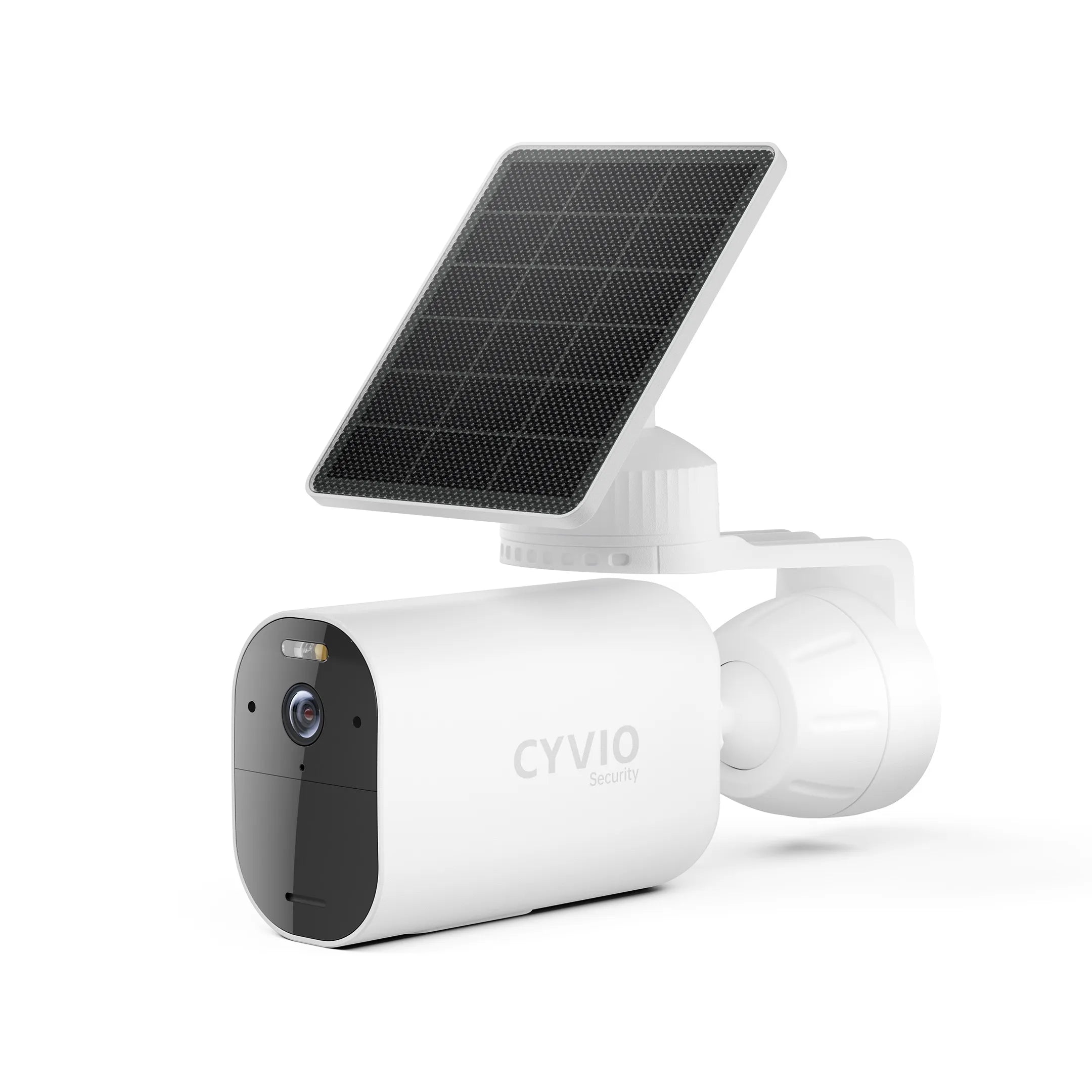
For example, CYVIO C2 wireless PT cameras, battery-powered security cameras B221, and battery video doorbells R112 use Micro SD cards for local video storage. This allows users to securely save recordings directly on the device without relying solely on cloud storage or paying recurring subscription fees.
Why Formatting an SD Card Is More Important Than You Think
Many people assume formatting an SD card simply deletes everything stored on it. While formatting does erase existing files, its primary purpose is to prepare the storage device for reliable operation.
That's why many devices—including CYVIO security cameras—recommend formatting a newly installed SD card before first use.

Formatting initializes the storage structure, creates a compatible file system, and ensures the device can write and read data efficiently. Skipping this step may increase the risk of recording errors, file corruption, or compatibility issues.
It Removes File Fragmentation and Corrupted Data
Over time, every SD card experiences thousands—or even millions—of write and delete operations.
As files are continuously added and removed, storage space becomes fragmented. Instead of writing data into one continuous area, the device must scatter pieces of a file across different locations. This makes it harder for the system to access data efficiently, resulting in slower performance.
Unexpected power loss, improper removal, or interrupted recording sessions can also leave behind damaged or incomplete files. These corrupted files may occupy storage space, trigger error messages, or prevent the card from functioning correctly.
Formatting clears the existing file structure and rebuilds it from scratch, giving the SD card a clean, organized storage system that performs more efficiently.
It Creates the Correct File System
Different devices support different file systems.
For example:
- Many cameras support FAT32 or exFAT.
- Windows computers often use NTFS for internal drives.
- Security cameras typically require FAT32 or exFAT depending on the storage capacity and manufacturer.
If an SD card uses an unsupported file system, the device may fail to recognize it or refuse to save recordings.
Formatting allows the device to create the file system it expects, ensuring maximum compatibility.
This is one reason why formatting the SD card directly inside the device—rather than on a computer—is often recommended whenever possible.
It Helps Identify Bad Sectors
Like any flash storage device, SD cards gradually wear out.
As memory cells age, some storage blocks become unreliable. These damaged areas are known as bad sectors.
During formatting, the system can identify these problematic sectors and prevent future data from being written there. While formatting cannot repair physically damaged memory cells, it helps reduce data corruption by avoiding unstable storage locations.
If an SD card continues showing errors even after formatting, it may have reached the end of its service life and should be replaced.
Remember to Back Up Your Data First
Formatting permanently removes all files stored on the card.
Before formatting, always copy important photos, videos, or recordings to another storage device such as your computer, an external hard drive, or cloud storage.
Regular backups are especially important for surveillance footage and other valuable recordings that cannot be recreated.
Understanding SD Card Speed: Read Speed vs. Write Speed
When shopping for an SD card, you'll often see labels such as Class 10, U1, U3, V30, or 160 MB/s printed on the packaging.
These numbers may seem confusing, but they all relate to how quickly the card transfers data.

There are two different types of speed that every user should understand.
Read speed measures how fast data can be transferred from the SD card to another device, such as copying photos to your computer.
Write speed measures how quickly data can be saved onto the SD card.
Although both are important, write speed is usually the more critical specification for cameras, security systems, and video recording devices.
If the write speed cannot keep up with the amount of incoming data, the device may experience dropped frames, recording interruptions, or even complete recording failures.
For devices that record continuously—such as security cameras or dash cams—a stable write speed is essential for reliable performance.
Understanding SD Card Speed Classes
To make choosing an SD card easier, manufacturers use standardized speed classifications.
The oldest system is the Speed Class, which includes Class 2, Class 4, Class 6, and Class 10. The number represents the minimum sustained write speed in megabytes per second. Today, Class 10 has become the entry-level standard for Full HD video recording and everyday use.
As recording technology advanced, the UHS Speed Class (Ultra High Speed) was introduced. U1 guarantees a minimum sustained write speed of 10 MB/s, while U3 guarantees at least 30 MB/s. U3 cards are commonly recommended for 4K video recording, high-speed burst photography, and demanding surveillance applications.
The newest system is the Video Speed Class, identified by labels such as V10, V30, V60, and V90. These ratings were specifically designed for video recording. For example, a V30 card guarantees a sustained write speed of at least 30 MB/s, making it suitable for stable 4K video capture.

One important point that many buyers overlook is the difference between maximum read speed and minimum sustained write speed.
A package may advertise "160 MB/s" in large print, but this usually refers to the maximum read speed under ideal conditions. The sustained write speed—which determines recording performance—is often much lower.
When purchasing an SD card for cameras or security systems, always prioritize the guaranteed write speed rather than the advertised maximum read speed.
Choosing the Right SD Card for Security Cameras and Everyday Devices
Selecting the right SD card is not just about storage capacity. The type of device you use plays a major role in determining what kind of performance you actually need. Using the wrong card may result in lag, recording failures, or even data loss, especially in continuous recording environments such as security systems or dash cams.
For general devices like smartphones, tablets, or basic file storage, a Class 10 or U1 SD card is usually sufficient. These cards offer stable performance for photos, documents, and standard HD video recording.
However, when it comes to high-performance devices such as 4K cameras, drones, or professional photography equipment, a higher speed class becomes necessary. U3 or V30-rated SD cards are recommended because they ensure a minimum sustained write speed of 30 MB/s, which is critical for uninterrupted high-resolution video recording.
Security cameras and surveillance systems have even more demanding requirements because they often record continuously for long hours. In these cases, stability is more important than peak speed.
For example, CYVIO N2834 Lite security camera systems multi-channel PoE NVR 4K surveillance kits require SD cards that can handle constant writing without overheating or dropping frames. A U3 + V30 certified micro SD card is typically the best choice for these systems.

On the other hand, battery-powered security cameras such as CYVIO motion-triggered cameras B221 do not record continuously. Instead, they only activate when motion is detected. For these types of devices, a U1 or V10 SD card is usually sufficient while still maintaining reliable performance.

The key takeaway is simple: match the SD card speed to your actual usage scenario rather than buying the fastest card available.
How to Test SD Card Speed at Home
Many users worry about whether their SD card is performing as advertised. Fortunately, you do not need expensive tools to check its performance. There are simple ways to test both read and write speeds using a regular computer.
One basic method is manual testing. By copying a large file (such as a 1–5GB video file) to and from the SD card while timing the process, you can estimate real-world performance. Although this method is not highly precise, it provides a good general idea of whether the card is performing normally.
For more accurate results, free benchmarking tools such as CrystalDiskMark or ATTO Disk Benchmark are widely used. These tools measure sequential and random read/write speeds and give a clearer picture of how the SD card performs under different conditions.
When testing, it is important to use a reliable card reader that supports high-speed transfer. A slow reader can create a bottleneck and make even a fast SD card appear slower than it really is.
If the measured speed is significantly lower than the manufacturer’s specifications, it may indicate a low-quality or counterfeit SD card, or simply a failing card that needs replacement.
Best Practices to Extend SD Card Lifespan
SD cards are durable, but they are not designed to last forever. Like all flash memory, they have a limited number of write cycles. However, proper usage can significantly extend their lifespan.
One of the most important habits is avoiding frequent improper removal. Always eject the SD card safely from your device or power off the system before removing it. Sudden removal during data writing is one of the most common causes of corruption.
Another key practice is periodic formatting. Over time, SD cards accumulate fragmented data and minor errors. Formatting the card every 1–3 months helps maintain optimal performance, especially in devices that record continuously, such as security cameras and dash cams.
Environmental conditions also matter. SD cards should be kept away from extreme heat, moisture, and strong magnetic fields. In outdoor security systems, using weather-protected devices helps reduce exposure risk.
Finally, users should be aware of early warning signs of SD card failure. These include frequent recording errors, sudden speed drops, file corruption, or devices failing to recognize the card. When these symptoms appear, replacing the SD card immediately is recommended to avoid data loss.
Conclusion: A Simple Formula for Reliable SD Card Use
SD cards may seem simple, but their performance depends on several important factors including speed class, file system, formatting habits, and device compatibility.
The most important takeaway is that you do not always need the fastest SD card—you need the right SD card for your specific application.
For everyday storage, entry-level Class 10 or U1 cards are sufficient. For high-resolution video recording, U3 or V30 cards ensure stable performance. For continuous surveillance systems like those used in CYVIO security cameras, reliability and sustained write speed are far more important than peak speed numbers.
Proper formatting, regular maintenance, and safe handling practices can significantly extend the life of your SD card and prevent unexpected failures.
By understanding these fundamentals, you can avoid common issues such as data corruption, recording interruptions, and slow performance, ensuring your devices run smoothly and efficiently.
FAQ
1. What is the difference between SD card read speed and write speed?
Read speed refers to how fast data can be transferred from the SD card to another device, while write speed refers to how fast data can be saved onto the card. Write speed is more important for recording devices like cameras and security systems.
2. Why does my SD card need to be formatted before use?
Formatting prepares the SD card with a compatible file system and removes previous data structures, ensuring the device can store and read files correctly without errors.
3. How often should I format my SD card?
It is recommended to format your SD card every 1–3 months, especially if it is used in continuous recording devices like security cameras or dash cams.
4. What SD card is best for security cameras?
For continuous recording systems, a U3 or V30 SD card is recommended. For motion-based cameras or video doorbells, U1 or V10 cards are usually sufficient.
5. What happens if I use a slow SD card in a 4K camera?
Using a slow SD card may cause video lag, dropped frames, recording failure, or corrupted files because the card cannot keep up with the required write speed.
6. Can formatting fix a damaged SD card?
Formatting can fix minor file system errors and improve performance, but it cannot repair physically damaged memory cells or bad sectors.
7. Why is my SD card slower than advertised?
Advertised speeds usually refer to maximum read speed under ideal conditions. Real-world performance depends on write speed, device compatibility, and card reader quality.
8. How long does an SD card last?
Most SD cards last between 3 to 5 years depending on usage intensity. High-write environments like surveillance cameras may shorten lifespan.
9. Can I use one SD card for multiple devices?
Yes, but it is recommended to format the card when switching between different devices to ensure compatibility and prevent file system conflicts.