









What Is Video Noise? How Security Cameras Reduce Noise for Clearer Surveillance

Introduction
When choosing a security camera or a complete PoE security camera system, image resolution often gets most of the attention. However, image quality depends on much more than just pixels. One of the biggest factors that affects surveillance performance—especially at night—is video noise.
If you've ever reviewed footage captured in a dark driveway, warehouse, or backyard and noticed countless tiny specks flickering across the screen like falling snow, you've seen video noise. These unwanted artifacts can make footage appear grainy, reduce overall image clarity, and hide critical details when they matter most.
For a surveillance system, poor image quality is more than a visual inconvenience. Excessive noise can blur license plates, soften facial details, obscure package labels, and reduce the overall value of recorded footage during incident reviews. Understanding what causes video noise and how modern security cameras suppress it can help you choose a system that delivers dependable performance day and night.
In this guide, we'll explain what video noise is, what causes it, how it affects surveillance footage, and the technologies professional home security cameras use to produce cleaner images in challenging lighting conditions.
What Is Video Noise?
Video noise refers to unwanted variations in brightness or color that appear randomly across an image. Rather than representing actual objects in the scene, these tiny colored or gray dots are generated during image capture and processing.
Noise is most noticeable in dark areas or low-light environments, where the camera has to work harder to capture enough light. Instead of smooth shadows and clean backgrounds, the image may look rough, grainy, or covered with fine speckles.
Although some level of image noise is unavoidable in digital imaging, excessive noise significantly reduces the usefulness of surveillance footage. The cleaner the image, the easier it is to review recordings, detect important details, and understand exactly what happened during an event.
What Causes Video Noise?
Video noise is created during the process of capturing and processing light. Several factors contribute to its appearance, particularly in low-light environments where night vision security cameras are expected to perform reliably.
Insufficient Light Increases Electronic Noise
The most common cause of video noise is low ambient lighting.
When there isn't enough available light, the camera sensor receives fewer photons. To maintain a bright image, the camera increases signal amplification. While this brightens the scene, it also amplifies tiny electronic fluctuations naturally produced by the sensor.
These amplified signals become visible as image noise.
A simple comparison is using a magnifying glass. When you enlarge printed text, you don't just magnify the letters—you also enlarge the paper's texture. In the same way, increasing image gain makes both useful image information and unwanted electronic interference more noticeable.
Sensor Heat Creates Thermal Noise
Security cameras are designed for continuous operation, often recording around the clock.
As the image sensor operates, it generates heat. Higher temperatures introduce additional electronic interference inside the sensor, commonly known as thermal noise.
Although today's cameras are engineered to minimize this effect, thermal noise becomes more apparent during long recording sessions or in warmer environments.
Smaller Sensors Collect Less Light
Sensor size also plays an important role in image quality.
Smaller image sensors contain smaller pixels, and each pixel captures less light during exposure. With less light available, the camera relies more heavily on electronic amplification, increasing the likelihood of visible noise.
This is one reason why professional low light security cameras with larger sensors generally produce cleaner images than entry-level models.
External Electronic Interference
Not all image noise originates inside the camera.
Nearby electronic equipment, unstable power supplies, or electromagnetic interference from surrounding cables may introduce unwanted artifacts into the video signal. Depending on the source, these disturbances may appear as snow-like dots, flickering patterns, or horizontal lines across the image.


Why Does Video Noise Matter for Security Footage?
Many people assume video noise only affects appearance, but its impact goes much further in real surveillance applications.
The most obvious problem is the loss of important details. License plates, facial features, clothing textures, and package labels can all become difficult to distinguish when dense noise covers the image. During an investigation, these missing details may reduce the value of recorded evidence.
Noise also reduces video compression efficiency.
Because noise changes randomly from frame to frame, video compression algorithms treat it as constantly changing information instead of reusable image data. As a result, recordings require more storage space, reducing overall recording efficiency and shortening available storage time.
In addition, excessive noise can affect intelligent monitoring functions.
Modern AI detection technology is designed to detect people and vehicles while reducing unnecessary alerts. However, heavy visual interference may increase false motion events because constantly changing noise patterns can be interpreted as movement. This leads to unnecessary notifications and makes it easier to overlook genuine security events.

How Do Security Cameras Reduce Video Noise?
Modern security cameras use a combination of hardware design and image-processing technologies to suppress video noise. The overall goal is simple: collect more light at the source and remove unwanted interference during image processing.
Professional PoE security camera systems, night vision security cameras, and advanced home security cameras typically rely on several key technologies to deliver cleaner footage, especially in low-light conditions.
3D DNR: Reducing Noise While Preserving Details
One of the most widely used technologies in professional surveillance cameras is 3D Digital Noise Reduction (3D DNR).
Unlike basic noise filters that process a single image, 3D DNR analyzes multiple consecutive video frames. By comparing changes between frames, the camera can distinguish random noise from actual objects in the scene.
Since image noise changes irregularly while real objects remain relatively stable, the algorithm can remove unwanted artifacts without excessively blurring important details.
A well-designed 3D DNR system can significantly improve nighttime image quality, creating cleaner footage while preserving details such as vehicle outlines, clothing textures, package labels, and license plates. This is particularly important for home security cameras and PoE security cameras that record continuously throughout the night.
The result is not simply a brighter image, but a cleaner and more usable one.

Larger Sensors and Larger Apertures Capture More Light
The best way to reduce image noise is to prevent it from appearing in the first place.
This is where hardware design becomes important.
A larger image sensor allows each pixel to collect more light during exposure. More light means the camera requires less signal amplification, resulting in a naturally higher signal-to-noise ratio.
Lens aperture also plays a major role.
A lens with a larger aperture, such as F1.6 or F2.0, allows more light to reach the sensor compared with smaller apertures. When more light enters the camera, the sensor can produce a brighter image without relying heavily on electronic gain.
This reduces image noise at its source rather than trying to remove it afterward through software processing.
For users looking for a low light security camera, this combination of a larger sensor and a large-aperture lens can make a noticeable difference in real-world surveillance performance.

Smart IR Improves Night Vision Balance
Infrared illumination is essential for many night vision security cameras, but excessive infrared light can create new image problems.
Objects that are too close to the camera may become overexposed, while distant areas remain too dark. This imbalance can increase image noise and reduce overall detail.
Smart IR technology automatically adjusts infrared intensity based on the distance between the camera and the target.
When an object approaches the camera, infrared brightness is reduced to prevent overexposure. When subjects move farther away, illumination increases to maintain visibility.
This dynamic adjustment creates a more balanced image with controlled brightness and lower noise levels across the entire scene.
For driveways, entrances, warehouses, garages, and other outdoor environments, Smart IR helps ensure that near objects remain clear without sacrificing visibility in the background.

AI Denoising: Smarter Image Processing
Traditional noise reduction technologies are highly effective, but recent advances in artificial intelligence have introduced another layer of image optimization.
Modern imaging processors can use AI-based denoising algorithms to analyze image patterns and separate real scene details from random interference more accurately.
Rather than applying the same filter to the entire image, AI processing adapts to different objects and lighting conditions, helping preserve textures while reducing unwanted noise.
This allows advanced security cameras to maintain better image quality, especially in challenging low-light environments where preserving detail is critical.
How CYVIO Security Cameras Deliver Cleaner Images
At CYVIO, reducing video noise is not treated as a single feature—it is built into the entire imaging process.
From lens design to image processing algorithms, CYVIO products are designed to provide clean, reliable footage in both daytime and low-light environments.
CYVIO PoE Security Cameras: Reliable Performance for Continuous Monitoring

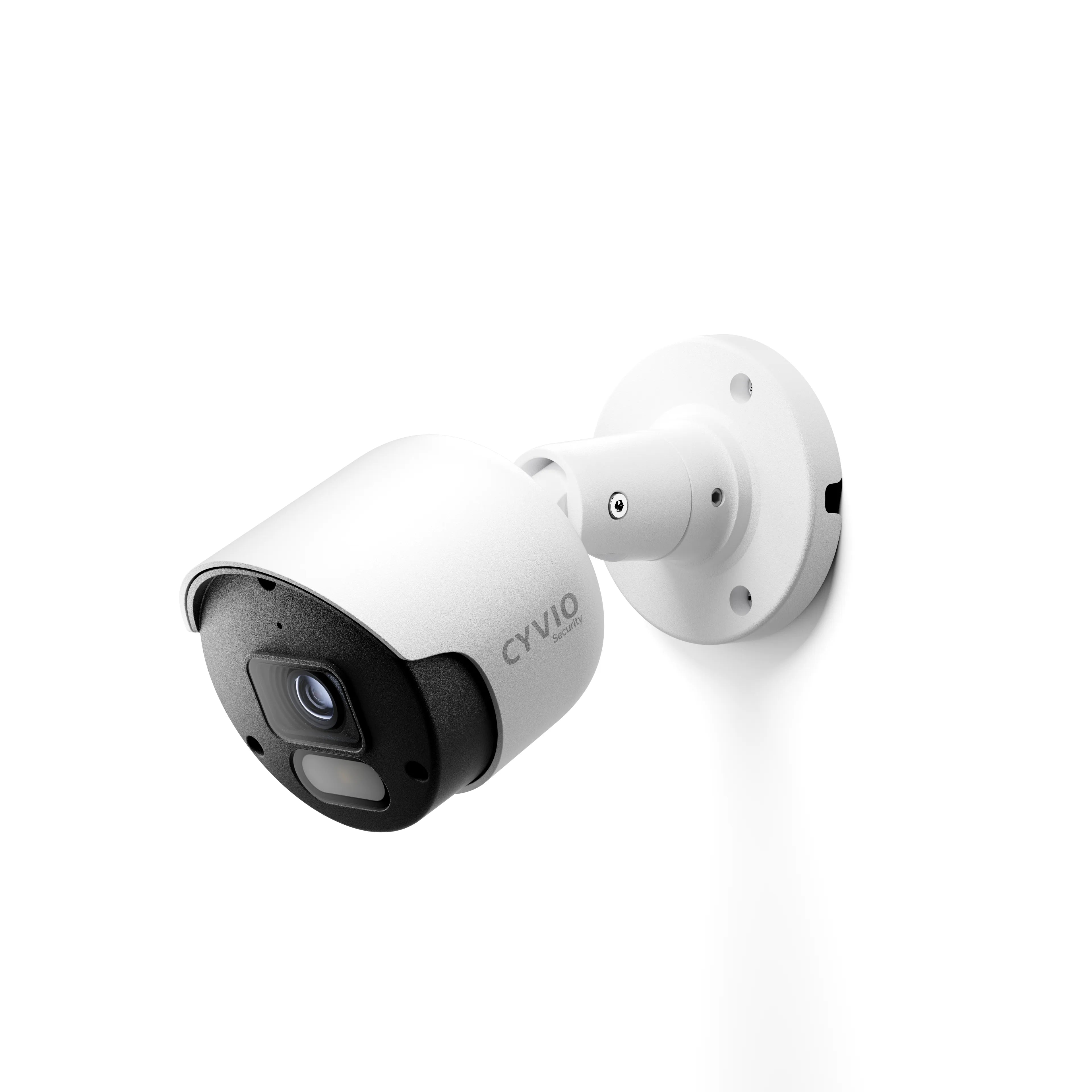
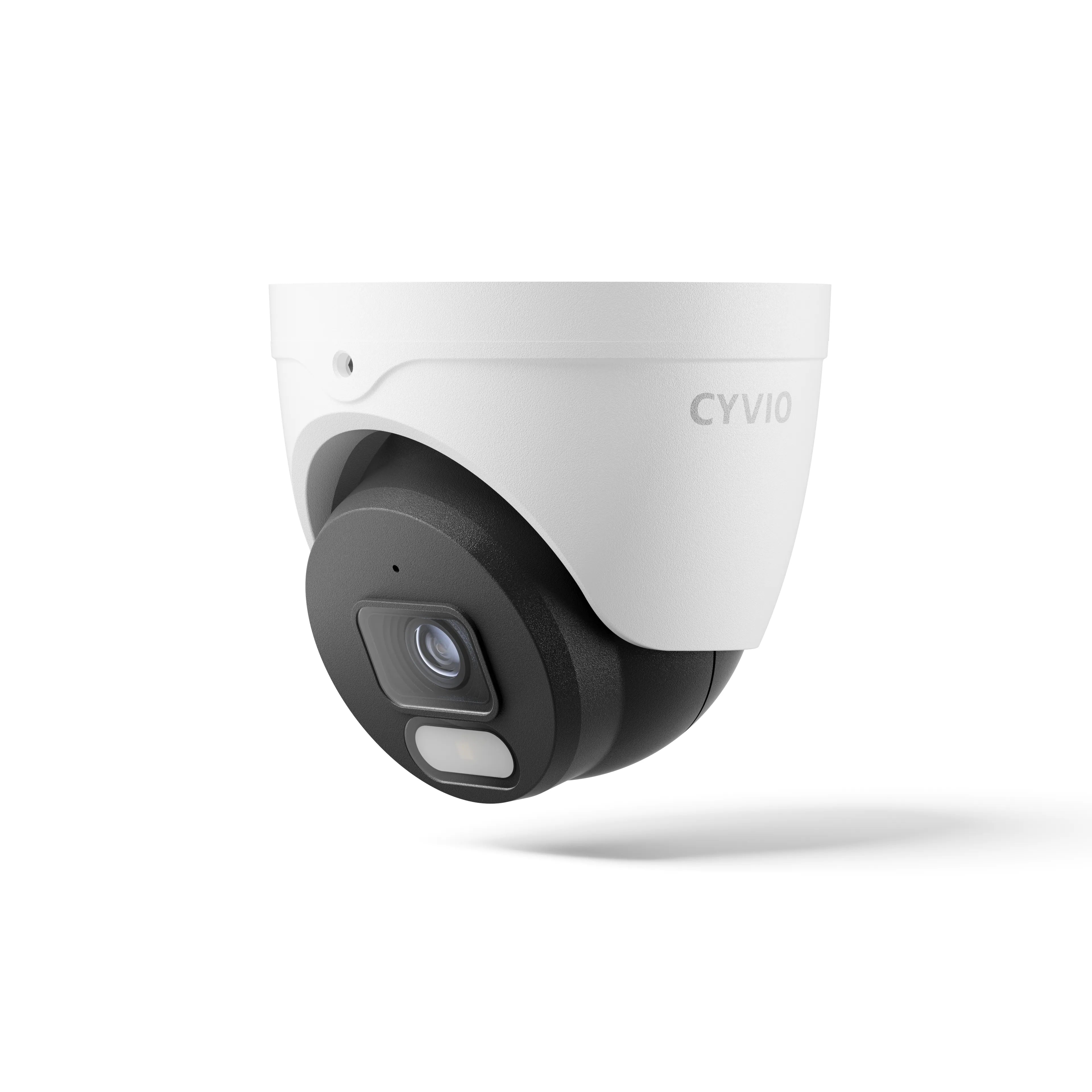
For fixed surveillance environments that require 24/7 operation, CYVIO N2834 4K PoE security cameras combine several technologies to minimize image noise and maintain clear footage.
Built-in 3D DNR continuously analyzes multiple frames to suppress random noise while preserving important details.
Large-aperture lenses, including F1.6 designs, capture more available light, reducing the need for excessive signal amplification.
Meanwhile, Smart IR automatically balances infrared illumination to keep both nearby and distant objects visible without overexposure.
This combination makes CYVIO PoE cameras suitable for:
- Retail stores and convenience shops
- Offices and warehouses
- Home driveways and garages
- Outdoor entrances and backyards
Whether monitoring a storefront after closing hours or recording activity around a home at night, cleaner footage means more useful recordings when reviewing events later.

CYVIO C2 Indoor Security Cameras: Clearer Images for Everyday Home Monitoring
Indoor environments often seem easier to monitor than outdoor spaces, but they present their own lighting challenges. Bedrooms, nurseries, hallways, and living rooms frequently rely on limited indoor lighting at night, making image noise more noticeable.
For families, excessive noise can make it difficult to see what is happening in a baby's room, check on pets after dark, or review activity inside the home. That's why CYVIO C2 indoor security cameras are designed with the same image optimization technologies found in professional surveillance systems.
The combination of 3D DNR and an F2.0 large-aperture lens helps the camera capture more available light while reducing random image noise. Even in dim indoor environments, the camera can produce cleaner footage with improved detail, allowing users to monitor family members, pets, or visitors with greater confidence.
Beyond image quality, CYVIO C2 indoor cameras are designed to make everyday monitoring simple and convenient.
Built-in two-way audio allows users to communicate with family members or visitors directly through the mobile app. Whether you're checking in with children after school or speaking with someone at home while you're away, real-time communication is always available.
For users concerned about privacy and long-term storage costs, the cameras support local storage with MicroSD cards of up to 512 GB. This allows recordings to remain under your control without requiring monthly cloud subscription fees.
The CYVIO mobile app also enables remote live viewing and playback, giving users instant access to their cameras anytime and anywhere. Whether you're traveling, working late, or simply away from home, you can check live footage and review recorded events directly from your smartphone.
Choosing a Secur ity Camera with Better Noise Control
When comparing different security cameras, image resolution is only one part of overall performance. A higher-resolution camera may still produce poor nighttime footage if it lacks effective noise reduction technology.
If your surveillance system needs to monitor homes, offices, retail stores, garages, or warehouses around the clock, consider a camera that combines both hardware and software improvements.
Features such as 3D DNR, a large-aperture lens, Smart IR, and AI-powered image processing work together to reduce video noise while preserving the details that matter most. For outdoor installations, a reliable PoE security camera system also provides stable power and data transmission, ensuring consistent image quality during continuous recording.
Rather than focusing on brightness alone, the best surveillance cameras deliver footage that remains clean, balanced, and useful—even when lighting conditions become challenging.
Conclusion
Video noise is a natural part of digital imaging, particularly in the low-light environments where security cameras often operate. The real difference between an average surveillance camera and a professional one lies in how effectively that noise is controlled.
Modern technologies such as 3D Digital Noise Reduction, larger image sensors, F1.6/F2.0 large-aperture lenses, Smart IR, and AI-powered denoising all help create cleaner footage without sacrificing important details. Instead of allowing grain and interference to overwhelm the image, these technologies preserve the information users rely on when reviewing recordings.
CYVIO integrates these technologies across both its PoE security camera systems and indoor security cameras, helping users capture clearer images in homes, offices, warehouses, retail stores, and other surveillance environments. Whether you're monitoring your front door at night or protecting a business after hours, cleaner footage means greater confidence that every important moment has been recorded with the detail you need.
Frequently Asked Questions
What is video noise in a security camera?
Video noise refers to unwanted random dots or grain that appear in an image, especially in low-light conditions. It reduces image clarity and can hide important details in surveillance footage.
Why do security cameras produce more noise at night?
In dark environments, camera sensors receive less light and increase signal amplification to brighten the image. This process also amplifies electronic interference, making image noise more visible.
Does 3D DNR improve night vision?
Yes. 3D Digital Noise Reduction (3D DNR) analyzes multiple video frames to reduce random noise while preserving image details, resulting in cleaner nighttime footage.
How does Smart IR help reduce image noise?
Smart IR automatically adjusts infrared illumination according to the distance of the subject. This prevents nearby objects from becoming overexposed while keeping distant areas properly illuminated, improving overall image balance.
Is a large-aperture lens better for low-light surveillance?
Yes. Larger apertures such as F1.6 or F2.0 allow more light to reach the image sensor, reducing the need for excessive signal amplification and helping produce cleaner images with less noise.
Are PoE security camera systems better for continuous surveillance?
For fixed installations, PoE security camera systems provide stable power and network connectivity through a single Ethernet cable. Combined with advanced image processing technologies, they deliver reliable 24/7 monitoring and consistent image quality.
How can I choose a security camera with better low-light performance?
Look for features such as 3D DNR, a large image sensor, a large-aperture lens, Smart IR, AI-powered denoising, and reliable hardware. Together, these technologies help reduce video noise and produce clearer surveillance footage in challenging lighting conditions.