









How far should the camera be from router?
There is no fixed “maximum distance” between a camera and a router. The actual effective range depends entirely on the installation environment. Interference is the main factor that weakens the signal and reduces the usable distance.
Main Sources of Interference
The following are the three major categories of interference that affect connection distance and signal quality:
|
Interference Category |
Specific Interference Factors |
Impact on Connection |
|
1. Physical Obstacles |
Concrete load-bearing walls, brick walls, ceramic tiles |
Severe signal attenuation; passing through one wall can reduce signal strength by more than 50%. |
|
Metal objects (security doors, metal cabinets, beams, columns) |
Strong signal reflection or shielding; very likely to create dead zones. |
|
|
Large bodies of water (fish tanks, water pipes) |
Water strongly absorbs Wi-Fi signals, significantly weakening the connection. |
|
|
2. Wireless Environment Interference |
Other Wi-Fi networks (neighboring routers) |
Channel congestion, resulting in reduced speed and increased latency. |
|
Household appliances (microwave ovens, Bluetooth devices, cordless phones) |
Generate strong electromagnetic interference during operation, causing intermittent connection drops. |
|
|
3. Device & Configuration Factors |
Router placement (e.g., corners, inside cabinets) |
Limited coverage origin, preventing the router from achieving optimal coverage. |
|
Wi-Fi band selection (2.4 GHz vs 5 GHz) |
2.4 GHz: Better wall penetration but more susceptible to interference. 5 GHz: Less interference but weaker wall penetration. |
|
|
Router / camera performance (antennas, older models) |
Older or low-performance devices have insufficient transmit power and receive sensitivity. |
Camera Connection Distance Reference
|
Product Model |
Test Environment |
Measured Stable Distance |
Notes & Explanation |
|
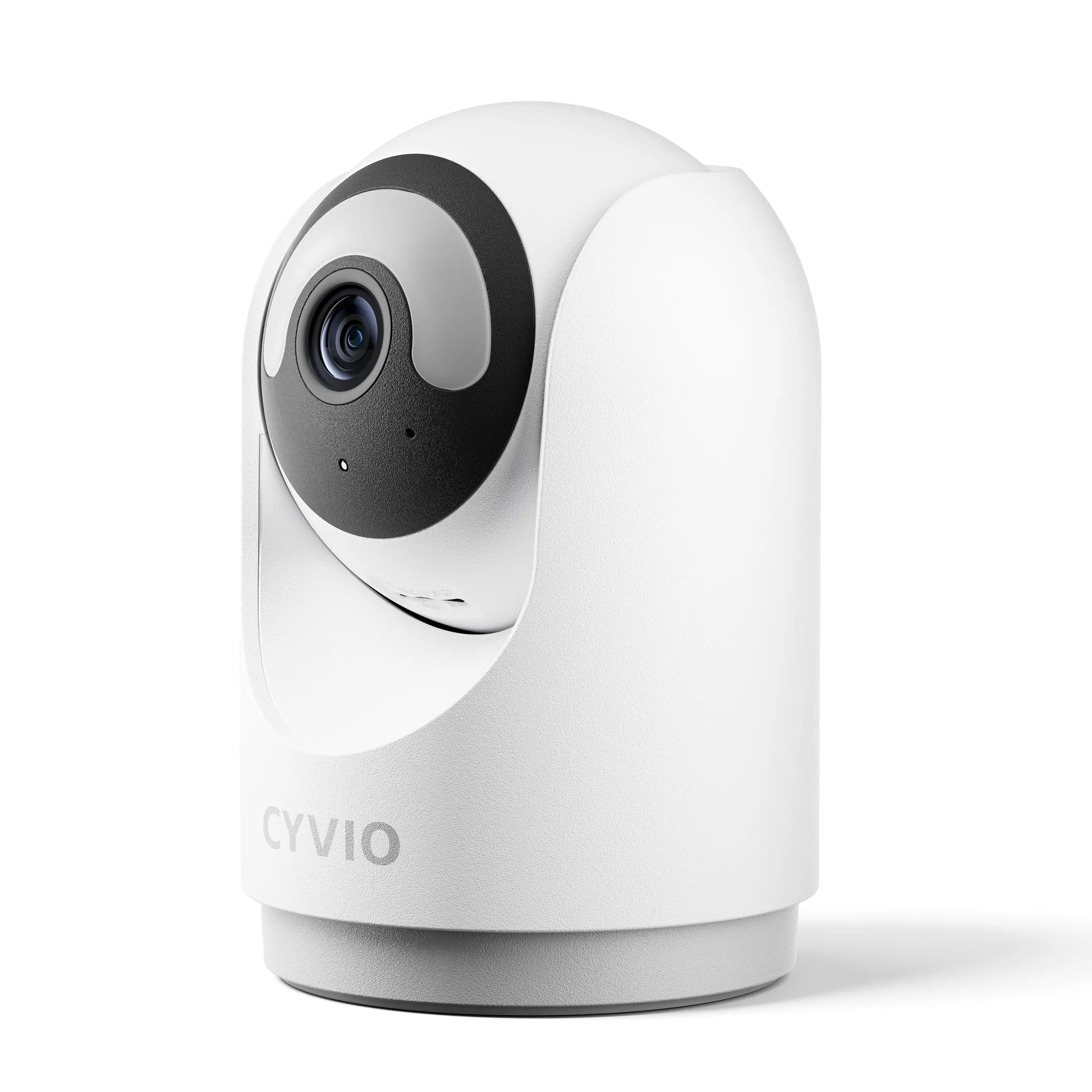
C2 PTZ Camera(Supports 2.4 GHz & 5 GHz) |
Outdoor, open area (no obstructions) |
1. Approx. 30 m when connected to 5 GHz2. Approx. 25 m when connected to 2.4 GHz |
The distance between the camera and the router depends on the router’s performance and signal strength. Data is for reference only. |
|
Indoor, through walls |
1. 5 GHz: approx. 7 m through 3 concrete walls2. 2.4 GHz: approx. 10 m through 4 concrete walls |
Results vary depending on router performance and wall thickness/material. For reference only. |
|
|
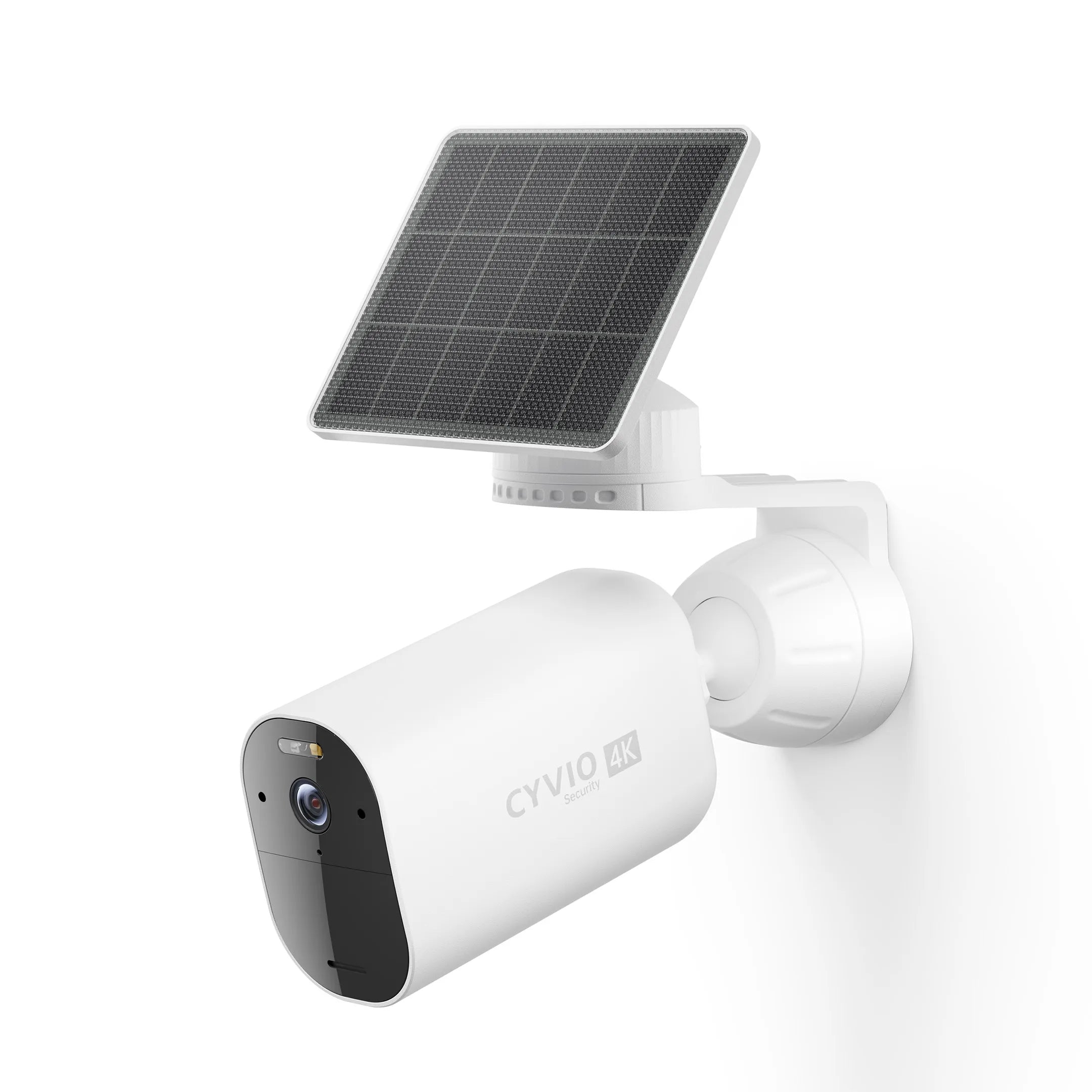
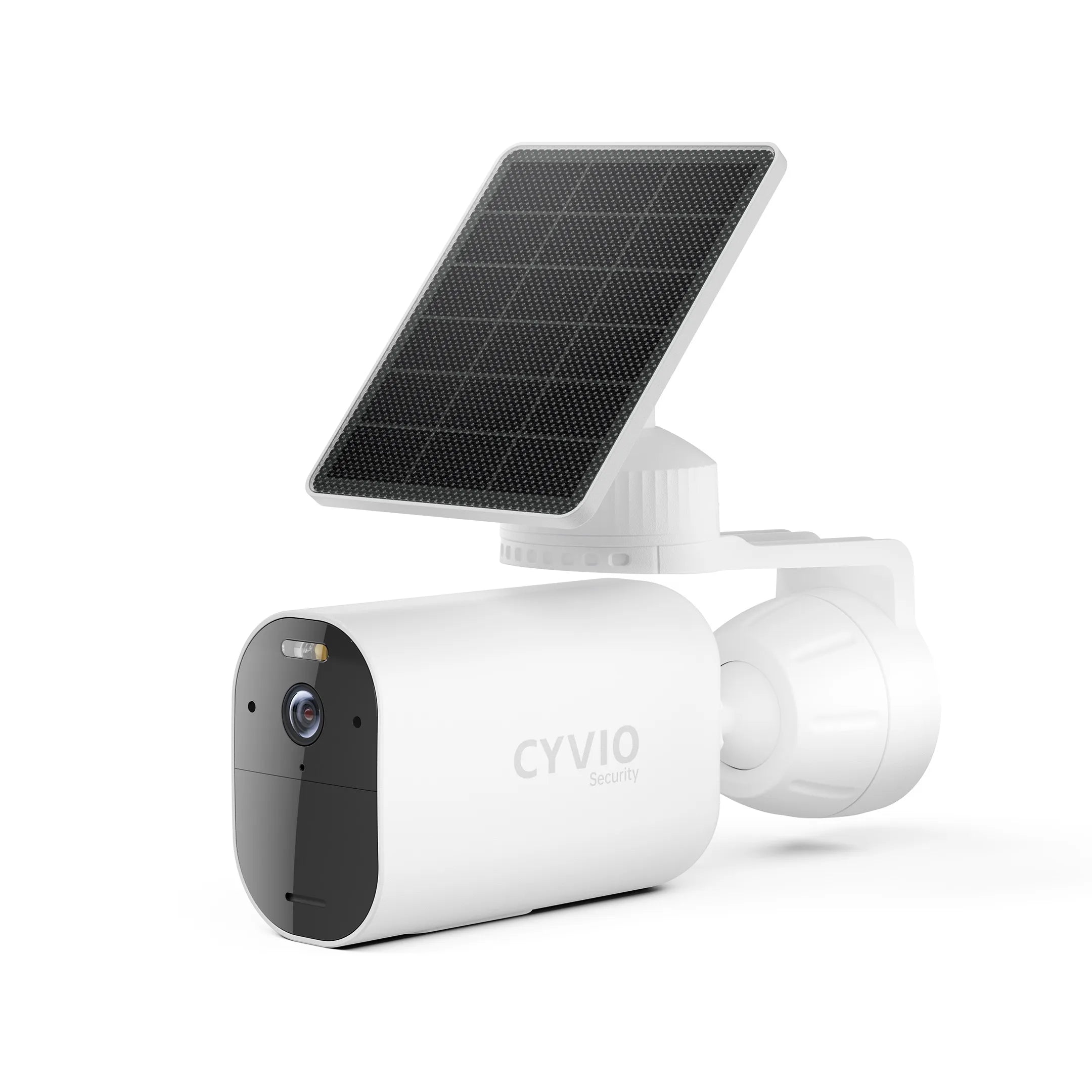
Battery Camera B220 / B221(2.4 GHz only) |
Outdoor, open area (no obstructions) |
Theoretical maximum: approx. 400 m |
Distance between the camera and the router under ideal theoretical conditions. |
|
Indoor, through walls |
Approx. 10 m through 3 concrete walls |
Actual stable distance is highly affected by wall materials and router performance. Data is for reference only. |
|
|
R112 Battery Doorbell Kit |
Outdoor, open area (no obstructions) |
Approx. 25 m |
Distance between the doorbell and its dedicated base station, not the main home router. |
|
Indoor, through walls |
Approx. 10 m through 4 concrete walls |
Depends on wall thickness and materials. For reference only. |
|
|
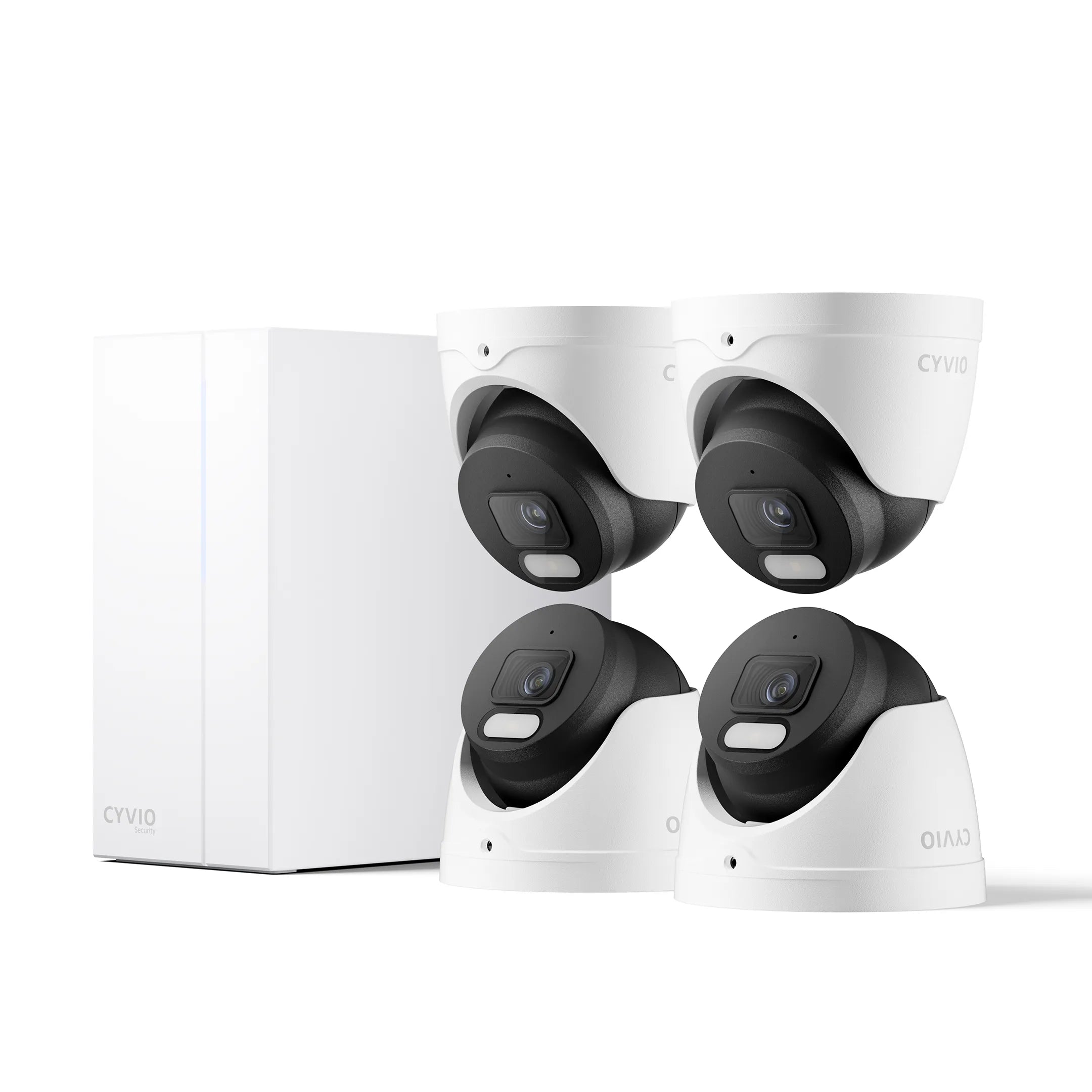
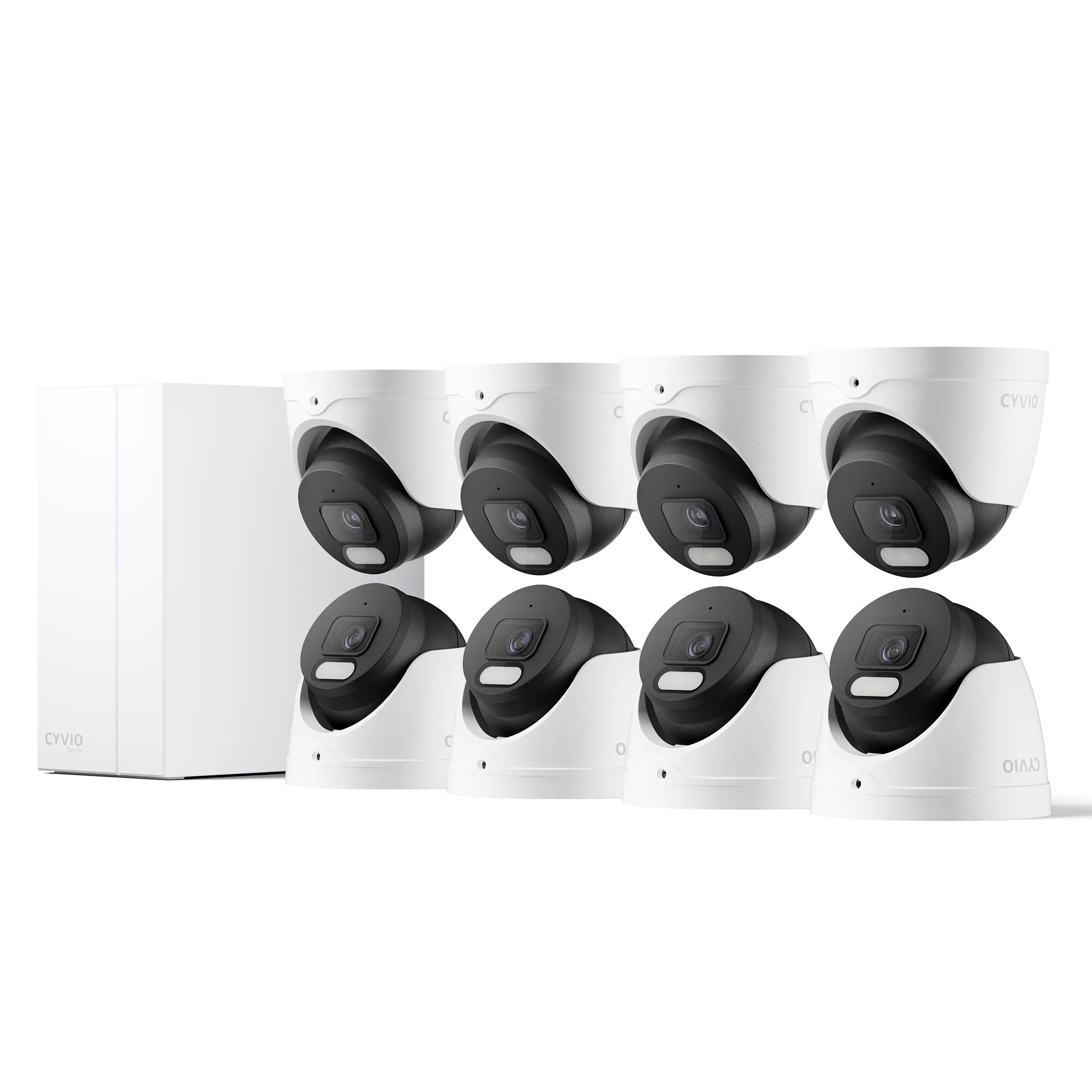
Wi-Fi HaLow Kit |
Outdoor, open area (no obstructions) |
Theoretical maximum: approx. 900 m |
Proprietary wireless distance between the NVR and IP cameras. This is not standard home Wi-Fi. |
|
Indoor, through walls |
Approx. 50 m through 5 concrete walls |
The HaLow protocol provides significantly better wall penetration and interference resistance than standard Wi-Fi, but performance is still affected by wall materials and thickness. For reference only. |