









Why Outdoor Security Cameras Age Faster: UV, Heat, and Corrosion Explained

Outdoor security cameras are designed to withstand harsh environments, yet many homeowners notice something surprising after a year or two of installation. Cameras installed indoors often maintain their appearance and performance for many years, while outdoor units may begin to show yellowing, rough surfaces, or even small cracks in their housings.

This visible aging is more than just a cosmetic issue. It often indicates that the materials protecting the camera are gradually degrading, which can ultimately affect reliability, weather resistance, and the lifespan of the device.
Understanding why outdoor security cameras age faster requires looking closely at the environmental forces constantly acting on them. Sunlight, temperature fluctuations, moisture, salt, and pollutants work together to accelerate material degradation. In many cases, these factors interact with each other, creating a compounding effect that significantly speeds up aging.
For homeowners choosing a long-lasting outdoor security camera, understanding these environmental challenges—and the materials designed to resist them—is essential.
The Harsh Reality of Outdoor Environments
Unlike indoor devices that operate in relatively stable conditions, outdoor security cameras must withstand a constantly changing environment. A typical camera mounted outside may experience direct sunlight for hours, temperature swings between day and night, rainstorms, humidity, dust, and airborne pollutants.
Over time, these environmental factors can slowly weaken the materials used in the camera housing. The outer shell of most security cameras is made from high-performance polymers or coated metals, designed to protect internal electronics from weather damage. However, without proper material engineering, these surfaces gradually degrade under environmental stress.
Three major forces drive the aging process of outdoor surveillance equipment: ultraviolet radiation, thermal cycling, and environmental corrosion.
Ultraviolet Radiation: The Invisible Material Destroyer
Sunlight contains ultraviolet (UV) radiation, a high-energy form of light capable of triggering chemical reactions in many materials. While invisible to the human eye, UV radiation has a powerful effect on plastics and polymers commonly used in camera housings.
When UV rays strike these materials, they can break the molecular bonds within the polymer chains. This process is known as photo-oxidative degradation, where UV energy initiates chemical reactions with oxygen in the air. Over time, this weakens the material structure.

As the molecular chains degrade, several visible changes may occur:
- Yellowing or discoloration of the housing
- Surface chalking or powdering
- Reduced flexibility and increased brittleness
- Loss of structural integrity
These changes are not merely aesthetic. Once the outer shell becomes brittle, it becomes more susceptible to cracking under physical stress or temperature fluctuations. Small cracks can allow moisture to penetrate the enclosure, potentially damaging internal electronics.
For outdoor security cameras that operate under constant sun exposure, UV radiation is often the primary driver of material aging.
Thermal Cycling: The Stress of Constant Expansion and Contraction
Outdoor cameras experience dramatic temperature changes throughout the day. Under direct sunlight, the surface temperature of a camera housing can rise significantly, especially during summer months. At night, temperatures drop quickly, particularly in regions with large daily temperature variations.
This repeated heating and cooling creates a process known as thermal cycling.
Materials expand when heated and contract when cooled. While this behavior is normal, constant repetition creates mechanical stress inside the material. Over months and years, these stresses gradually accumulate and cause fatigue in the structure.
The effect is similar to repeatedly bending a metal wire until it eventually breaks. In plastics and composite materials, thermal cycling can lead to:
- Micro-cracks forming on the surface
- Structural weakening over time
- Increased brittleness
- Deformation or warping
High temperatures also accelerate chemical reactions within the material. When heat combines with UV exposure, the rate of degradation increases dramatically. This is why outdoor camera housings exposed to strong sunlight often age faster than those installed in shaded areas.
In essence, thermal cycling amplifies the damage caused by UV radiation, making it one of the key contributors to outdoor equipment aging.
Environmental Corrosion: The Hidden Chemical Threat
While sunlight and temperature stress are widely recognized, environmental corrosion is another critical factor affecting outdoor surveillance systems.
In coastal regions, the air contains microscopic salt particles carried by sea spray. When these particles settle on camera housings and mix with moisture from rain or humidity, they create a highly corrosive environment known as salt spray corrosion.
Salt accelerates oxidation and can gradually degrade protective coatings on metal parts. Over time, this corrosion can weaken mounting structures, screws, and connectors.
Industrial environments present another challenge. Airborne pollutants such as sulfur compounds, acidic particles, and alkaline residues can chemically react with exposed surfaces. These substances may slowly erode protective coatings or compromise plastic surfaces.
Even in residential areas, long-term exposure to moisture, dust, and pollutants can gradually weaken the weatherproof barrier of an outdoor security camera. Once the protective layer is compromised, corrosion may begin affecting internal components.
This is why corrosion resistance is a critical factor when selecting an outdoor security camera, particularly in coastal or industrial locations.
Material Innovation: From Passive Resistance to Active Protection
Recognizing these environmental challenges, the security industry has increasingly focused on improving material technology for outdoor devices. Modern camera manufacturers are moving beyond basic protective housings toward advanced weather-resistant materials and surface treatments designed to actively resist environmental degradation.
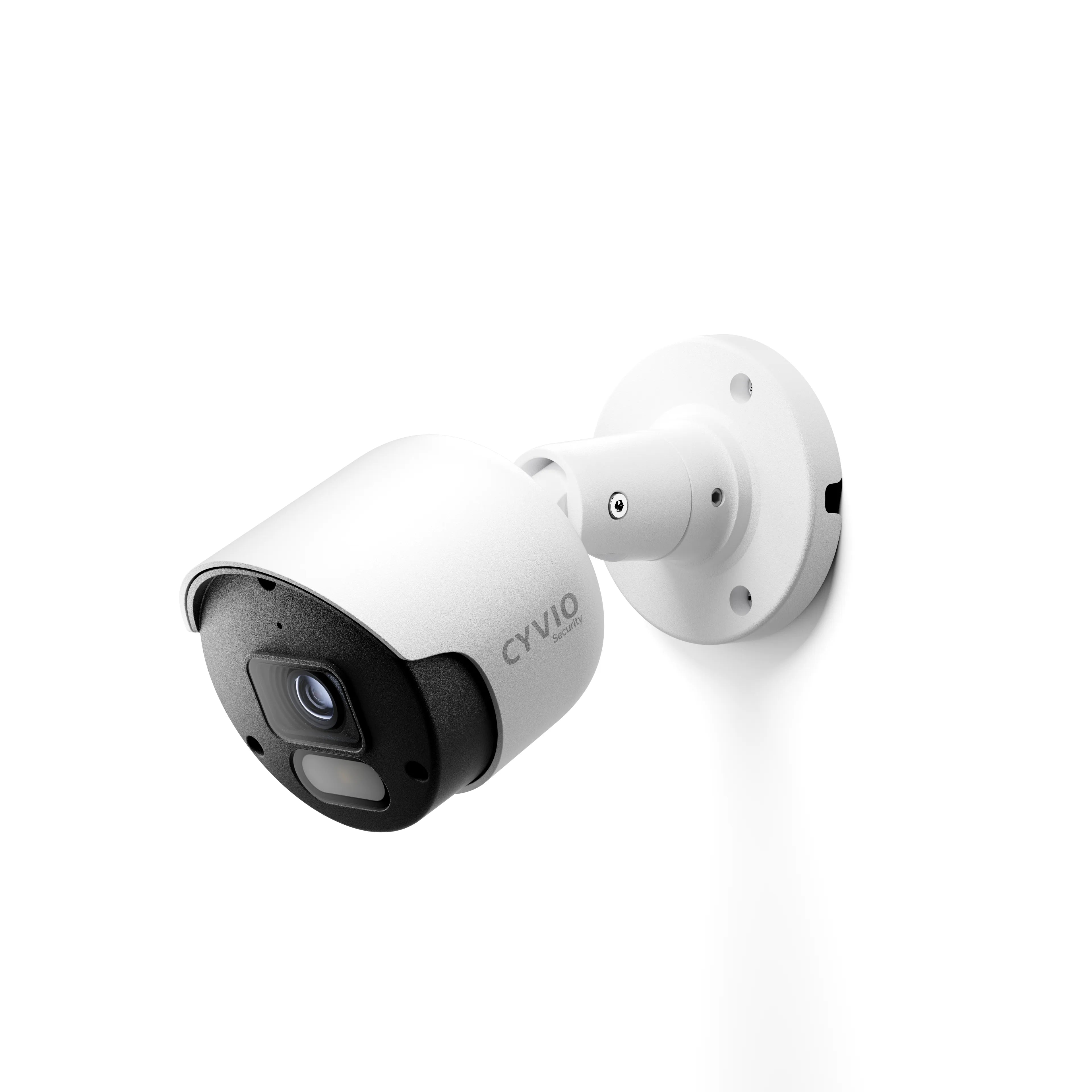
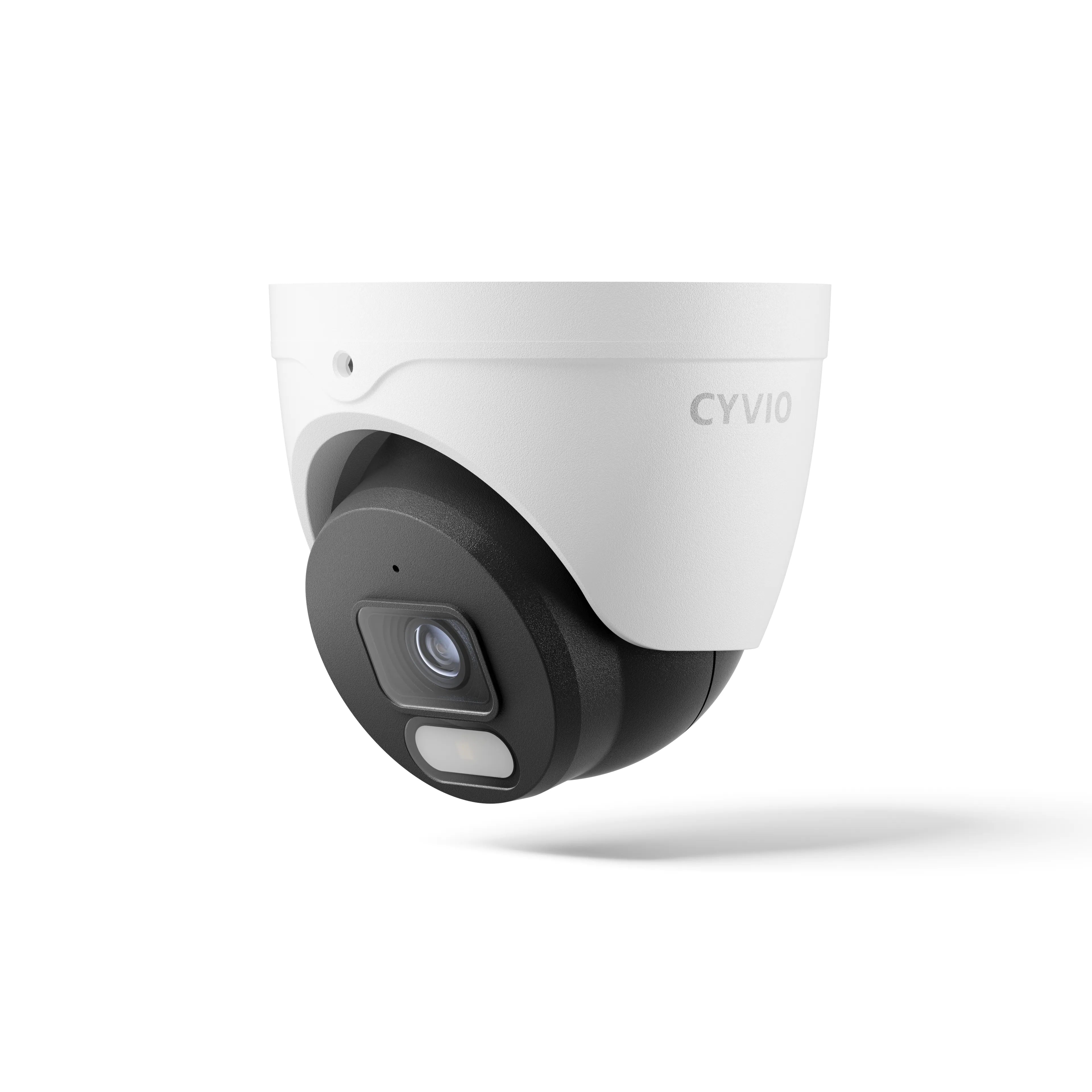
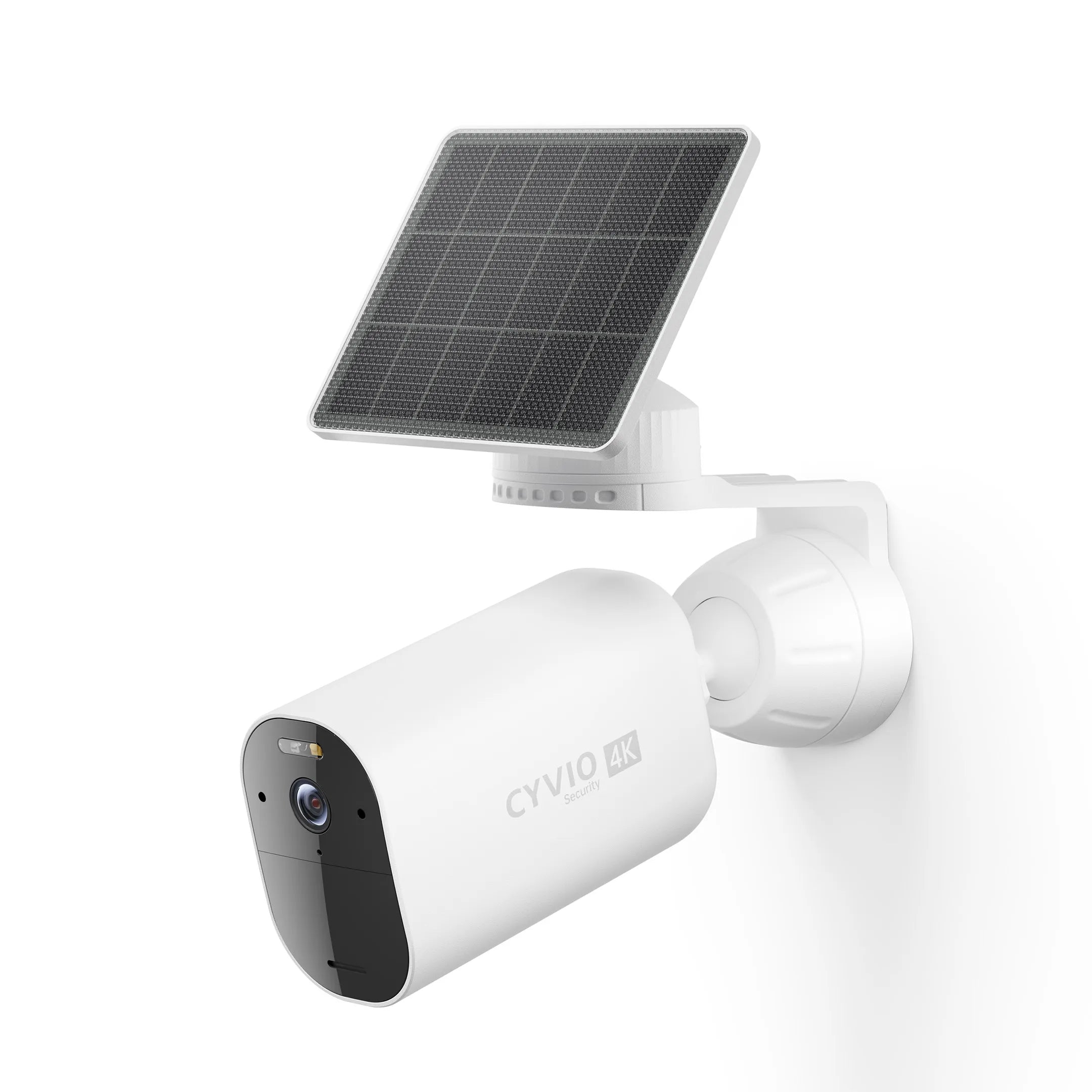
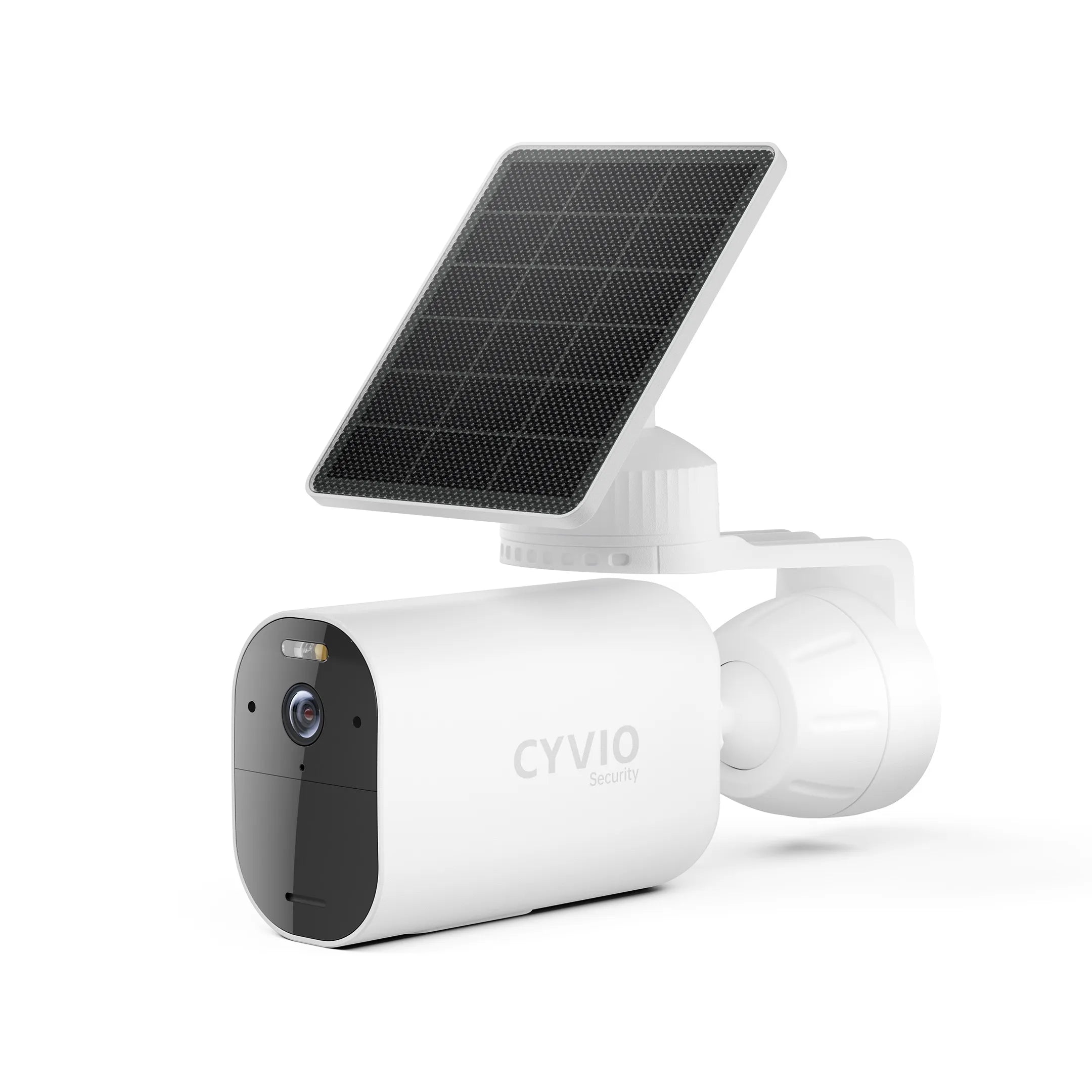
One example is CYVIO, which has developed a series of outdoor security cameras using dual-layer weather-resistant materials and enhanced surface protection technologies.
These innovations aim to address the three major aging factors simultaneously.
UV-Resistant Materials for Long-Term Color Stability
To combat UV damage, CYVIO high-quality outdoor cameras incorporate UV stabilizers into their polymer materials. These additives absorb or scatter ultraviolet radiation before it can break down the molecular structure of the plastic.
By preventing UV energy from reaching the polymer chains, the material maintains its strength and flexibility for much longer periods. This significantly reduces discoloration, surface chalking, and brittleness.
As a result, the camera housing retains its structural integrity and appearance even after years of outdoor exposure.
Multi-Layer Anti-Corrosion Coatings
In environments exposed to rain, humidity, salt spray, or chemical pollutants, surface protection is essential. Advanced CYVIO outdoor security cameras often feature multi-layer protective coatings designed to shield the underlying materials from corrosion.
These coatings can include protective polymer layers, specialized chemical treatments, or corrosion-resistant finishes that block moisture and pollutants from penetrating the surface.
By preventing corrosion from reaching the base material, these coatings help maintain the camera's weatherproof seal and overall durability.
Enhanced Thermal Stability for Extreme Temperatures
Another critical improvement lies in optimizing materials for thermal stability and flexibility.
Outdoor cameras must operate reliably across wide temperature ranges. In some climates, equipment may face scorching summer heat during the day and near-freezing conditions at night.
By enhancing the heat resistance and elasticity of the housing materials, manufacturers can reduce the internal stress caused by thermal expansion and contraction. This allows the camera body to withstand temperature cycles without developing cracks or structural damage.
For example, CYVIO N2834 PoE security cameras system engineered with improved thermal stability can operate in environments ranging from −30°C to 60°C, maintaining consistent performance despite extreme temperature fluctuations.

Why Material Quality Matters for Outdoor Security Cameras
When choosing an outdoor security camera, many buyers focus primarily on resolution, night vision, or smart detection features. While these capabilities are important, the durability of the camera housing plays an equally critical role in long-term performance.
A camera exposed to sunlight, rain, wind, and pollution every day requires a protective shell capable of resisting years of environmental stress. Poor material quality can lead to premature aging, which may eventually compromise waterproofing and internal electronics.
High-quality materials with UV resistance, corrosion protection, and thermal stability provide a long-term reliability advantage, reducing maintenance needs and extending the lifespan of the device.
In the end, material science is one of the most important factors determining the durability of outdoor security cameras.
FAQ
1.Why do outdoor security cameras turn yellow over time?
Yellowing is usually caused by ultraviolet (UV) radiation from sunlight. UV rays break down the molecular structure of plastic materials through photo-oxidation, which changes the color and weakens the surface of the camera housing.
2.How long should an outdoor security camera last?
A high-quality outdoor security camera typically lasts 5–10 years, depending on environmental conditions and material quality. Cameras designed with UV-resistant materials and corrosion protection generally have longer lifespans.
3.Can heat damage outdoor security cameras?
Yes. Extreme heat can accelerate material degradation and increase internal stress through thermal expansion. Repeated heating and cooling cycles may eventually lead to cracks or structural fatigue in lower-quality materials.
4.Are outdoor cameras safe to install in coastal areas?
Yes, but cameras used in coastal environments should have salt-spray corrosion resistance and protective coatings. Salt in the air can accelerate corrosion, so choosing a camera designed for harsh environments is important.
5.What features should I look for in a durable outdoor security camera?
Key durability features include:
- UV-resistant housing materials
- Anti-corrosion coatings
- Wide operating temperature range
- Weatherproof ratings such as IP66 or IP67
High-quality construction designed for long-term outdoor exposure