









Security Camera Vehicle Detection Accuracy Test: A Practical Guide to Reducing False Alarms

As AI technology continues to transform the security industry, vehicle detection has become one of the most valuable intelligent features in modern security camera systems. From residential communities and private driveways to office buildings, warehouses, and industrial parks, security cameras are now expected to do far more than simply record footage. They must accurately detect vehicle movements and provide timely alerts that help users prevent security incidents before they escalate.
However, achieving reliable vehicle detection in real-world environments is far more challenging than it appears. While many systems advertise advanced AI capabilities, their performance often drops significantly when faced with changing weather, difficult lighting conditions, or complex backgrounds. Excessive false alarms can overwhelm security teams, while missed detections may create serious security vulnerabilities.
This is why vehicle detection accuracy testing has become increasingly important. The purpose of these tests is not only to measure how accurately a camera detects vehicles, but also to determine whether the system can operate consistently in practical environments while keeping false alarms under control.
In this article, we'll explore why vehicle detection accuracy matters, what causes false alarms, how to properly evaluate a security camera's performance, and what strategies can be used to build a more dependable security solution.
Why Vehicle Detection Accuracy Matters
The true value of vehicle detection extends far beyond simply counting vehicles entering or leaving a property. In security applications, accurate detection serves as the foundation for efficient monitoring, incident prevention, and timely responses.
In residential communities, office parks, and industrial facilities, even a single missed detection can create significant risks. An unauthorized vehicle entering a restricted area without triggering an alert may lead to theft, property damage, or other security incidents. At the same time, a system that generates excessive false alarms can be equally problematic.

When security personnel constantly receive notifications triggered by shadows, falling leaves, pets, or other harmless objects, they may gradually become desensitized to alerts. Over time, this alert fatigue can cause operators to overlook genuine security threats, ultimately reducing the effectiveness of the entire surveillance system.
For this reason, an effective vehicle detection system must achieve a balance between three critical factors:
- High detection accuracy
- Low false alarm rates
- Minimal missed detections
None of these metrics should be optimized independently. Improving one at the expense of another often leads to poor real-world performance.
The ultimate goal is to build a system that is both accurate and practical, allowing users to trust the alerts they receive without creating unnecessary workloads.
Why Real-World Testing Is More Important Than Laboratory Results
Many security cameras perform exceptionally well under controlled testing environments. Unfortunately, laboratory conditions rarely reflect how cameras are actually used.
Real-world environments are dynamic and unpredictable. Lighting changes throughout the day, weather conditions vary constantly, and surrounding objects can interfere with AI algorithms. A camera that performs perfectly indoors may struggle when deployed outdoors for extended periods.
Therefore, vehicle detection accuracy testing should always simulate actual operating conditions.
Lighting conditions are among the biggest challenges. Cameras should be evaluated during sunrise, sunset, nighttime, and periods of strong backlighting. Reflections from glass surfaces, headlights, and streetlights can alter the appearance of objects and increase the likelihood of false detections.
Weather also plays a major role. Rain, fog, dust, and strong winds can reduce image clarity and create visual interference that challenges AI systems.
Complex backgrounds further increase the difficulty of accurate detection. Trees, fences, bushes, temporary construction materials, and outdoor decorations can all create confusing visual patterns that make it harder for cameras to distinguish vehicles from surrounding objects.
Low-speed environments present another unique challenge. Residential neighborhoods, parking lots, and warehouse loading zones often involve vehicles that stop, start, and remain stationary for long periods of time. Without proper optimization, these scenarios may result in duplicate alerts or incorrect classifications.
Testing under these conditions provides a much more realistic picture of how a security camera will perform after installation.
How to Conduct an Effective Vehicle Detection Accuracy Test
A comprehensive vehicle detection accuracy test should follow a structured process that combines environmental simulation, data collection, and performance analysis.
The first step is to recreate realistic scenarios based on the intended application. Cameras should be tested during different times of day and under various environmental conditions. Security professionals should select representative periods, such as nighttime hours, rainy days, or peak traffic periods.
The second step involves collecting live footage while simultaneously recording ground-truth observations. Human observers manually document actual vehicle movements, environmental changes, and other activities occurring within the camera's field of view.
Finally, the collected data is compared with the AI system's detection results. Any discrepancies between human observations and automated detections are analyzed to identify patterns associated with false alarms or missed detections.
This data-driven approach allows security teams to pinpoint weaknesses and optimize system settings accordingly.
Several performance indicators should be monitored throughout the testing process. Detection accuracy measures how many vehicles are correctly identified, while false alarm rates determine how often non-vehicle objects are incorrectly classified as vehicles. Missed detection rates reveal how many actual vehicles go unnoticed, and response time evaluates how quickly the system generates alerts after a vehicle appears.
Together, these metrics provide a complete picture of overall system performance.
Understanding the Main Causes of False Alarms
False alarms remain one of the biggest obstacles to effective vehicle detection.
In most cases, false alarms are not caused by a single factor. Instead, they result from a combination of environmental interference, hardware limitations, and insufficient AI optimization.
Environmental interference is often the primary culprit. Everyday objects such as plastic bags, fallen leaves, large pets, garbage bins, and moving shadows can temporarily resemble vehicle shapes. Even reflections from streetlights or nearby windows may confuse AI algorithms.
Hardware limitations also play a significant role. Low-resolution cameras often struggle to capture sufficient detail for accurate object recognition. Lens distortion, poor night vision performance, and infrared reflections can further reduce image quality and increase the chances of misclassification.
Algorithm optimization is another critical factor. Generic AI models are typically designed to work across many different environments, but they may not perform well in specific scenarios. Small utility vehicles, electric tricycles, delivery carts, and parked objects can sometimes be mistaken for other targets if the algorithm has not been trained using relevant data.
These challenges highlight why selecting a camera with advanced AI capabilities alone is not enough. Real-world optimization is equally important.
The Hidden Cost of Excessive False Alarms
False alarms do much more than create temporary inconveniences.
Over time, they can significantly reduce operational efficiency and increase security costs. Constant notifications force security personnel to spend valuable time investigating events that pose no actual threat. This repetitive process consumes resources that could otherwise be directed toward genuine security concerns.
Frequent false alarms also contribute to alert fatigue. When users repeatedly encounter unnecessary alerts, they may begin to ignore notifications altogether. Eventually, this behavior increases the risk of missing real security incidents.
In addition, unnecessary detections generate excessive amounts of stored data, increasing storage demands and making it more difficult to review important events later.
For high-security environments such as industrial parks, confidential facilities, or office campuses, false alarms can even trigger unnecessary security responses that disrupt daily operations and reduce overall productivity.
Reducing false alarms is therefore not simply a matter of convenience; it is essential for maintaining an efficient and trustworthy security system.
How to Reduce False Alarms and Improve Detection Accuracy
Building a reliable vehicle detection system requires a combination of proper hardware selection, intelligent AI optimization, and regular environmental adjustments.
Choosing the right camera hardware is the first step. Security cameras equipped with high-resolution sensors, Wide Dynamic Range (WDR), starlight night vision, AI noise reduction, and anti-reflection technology are generally better equipped to handle difficult environments.
AI algorithms should also be continuously optimized for specific deployment scenarios. Training models using local vehicle data, refining vehicle contour recognition, and adding secondary verification processes for stationary objects can significantly improve overall performance.
Installation practices also make a major difference. Cameras should be positioned to avoid direct backlighting whenever possible, and obstructions such as overgrown vegetation should be removed regularly. Areas that frequently generate false alarms, such as decorative walls or dense landscaping, can be excluded through detection zones or privacy masks.
Routine maintenance is equally important. Environmental conditions change throughout the year, and periodic recalibration helps ensure the system continues to perform at its best.
The most effective security systems are not static. They evolve over time as users gather more operational data and fine-tune their settings.
A Practical Example: CYVIO Vehicle Detection in Everyday Security Environments
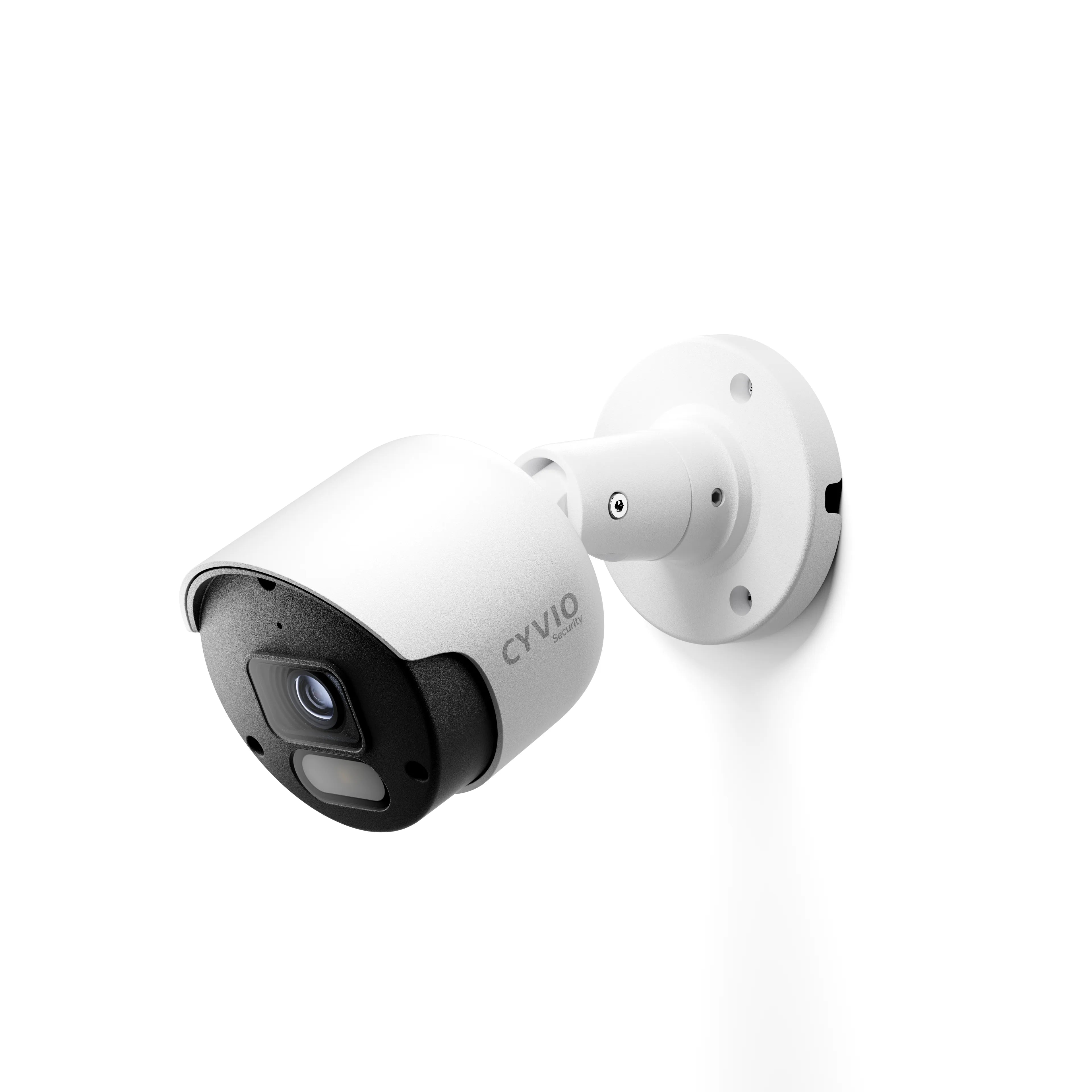
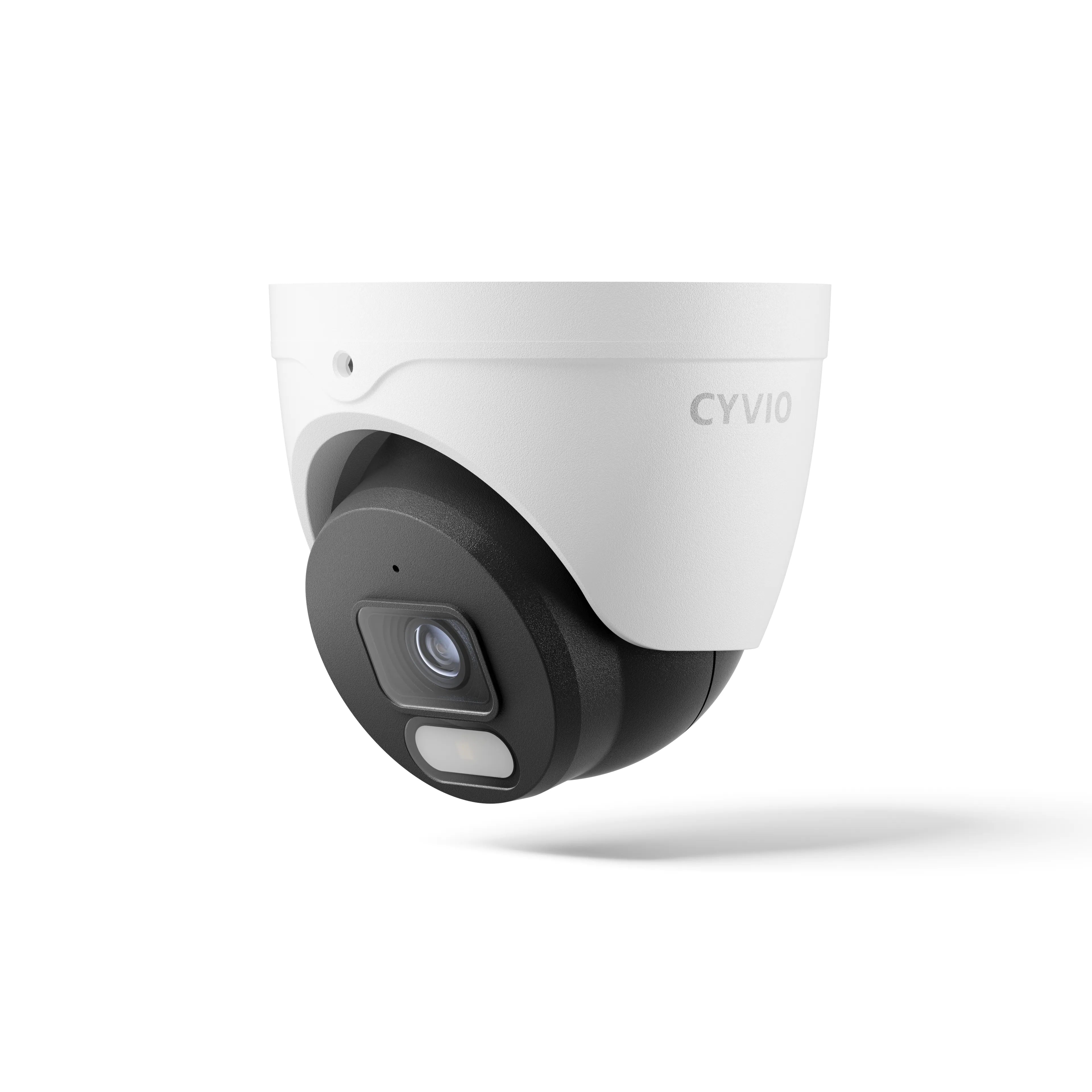
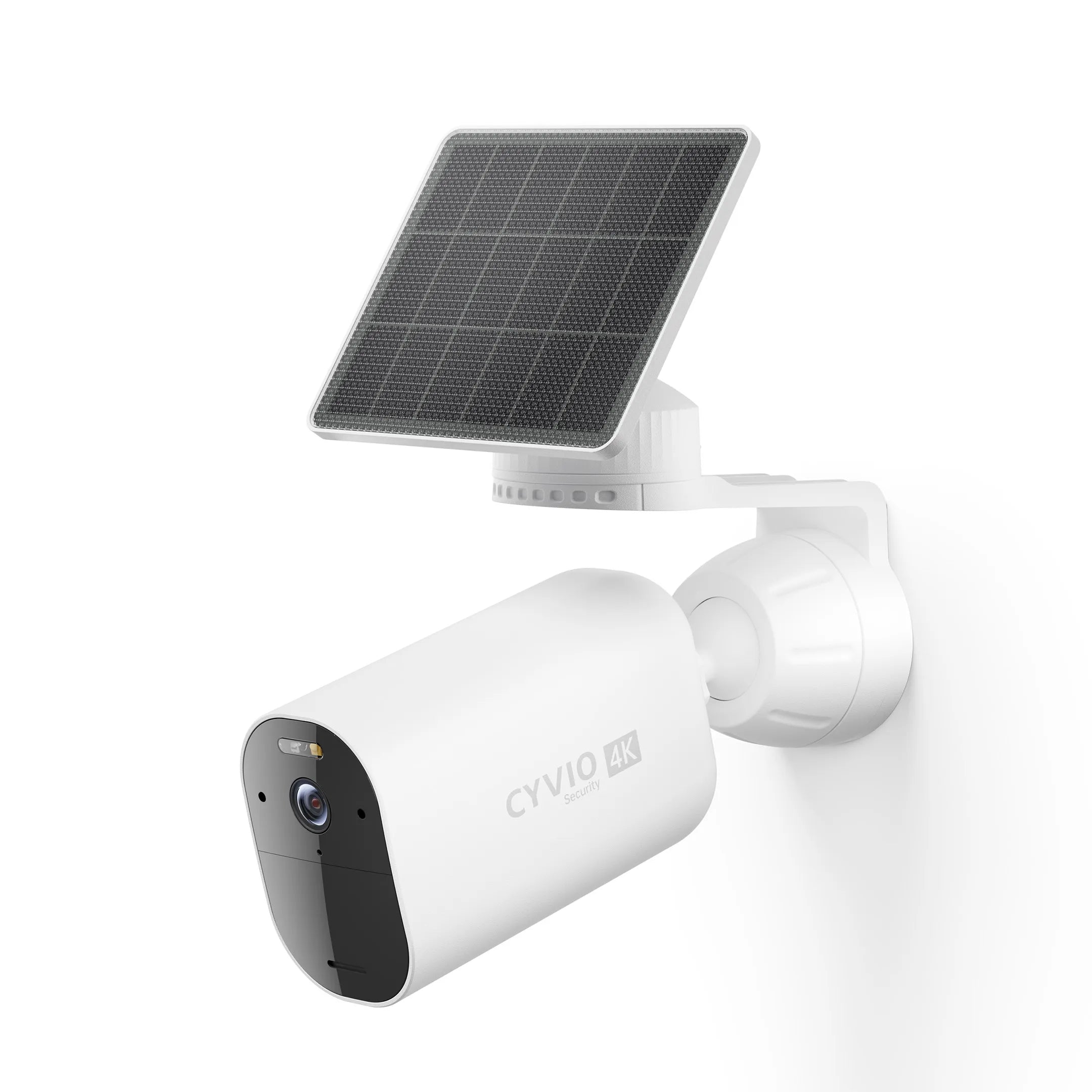
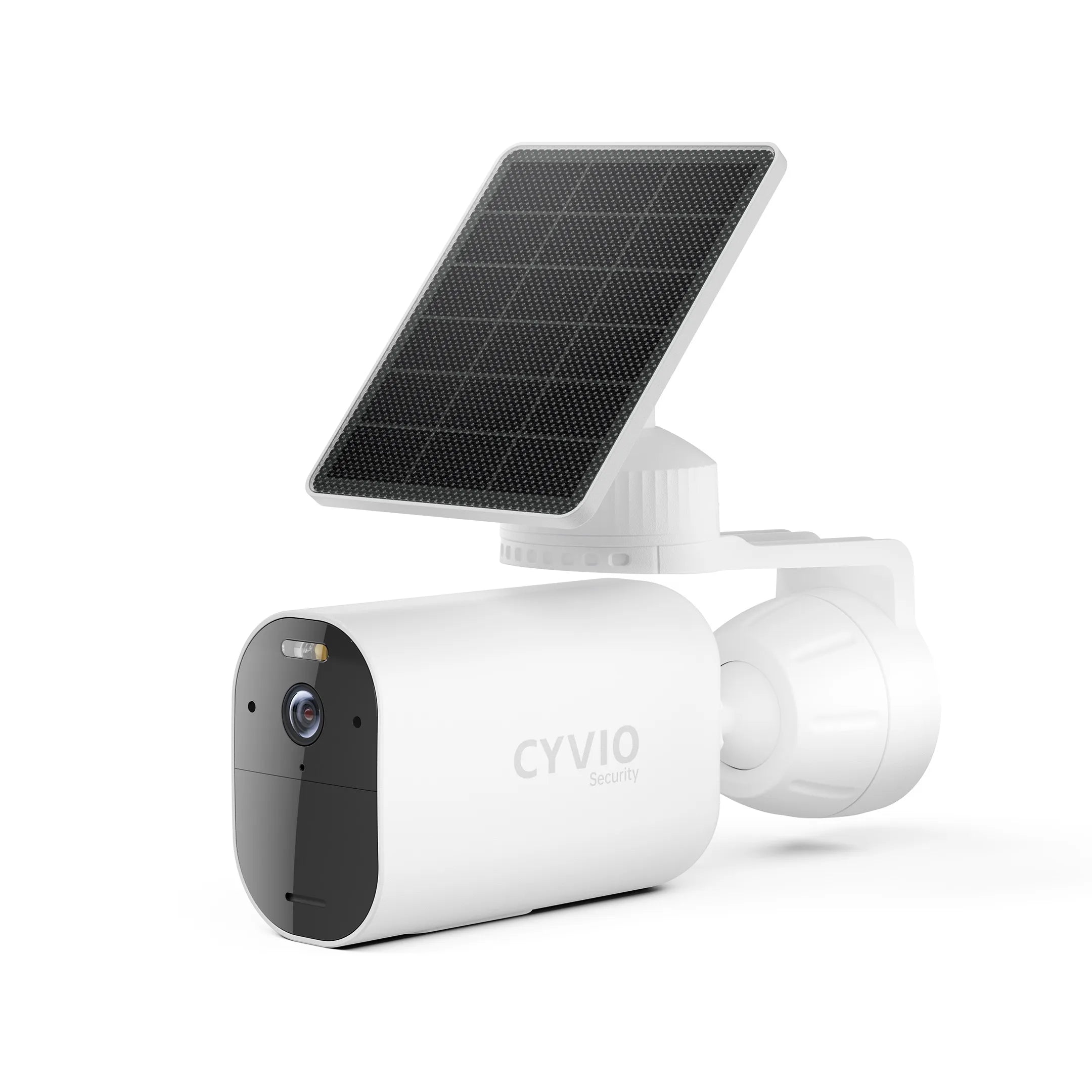
In real-world applications, CYVIO security cameras are designed to provide practical vehicle detection solutions for residential communities, private driveways, and small business environments.

Rather than focusing on unnecessary vehicle attributes such as brand identification or model recognition, CYVIO prioritizes a simpler and more effective approach: determining whether a vehicle is present and whether its behavior requires attention.
This streamlined design reduces system complexity and helps lower false alarm rates.
For example, a homeowner may install CYVIO cameras at driveway entrances and along landscaped areas where false alarms commonly occur. Evening backlighting, streetlight reflections, tree shadows, children's toys, garbage bins, and electric bicycles are all common sources of interference in these environments.
To address these challenges, CYVIO uses optimized AI video analytics to strengthen vehicle contour recognition and dynamic behavior analysis. The system can also perform secondary verification on suspicious stationary objects before generating an alert, reducing unnecessary notifications.

In real-world testing, CYVIO security cameras have demonstrated vehicle detection accuracy rates above 96%, false alarm rates below 0.5%, and response times of one second or less.

These capabilities make them especially suitable for neighborhoods and small business environments where pedestrians, bicycles, and vehicles frequently share the same space.
By focusing on essential vehicle detection instead of collecting excessive attribute data, CYVIO also reduces storage requirements and simplifies security management for users.
Final Thoughts
Vehicle detection accuracy testing is ultimately about making security systems more practical, reliable, and trustworthy.
Rather than pursuing impressive specifications or unnecessary AI features, security professionals should focus on achieving the right balance between detection accuracy, false alarm reduction, and missed detection prevention.
A well-designed vehicle detection system should seamlessly adapt to real-world environments while providing meaningful alerts that users can confidently act upon.
As AI video analytics technology continues to evolve, future security cameras will become even better at understanding complex environments and reducing false alarms. The industry's focus is gradually shifting away from collecting more data and toward delivering smarter, more efficient security experiences.
For homeowners, property managers, and small businesses alike, investing in a well-optimized vehicle detection system can significantly improve security while reducing operational burdens. Ultimately, the best security camera is not the one with the longest list of features, but the one that consistently performs when it matters most.
FAQ
1.What is vehicle detection in a security camera?
Vehicle detection is an AI-powered feature that automatically recognizes vehicles entering or moving within a camera's field of view and sends alerts when necessary.
2.Why are false alarms a problem?
False alarms waste time, increase operational costs, create alert fatigue, and may cause users to ignore genuine security threats.
3.What causes security cameras to falsely detect vehicles?
Common causes include shadows, changing lighting conditions, bad weather, pets, fallen leaves, poor image quality, and insufficient AI optimization.
4.How can I improve vehicle detection accuracy?
You can improve accuracy by choosing high-quality cameras, optimizing AI settings, reducing environmental interference, and regularly adjusting camera placement.
5.What is considered a good vehicle detection accuracy rate?
A vehicle detection accuracy above 95% with a false alarm rate below 1% is generally considered excellent for residential and small business applications. CYVIO cameras have demonstrated over 96% accuracy, false alarm rates below 0.5%, and response times under one second in real-world conditions.
6.Is vehicle detection suitable for homes and small businesses?
Yes. Vehicle detection is particularly useful for driveways, parking lots, warehouses, office buildings, and residential communities.