







Security Camera Resolution Guide: Choosing the Right One for Your Home

When you zoom into a photo on your phone and it quickly turns blurry, but a professional camera image stays sharp even after heavy cropping, you’re seeing the real impact of resolution. The same principle applies when choosing a security camera. Resolution isn’t just a number on a spec sheet—it directly determines how much detail you can actually capture when it matters most.
From 720p and 1080p to 5MP, 4K, 12MP, and even 16MP, today’s security cameras offer a wide range of options. But choosing the right one isn’t about chasing the highest number—it’s about matching clarity, performance, and storage needs to your real-world scenarios. The difference could mean simply noticing movement versus clearly identifying a face or reading a license plate.
What Security Camera Resolution Really Means
Resolution refers to the number of pixels in an image. Think of it as a mosaic made of tiny tiles—the more tiles (pixels) you have, the more detailed and sharper the final image becomes. In security cameras, higher resolution translates to better clarity, improved zoom capability, and more usable evidence.
A 720p camera captures around 1 million pixels, while a 4K camera captures approximately 8 million. That’s not just a small upgrade—it’s a massive leap in detail. This becomes especially important when reviewing footage after an incident, where clarity can determine whether key details are visible or lost.
Understanding the Resolution Levels: From Basic to Professional
At the lower end, 720p security cameras serve as entry-level solutions. They are suitable for very small indoor areas or situations where you only need to detect motion. However, once you zoom in, details quickly degrade, making them unreliable for identification purposes.
1080p (Full HD) has become the standard baseline for home security. It offers a solid balance between image clarity and affordability. In most indoor and basic outdoor environments, 1080p cameras can clearly capture human shapes, movements, and general activity. For many users, this is the minimum recommended resolution.
Moving up, 5MP security cameras represent a noticeable upgrade. With over twice the pixel count of 1080p, they deliver sharper images and improved digital zoom. This makes them ideal for areas where more detail matters, such as entryways, hallways, or front doors. Whether it’s identifying a visitor or tracking movement inside the home, 5MP offers a clear improvement in visual precision.
Then comes 4K (8MP) resolution, which is currently the sweet spot for high-end consumer security systems. With four times the detail of 1080p, 4K cameras allow you to zoom into footage while still retaining clarity. This is crucial for outdoor spaces like driveways, yards, or parking areas, where subjects may be farther away. It also enhances night vision performance, producing cleaner and more detailed images even in low-light conditions.
At the top tier, 12MP and 16MP cameras deliver exceptional detail and extremely wide coverage. These are typically used in large-scale commercial environments such as warehouses, parking lots, or transportation hubs. While impressive, they require significant storage capacity, higher bandwidth, and more powerful systems, making them unnecessary for most residential users.
How to Choose the Right Resolution for Your Needs
Selecting the best security camera resolution is not about going for the highest possible option—it’s about finding the right balance between clarity, storage, and performance.
For small indoor areas or low-priority monitoring, 720p may still work, though it’s becoming outdated. For general home use, 1080p remains a cost-effective and reliable choice. If you want clearer detail and better zoom capabilities, especially for entrances or indoor tracking, 5MP is a strong upgrade.
However, if your goal is to secure outdoor areas or capture critical identifying details—such as faces, license plates, or package labels—4K is the recommended choice. It provides the level of clarity needed for real security, not just basic monitoring.
Higher resolutions like 12MP or 16MP should only be considered if you have a large property or a commercial use case where wide-area coverage and maximum detail are essential.
To make the decision easier, here is a clear breakdown of each security camera resolution level and how it performs in real-world home security scenarios.
|
Resolution |
Pixel Count (Approx.) |
Key Advantage |
Best Use Case |
Considerations |
|
720p |
~1MP |
Lowest cost, minimal storage usage |
Small indoor areas, temporary monitoring, basic motion detection |
Limited detail, not suitable for identification |
|
1080p |
~2MP |
Balanced quality and affordability |
Standard home security (living room, backyard, small shops) |
Limited zoom clarity at long distance |
|
5MP |
~5MP |
Sharper details, better digital zoom |
Entry points, indoor tracking, door areas |
Higher storage usage than 1080p |
|
4K / 8MP |
~8MP |
Ultra-clear detail, strong zoom capability |
Driveways, large outdoor areas, license plate capture |
Requires more storage and bandwidth |
|
12MP / 16MP |
12–16MP |
Extreme detail and wide coverage |
Commercial sites, warehouses, large perimeters |
High cost, heavy system requirements |
CYVIO Security Camera Resolution Strategy (Real Product Use Cases)
Rather than using one resolution for everything, CYVIO designs its security ecosystem by matching the right resolution to the right scenario—ensuring performance, efficiency, and clarity are balanced.
5MP: Balanced Smart Home Standard
For most indoor and entry-level smart home scenarios, 5MP provides the best balance between clarity and efficiency.
For example:
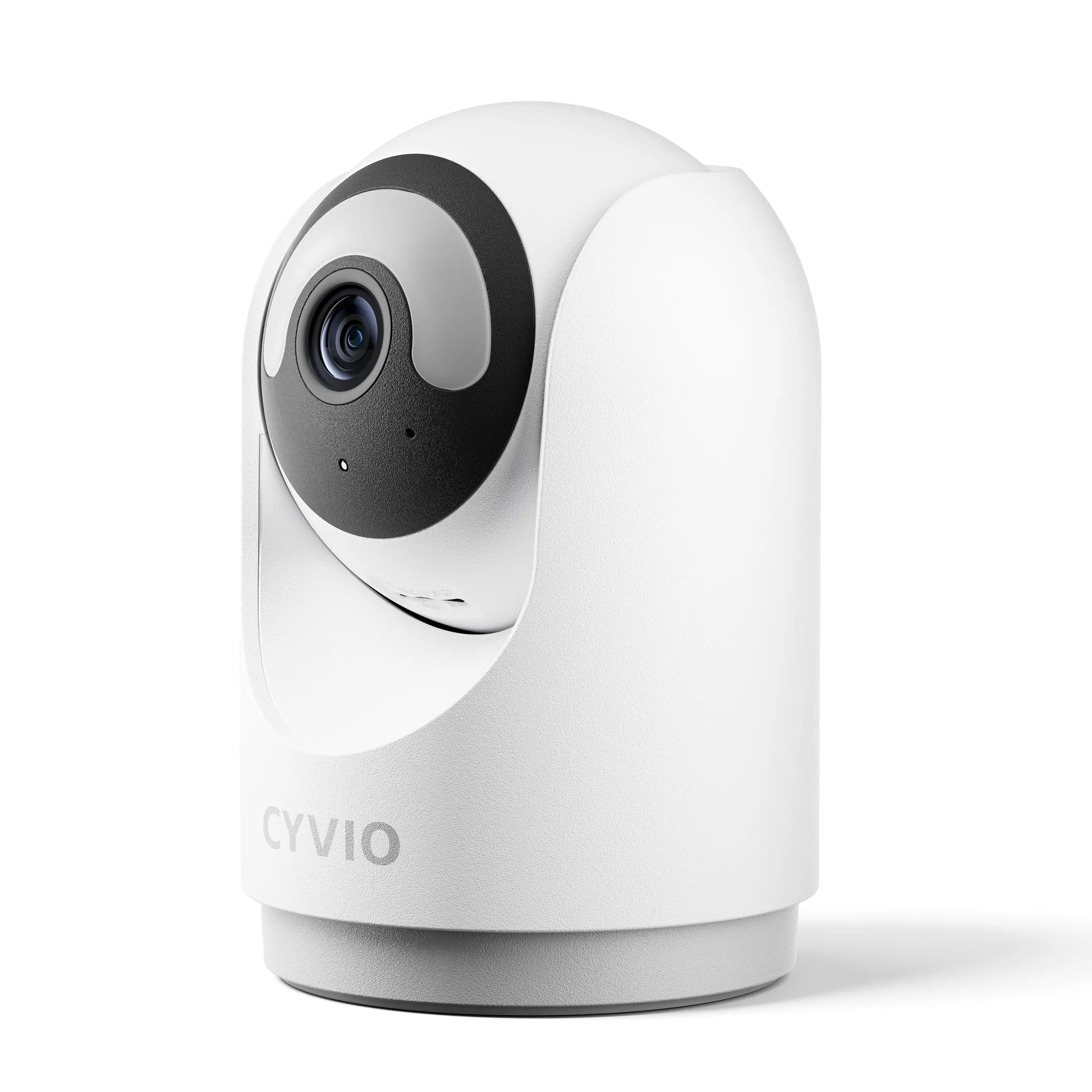
CYVIO C2 5MP Indoor Pan-Tilt Camera delivers sharp detail even when zooming in during motion tracking. Whether it’s a pet moving across the room or a child entering the frame, the 5MP sensor ensures the image remains clear instead of pixelated. Combined with 360° rotation and digital zoom, it becomes a flexible indoor monitoring solution.

CYVIO R112 5MP Wide-Angle Doorbell Camera is designed for entry points where both coverage and clarity matter. Its wide field of view captures visitors head-to-toe, while the 5MP resolution ensures facial details and package labels remain readable.
4K: High-Definition Security for Critical Areas
For outdoor environments and high-security zones, 4K resolution becomes the clear upgrade choice.
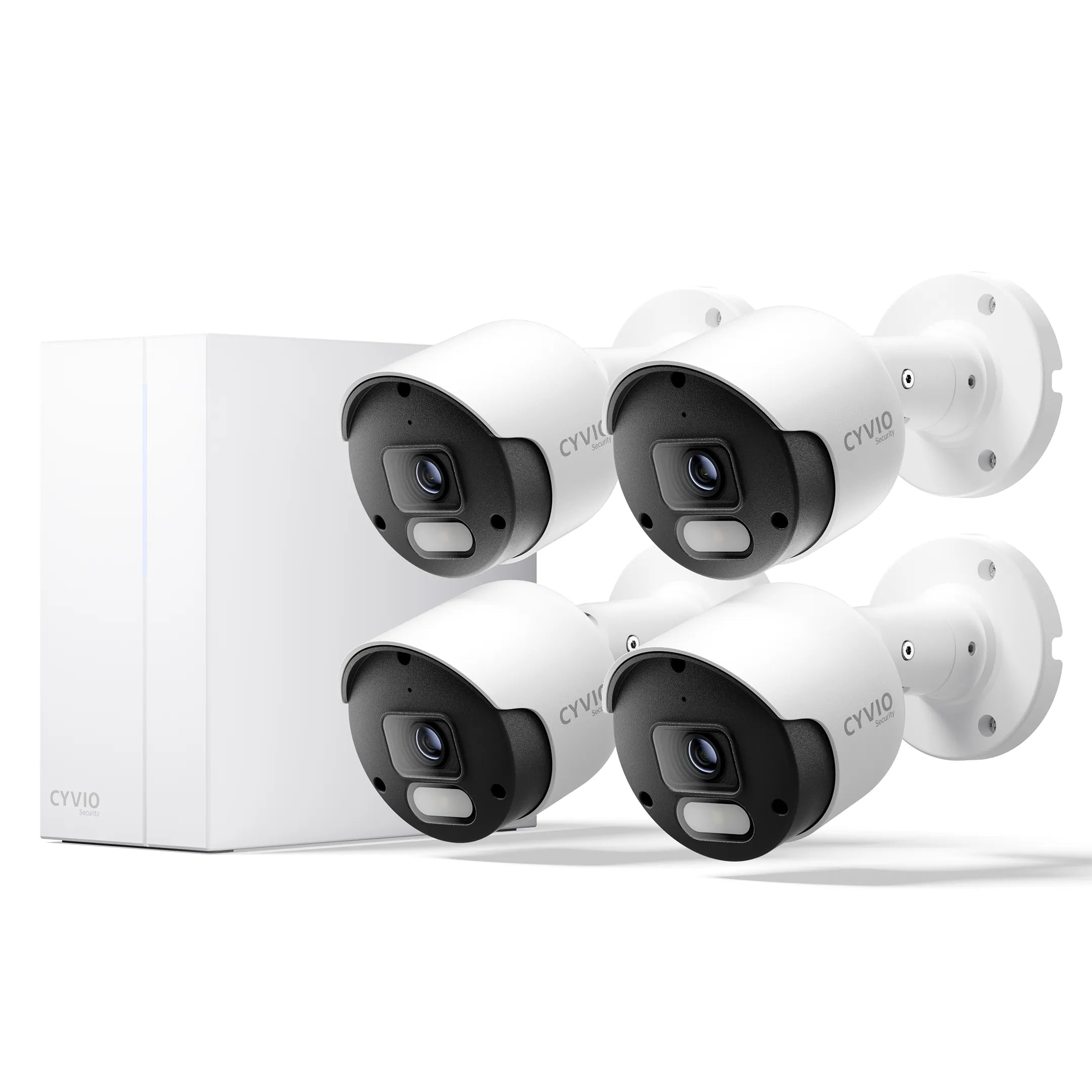
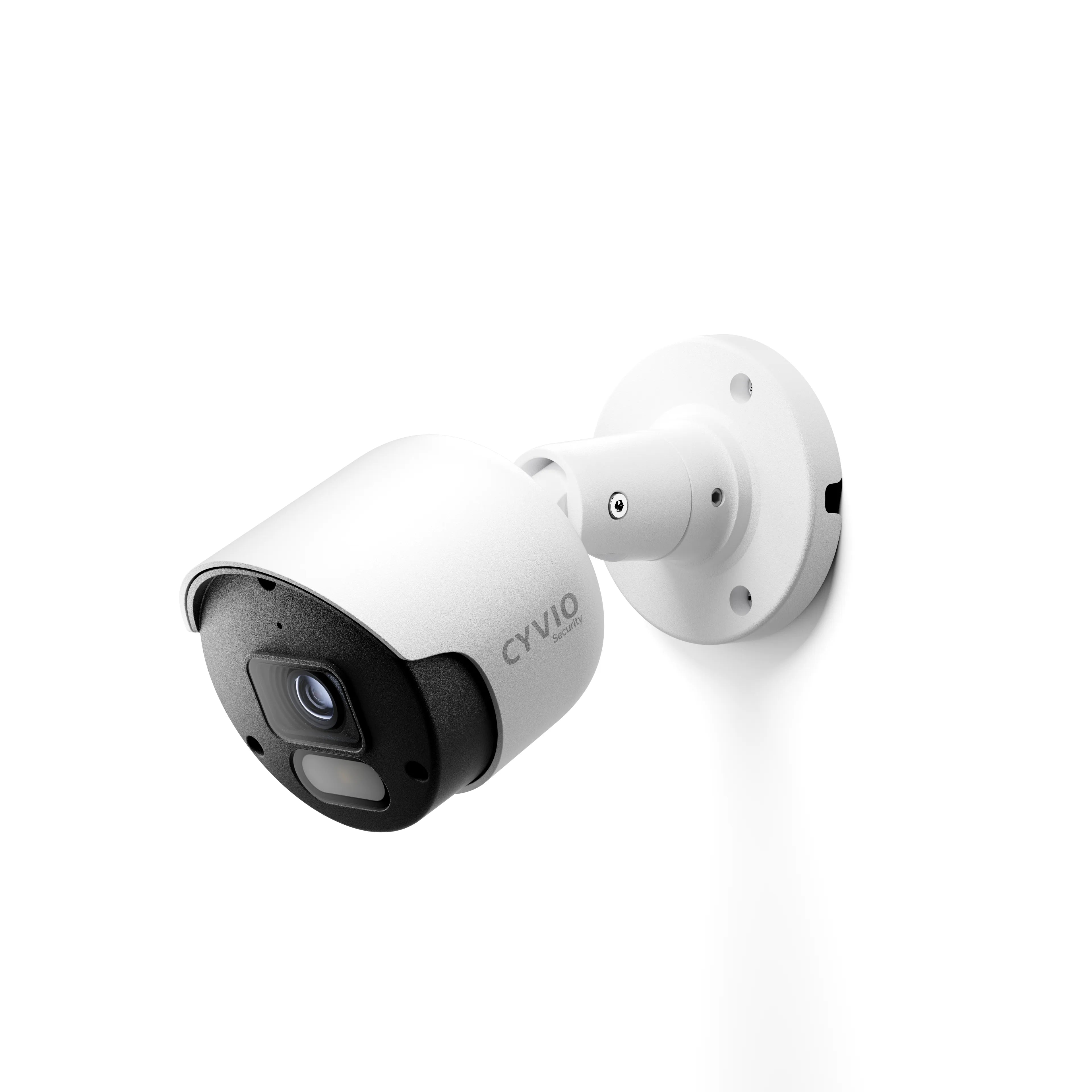
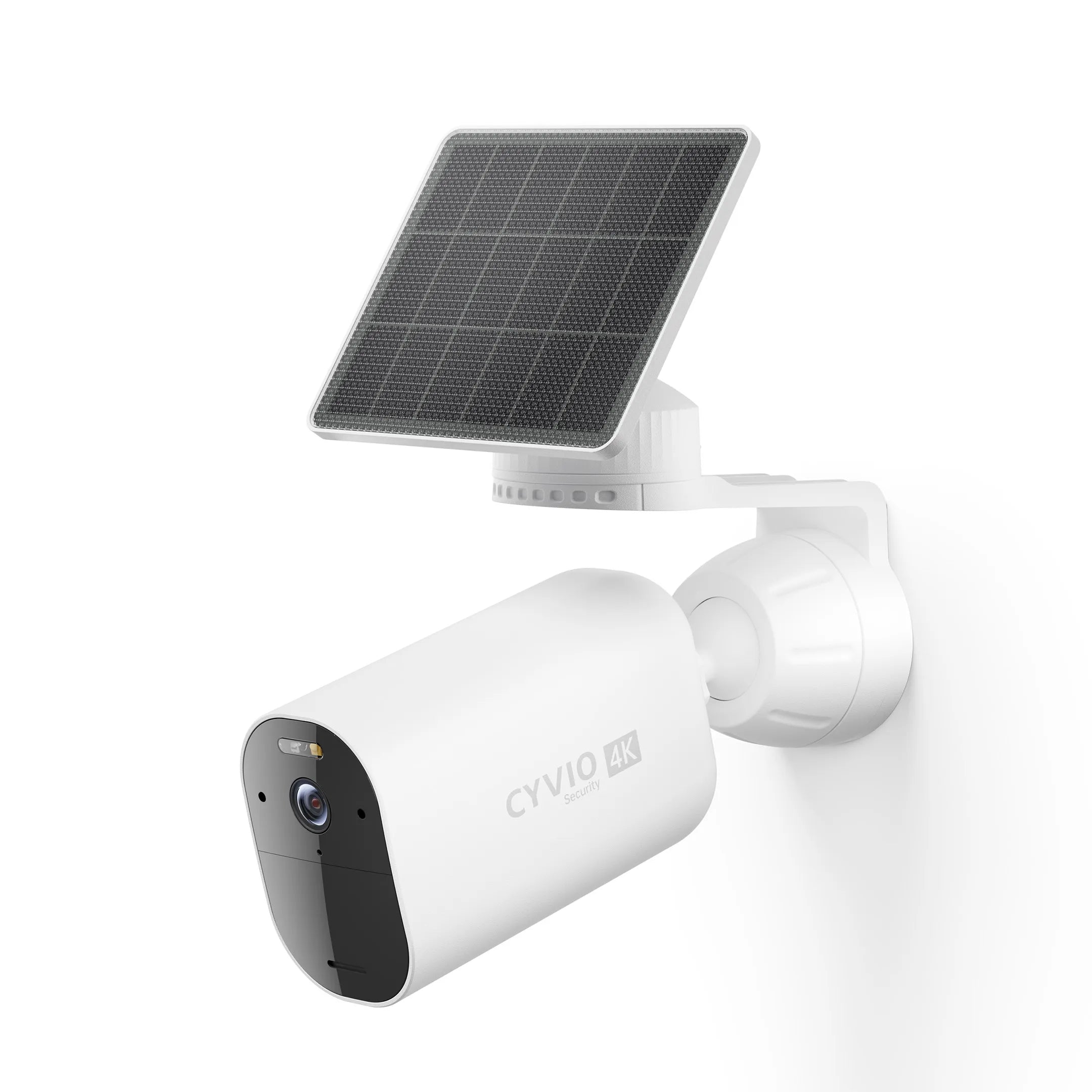
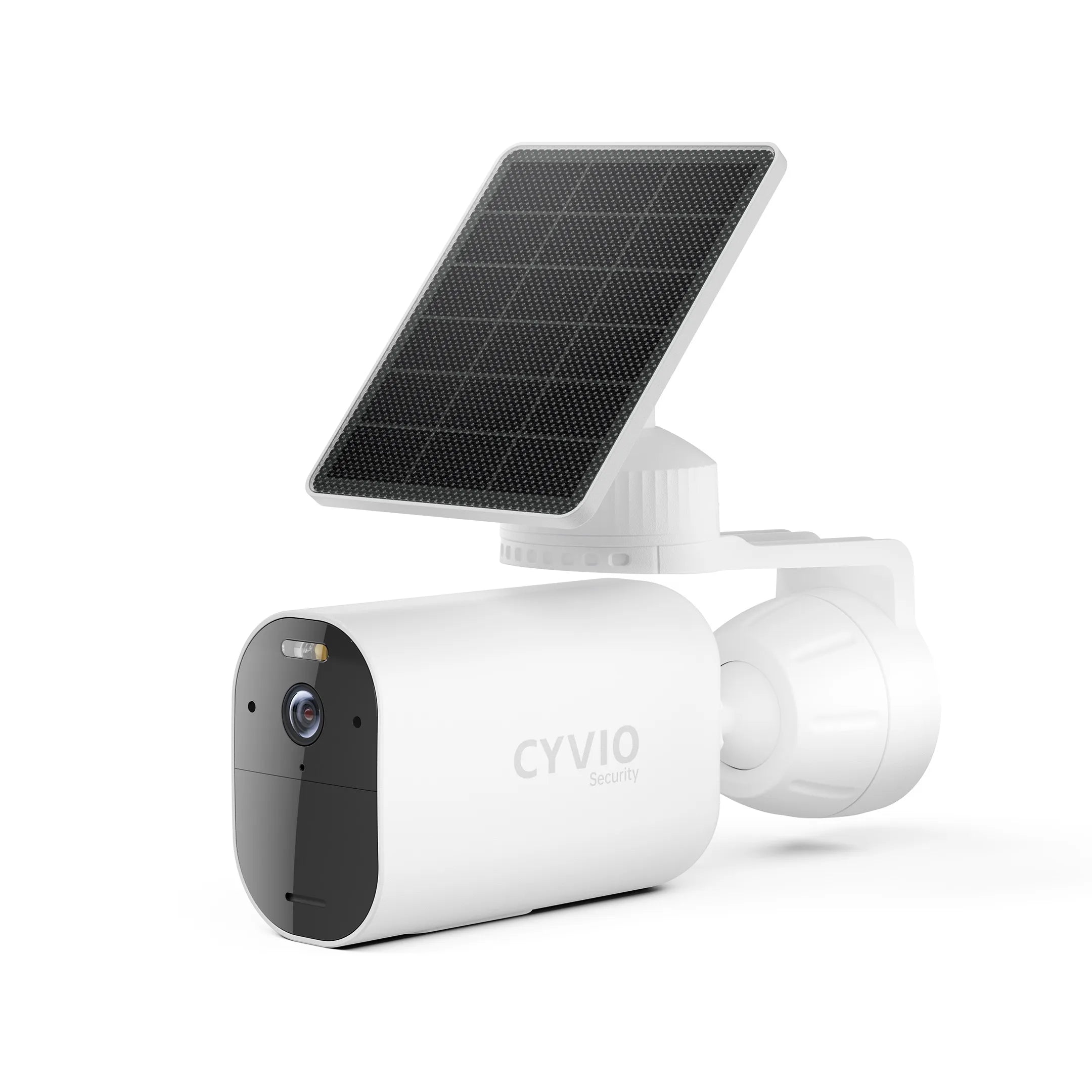
CYVIO N1814 4K HaLow WiFi Solar Cameras System are designed for wireless outdoor surveillance. The 4K sensor ensures rich daytime color and cleaner night footage with reduced noise, even in low-light conditions.

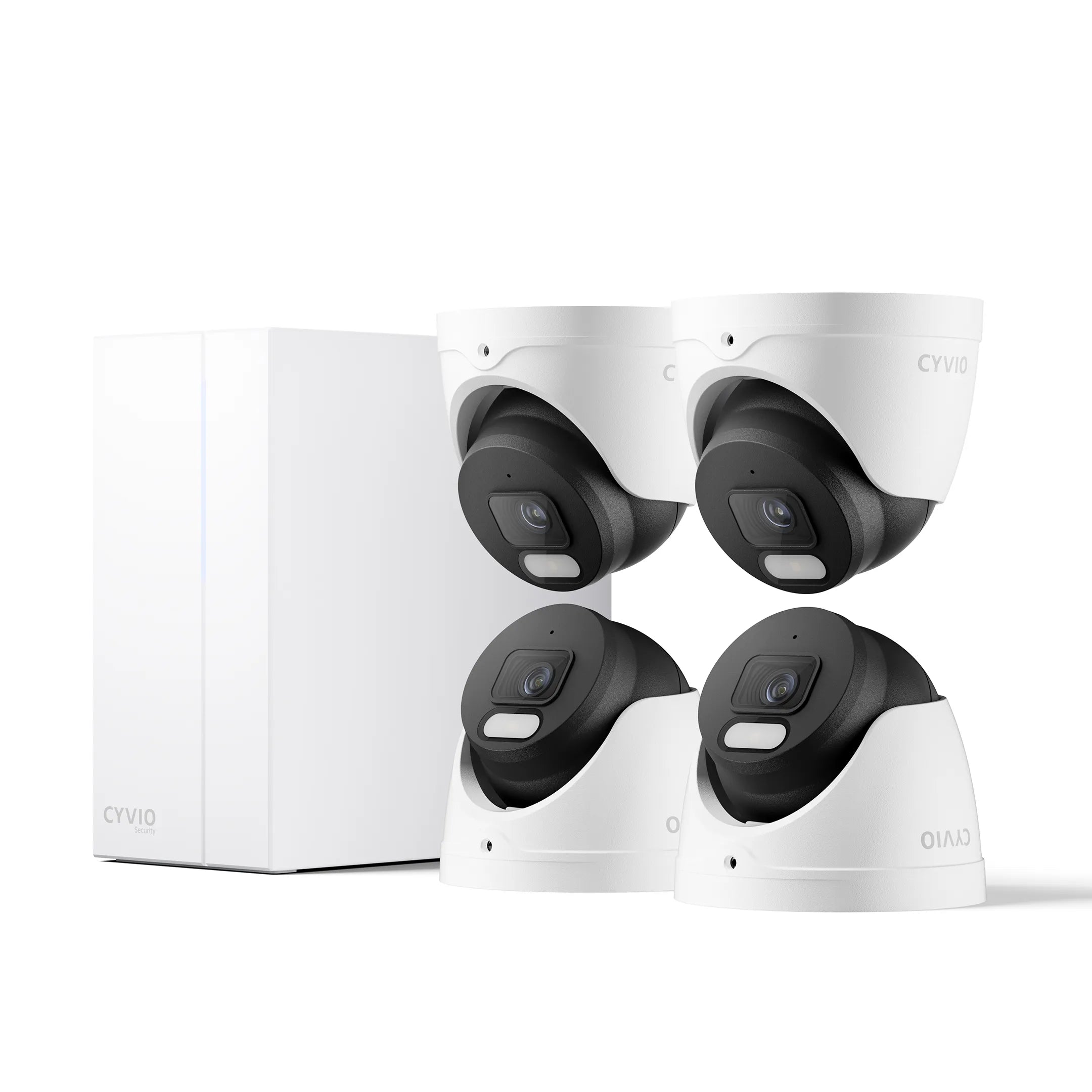
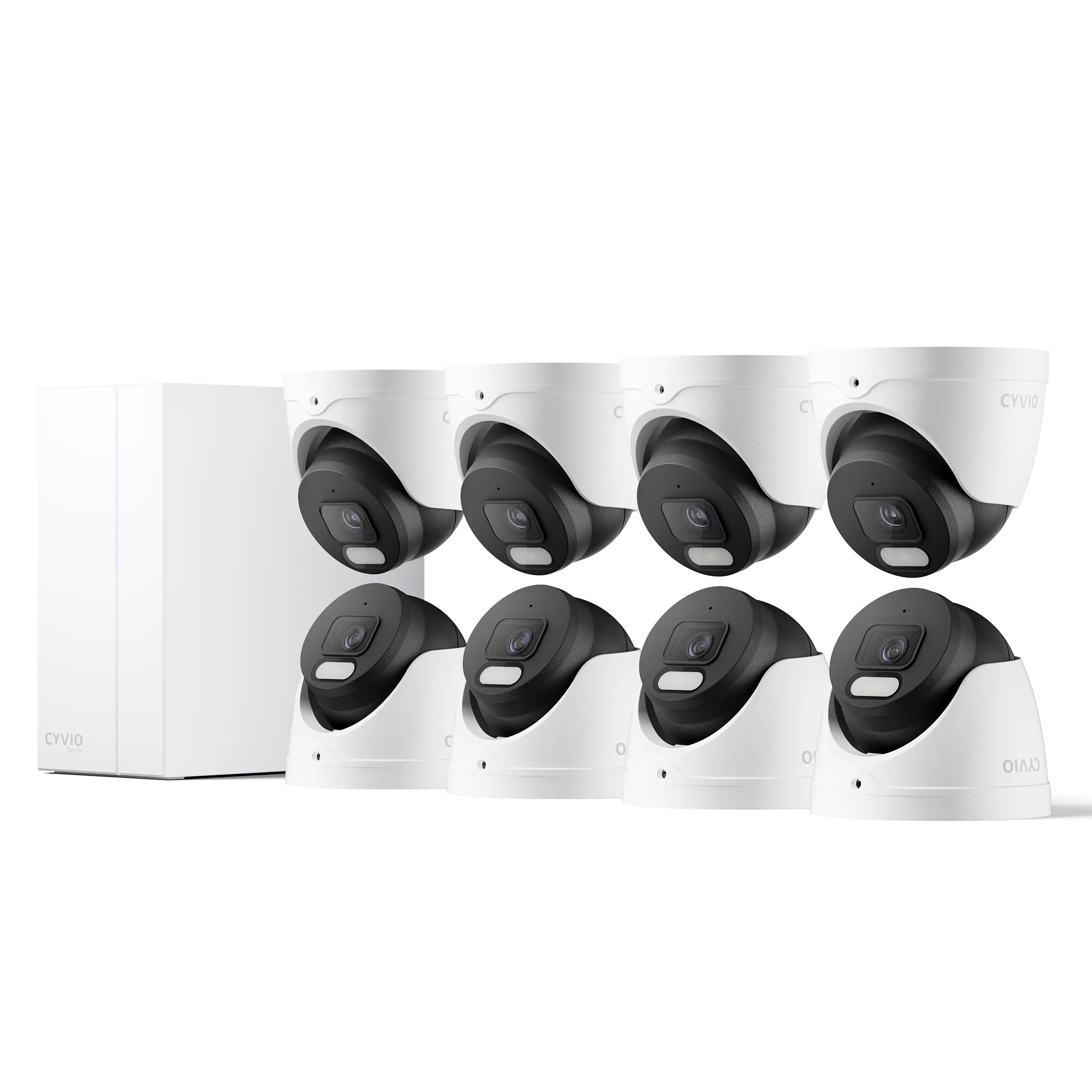
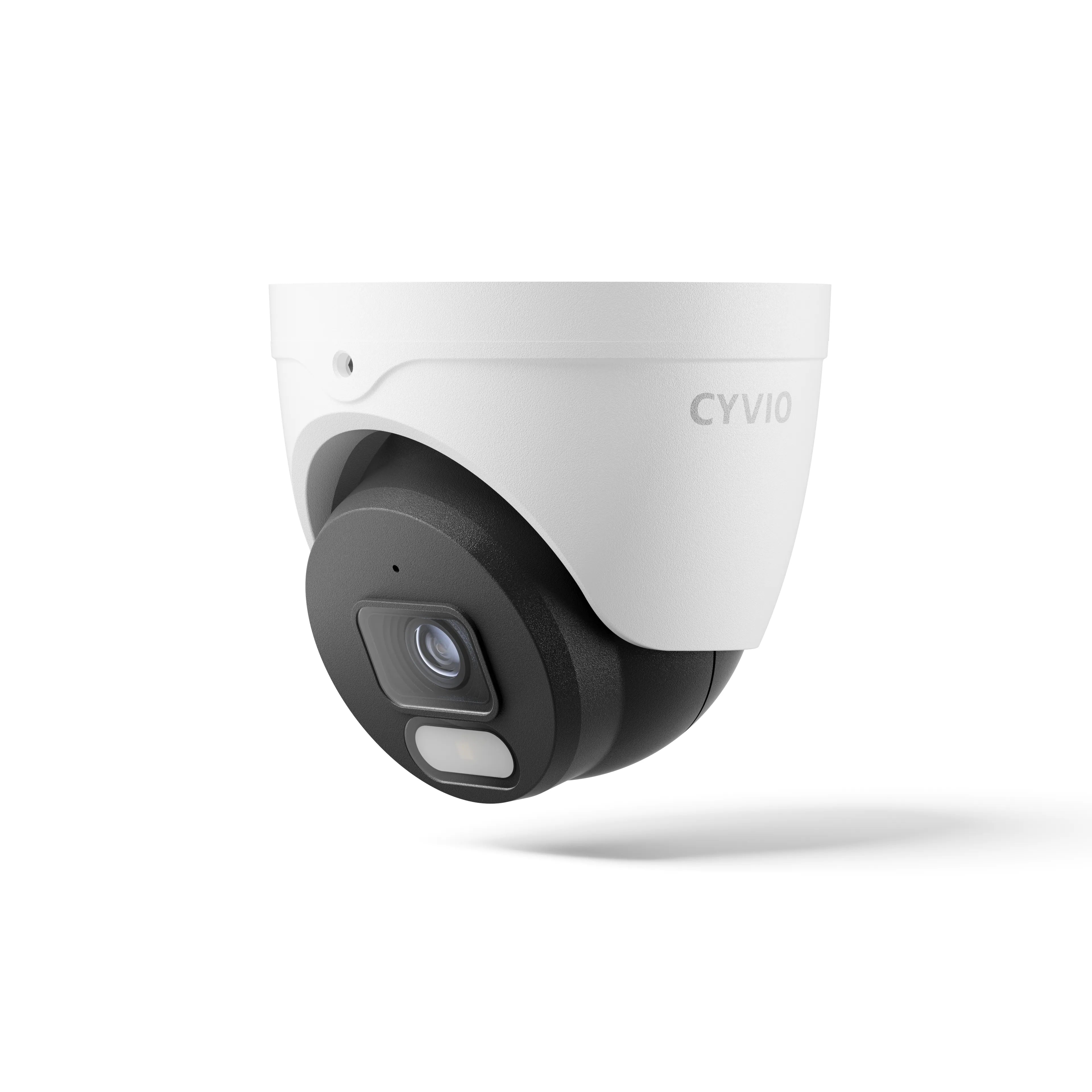
CYVIO N2834 & N2834D 4K PoE Systems are built for 24/7 professional-grade monitoring. With wired stability and ultra-HD clarity, they provide reliable evidence capture for long-term security needs.

Why Resolution Matters More Than Ever
In security, the real value of a camera isn’t measured when everything is normal—it’s measured when something goes wrong. At that moment, resolution determines whether you can clearly identify a person, read a license plate, or understand exactly what happened.
Higher resolution doesn’t just improve image quality—it enhances the effectiveness of smart features like motion detection and AI-based alerts. Clearer images lead to more accurate detection and fewer false alarms.
At the same time, it’s important to consider storage and network requirements. Higher resolution footage takes up more space and requires stronger Wi-Fi or wired connections. That’s why choosing the right resolution—not just the highest—is key to building a reliable and efficient system.
Final Thoughts
Choosing the right security camera resolution is essentially choosing how clearly you want to see your world. From basic monitoring to detailed evidence capture, each level of resolution serves a purpose.
For most homeowners, 5MP and 4K strike the perfect balance between clarity and practicality. They provide enough detail to confidently identify people and objects, without overwhelming your system with excessive data.
In the end, better resolution means better visibility—and in security, visibility is everything.
FAQ
1. Is 4K security camera resolution worth it?
Yes, especially for outdoor areas or situations where detail matters. 4K provides significantly sharper images and allows for effective zoom without losing clarity.
2. Is 1080p good enough for home security?
For basic indoor monitoring, yes. However, it may struggle to capture fine details like faces or license plates at a distance.
3. What is the difference between 5MP and 4K cameras?
5MP cameras offer better clarity than 1080p, while 4K cameras deliver much higher detail and superior zoom capabilities. 4K is better for larger or more critical areas.
4. Do higher resolution cameras use more storage?
Yes. The higher the resolution, the larger the video files. This means you’ll need more storage space and possibly better network bandwidth.
5. Should I choose the highest resolution available?
Not necessarily. The best choice depends on your specific needs, installation environment, and system capacity. For most homes, 5MP or 4K is ideal.
6. Does resolution affect night vision quality?
Yes. Higher resolution cameras often produce cleaner and more detailed night footage, especially when combined with advanced imaging technologies.
7. What resolution is best for identifying faces or license plates?
4K resolution is generally recommended, as it provides enough detail to clearly capture critical identifying information.