






PTZ vs Optical Zoom vs Wide-Angle Security Cameras: Which Is Best for Home Security?

Choosing the best home security camera is no longer just about resolution or price. Modern homeowners are comparing pan-tilt-zoom(PTZ) security cameras, optical zoom surveillance cameras, and wide-angle home security cameras to determine which field of view delivers the strongest protection.
If you have ever wondered why some cameras automatically track motion, some capture crystal-clear details from far away, and others cover an entire entryway in a single frame, the answer lies in three foundational technologies: pan-tilt-zoom (PTZ), optical zoom, and wide-angle lenses.
Each of these camera types serves a different surveillance purpose. Understanding how they function — and where they perform best — is essential when building an effective smart home security system.
This comprehensive guide explains how these technologies work, compares their strengths, and helps you determine which solution fits your property layout and security priorities.
Understanding PTZ Security Cameras in Modern Home Surveillance
A PTZ security camera is designed to move. Unlike traditional fixed cameras that monitor a single direction, PTZ models can rotate horizontally (pan), tilt vertically, and zoom in or out. This flexibility allows a single device to monitor a large area dynamically.
The term PTZ stands for:
- Pan – Horizontal rotation
- Tilt – Vertical movement
- Zoom – Adjustable focal length
This movement capability makes PTZ cameras ideal for large open areas such as backyards, driveways, parking areas, warehouses, and open-concept living rooms.
In a residential setting, installing multiple fixed cameras to eliminate blind spots can be expensive and complicated. A PTZ home security camera reduces this need by actively scanning the environment. Advanced models also include auto-tracking security technology, allowing the camera to follow a moving subject automatically once motion is detected.
For example, if someone enters your driveway, a PTZ outdoor security camera can detect the movement and smoothly follow the individual or vehicle across the monitored area. This continuous tracking provides better event documentation compared to a static frame.
However, PTZ cameras are mechanically more complex than fixed-lens cameras. Because of their motors and internal moving parts, they are typically positioned as higher-end solutions within the home security camera market.


Optical Zoom vs Digital Zoom: Why Image Quality Matters
When evaluating a security camera system, zoom capability plays a critical role — especially for outdoor installations.
Optical Zoom Security Cameras
An optical zoom security camera uses physical lens movement to adjust focal length. This is similar to how professional DSLR cameras operate. When you zoom in using optical technology, the camera preserves the full resolution of the image.


If you are using a 4K security camera with optical zoom, the clarity remains true 4K even at higher magnifications. This is crucial for tasks such as:
- Identifying faces at a distance
- Reading license plates
- Monitoring property boundaries
- Capturing evidence-quality footage
Optical zoom is particularly important for long-range security monitoring. In many suburban and rural properties, driveways, fences, or access roads are located far from the camera’s installation point.
Digital Zoom Surveillance Cameras
Digital zoom operates differently. Instead of adjusting the lens, the camera enlarges a selected portion of the image using software algorithms. This method crops the frame and stretches pixels to simulate magnification.


While digital zoom can be useful for quick inspections, image quality decreases as zoom increases. For general home monitoring, digital zoom may be adequate.
Wide-Angle Security Cameras: Expanding Your Field of View
A wide-angle home security camera is engineered to capture more of a scene within a single frame. Instead of focusing on distant detail, wide-angle lenses maximize spatial coverage.
Typical viewing angles range from 120 degrees to 160 degrees, significantly wider than standard fixed-lens cameras.
Wide-angle surveillance cameras are ideal for:
- Front doors
- Narrow hallways
- Garages
- Small retail spaces
- Apartment entrances
By expanding the field of view, these cameras reduce blind spots and minimize the need for multiple installations in compact areas.
One common concern with wide-angle lenses is distortion at the edges of the frame. Advanced security camera systems now integrate distortion correction algorithms to ensure images remain natural and undistorted.
If your primary concern is full-scene visibility rather than long-range identification, a wide-angle security camera offers an efficient and cost-effective solution.
Comparing PTZ, Optical Zoom, and Wide-Angle Cameras for Home Security
Each technology solves a different surveillance challenge.
A PTZ camera excels in dynamic environments where movement across a wide area must be monitored. Optical zoom is best for long-distance clarity and detail capture. Wide-angle cameras are optimized for maximizing coverage within smaller spaces.
|
Technology |
Core Strength |
Main Limitation |
Best Use Scenario |
|
PTZ Camera |
Active tracking & large coverage |
More complex structure |
Living rooms, yards, warehouses |
|
Optical Zoom |
Clear distant details |
Narrower base field of view |
License plate & face recognition |
|
Digital Zoom |
Budget-friendly magnification |
Reduced clarity when zoomed |
Temporary detail checks |
|
Wide-Angle |
Broad single-frame coverage |
Smaller distant details |
Entrances, corridors, compact areas |
In many modern smart home security systems, these technologies are combined to deliver comprehensive protection. Rather than choosing one exclusively, homeowners often deploy different camera types in different zones of their property.
For example:
- A wide-angle camera at the front door
- A PTZ camera covering the backyard
- An optical zoom camera monitoring the driveway
This layered approach enhances overall security while ensuring each area is monitored appropriately.
Advanced Smart Features in Modern Security Cameras
Beyond field of view and zoom capability, today’s security cameras integrate artificial intelligence to enhance performance.
AI-powered home security cameras can now distinguish between humans, vehicles, and pets. Instead of triggering alerts for every minor movement, intelligent systems reduce false notifications and improve response efficiency.
Outdoor PTZ cameras with AI detection are especially valuable because they combine movement flexibility with subject recognition. This allows homeowners to receive targeted alerts when specific events occur.
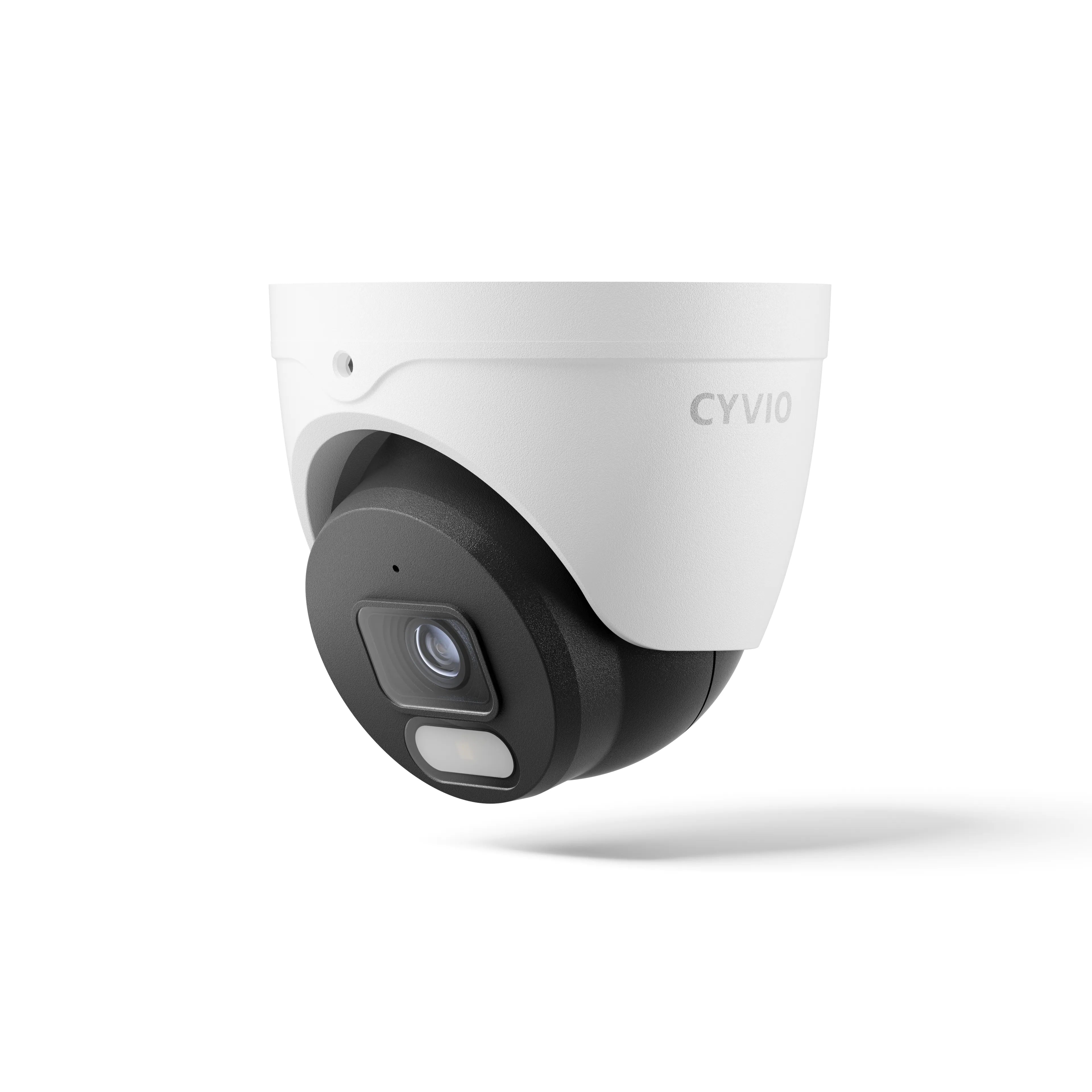
For instance, the CYVIO P112 integrates 360-degree PTZ coverage with 4× optical zoom and intelligent human and vehicle recognition. This combination allows large-area monitoring while preserving the ability to zoom in on distant details without sacrificing 4K clarity.
In real-world applications, this means homeowners can monitor long driveways, fences, or parking areas while still capturing readable license plates and identifiable facial features.
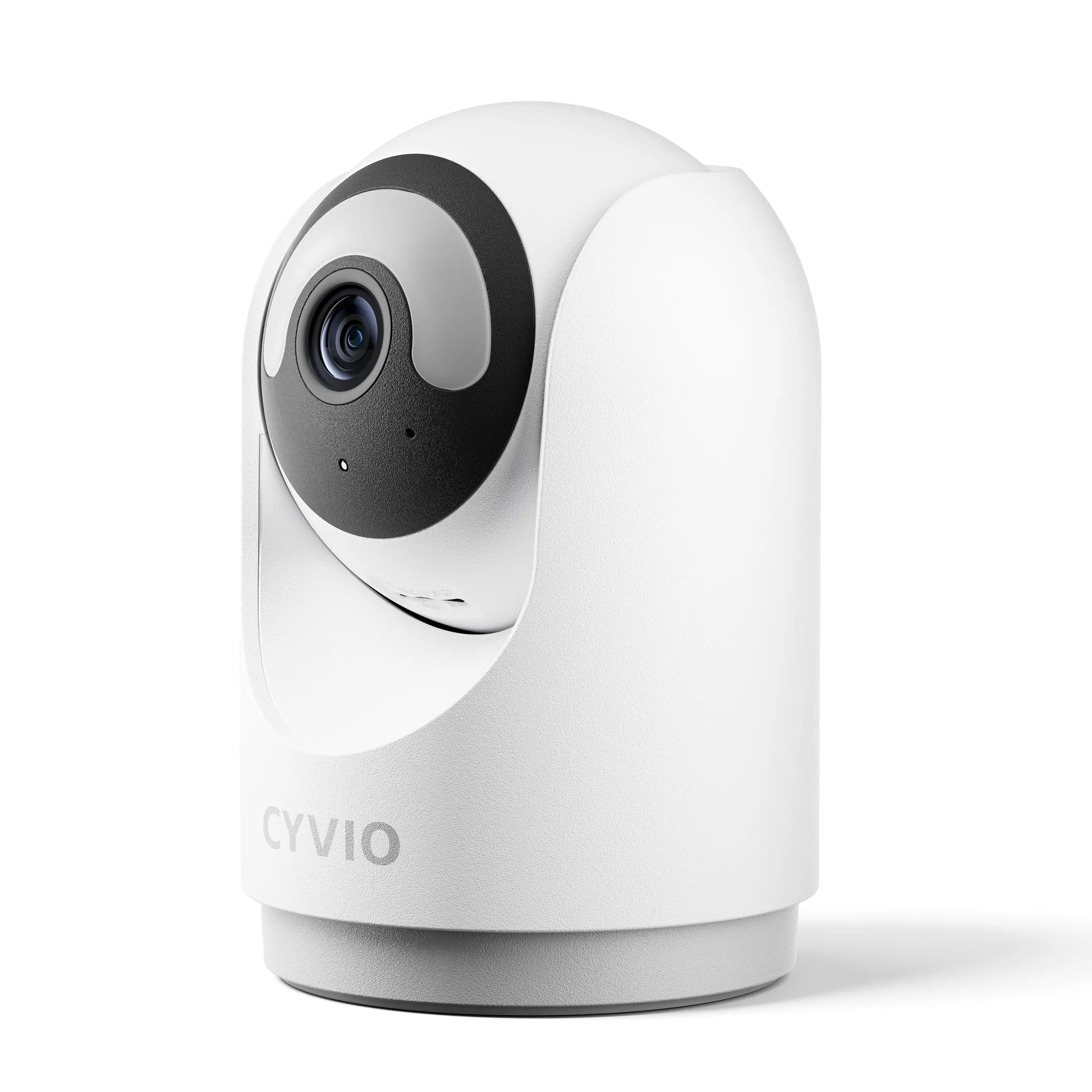
For indoor monitoring, the CYVIO C2 WiFi indoor PTZ camera demonstrates how PTZ technology enhances home surveillance inside living spaces. Its horizontal rotation and vertical tilt allow complete room coverage using a single device. AI human tracking keeps moving subjects centered in the frame, while digital zoom provides temporary magnification when needed.

By combining mobility, intelligent detection, and high-resolution recording, these systems reflect how modern security camera technology has evolved beyond basic motion recording.
However, comprehensive home security does not stop inside the house. The front door remains the most critical access point, and protecting it requires a different visual strategy. Instead of rotational flexibility, entrance monitoring depends heavily on ultra-wide coverage and accurate human detection.
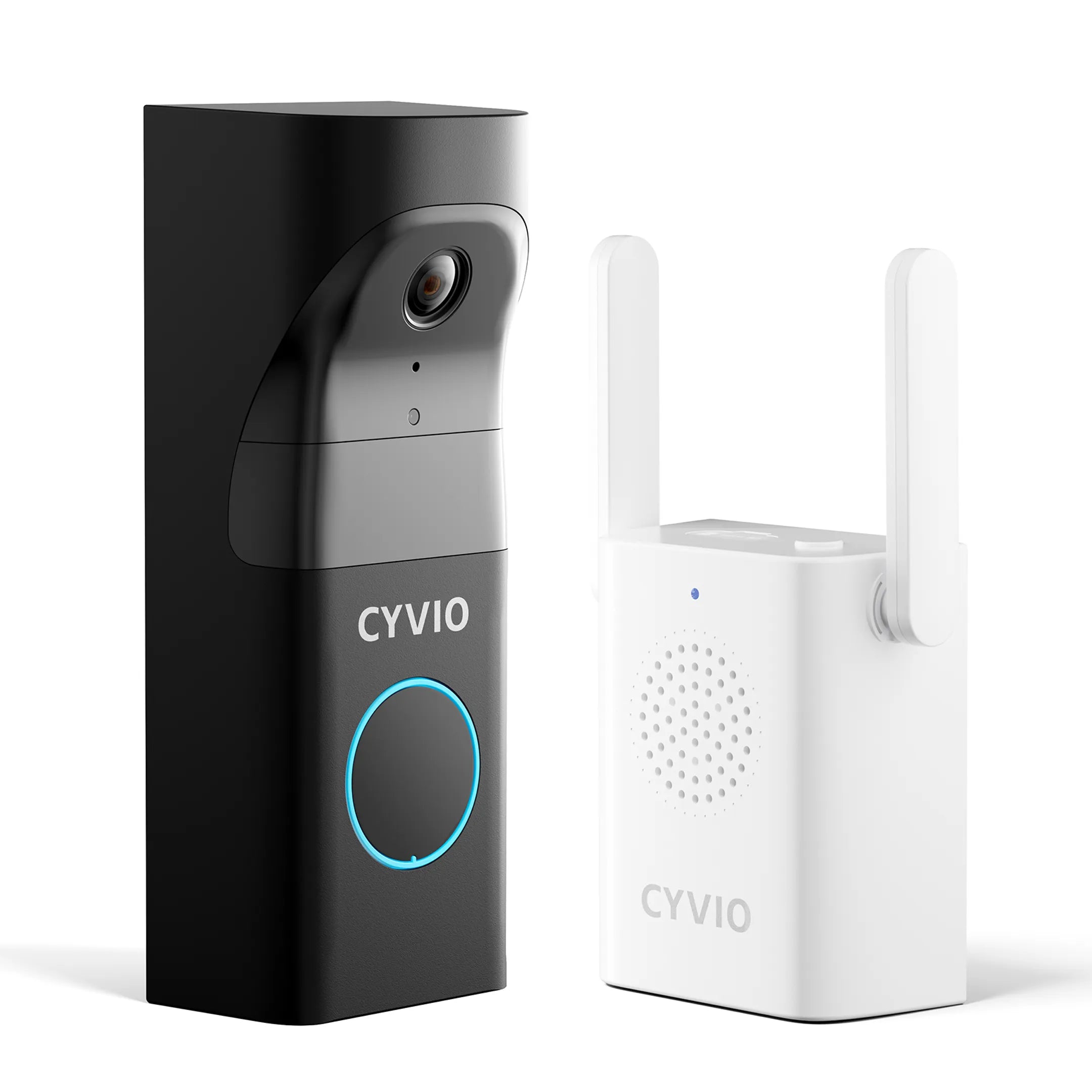
This is where the CYVIO R112 video doorbell camera plays a vital role within a complete home security camera system. Designed specifically for front-door surveillance, the R112 features a 165° ultra-wide field of view that captures a full head-to-toe image of visitors in a single frame. It also clearly records packages placed on the ground, eliminating the blind spots common in traditional doorbell cameras.
To further improve accuracy, the R112 integrates AI human detection with PIR thermal sensing technology. This dual-detection system significantly reduces false alerts triggered by shadows, passing cars, or environmental movement, ensuring that notifications are sent primarily when a real person approaches your door.
With long-lasting battery performance that can operate for months under normal use, the R112 delivers reliable, low-maintenance front-door protection. When paired with indoor PTZ monitoring like the C2 and outdoor optical zoom solutions, it completes a layered smart home security system that protects every critical zone — from interior living spaces to the doorstep.
How to Choose the Best Home Security Camera for Your Needs
Selecting the right home security camera begins with evaluating your property layout and security priorities.
If you need to monitor a large open space, a PTZ camera offers flexibility and active tracking. If you require detailed identification from a distance, optical zoom is essential. If eliminating blind spots in compact areas is your goal, wide-angle coverage should be prioritized.
Homeowners seeking maximum versatility should consider security cameras that integrate PTZ movement, optical zoom clarity, and intelligent detection features.
When designing a complete home security camera system, balance is key. Different areas of your property have different monitoring requirements. By matching camera type to environment, you can build a smarter and more efficient surveillance solution.
The Future of Smart Home Security Cameras
As technology continues to advance, the lines between PTZ, optical zoom, and wide-angle cameras are becoming increasingly blurred. Manufacturers are integrating multiple capabilities into unified platforms that deliver flexibility, clarity, and intelligent automation.
The modern smart home security camera is no longer just a recording device. It is a dynamic monitoring system capable of tracking motion, identifying subjects, and delivering real-time alerts with high-resolution evidence.
Forward-thinking brands such as CYVIO are embracing this trend by combining PTZ mobility, digital zoom and upcoming optical zoom precision, and ultra-wide coverage across their product ecosystem, helping homeowners build layered and intelligent protection for every area of the property.
Understanding the differences between PTZ vs optical zoom vs wide-angle security cameras empowers homeowners to invest wisely and build a security strategy tailored to their property.
When you choose the right field of view, you are not simply installing a camera — you are designing a comprehensive protection system.
FAQ
1.What is the main difference between PTZ and wide-angle security cameras?
PTZ cameras move to monitor different areas and can track motion, while wide-angle cameras remain fixed but capture a broader scene in one frame.
2.Is optical zoom better than digital zoom for home security?
Yes. Optical zoom maintains full resolution and is better for identifying distant details such as faces and license plates.
3.Are PTZ cameras suitable for indoor use?
Yes. Indoor PTZ cameras can monitor entire rooms and track movement, reducing blind spots.
4.Do wide-angle cameras distort images?
Some distortion can occur at extreme angles, but modern cameras use correction algorithms to maintain natural image quality.
5.Can one camera combine PTZ and optical zoom?
Yes. Advanced models integrate both features, providing flexible coverage and high-detail monitoring in one system.