









WDR vs HDR Explained: Why Wide Dynamic Range Matters for Security Cameras

When you walk from a dark room into bright sunlight, your eyes naturally adjust within seconds, allowing you to see details in both shadows and highlights. A security camera, however, doesn't have the same visual flexibility—unless it's equipped with WDR (Wide Dynamic Range) or HDR (High Dynamic Range) technology.
Imagine a delivery driver standing at your front door on a sunny afternoon. Behind them is a bright blue sky, while your porch is shaded. A standard security camera often captures nothing more than a dark silhouette with an overexposed background, making it nearly impossible to recognize the person's face. A WDR or HDR security camera, on the other hand, balances both the bright and dark areas, preserving facial details while still showing the surrounding environment clearly.
This ability has become one of the most important features in modern home security systems. Whether you're monitoring your front door, garage, backyard, or living room, WDR helps ensure that critical details remain visible regardless of difficult lighting conditions.
What Is Dynamic Range?
Before understanding WDR and HDR, it's important to know what dynamic range means.
Dynamic range refers to the camera's ability to capture details in both the brightest and darkest parts of the same image.
Real-world lighting often has extreme contrast. A sunny window may be hundreds of times brighter than a shaded room. Human vision naturally adapts to these differences, but image sensors have physical limitations.
Without sufficient dynamic range, a camera must make a compromise:
- Expose for the bright area, causing shadows to become nearly black.
- Expose for the dark area, causing bright regions to become completely washed out.
Neither result provides reliable evidence when you actually need it.
How WDR Works in Security Cameras
WDR technology solves this problem by intelligently combining multiple exposures into one balanced image.
Instead of taking a single picture, the camera rapidly captures the same scene using different exposure settings. One exposure preserves bright areas such as windows or the sky, while another reveals details hidden in darker areas like porches, hallways, or faces.

The camera's image processor then merges the best portions of each exposure into a single frame, producing an image that maintains detail throughout the scene.
The result is a picture where:
- Faces remain visible instead of becoming silhouettes.
- Windows retain outdoor details instead of turning completely white.
- Dark indoor areas remain recognizable.
- License plates and clothing are easier to identify.
For security applications, these improvements can make the difference between useful evidence and unusable footage.
WDR vs HDR: What's the Difference?
The terms WDR and HDR are frequently used interchangeably in the security camera industry because both aim to solve the same challenge—capturing clear images in scenes with extreme lighting contrast.
However, there are some technical differences.
Traditional WDR typically captures two or more images with different exposure levels and combines them into one optimized frame. This approach has become highly reliable and is widely used in surveillance cameras because it effectively improves visibility without requiring excessive processing power.
HDR, meanwhile, often goes a step further. Some HDR implementations use advanced image sensors capable of recording a wider brightness range directly, while others combine multiple exposures with sophisticated image processing algorithms. HDR generally focuses not only on preserving detail but also on producing smoother transitions between shadows and highlights with more natural-looking colors.
In practical terms:
- WDR prioritizes clear, usable surveillance images.
- HDR often emphasizes both realism and image quality.
As imaging technology continues to evolve, the distinction between WDR and HDR has become less significant for consumers. Many manufacturers now use advanced processing techniques that combine elements of both approaches.
The most important consideration isn't the marketing term—it is whether the camera can clearly capture faces, vehicles, and important details under difficult lighting conditions.
Why WDR Matters for Home Security
Security cameras aren't installed simply to record video—they're meant to provide usable evidence when something happens.
Unfortunately, some of the most important monitoring locations also happen to be the most challenging lighting environments.
Front doors receive direct sunlight throughout the day. Garage entrances transition between darkness and bright outdoor light. Living rooms often contain large windows. Backyards experience changing weather, sunrise, sunset, and artificial lighting after dark.
Without WDR, these everyday situations frequently produce footage that's difficult—or impossible—to identify people or objects.
A camera equipped with WDR significantly improves image usability by preserving details across the entire frame.
Common Situations Where WDR Makes a Big Difference
Front Door Monitoring
The front entrance is perhaps the most common example of backlighting.
Visitors usually stand outside while the camera looks toward bright daylight. Without WDR, their faces may appear completely dark.
With WDR enabled, the camera balances the exposure, allowing both the visitor's face and the background to remain visible.
For smart video doorbells, this capability is particularly valuable because facial identification is often more important than simply detecting motion.
Monitoring Rooms with Large Windows
Indoor cameras frequently face windows where sunlight creates dramatic brightness differences.
A traditional camera may correctly expose the room while completely overexposing the outdoor scenery—or preserve the outdoor view while leaving the interior nearly black.
WDR minimizes this imbalance, allowing homeowners to monitor family members, pets, or indoor activity regardless of where the camera is pointing.
Garages and Semi-Open Spaces
Garages, covered patios, workshops, and carports constantly transition between bright and shaded environments.
Vehicles entering or leaving these areas create rapid lighting changes that challenge standard cameras.
WDR helps maintain image consistency, making it easier to identify drivers, license plates, and vehicle details throughout the transition.
Outdoor Surveillance Throughout the Day
Outdoor cameras experience the widest range of lighting conditions.
Morning sunlight, harsh midday brightness, sunset backlighting, cloudy weather, headlights, porch lights, and street lamps all create different exposure challenges.
A camera with effective WDR automatically adapts to these conditions, producing more reliable surveillance footage throughout the day and night.
How CYVIO Uses WDR Across Its Security Camera Lineup
At CYVIO, WDR is treated as an essential surveillance feature rather than a premium upgrade. Many cameras across the product lineup incorporate wide dynamic range technology to help homeowners capture clearer images in real-world environments.
The CYVIO C2 Indoor Pan & Tilt Camera uses WDR to maintain balanced exposure while tracking activity inside homes, even when the camera rotates between bright windows and darker corners.

The CYVIO R112 Video Doorbell is designed specifically for front-door surveillance, where strong backlighting frequently occurs. WDR helps preserve facial details while maintaining visibility of the surrounding entrance.

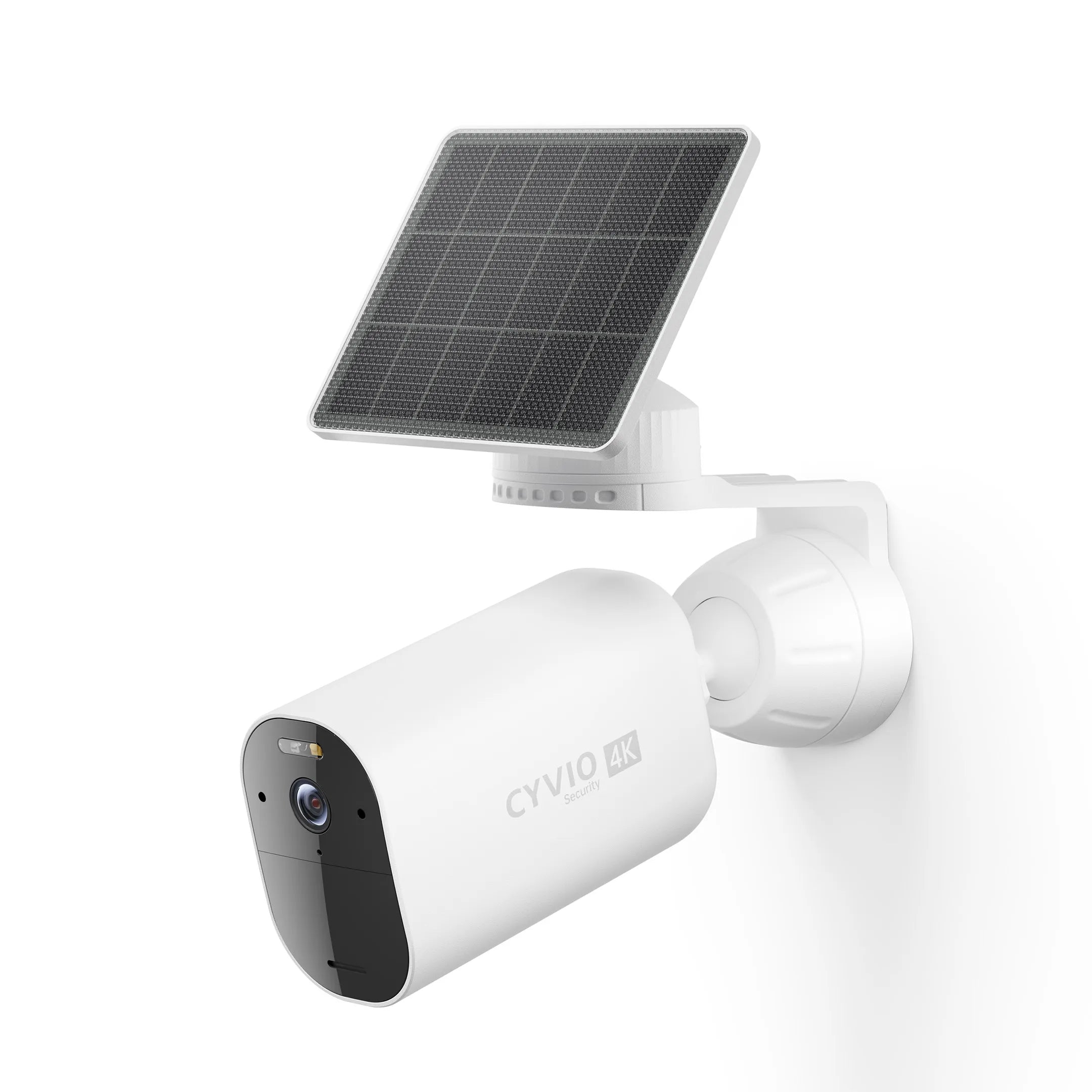
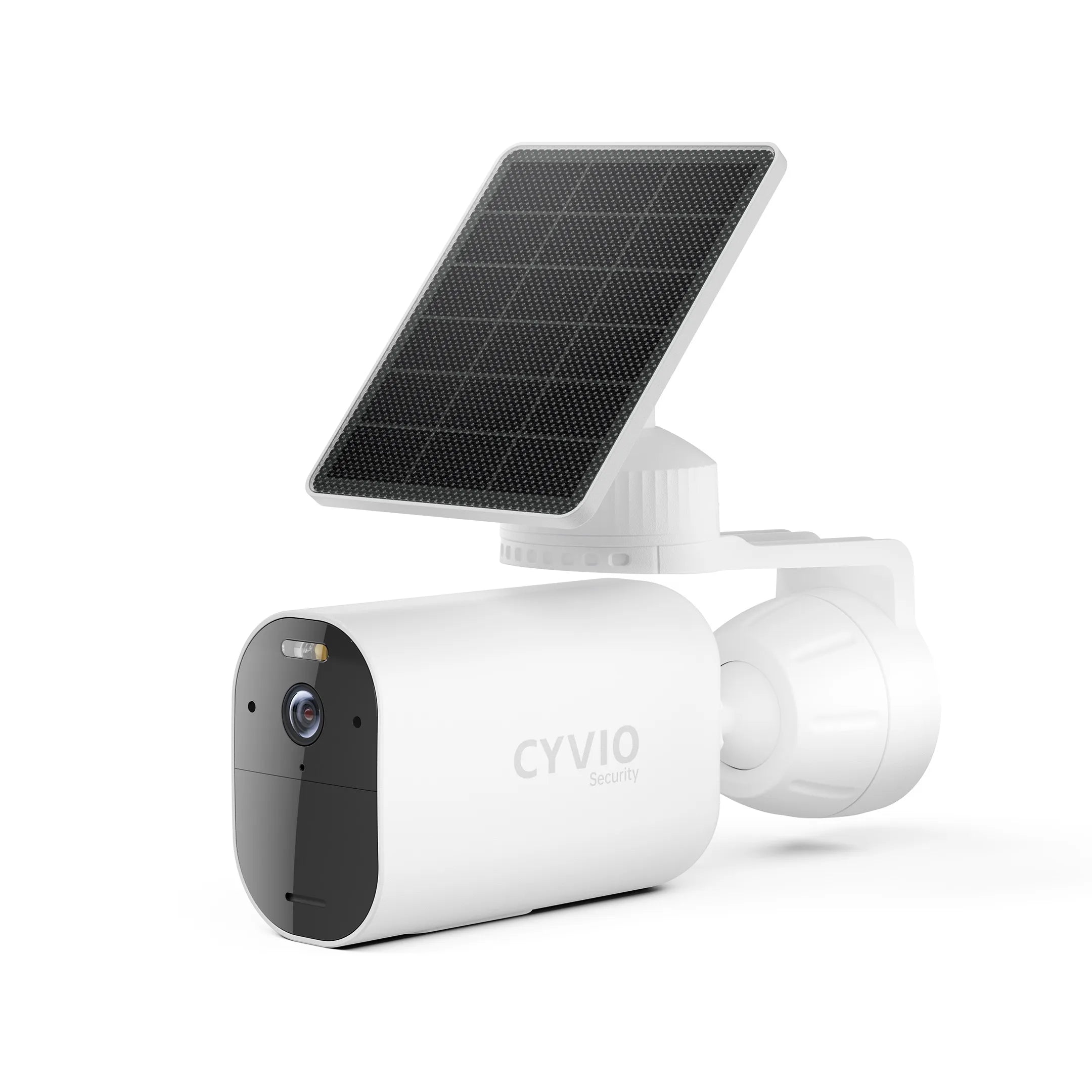
Outdoor solutions such as the CYVIO B221 Solar Security Camera continuously adapt to changing sunlight throughout the day. Because solar-powered cameras operate in constantly changing outdoor environments, efficient WDR processing helps improve image quality without placing unnecessary demands on battery life.
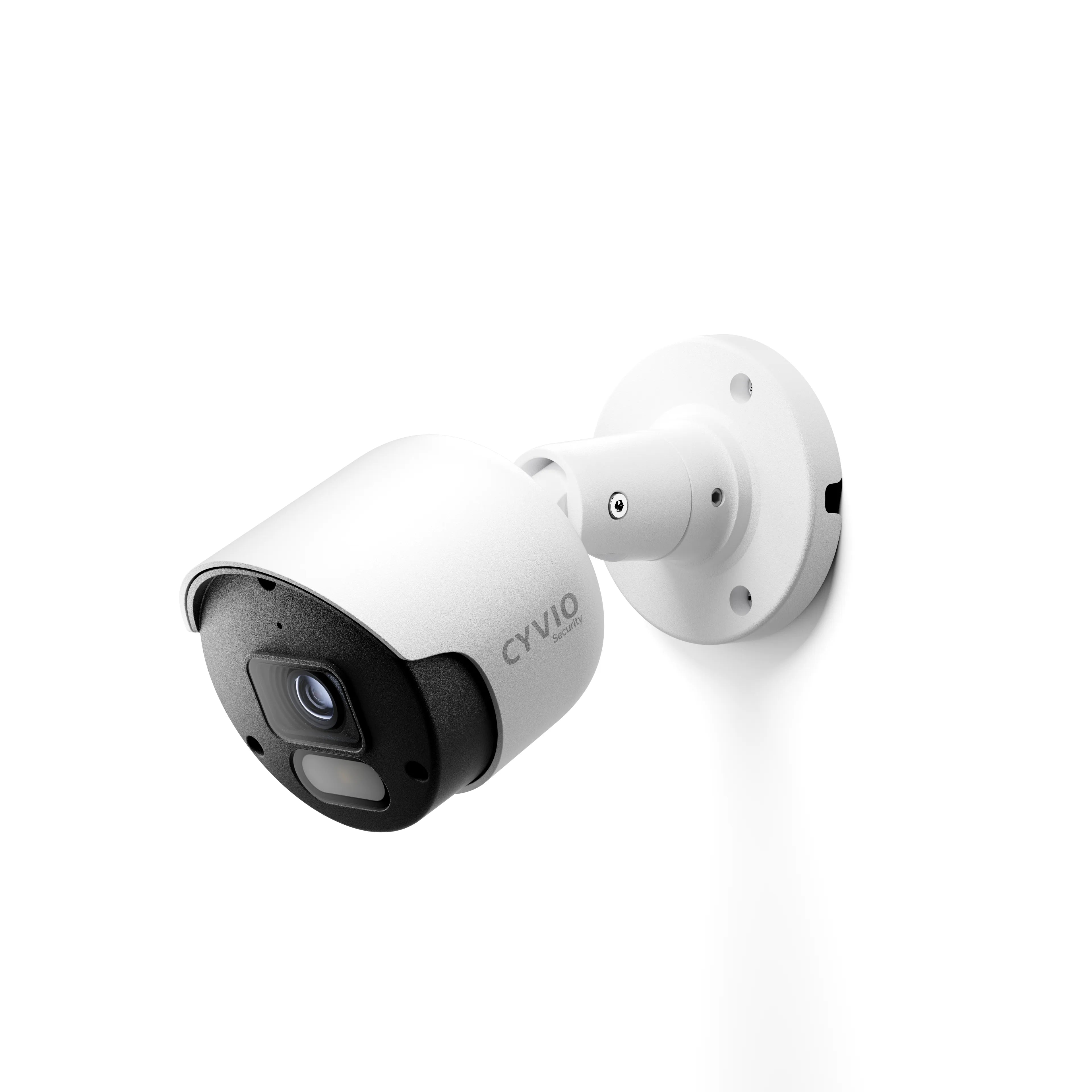
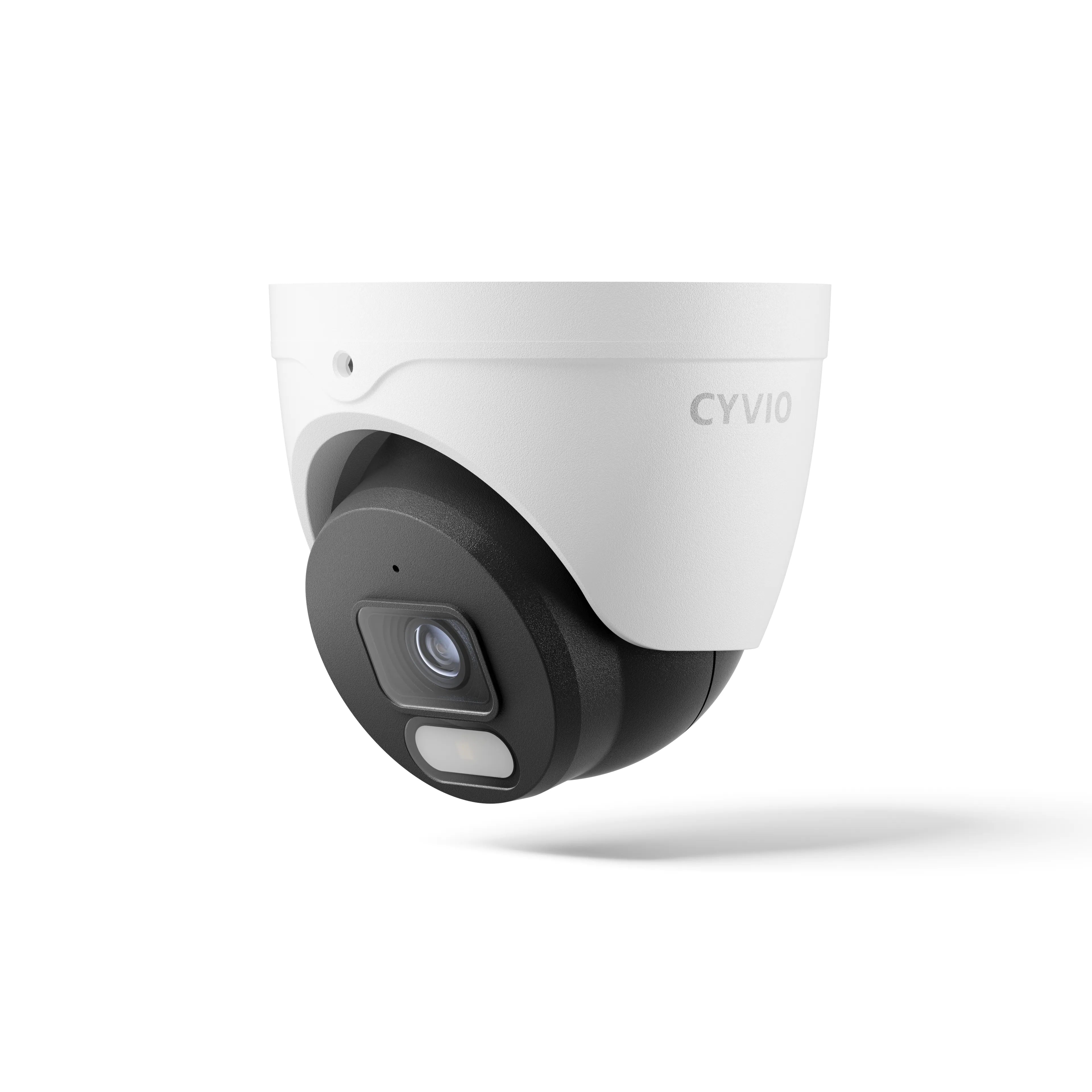
For larger surveillance installations, the CYVIO N2834D PoE Camera Systems combine WDR with high-resolution imaging and large-aperture lenses to improve performance under difficult lighting conditions. Whether monitoring driveways, warehouses, parking areas, or commercial entrances, the system helps maintain image clarity even when headlights, floodlights, or direct sunlight create strong contrast.

Similarly, the CYVIO P112 Outdoor PTZ Camera combines 4K resolution, intelligent tracking, and WDR technology to capture more recognizable people and vehicles during patrols in both daytime and nighttime environments.

WDR Is Especially Important for Full-Color Night Vision
Many modern security cameras now offer full-color night vision, but color performance alone isn't enough.
Nighttime scenes often contain bright light sources such as vehicle headlights, porch lights, street lamps, or security floodlights. These intense highlights can easily overwhelm a camera that lacks sufficient dynamic range.
WDR helps balance these bright light sources while preserving surrounding details, allowing full-color night vision to perform more effectively.
Instead of producing blown-out highlights and dark shadows, the camera delivers a more evenly exposed image where both illuminated and shaded areas remain visible.
Should You Choose a Security Camera with WDR?
If your camera monitors any location with changing or uneven lighting, the answer is almost certainly yes.
WDR is particularly valuable for:
- Front doors
- Video doorbells
- Garages
- Driveways
- Living rooms with windows
- Store entrances
- Offices
- Warehouses
- Outdoor surveillance
- Parking areas
In many of these environments, lighting changes every hour of the day. A camera without WDR may work perfectly under one condition but fail under another.
Since security footage is often reviewed only after an incident occurs, investing in better image quality beforehand can make a significant difference when identifying people, vehicles, or important events.
Final Thoughts
In security surveillance, there's a critical difference between recording video and capturing usable evidence.
WDR and HDR technologies bridge that gap by allowing security cameras to preserve important details across scenes with extreme lighting differences. Whether someone is standing in front of a bright window, walking through a garage entrance, or approaching your front door under the afternoon sun, these technologies help ensure that faces, clothing, vehicles, and surroundings remain visible.
As modern homes increasingly rely on smart security systems, WDR has evolved from a premium feature into a practical necessity. Choosing a security camera equipped with effective wide dynamic range technology means greater confidence that your surveillance footage will remain clear, balanced, and reliable whenever you need it most.
FAQ
1.What does WDR mean on a security camera?
WDR stands for Wide Dynamic Range. It allows a security camera to capture details in both bright and dark areas of the same scene, reducing overexposure and deep shadows.
2.Is WDR better than HDR?
Neither is universally better. Both technologies improve image quality in high-contrast lighting. WDR is widely used in surveillance for its reliability, while HDR often provides even more natural brightness and color reproduction.
3.Do I need WDR for my home security camera?
If your camera monitors entrances, windows, garages, driveways, or outdoor areas where lighting changes frequently, WDR is highly recommended.
4.Does WDR improve night vision?
Yes. While WDR doesn't replace infrared or full-color night vision, it helps balance bright light sources like headlights and porch lights, producing clearer nighttime images.
5.Can WDR help identify faces?
Absolutely. One of WDR's biggest advantages is reducing backlighting that turns people into silhouettes, making facial features much easier to recognize.
6.Which CYVIO cameras include WDR technology?
Many CYVIO products feature WDR technology, including the C2 Indoor Pan & Tilt Camera, R112 Video Doorbell, B221 Solar Security Camera, P112 Outdoor PTZ Camera, and N2834/N2834D PoE Camera Systems, helping deliver clear surveillance images across a wide range of lighting conditions.